Number Recognition Normal Grade 1 Math Worksheets - Page 3
51 filtered results
-
From - To
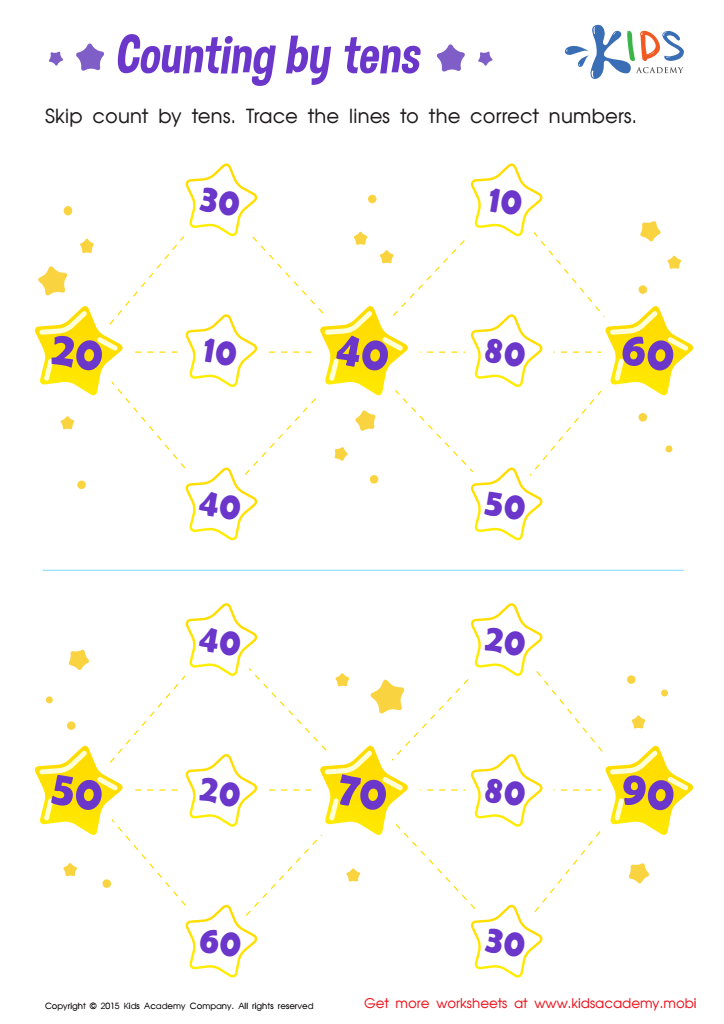
Learn Dozens: Counting by Tens Printable
 Assign to My Students
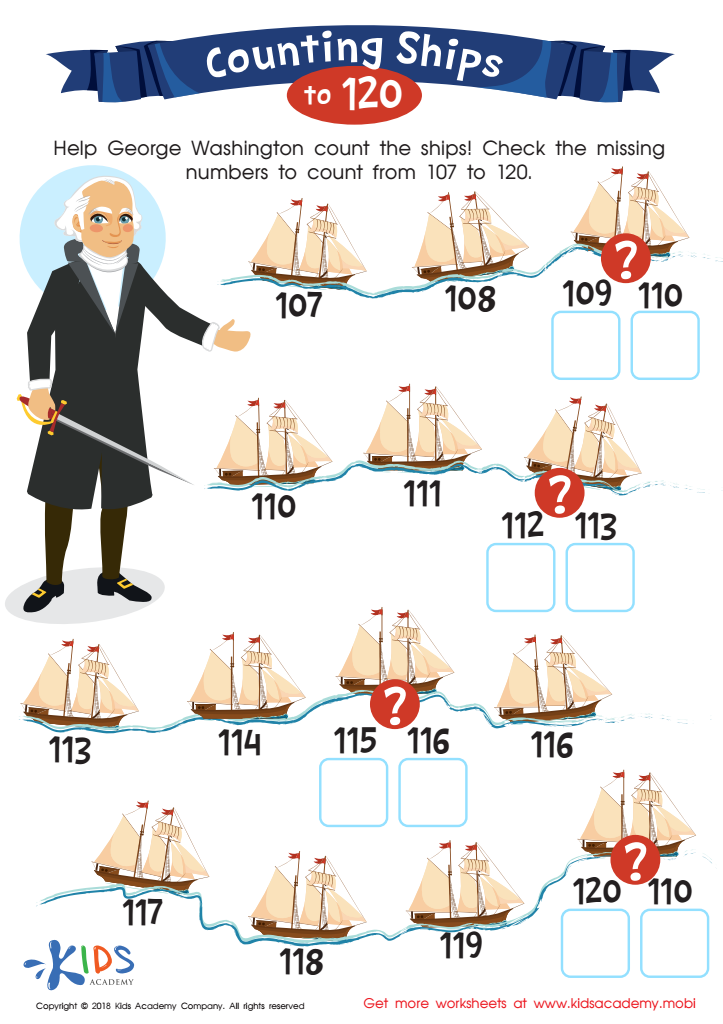
Counting Ships to 120 Worksheet
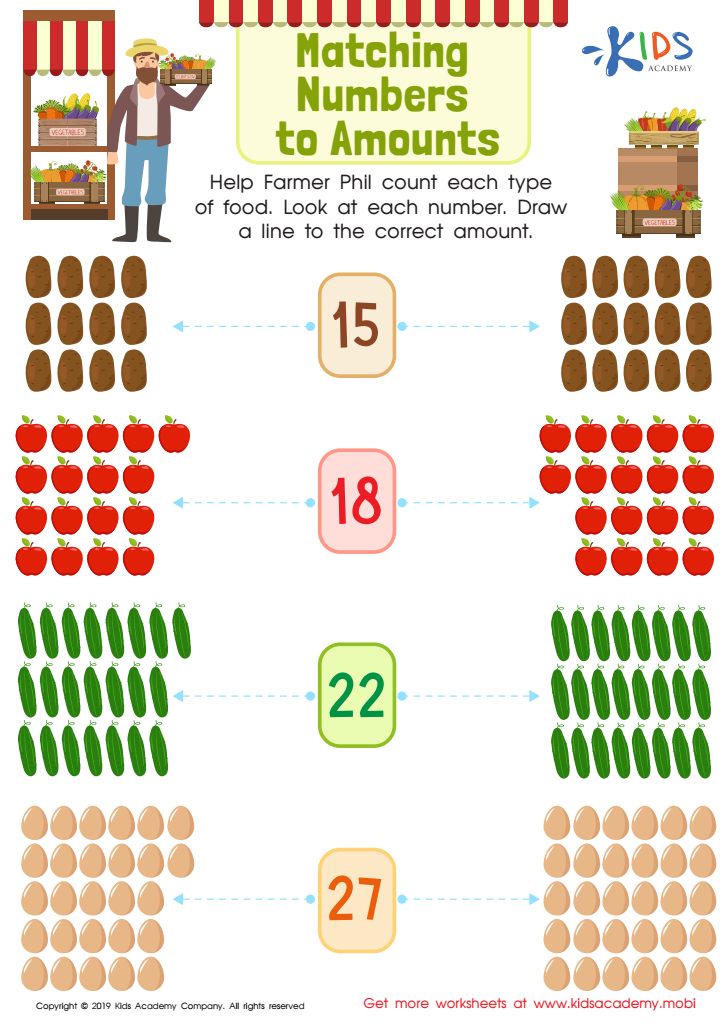
Matching Numbers to Amounts Worksheet







Number recognition is a critical foundational skill in Grade 1 math that parents and teachers should pay attention to because it forms the basis for all future mathematical learning. When children learn to recognize numbers, they unlock a door to understanding a more complex world of math concepts.
First and foremost, number recognition is essential for basic arithmetic operations—addition, subtraction, multiplication, and division—all of which require the ability to identify and understand numbers. Without this skill, children can struggle with even the simplest math problems.
Secondly, a strong grasp of number recognition enhances confidence. When children are confident in their math skills, they are more likely to embrace challenges, engage in classroom activities, and develop a positive attitude toward learning.
Additionally, number recognition aids in the development of other cognitive abilities such as memory, attention to detail, and problem-solving. These skills are not only crucial in math but are transferable to other academic subjects and life situations.
For teachers, focusing on number recognition allows for more effective lesson planning, as students equipped with this foundational knowledge can progress steadily through the curriculum. For parents, it supports the development of their child's numeracy, an essential life skill, and sets them up for academic success. Hence, investing time and effort in children’s number recognition pays dividends throughout their educational journey.