Handwriting practice Normal Kindergarten Worksheets - Page 2
50 filtered results
-
From - To
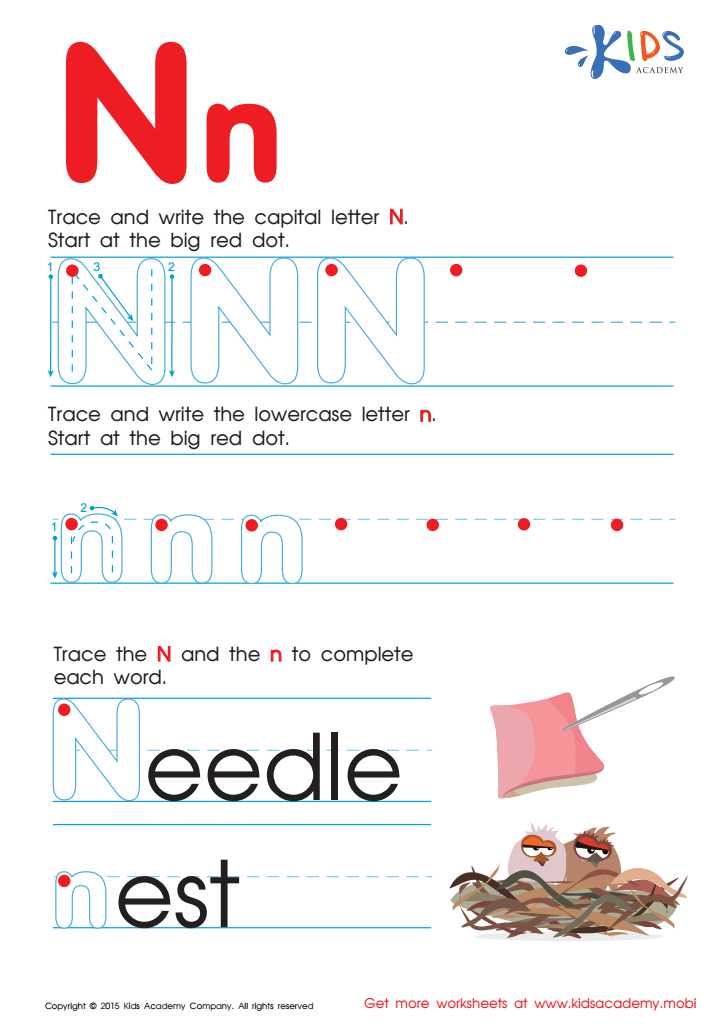
Letter N Tracing Page
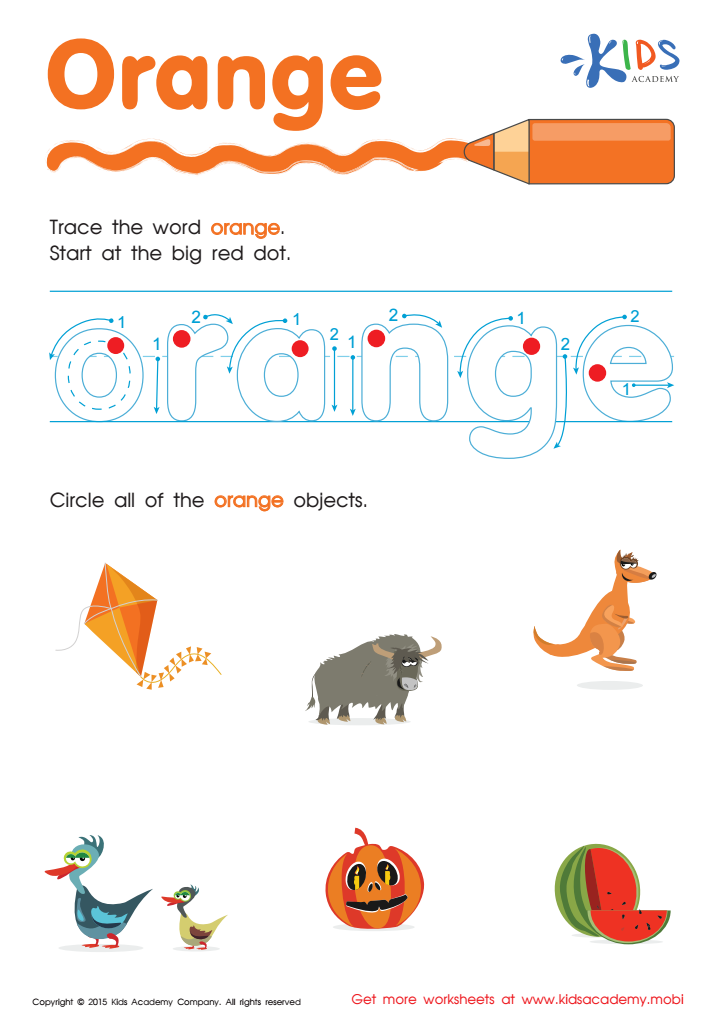
Orange Tracing Color Words Worksheet
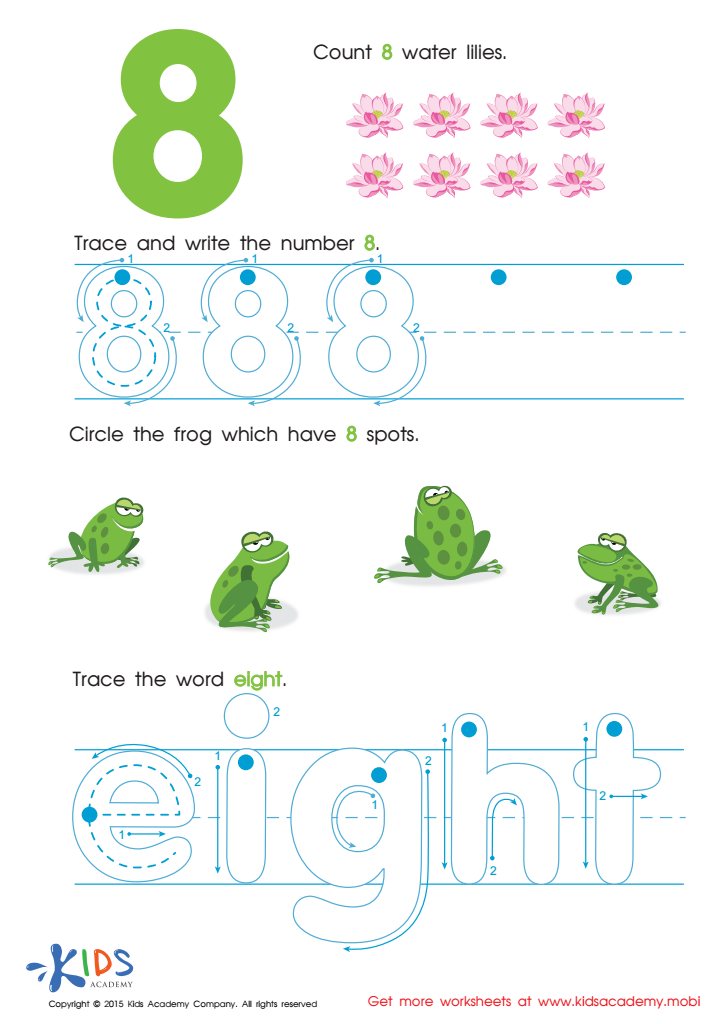
Learn Number 8 Easily Worksheet
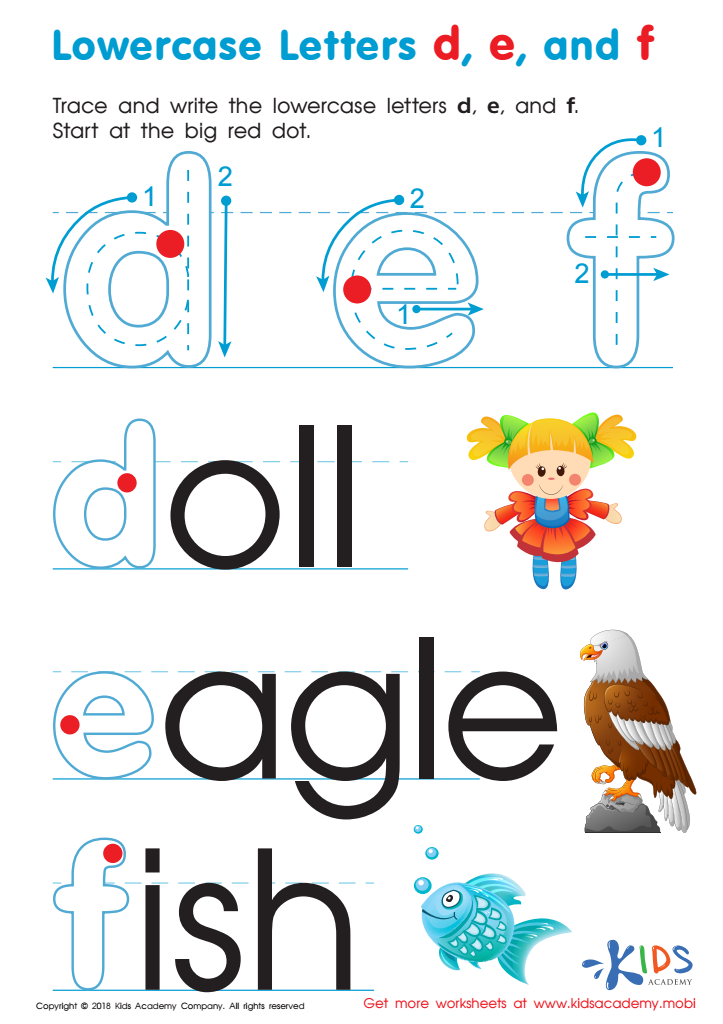
Lowercase Letters d e f Worksheet
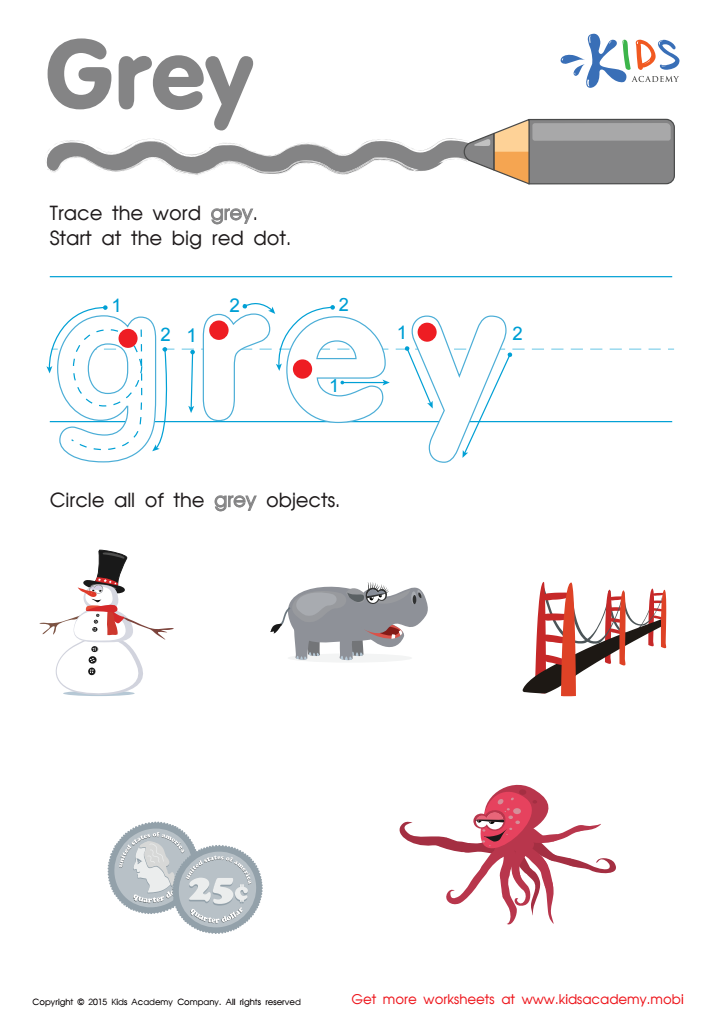
Grey Tracing Color Words Worksheet
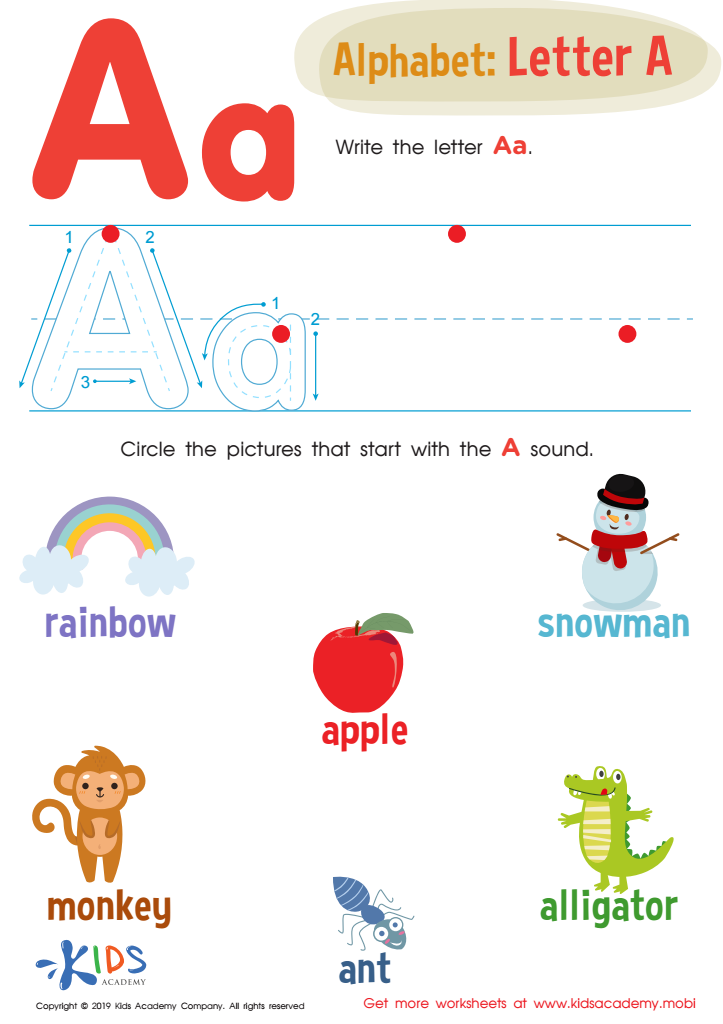
Letter A Tracing Worksheet
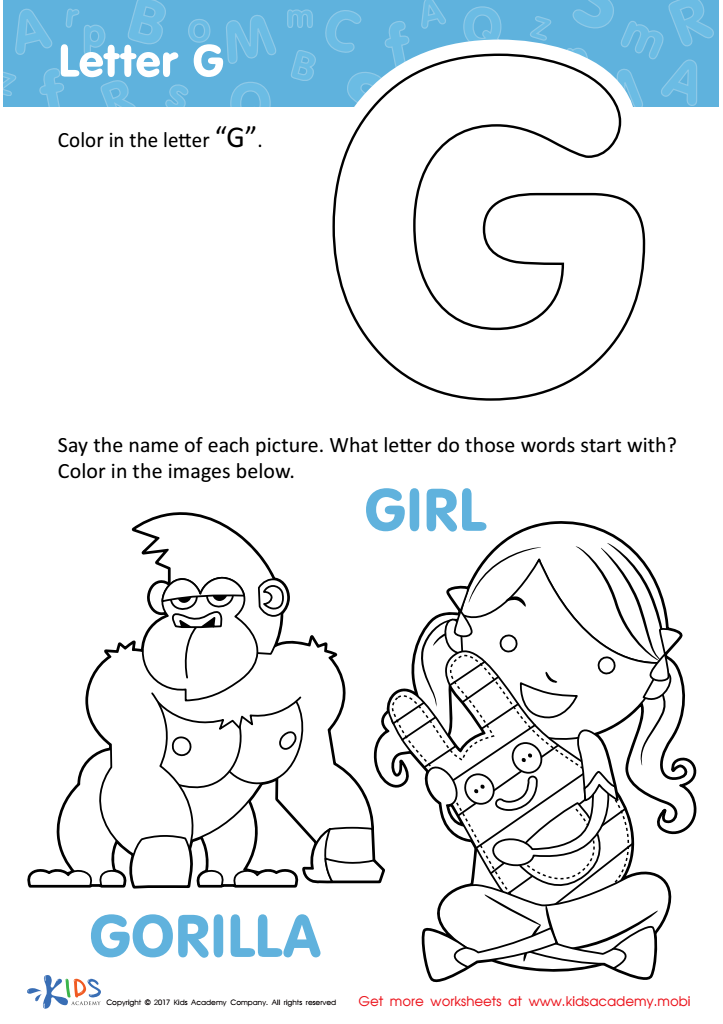
Letter G Coloring Sheet
 Assign to My Students
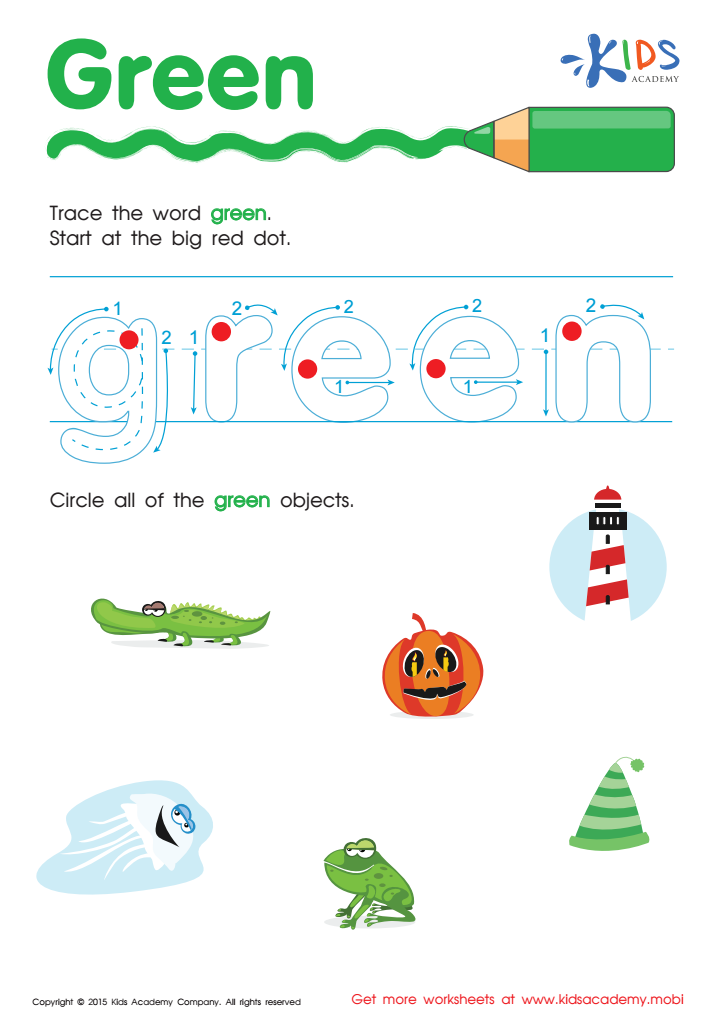
Green Tracing Color Words Worksheet
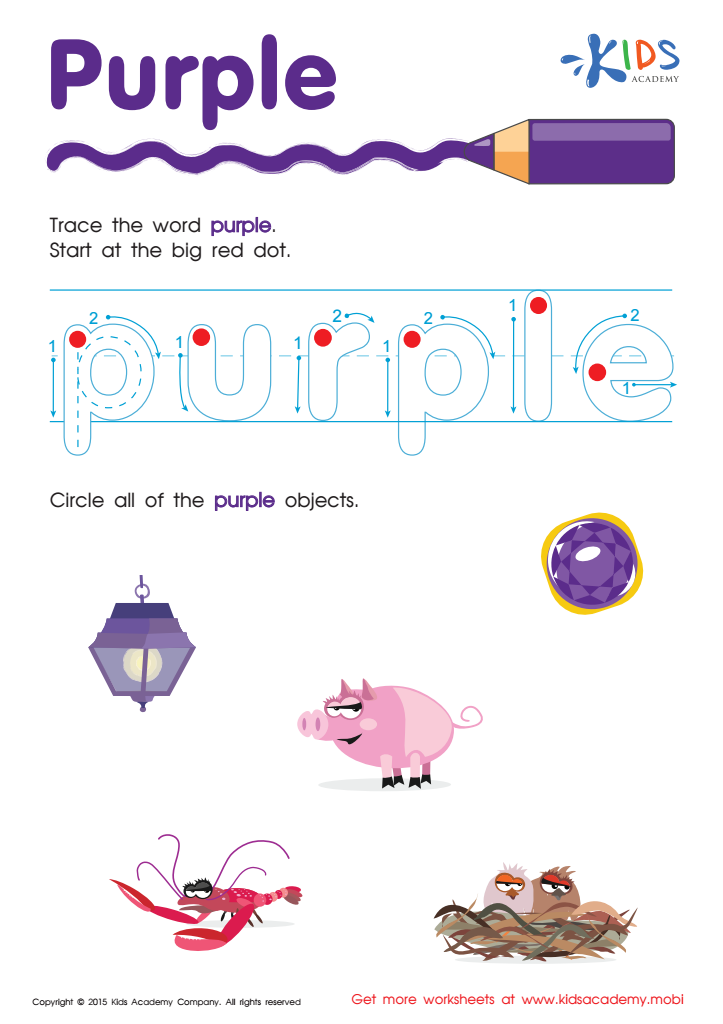
Purple Tracing Color Words Worksheet
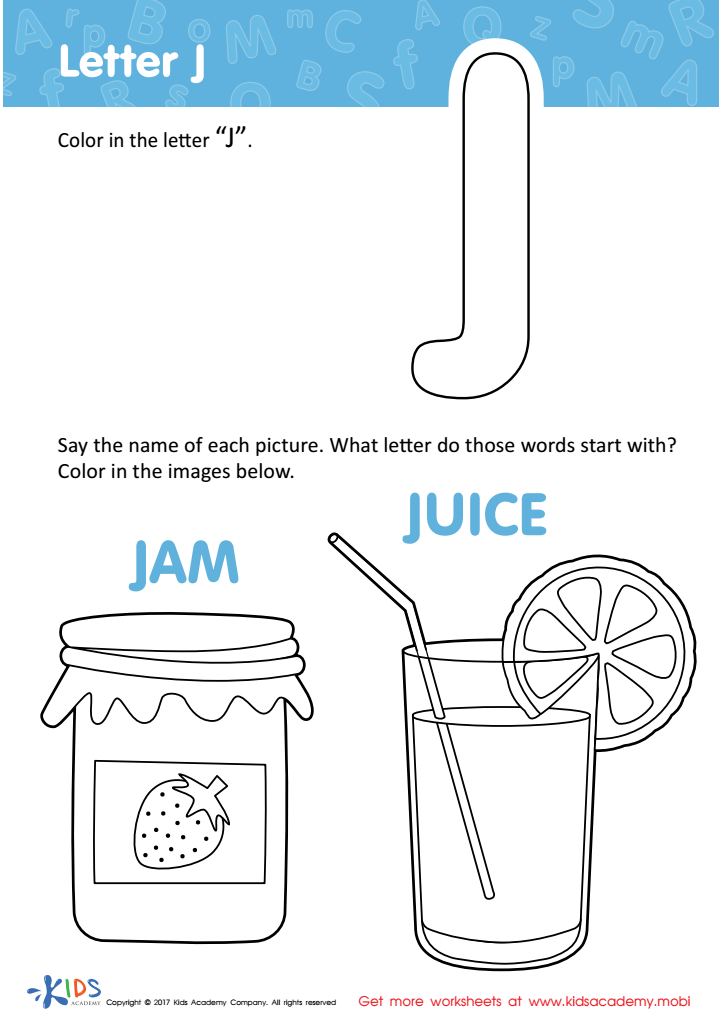
Letter J Coloring Sheet
Assign to My Students
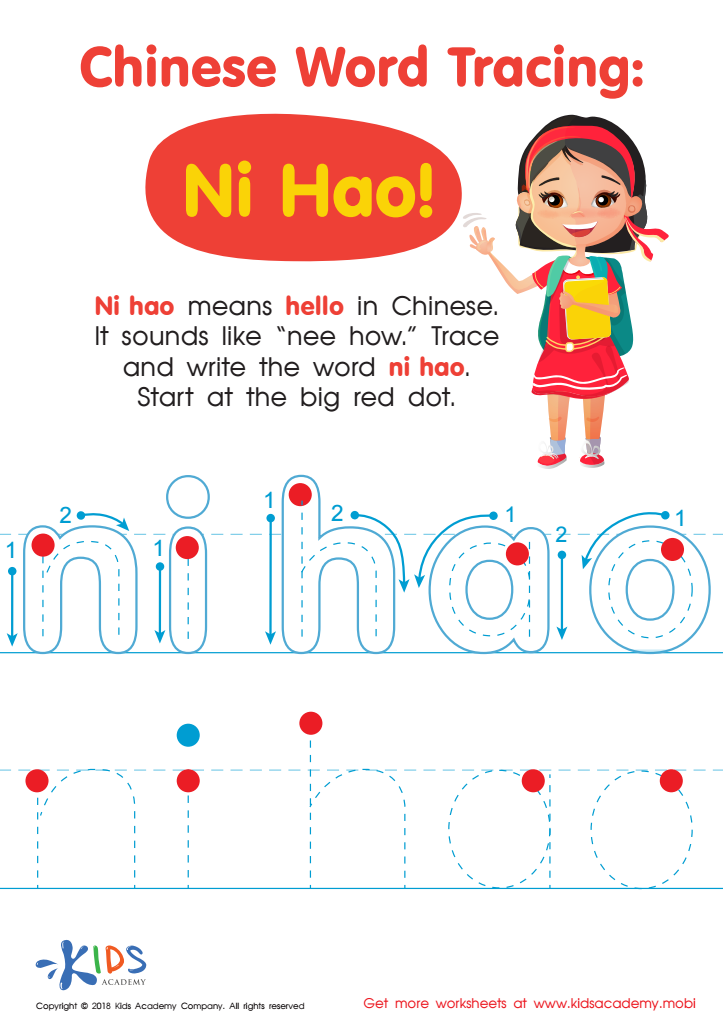
Chinese Word Tracing: Ni Hao Worksheet
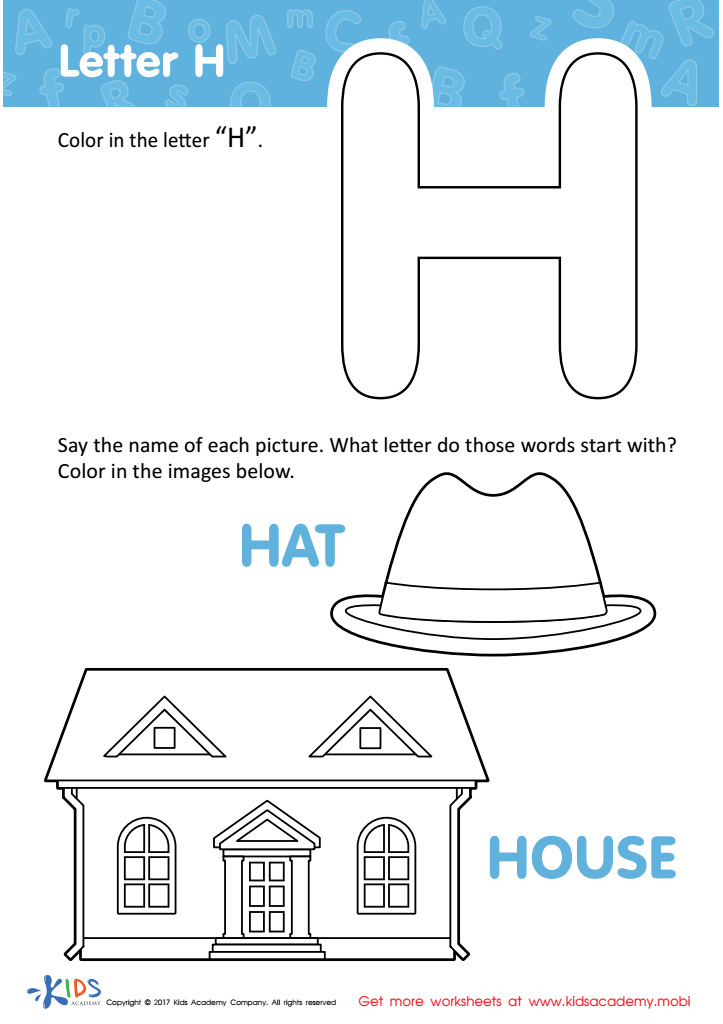
Letter H Coloring Sheet
Assign to My Students
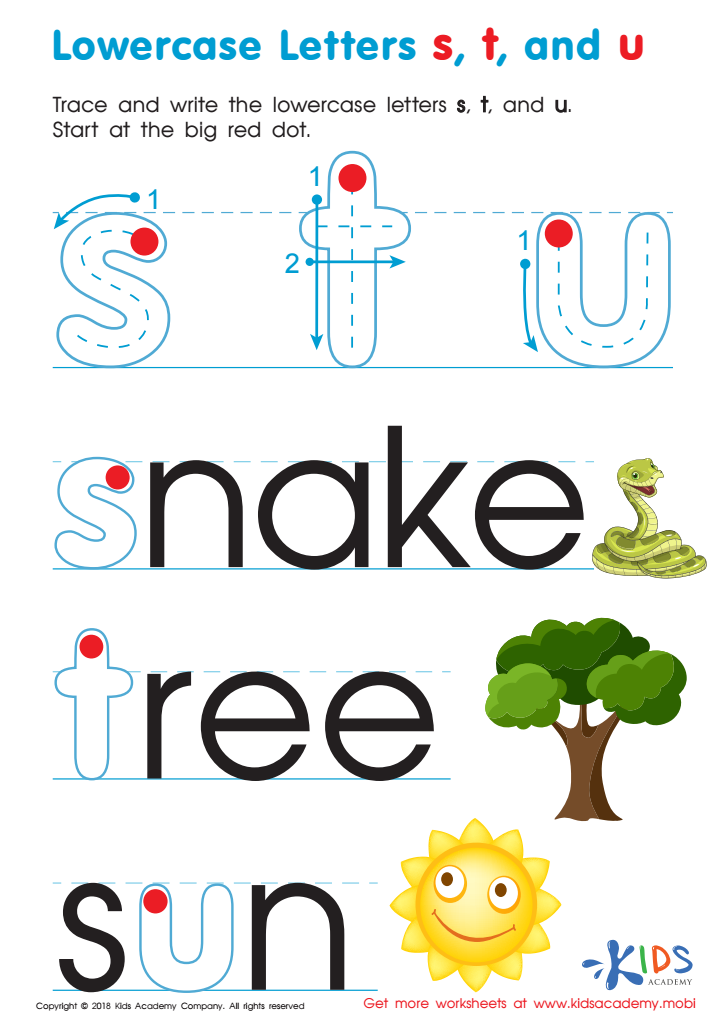
Lowercase Letters s t u Worksheet
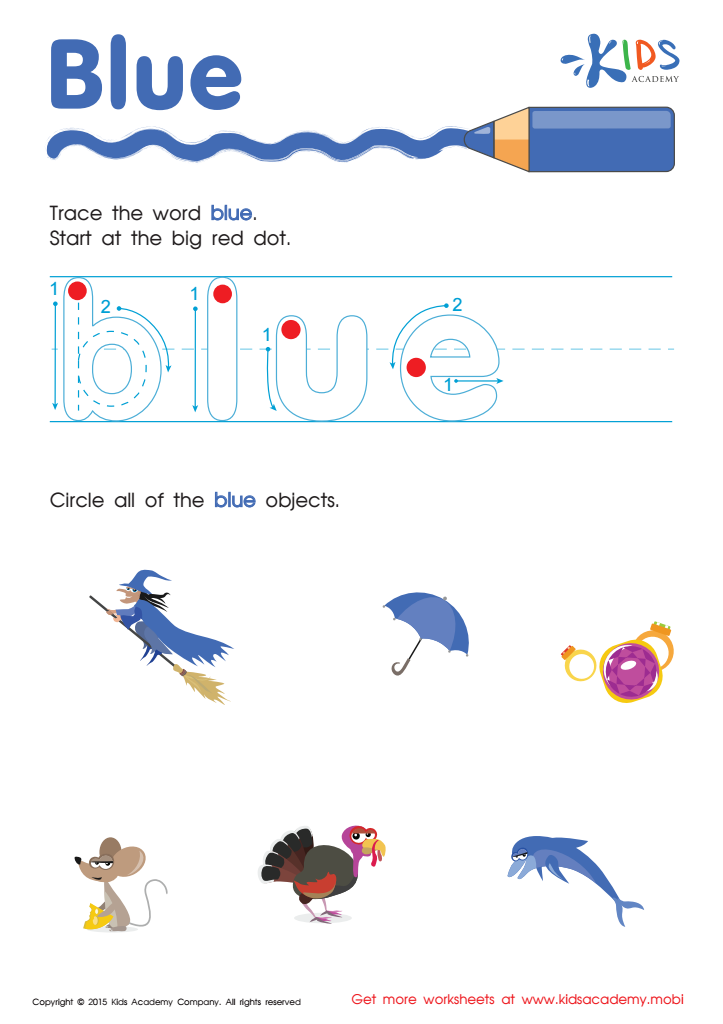
Blue Tracing Color Words Printable
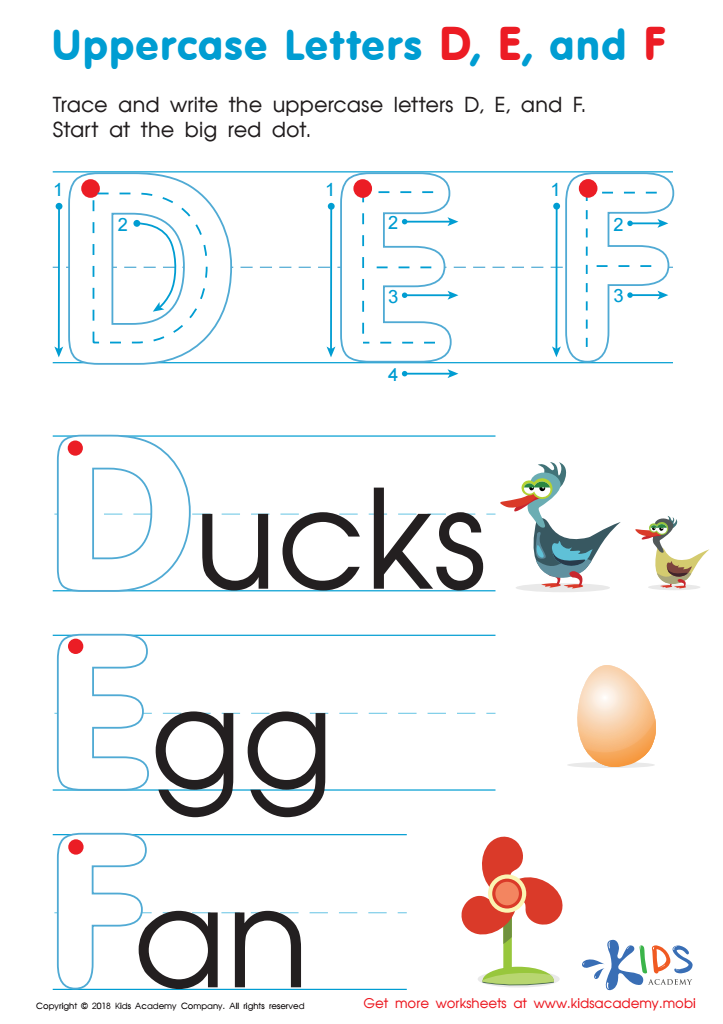
Uppercase Letters D, E, and F Worksheet

Brown Tracing Color Words Worksheet
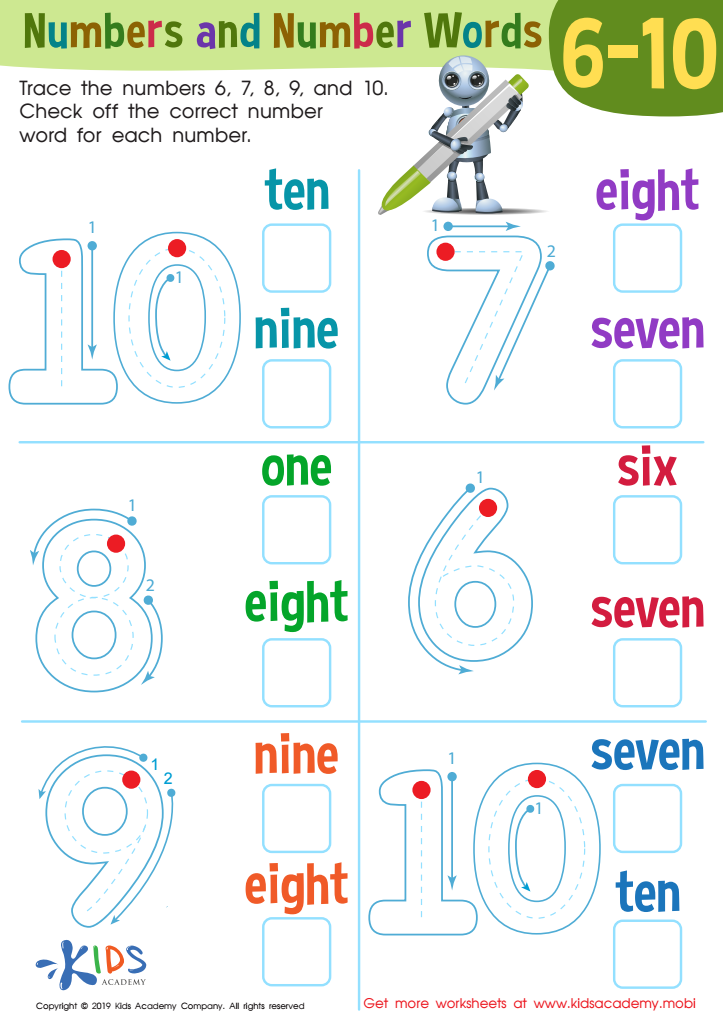
Numbers and Number Words 6–1 Worksheet
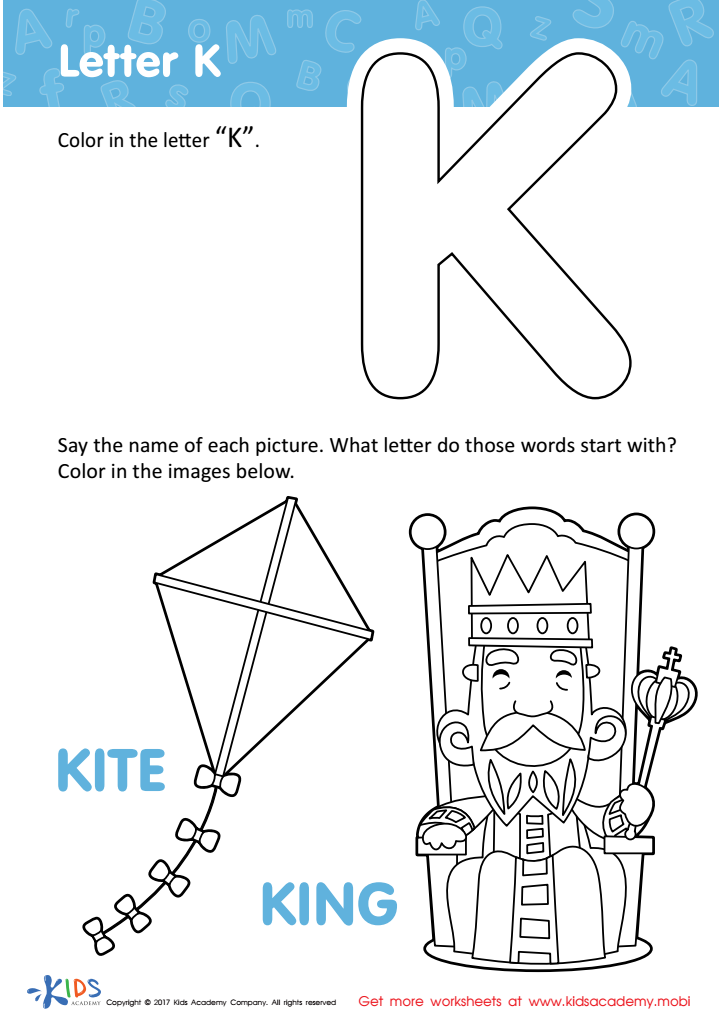
Letter K Coloring Sheet
Assign to My Students
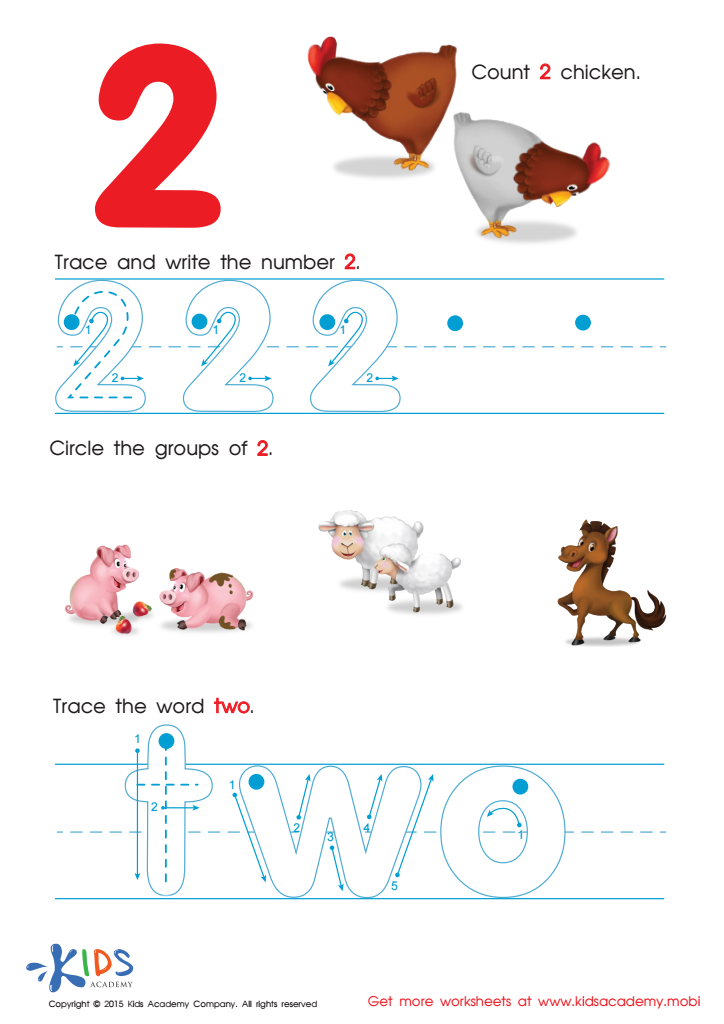
Learn to Write the Number 2 Worksheet
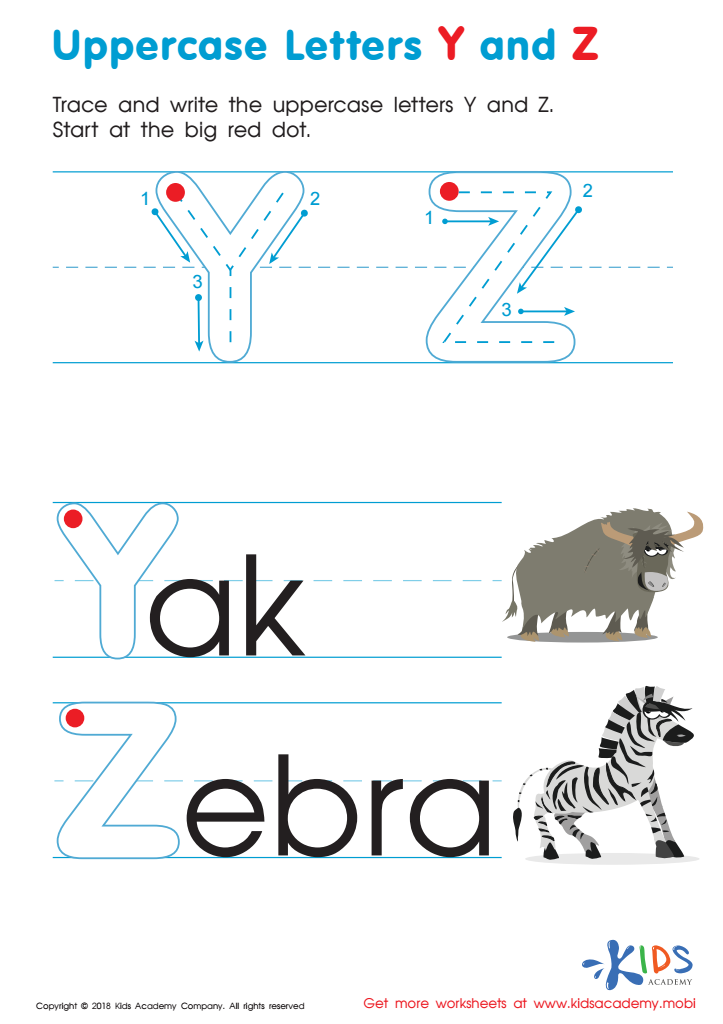
Uppercase Letters Y Z Worksheet
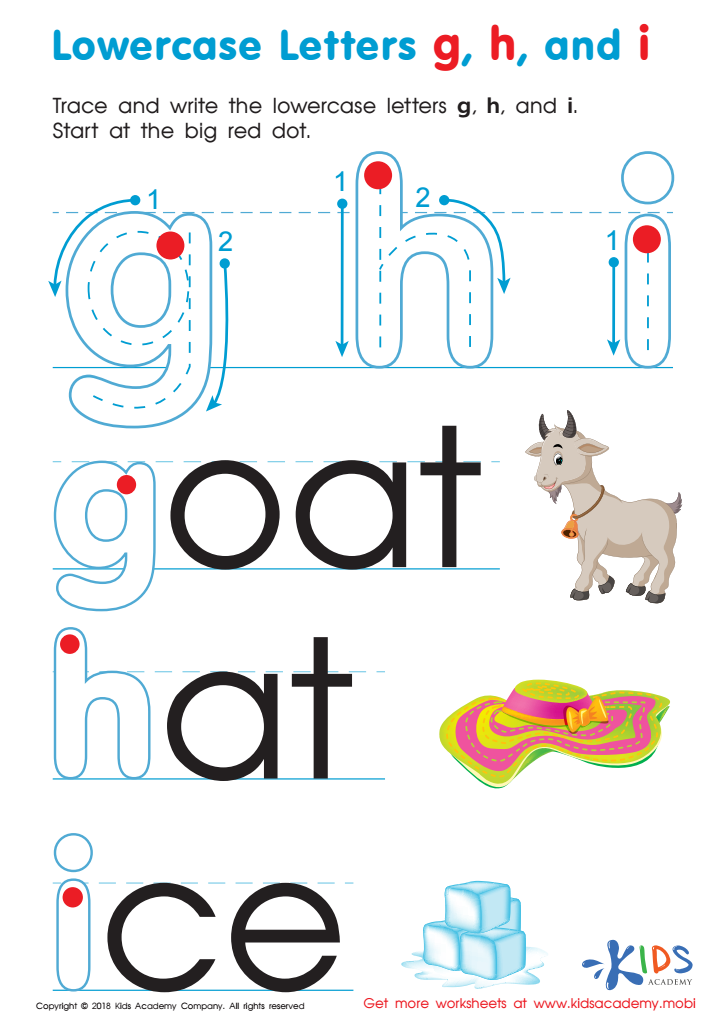
Lowercase Letters g h i Worksheet
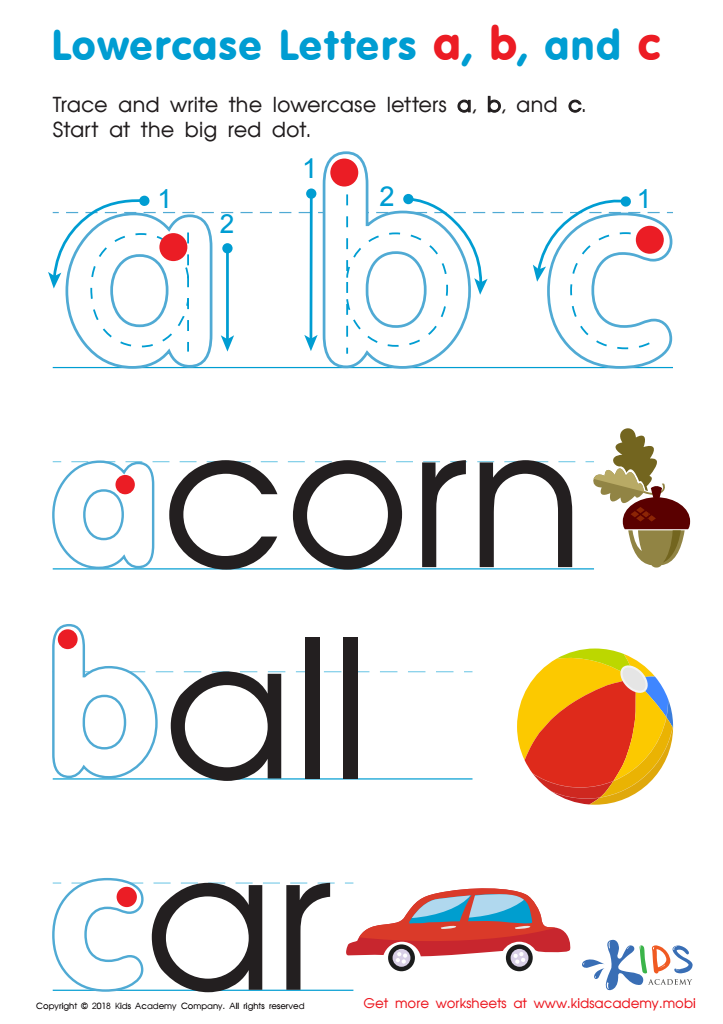
Lowercase Letters a b c Worksheet
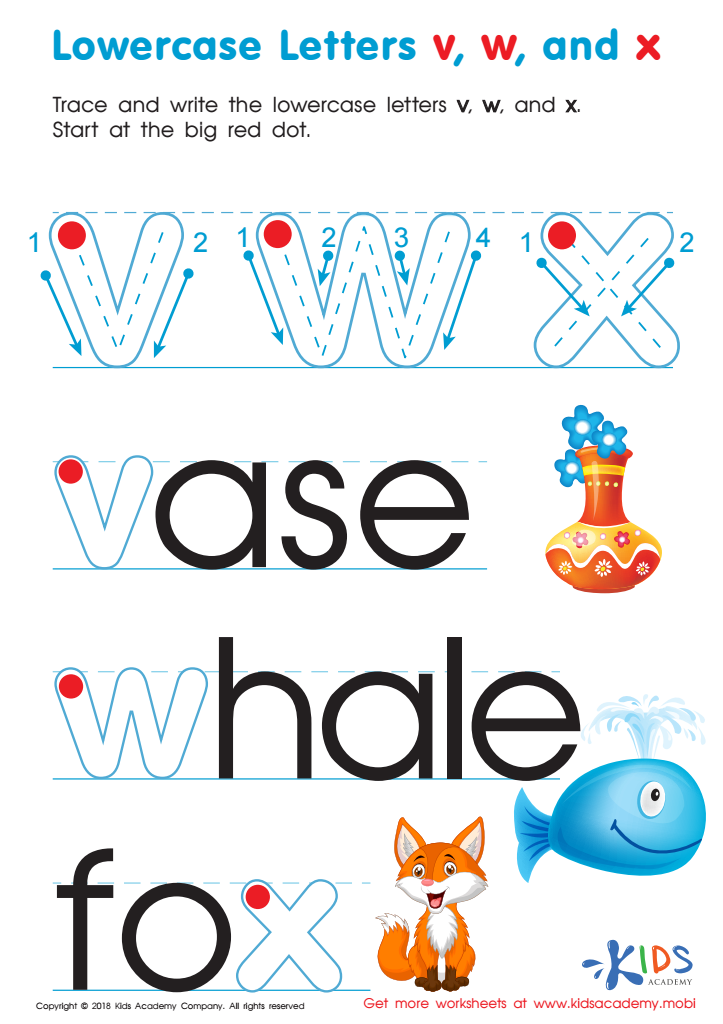
Lowercase Letters v w x Worksheet
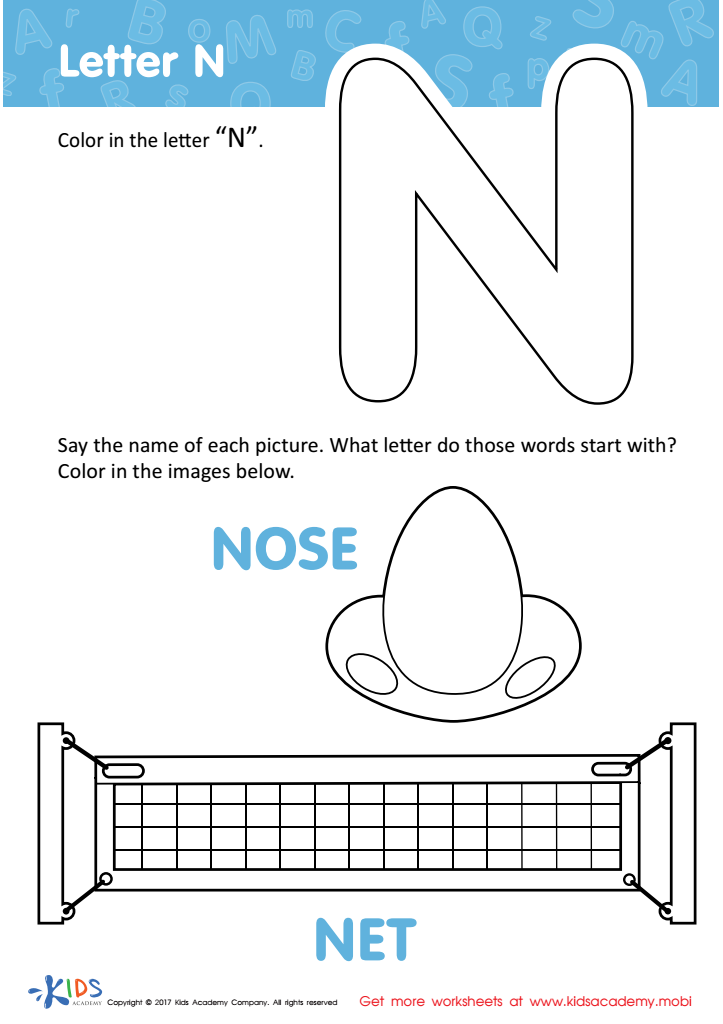
Letter N Coloring Sheet
Assign to My Students








Handwriting practice in normal kindergarten is crucial for several reasons that should engage both parents and teachers. First, it plays a fundamental role in developing fine motor skills. As young children manipulate pencils and crayons, they strengthen the small muscles in their hands, which is essential for a variety of everyday tasks.
Second, handwriting reinforces cognitive development. While writing, children practice letter recognition, which is pivotal for reading skills. The act of writing also helps them understand the connections between sounds and letters, enhancing their phonetic awareness and promoting literacy.
Moreover, handwriting fosters creativity and self-expression. Children often use writing and drawing to articulate their thoughts and feelings, serving as an important outlet for their ideas and emotions. Practicing handwriting allows them to cultivate their personal style and boost their confidence as they complete tasks successfully.
Lastly, consistent handwriting practice prepares children for academic success. Good handwriting can improve clarity in their work, aiding teachers in assessing their understanding of topics. When parents encourage this practice at home, they reinforce the skills learned at school, creating a supportive learning environment. Overall, handwriting practice is an essential building block for children's development and learning trajectory.