Pattern recognition Normal Kindergarten Worksheets
5 filtered results
-
From - To
Welcome to our "Pattern Recognition Normal Kindergarten Worksheets" page! Designed to enhance early math skills, these engaging worksheets help young learners identify and create patterns, a fundamental concept in cognitive development. Each worksheet features fun visuals and interactive activities, making learning enjoyable and effective. Perfect for at-home learning or classroom use, they empower children to recognize sequences and make connections through colorful designs and familiar objects. Parents and educators will appreciate the straightforward instructions and the opportunity to foster critical thinking in a playful way. Boost your child's problem-solving abilities and set them on the path to academic success with our worksheets today!
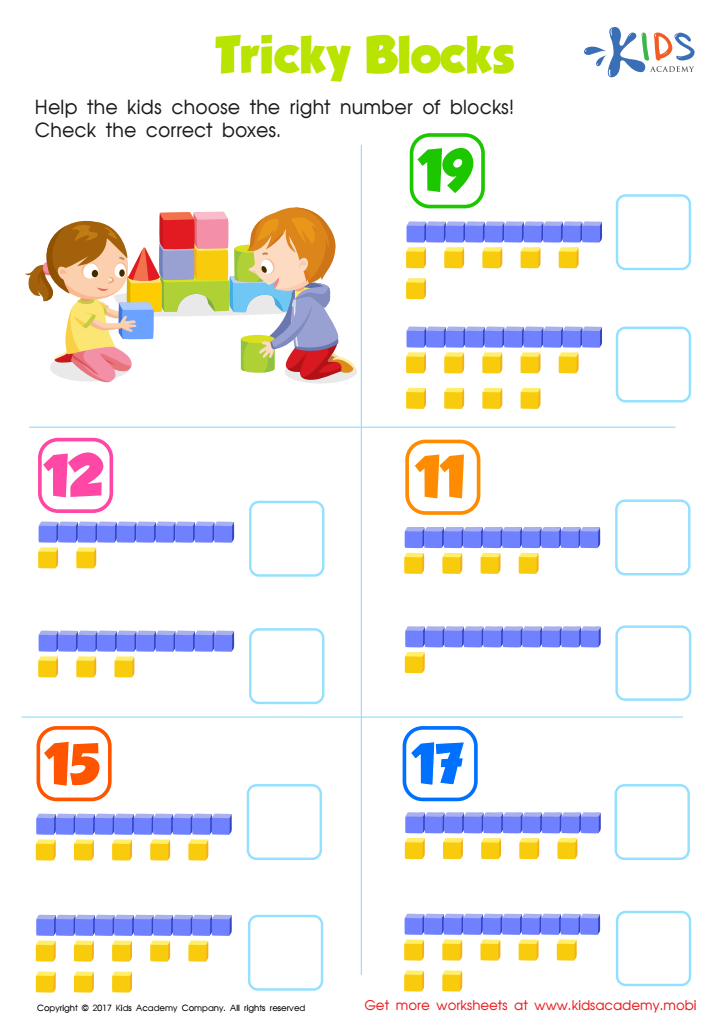
Tricky Blocks Worksheet
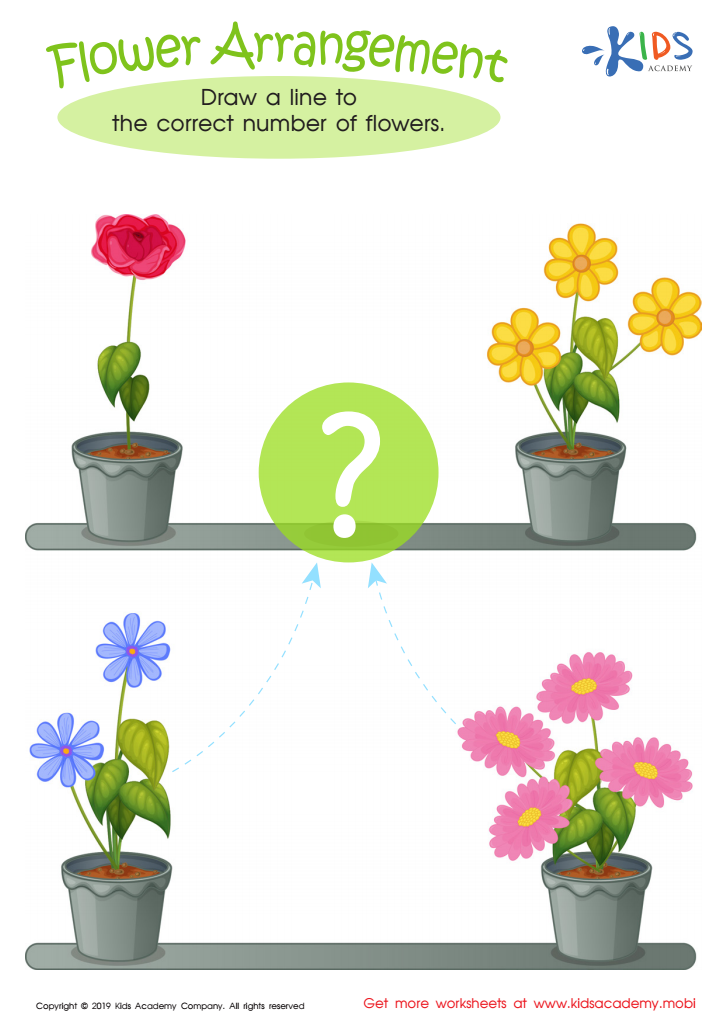
Flower Arrangement Worksheet
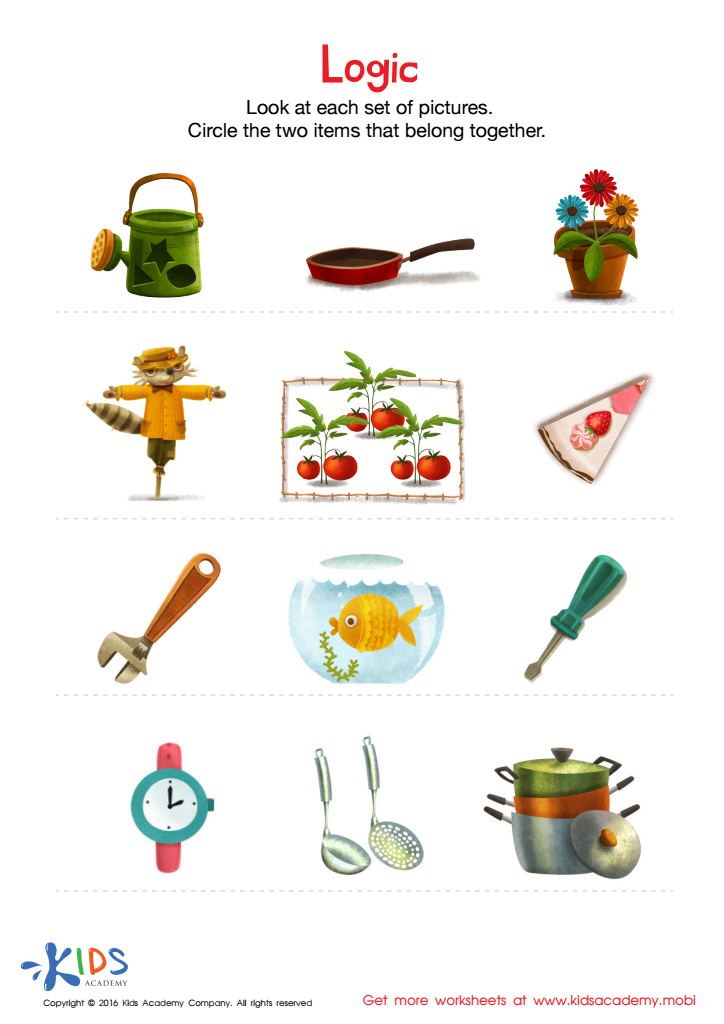
Logic Game Sorting Worksheet
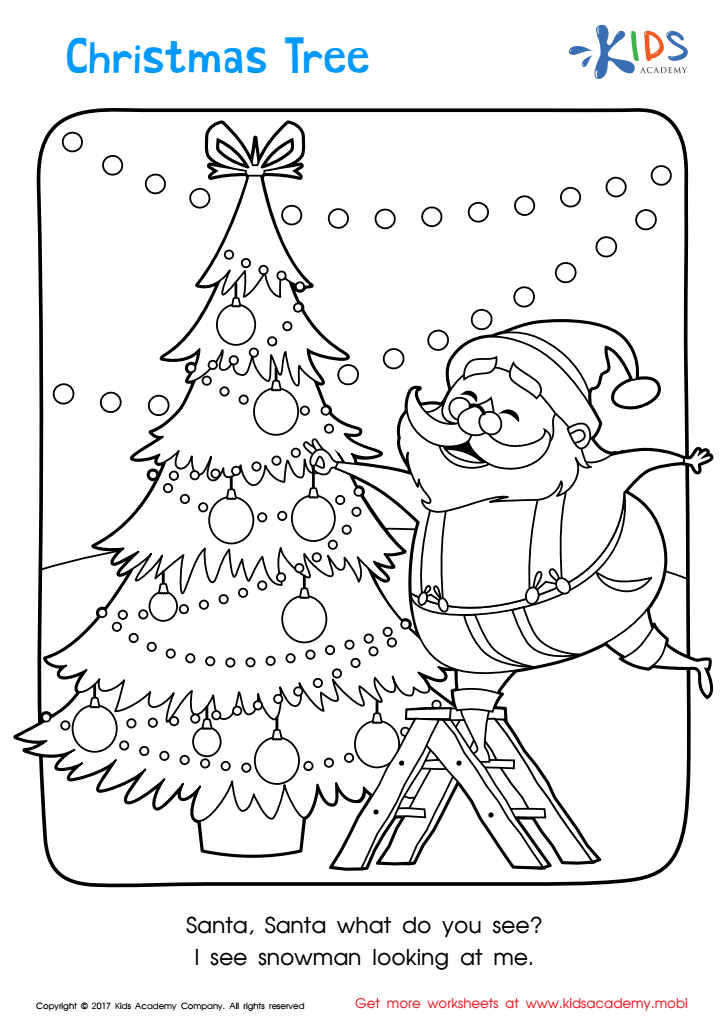
Christmas: Christmas Tree Printable
 Assign to My Students
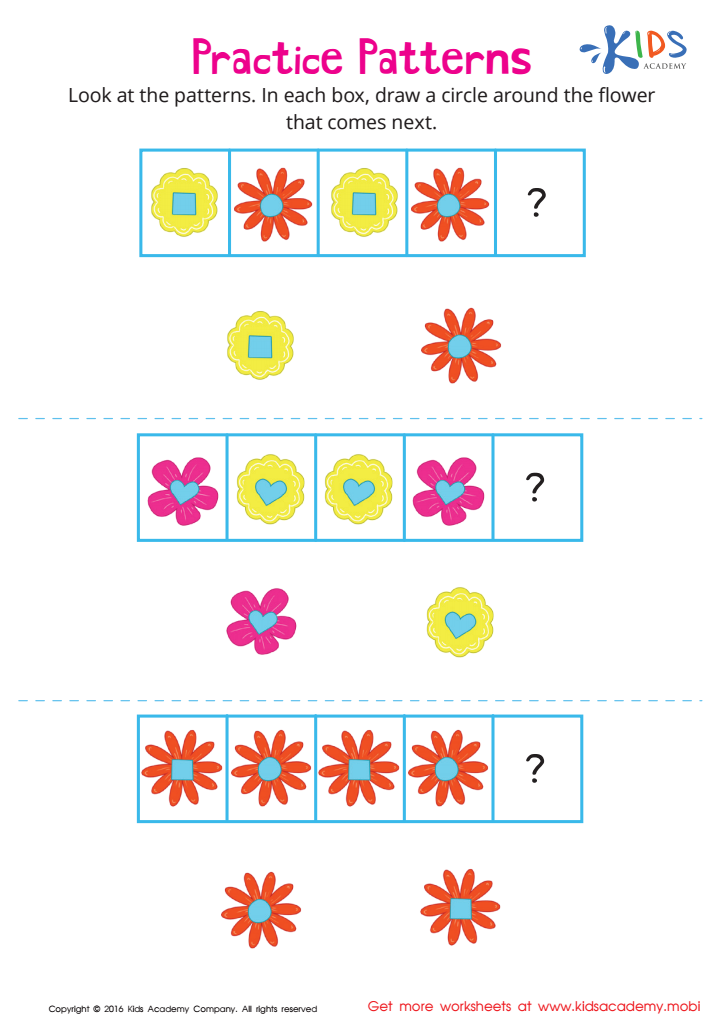







Pattern recognition is a foundational skill that serves as a precursor to numerous academic concepts, making it crucial for kindergarteners' cognitive development. Parents and teachers should prioritize pattern recognition because it enhances critical thinking, problem-solving abilities, and mathematical skills. By recognizing patterns, children learn to predict what comes next in a sequence, fostering their analytical skills and encouraging logical reasoning.
Engaging children in activities that involve patterns—such as sorting objects, rhythm games, and creating patterns with colors or shapes—supports their cognitive growth and often leads to increased engagement in learning processes. Furthermore, early practice in recognizing and creating patterns sets the stage for future proficiency in subjects like math and science, where understanding sequences and relationships is essential.
Additionally, pattern recognition helps students develop spatial awareness and attention to detail, skills that are valuable not just in academics but in everyday life. By nurturing these abilities in kindergarten, both parents and teachers play a vital role in laying a strong foundation for children's future educational experiences. Ultimately, fostering pattern recognition can contribute to children's confidence and motivation, encouraging a lifelong love of learning.