Critical Thinking Normal Kindergarten Plants and Animals Worksheets
3 filtered results
-
From - To
Explore our engaging Critical Thinking Normal Kindergarten Plants and Animals Worksheets, designed to enhance young learners' analytical skills while exploring the fascinating world of nature. Perfect for early grade education, these worksheets encourage critical thinking through interactive activities related to plants and animals. Kids will observe, compare, and categorize different species, fostering their observational skills and promoting curiosity about the environment. With colorful illustrations and age-appropriate challenges, these printable resources make learning fun and effective. Ideal for both classroom and home learning, our worksheets help nurture problem-solving abilities and enrich children's understanding of biology through imaginative play and exploration.
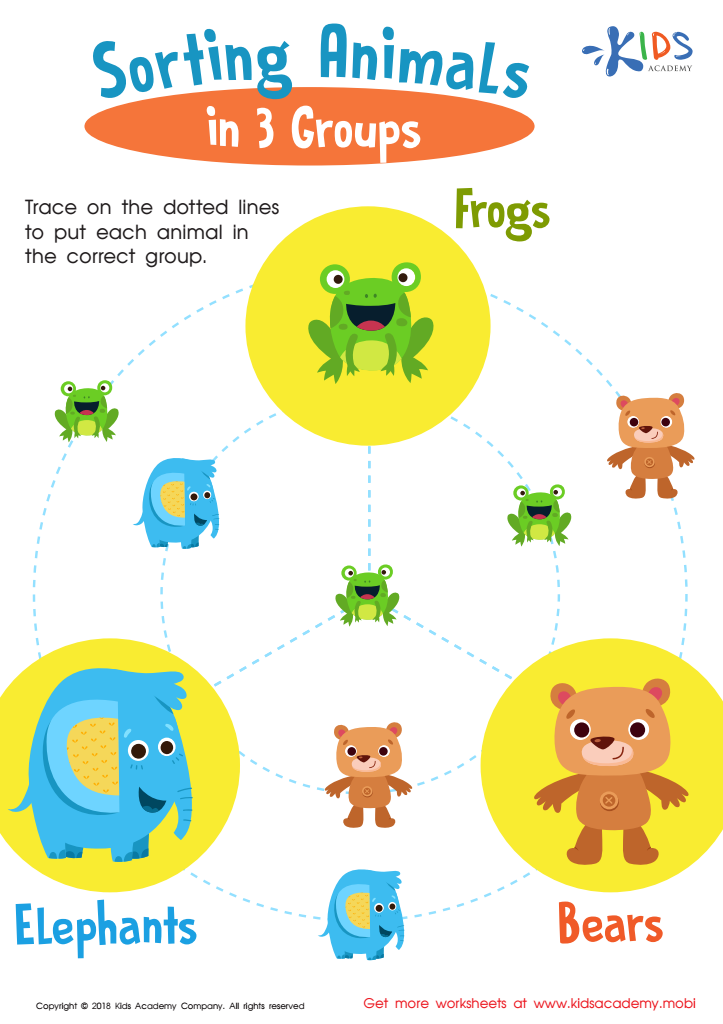
Sorting Animals in 3 Groups Worksheet
 Assign to My Students
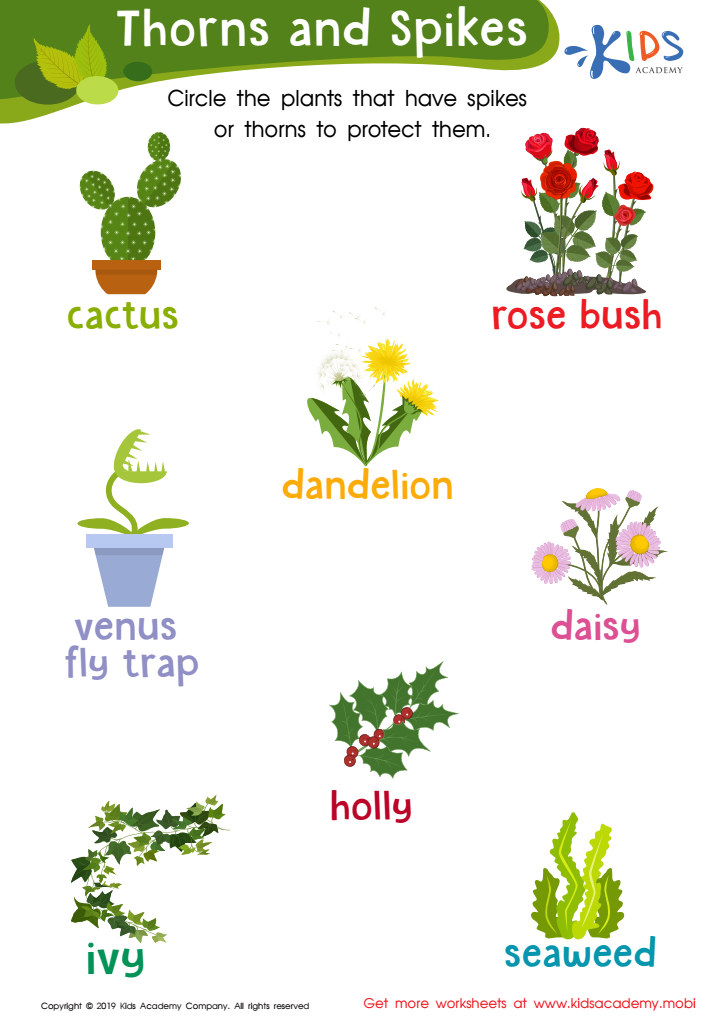
Thorns and Spikes Worksheet
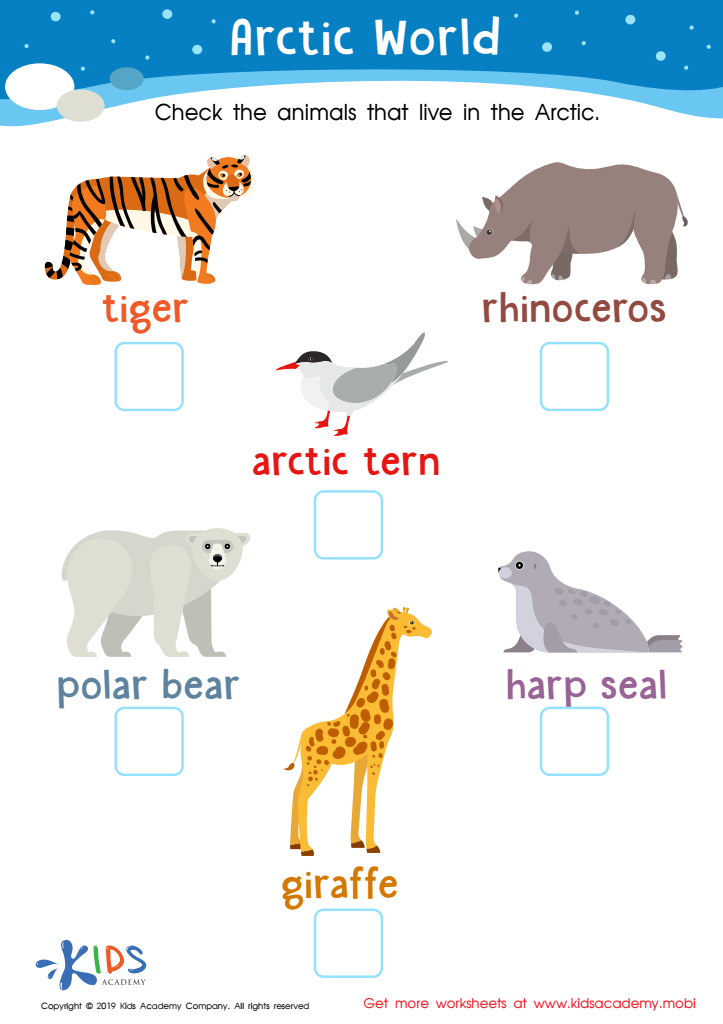
Arctic World Worksheet





Parents and teachers should prioritize critical thinking in kindergarten education, especially regarding plants and animals, as it lays the foundation for lifelong learning. Engaging young learners in critical thinking nurtures their natural curiosity and empowers them to ask questions, explore, and interact with their environment. Understanding the roles plants and animals play in our ecosystem fosters a sense of responsibility for nature and promotes environmental stewardship from an early age.
Moreover, through hands-on experiences with plants and animals, children learn to observe details, make predictions, and test hypotheses. For example, by observing how a plant grows or how animals behave, kids can develop analytical skills that are essential across all areas of learning.
Critical thinking in this area also encourages creative problem-solving and collaboration as students may work together on projects like gardening or animal care, enhancing their social skills. Ultimately, nurturing critical thinking skills in young learners equips them with the ability to think independently, adapt to new situations, and face challenges with confidence—skills that are invaluable for their future academic and personal success. Both parents and teachers play a vital role in cultivating these skills, ensuring a well-rounded education for young children.