Counting practice Normal Worksheets - Page 2
38 filtered results
-
From - To
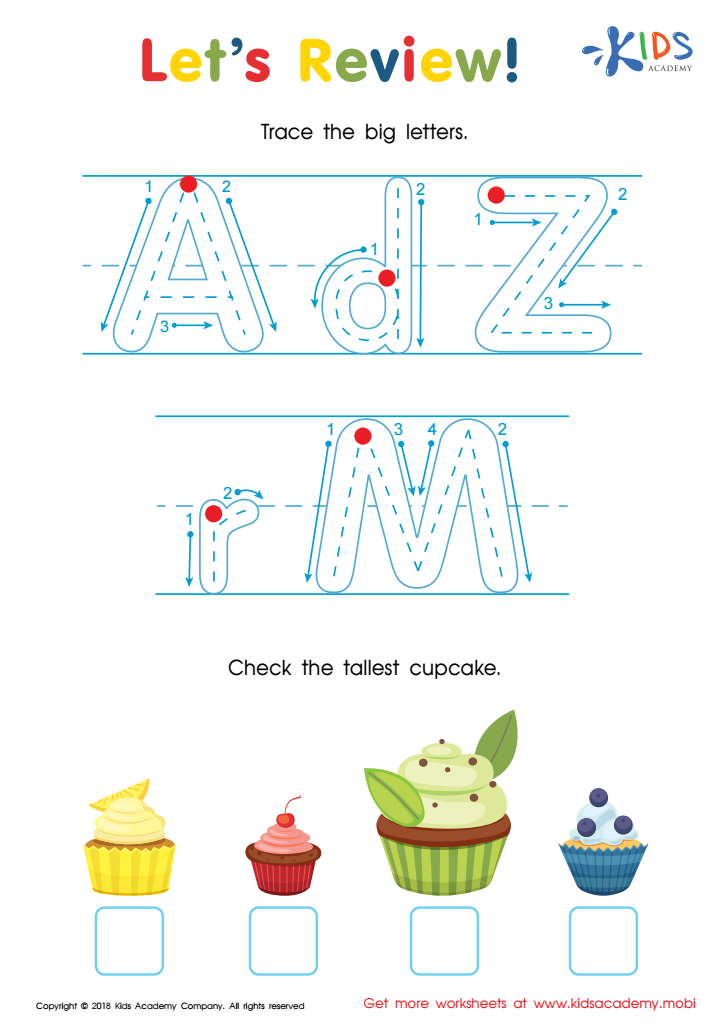
Let's Review! Big Letters Worksheet
 Assign to My Students
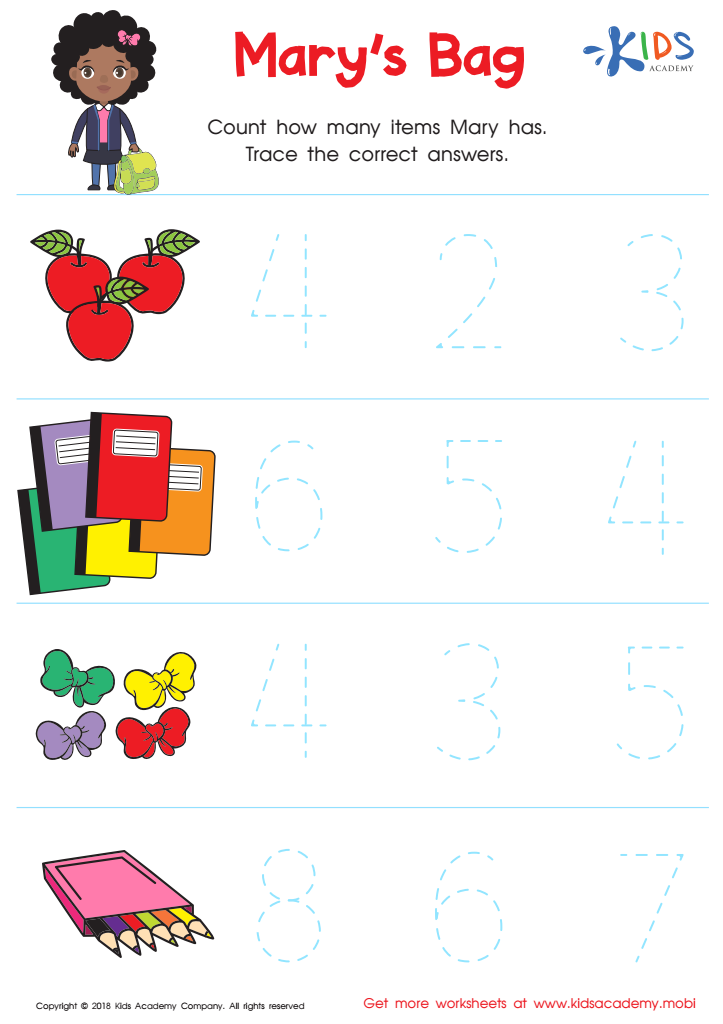
Kindergarten Number Tracing: Mary's Bag Worksheet
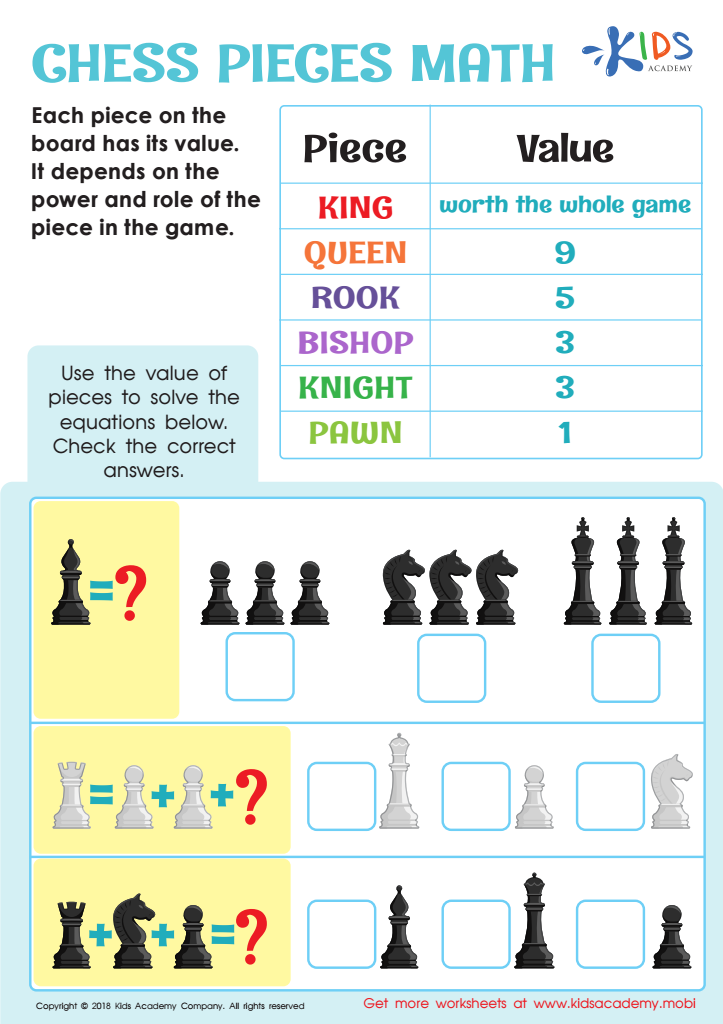
Chess Pieces Math Worksheet
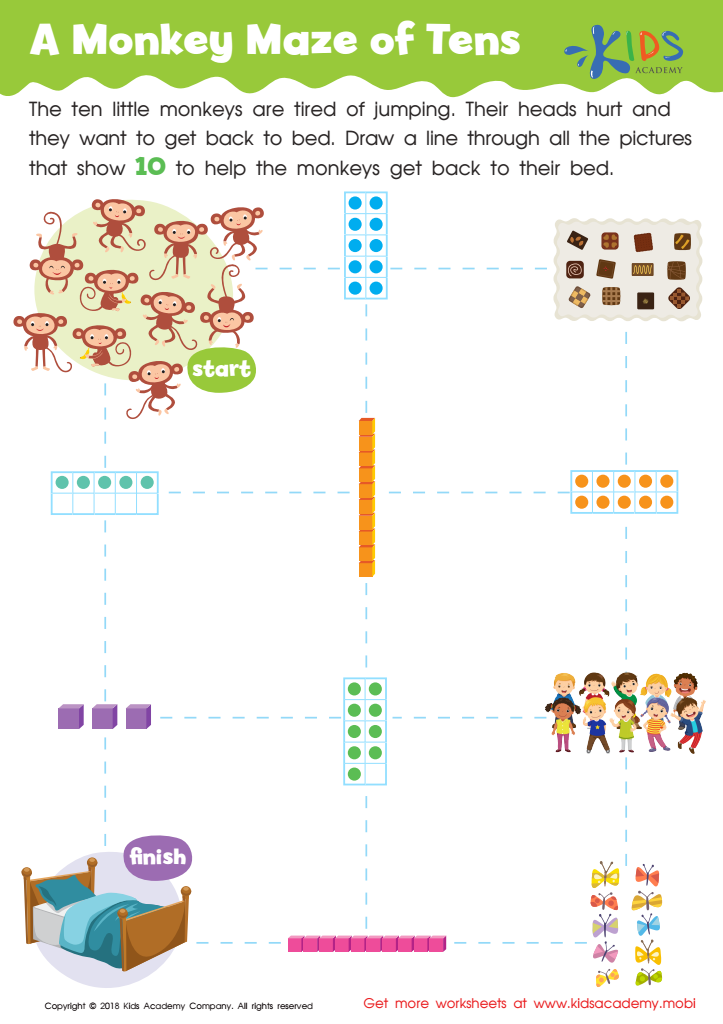
A Monkey Maze of Tens Worksheet
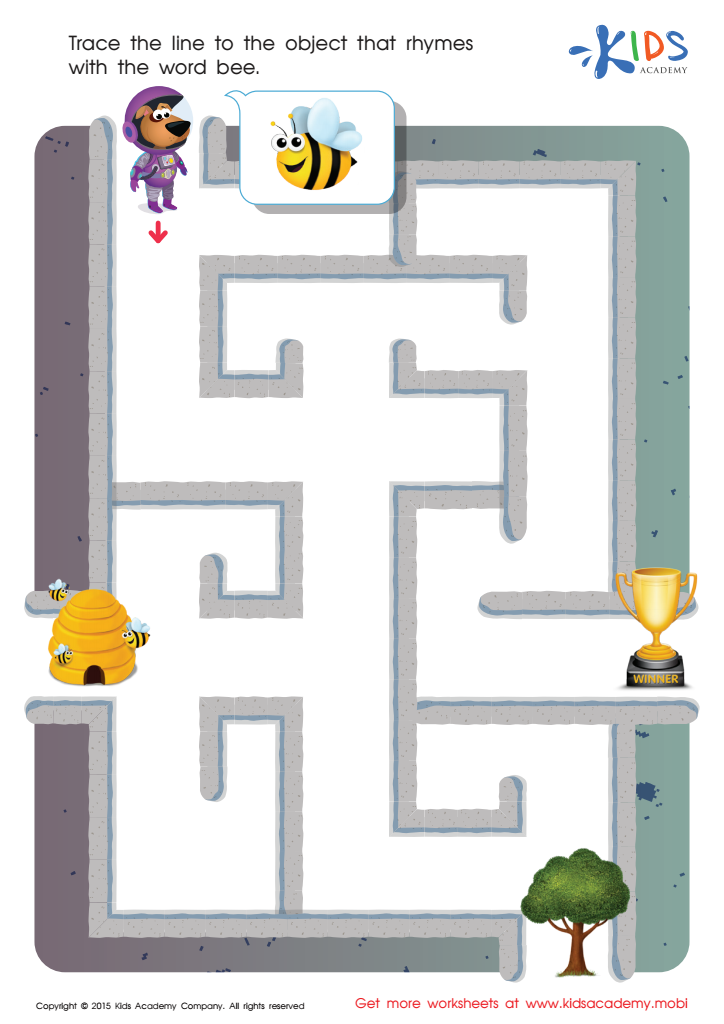
Bee Rhyming Words Worksheet
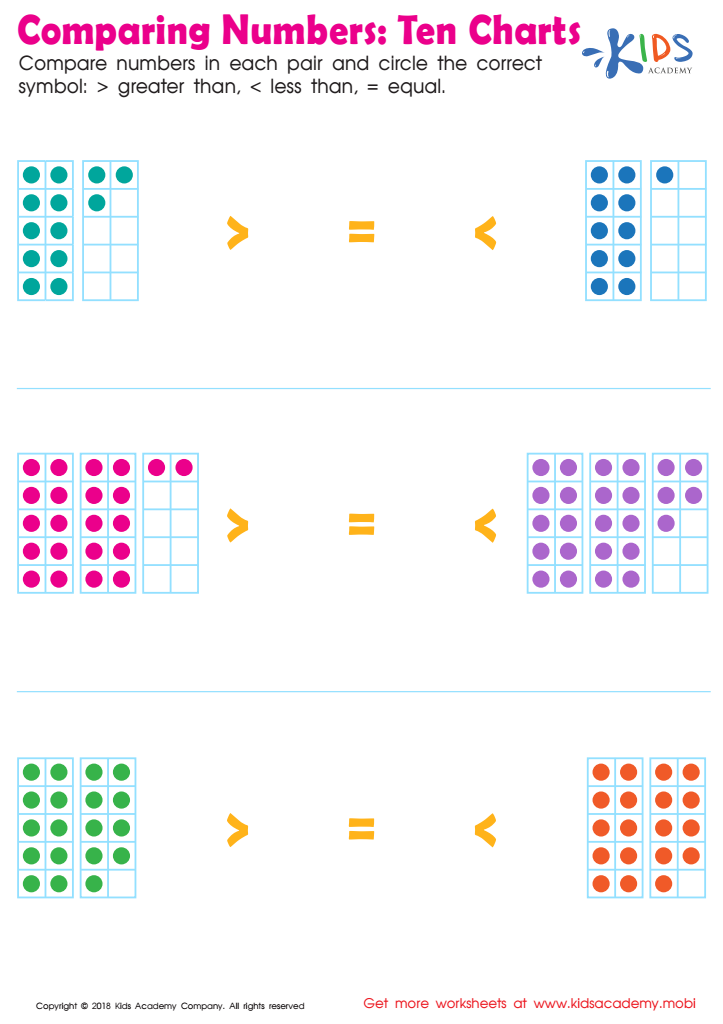
Ten Charts Worksheet
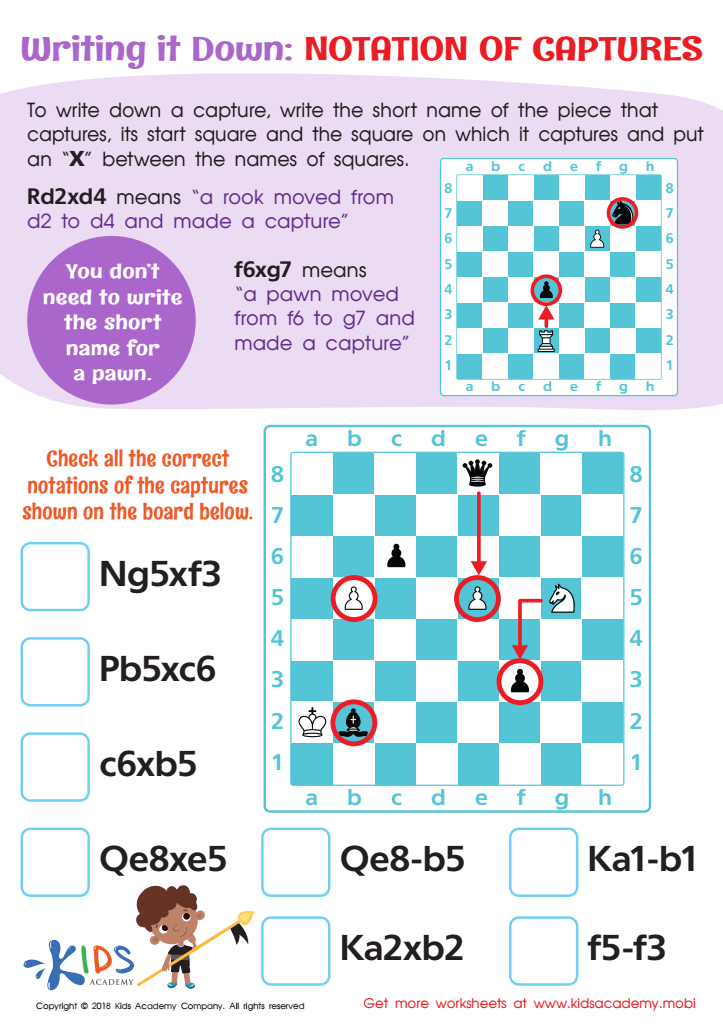
Notation of Captures Writing it Down Worksheet
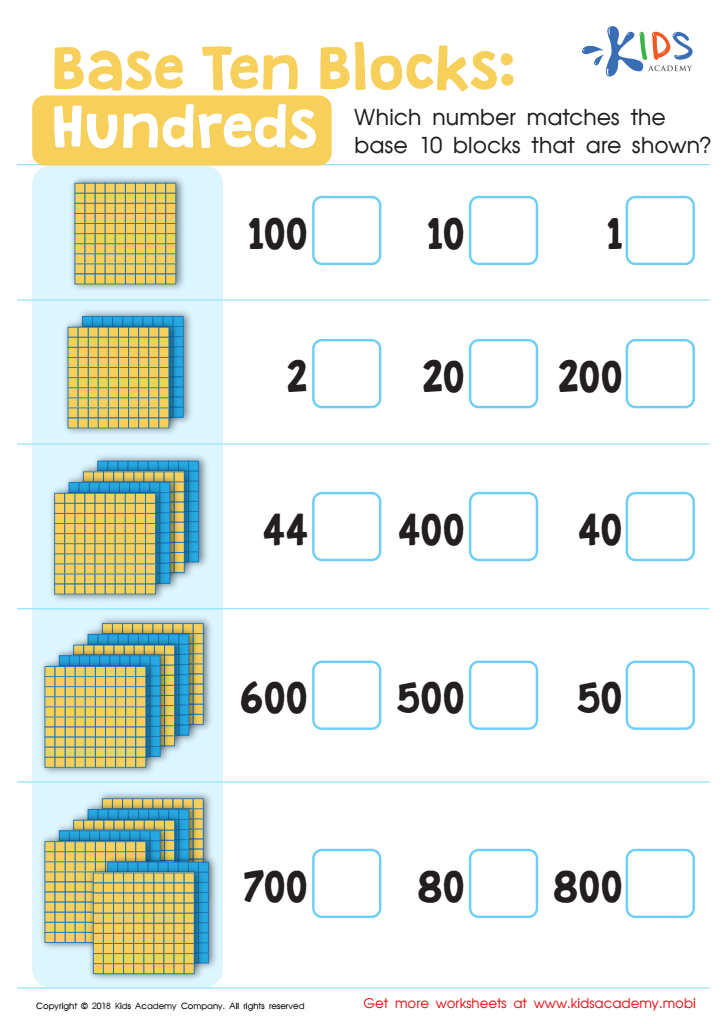
Base Ten Blocks: Hundreds Worksheet
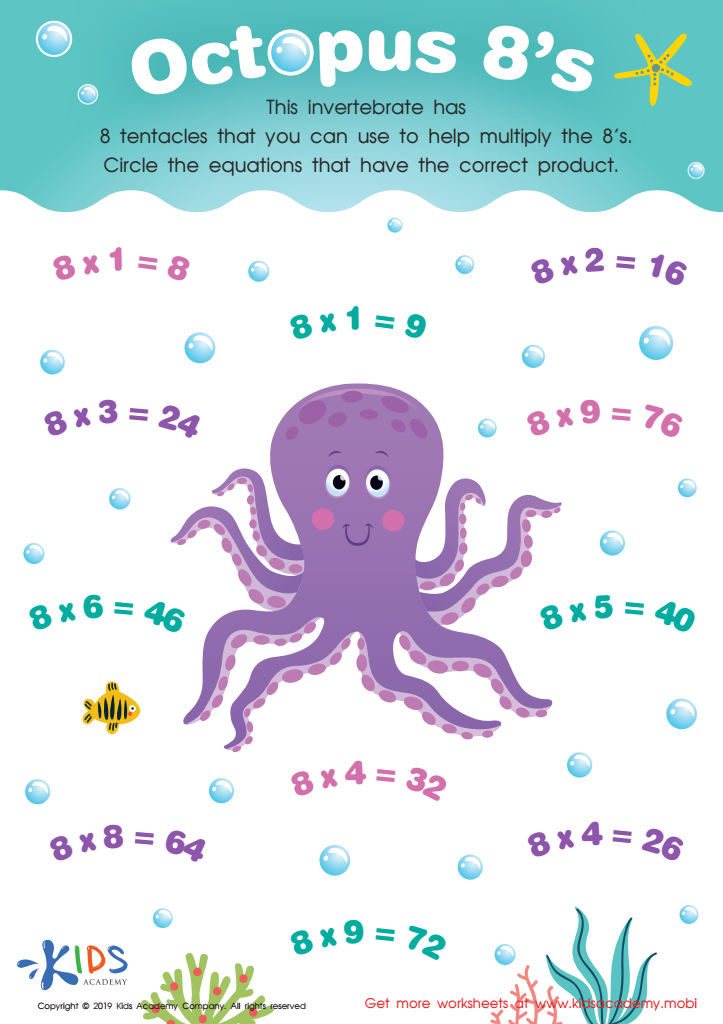
Octopus 8’s Worksheet
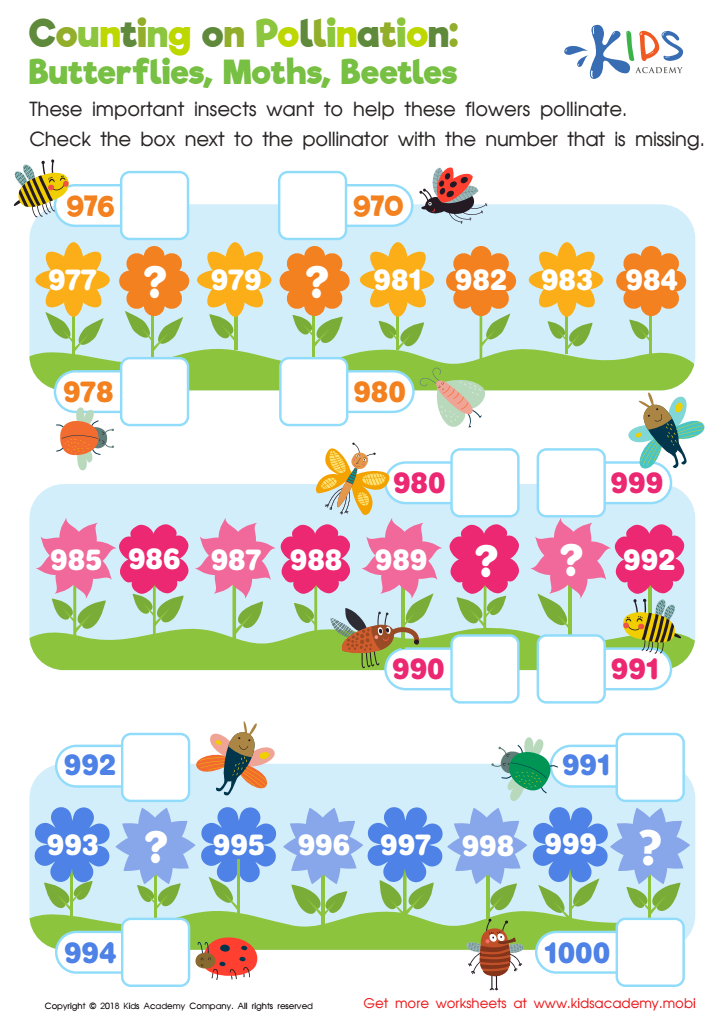
Counting on Pollination: Butterflies, Moths, Beetles Worksheet
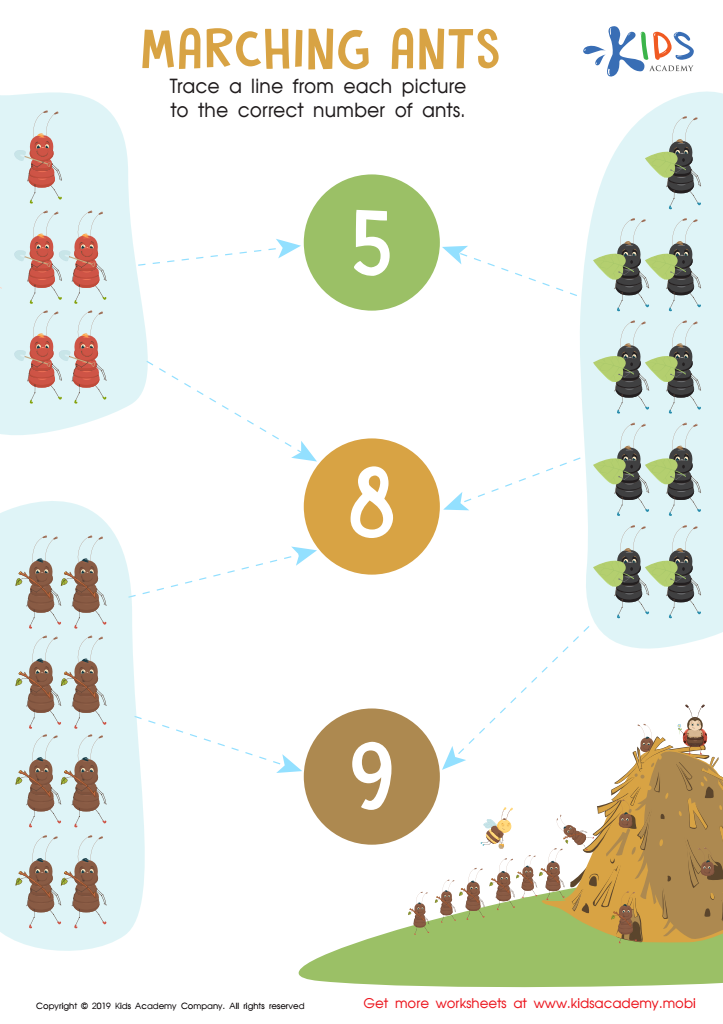
Marching Ants Worksheet
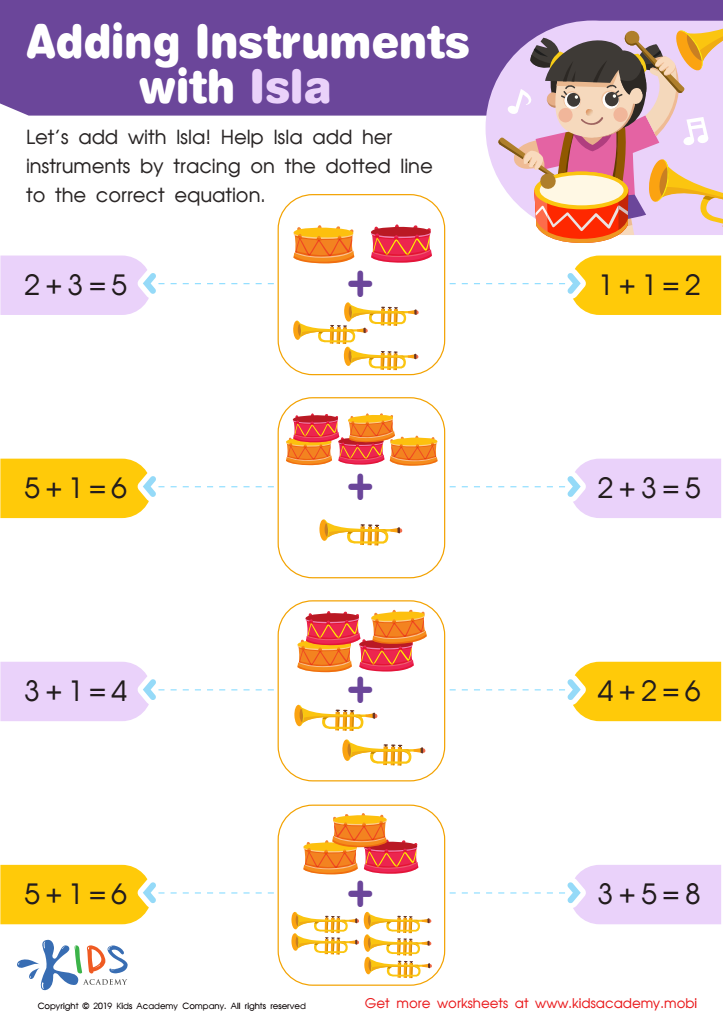
Adding Instruments with Isla Worksheet
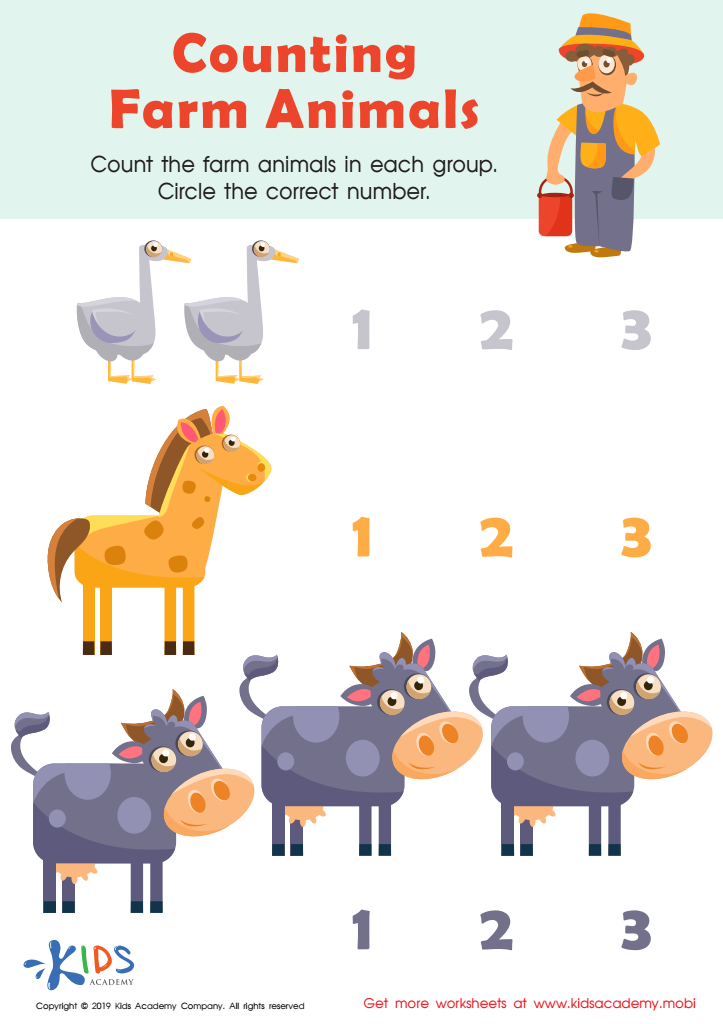
Counting Farm Animals Worksheet
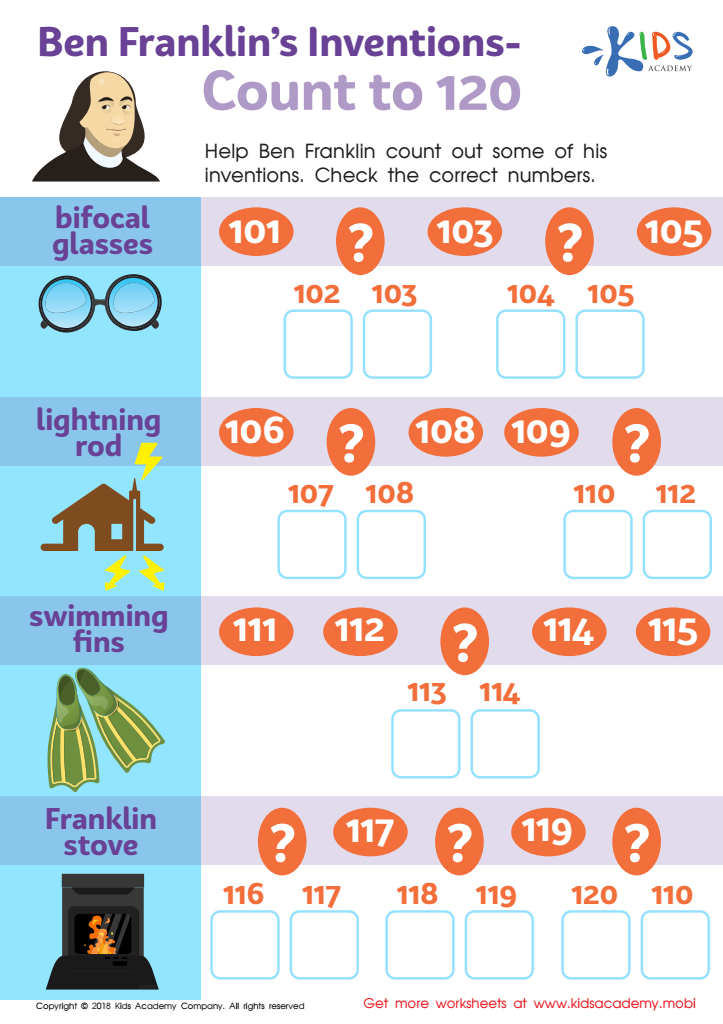
Ben Franklin’s Inventions – Count to 120 Worksheet








Counting practice is fundamental for young learners as it lays the groundwork for mathematical understanding and cognitive development. It helps children grasp the concept of numbers, promoting number recognition and valuation essential for later mathematical concepts. By engaging in counting activities, children enhance their fine motor skills, memory, and concentration, which collectively support their overall cognitive growth.
Moreover, counting practice nurtures essential lifelong skills. Mastering counting aids in logical thinking and problem-solving, key components in academic success across various subjects. It fosters a sense of rhythm and pattern recognition, which are both integral in activities like music and language development, ultimately supporting literacy skills.
Involving parents in counting activities not only reinforces the classroom learning experience, but also strengthens the parent-child bond through interactive play. Teachers should prioritize counting practice, as it encourages collaboration and community in learning environments, fostering a love for mathematics and inquiry.
Furthermore, ensuring that children have a strong foundation in counting can help to unveil potential learning difficulties early, allowing for timely interventions. Ultimately, counting practice is not merely about numbers; it’s about nurturing critical thinking, creativity, and confidence in very young learners that set the stage for future academic achievements.








