Hand-eye Coordination Normal Worksheets - Page 2
35 filtered results
-
From - To
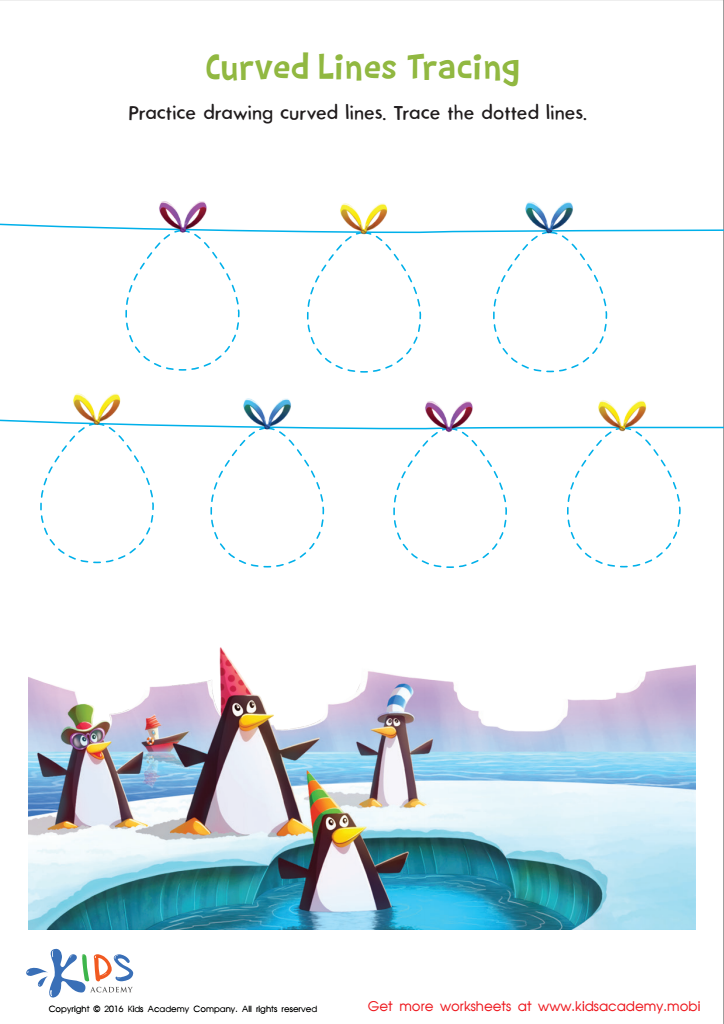
Curved Lines Tracing Worksheet
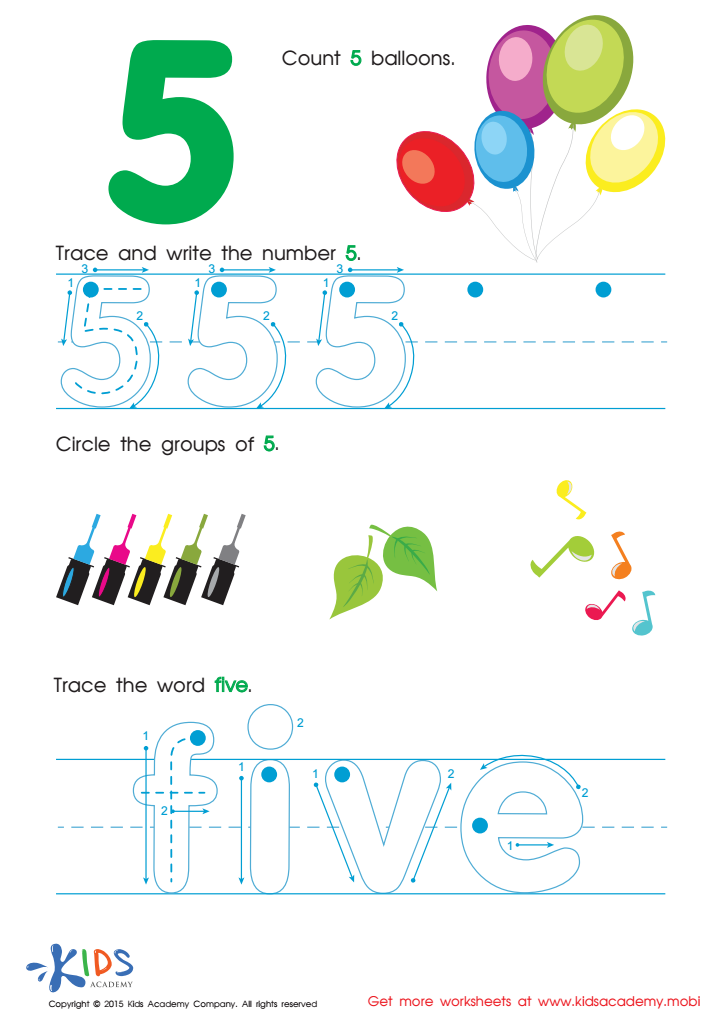
Practice Writing Number 5 Worksheet
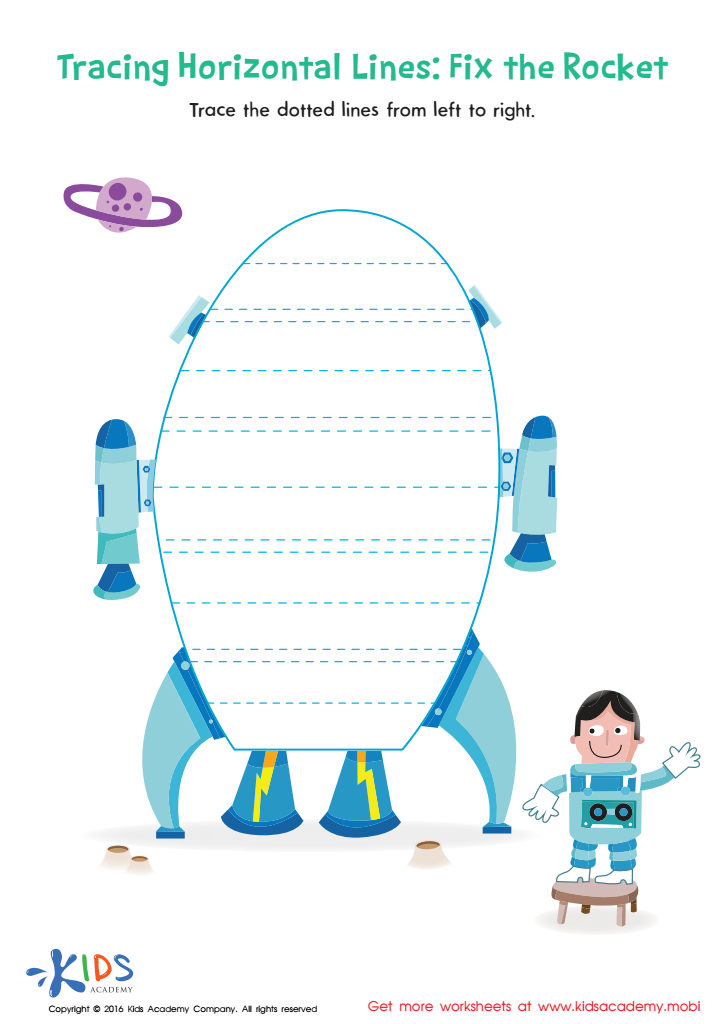
Tracing Horizontal Lines Worksheet
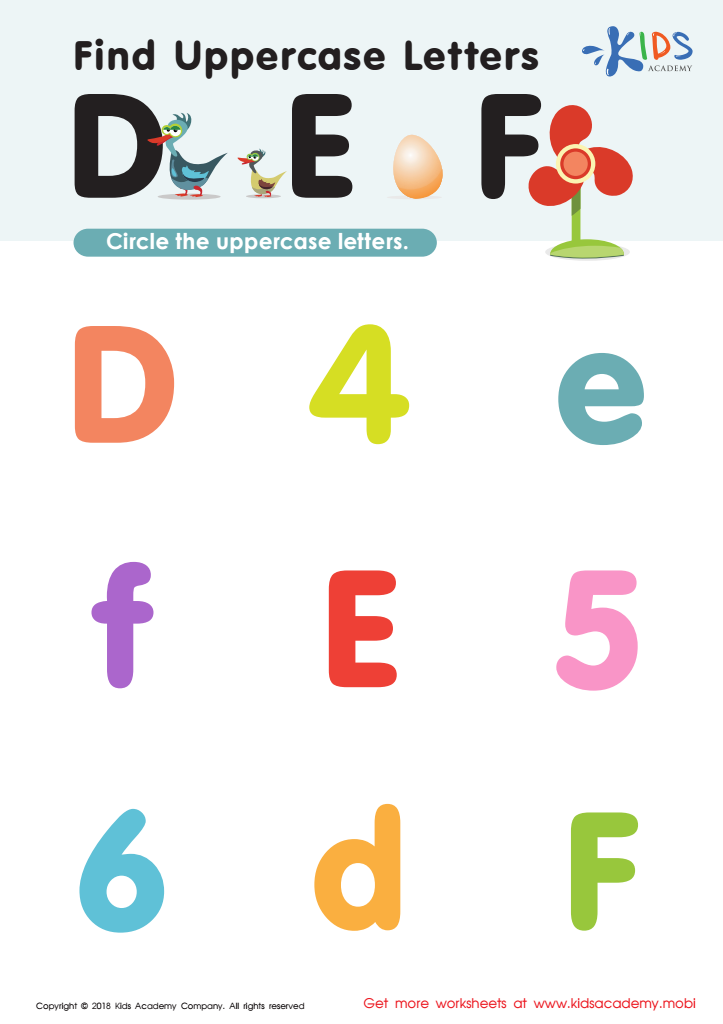
Find Uppercase Letters D, E, and F Worksheet
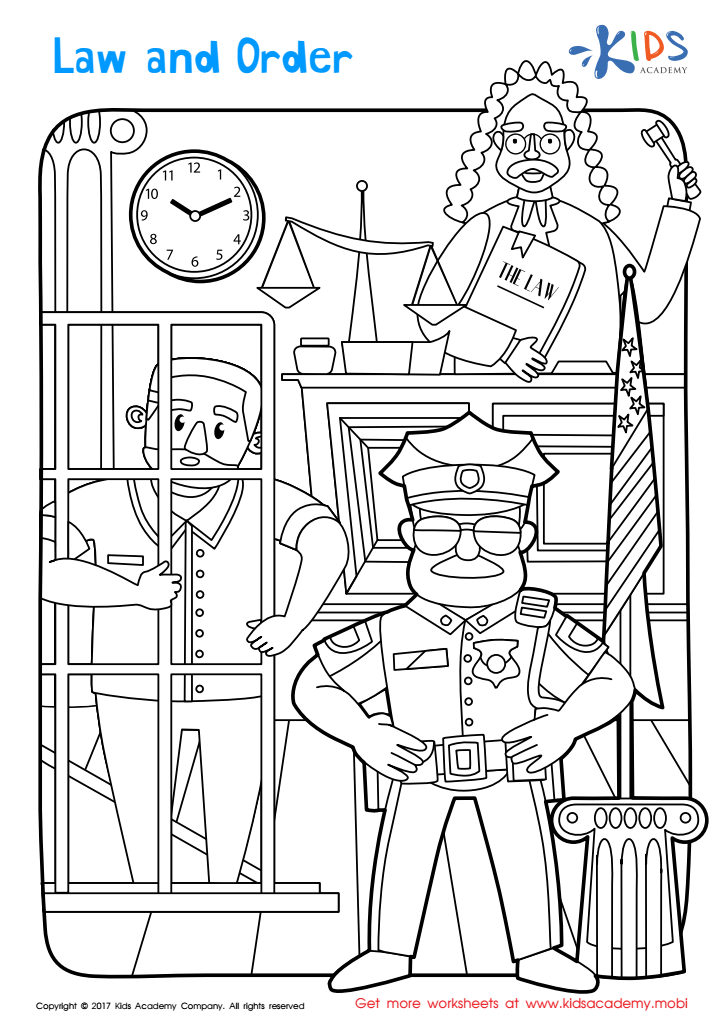
Law and Order Coloring Page Worksheet
 Assign to My Students
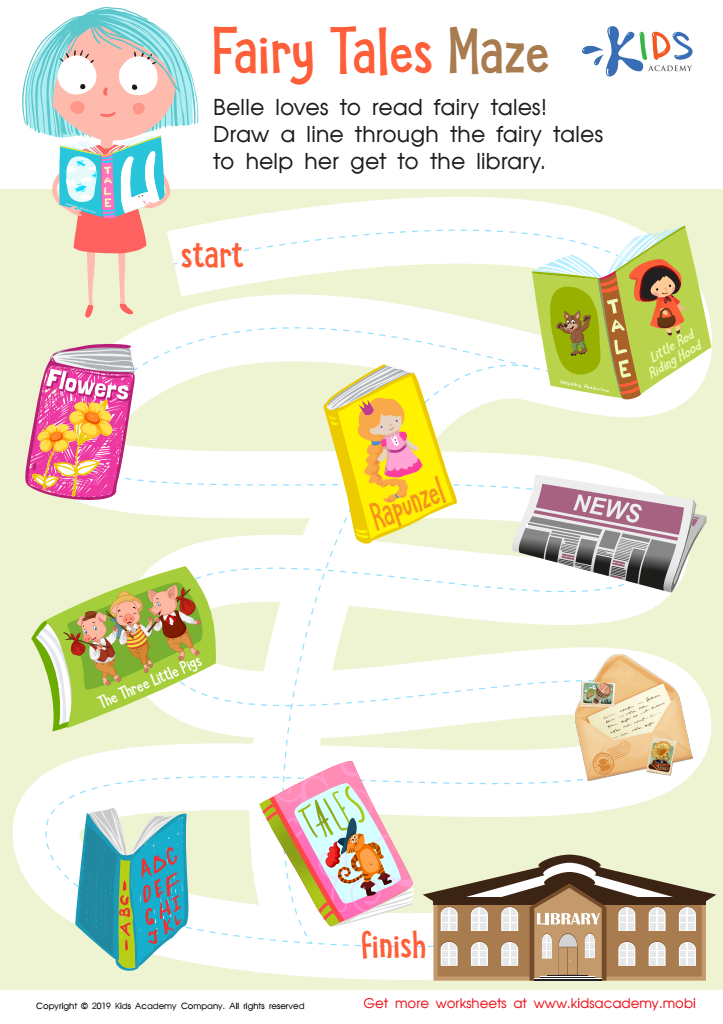
Fairy Tales Maze Worksheet
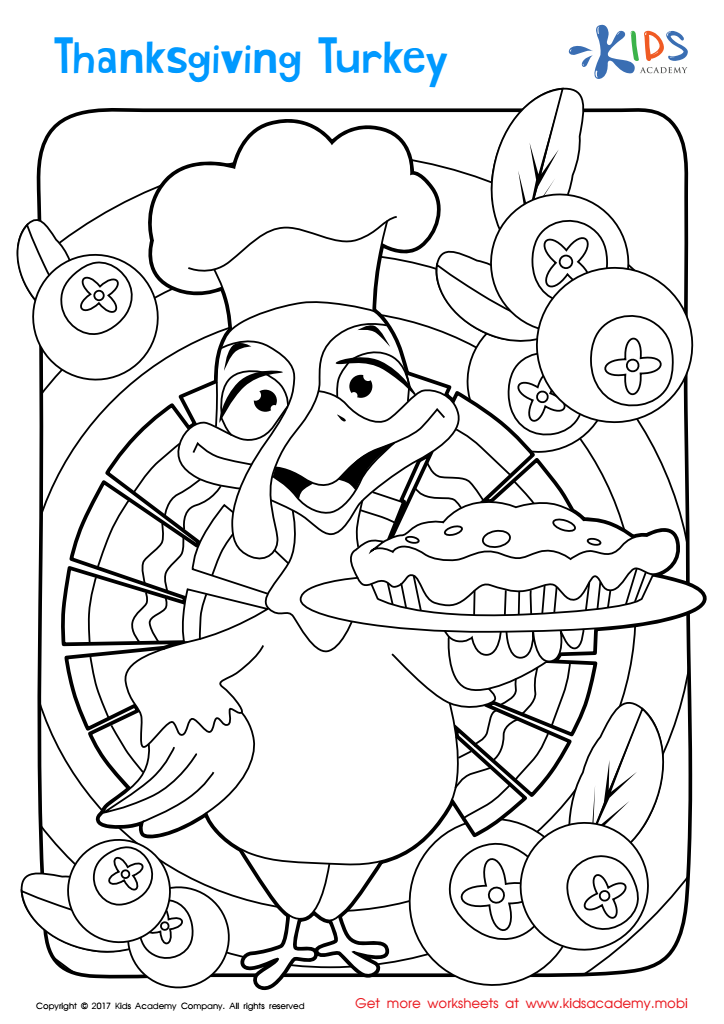
Turkey Thanksgiving Day Worksheet
Assign to My Students
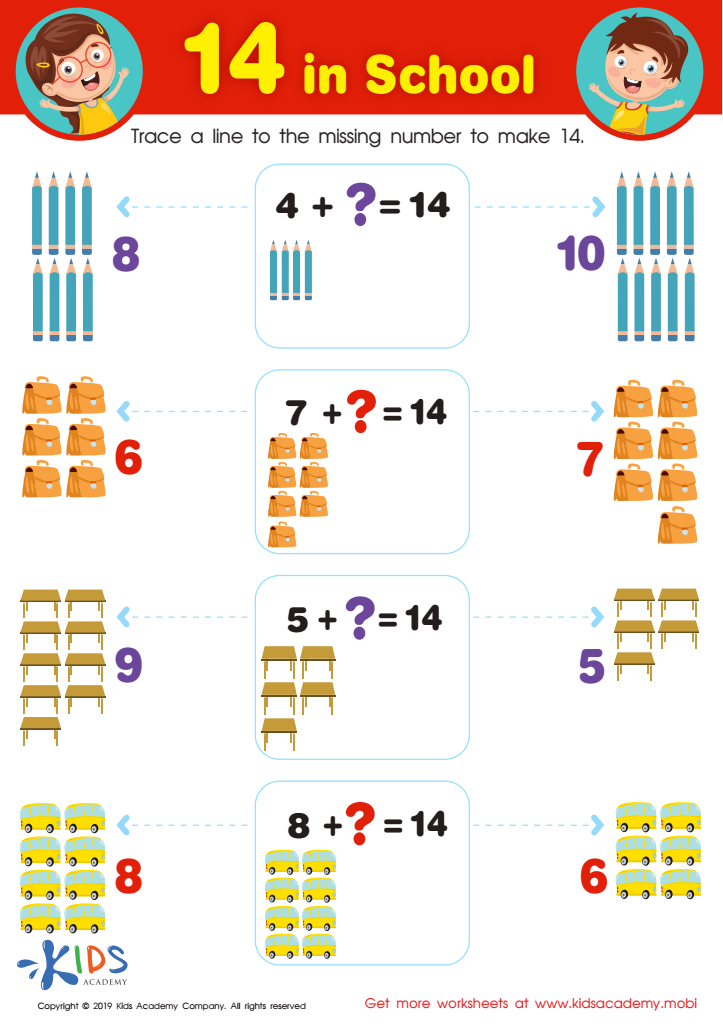
14 in School Worksheet
Tower Coloring Page
Assign to My Students
Long and Short E Worksheet
Assign to My Students

Letter D Tracing Page








Hand-eye coordination is a vital skill for children that enables them to efficiently use their vision to guide their hands in performing tasks. Parents and teachers should care about its development because it lays the groundwork for success in both academic and everyday activities. For instance, children with good hand-eye coordination find it easier to write, draw, and cut with scissors, which are essential tasks in early school years. These skills not only contribute to academic achievements but also boost a child's confidence and foster a love for learning.
Beyond the classroom, hand-eye coordination influences physical activities like catching a ball, tying shoelaces, and using utensils. Mastery of these activities promotes independence and enhances a child’s ability to participate fully in various social interactions. Furthermore, developing this coordination can improve focus and attention span, as these tasks often require multi-sensory integration.
Monitoring and encouraging activities such as puzzles, building blocks, and certain sports can help reinforce this skill. If children struggle with hand-eye coordination, early intervention by parents and teachers can provide strategies and exercises to assist them. Overall, paying attention to the development of hand-eye coordination helps ensure holistic growth, aiding academic progress, physical dexterity, and emotional well-being.








