Improving categorization skills Normal Worksheets
3 filtered results
-
From - To
Level up your child's cognitive abilities with our "Improving Categorization Skills Normal Worksheets" from Kids Academy. These engaging and diverse worksheets are expertly crafted to enhance your child's ability to classify and categorize objects based on different attributes, such as size, shape, and color. Whether at home or in the classroom, these worksheets promote critical thinking, attention to detail, and problem-solving skills in a fun and interactive way. Perfect for early learners, our categorization worksheets lay a strong foundation for future academic success. Visit Kids Academy today to give your child the tools they need to excel!
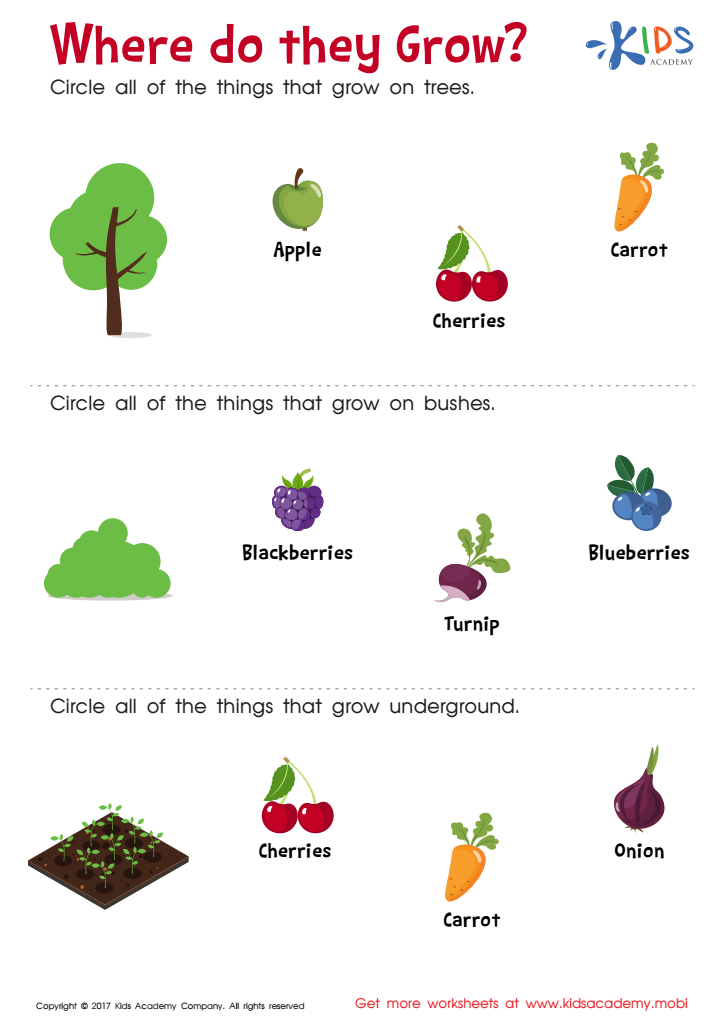
Where Do They Grow Worksheet
 Assign to My Students
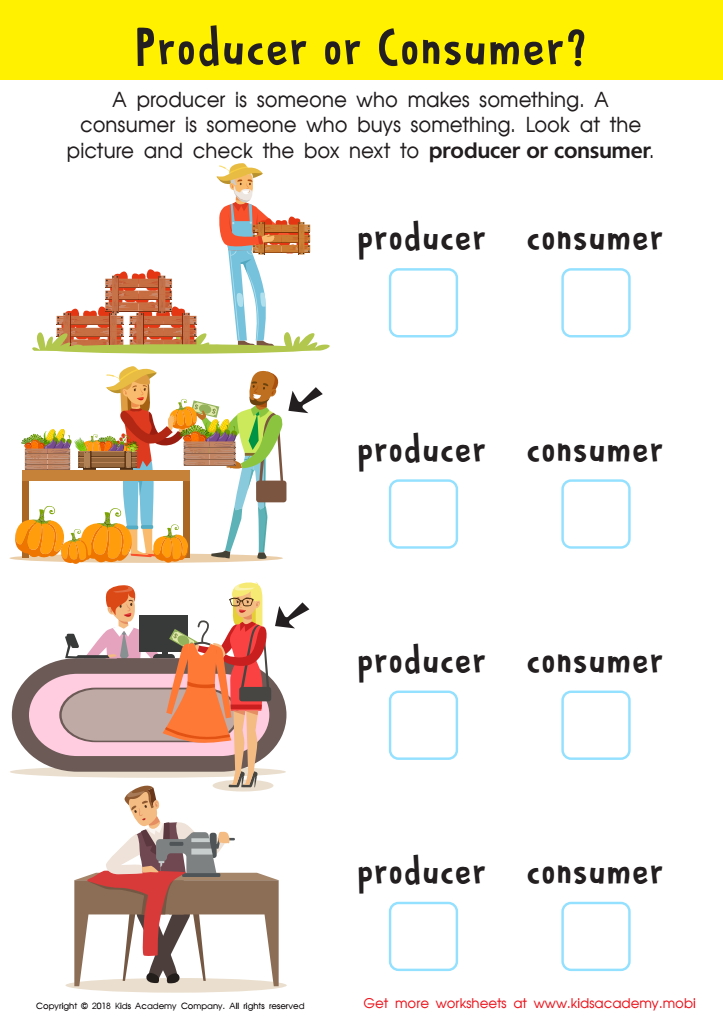
Producer or Consumer? Worksheet
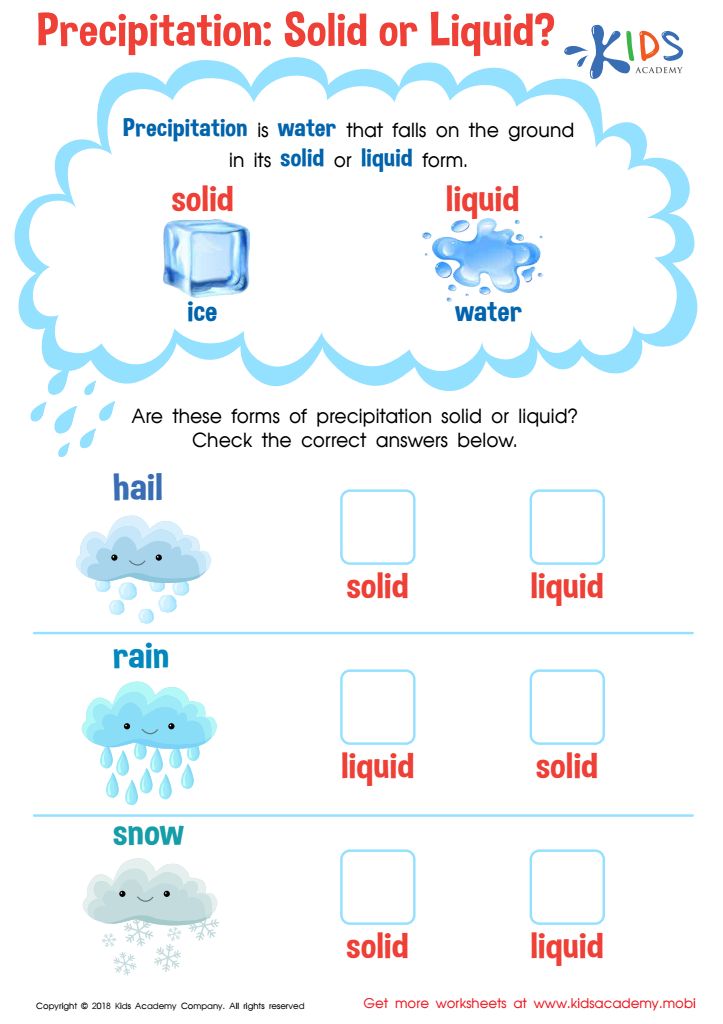
Precipitation: Solid or Liquid? Worksheet





Improving categorization skills is crucial for young learners because it lays the foundation for critical thinking and learning efficiency. Categorization is the ability to group items based on shared characteristics, and it helps children organize information in a meaningful way. When children learn to categorize, they can better understand and remember new information, which enhances their cognitive development.
For example, categorization helps children in reading and comprehension. When they can recognize that certain words belong to a specific group—such as animals, colors, or shapes—they can more easily understand sentences and stories. Additionally, these skills are essential for problem-solving in subjects like math and science, where they might need to classify objects, numbers, or even natural phenomena.
Moreover, strong categorization skills aid in social development. Children who can group behaviors, emotions, or social scenarios can navigate social interactions more effectively, recognizing how to act or respond in various situations.
For teachers and parents, focusing on improving these skills means supporting children’s ability to make sense of the world around them. Activities like sorting games, puzzles, and group discussions can be both fun and educational, providing children with the tools they need to succeed both academically and socially. This foundational skill nurtures lifelong learning and adaptability.








