Logical Reasoning Normal Worksheets - Page 2
34 filtered results
-
From - To
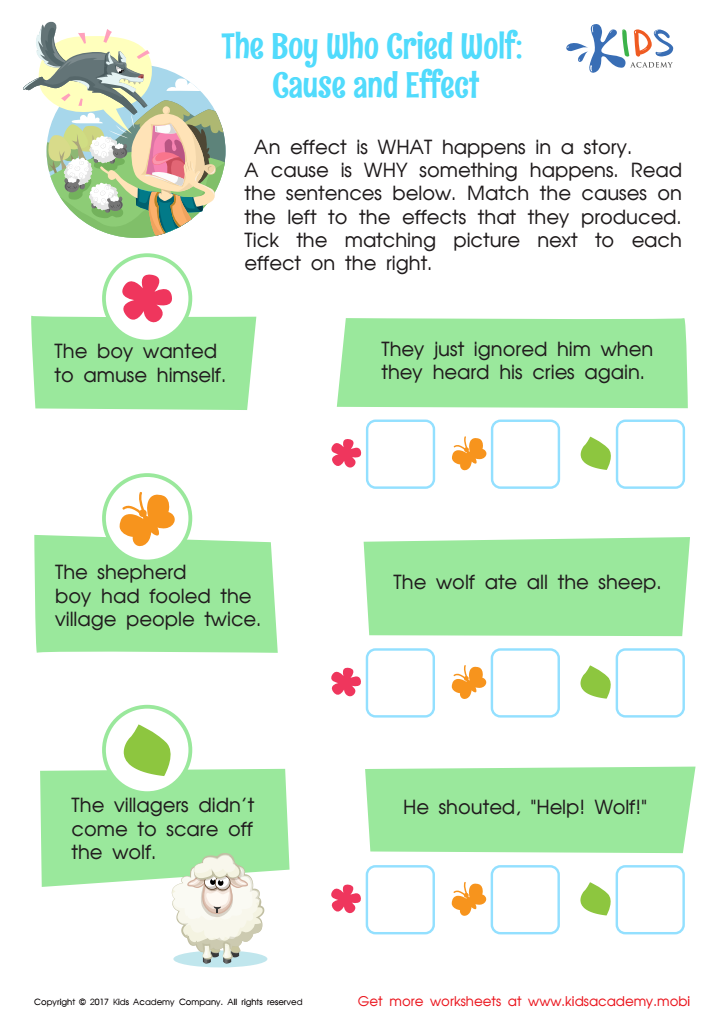
The Boy Who Cried Wolf: Cause and Effect Worksheet
 Assign to My Students
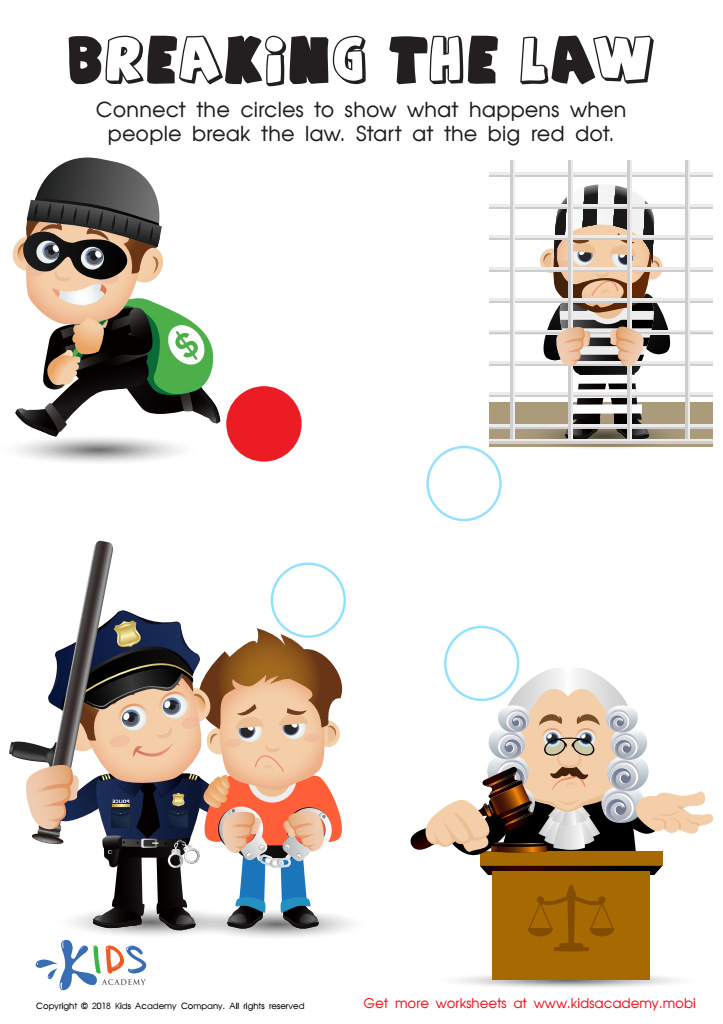
Breaking the Law Worksheet
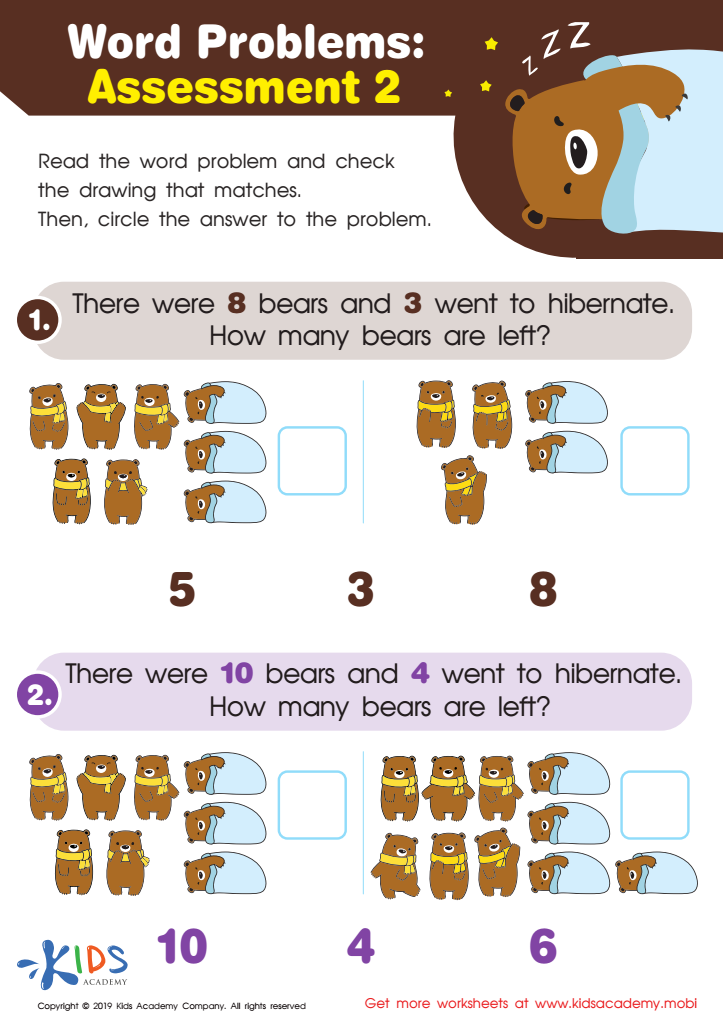
Word Problems: Assessment 2 Worksheet
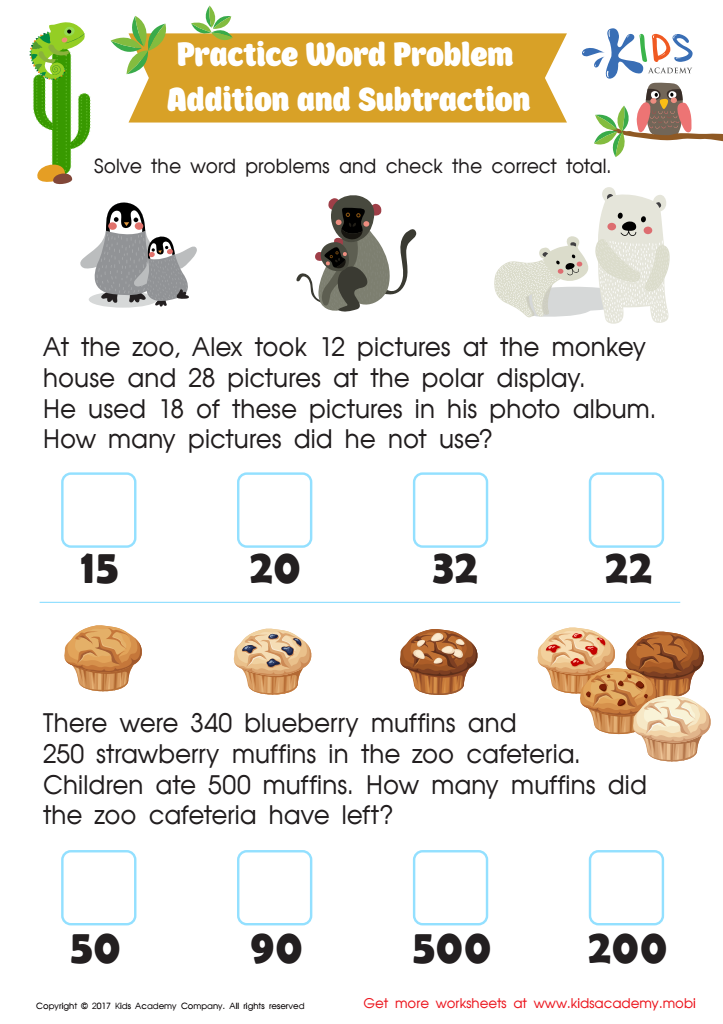
Addition and Subtraction: Word Problems Worksheet
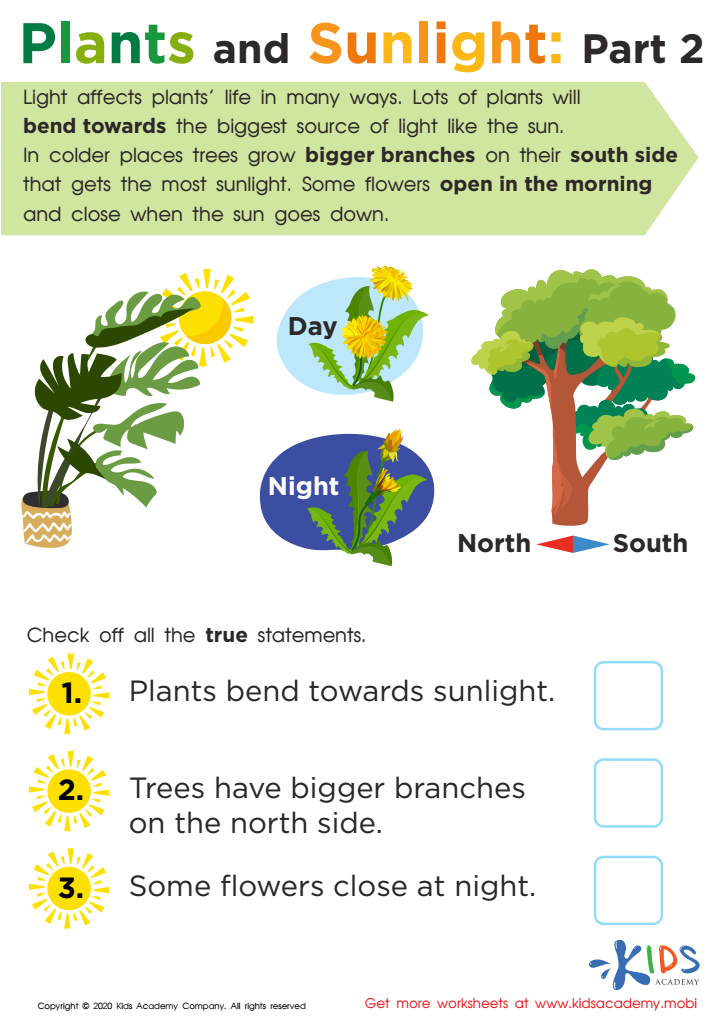
Plants and Sunlight: Part 2 Worksheet
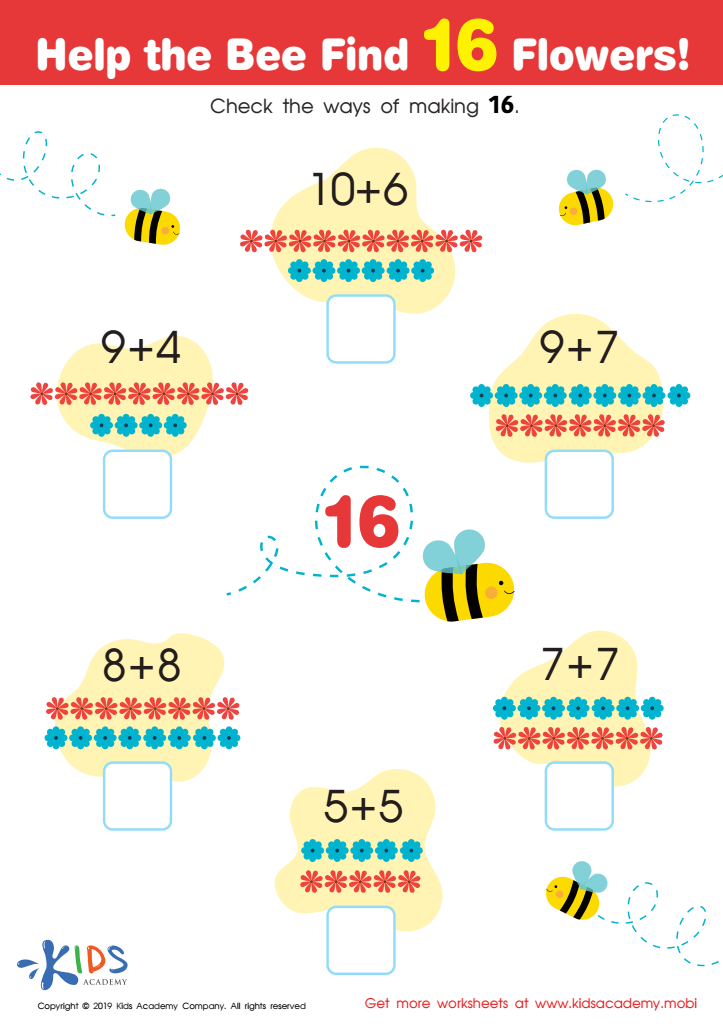
Help the Bee Find 16 Flowers Worksheet
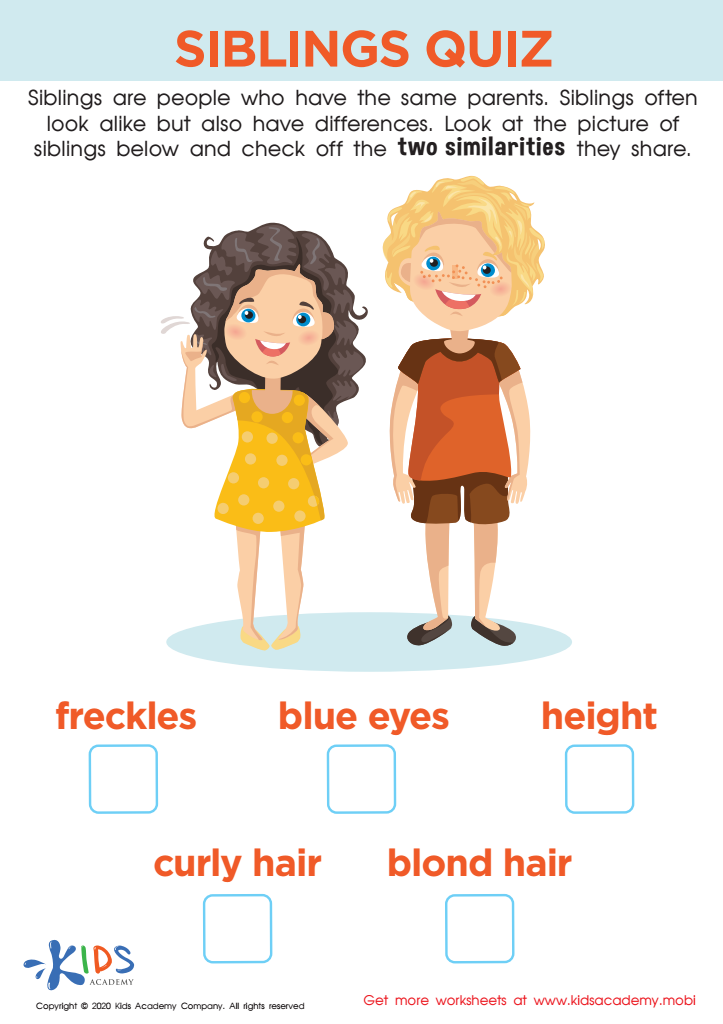
Siblings Quiz Worksheet
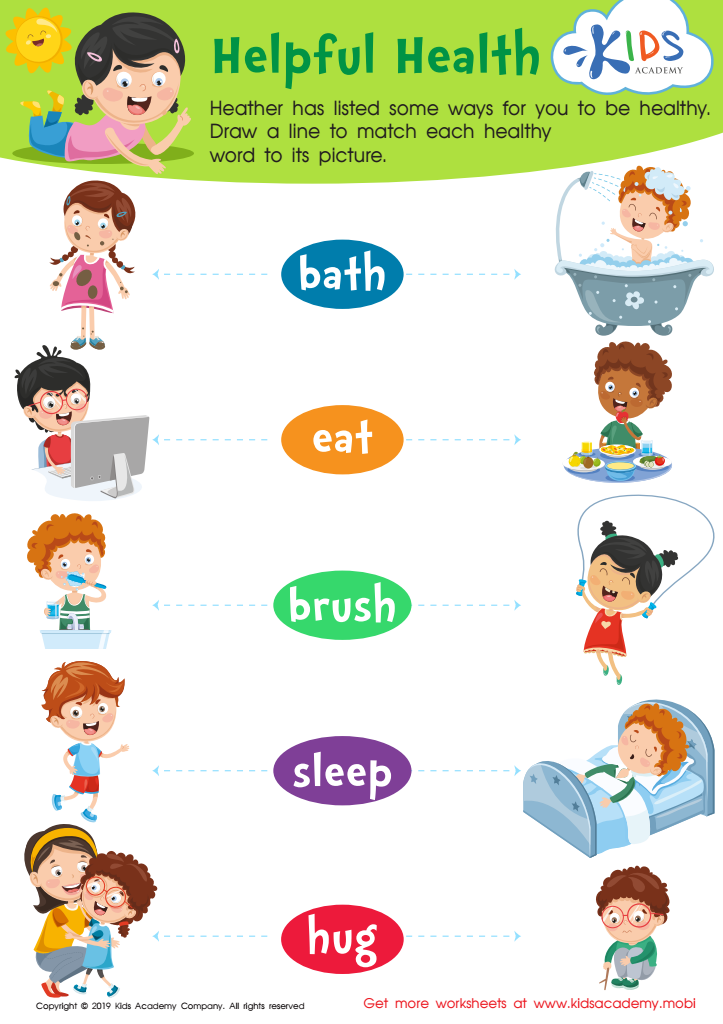
Helpful Health Worksheet
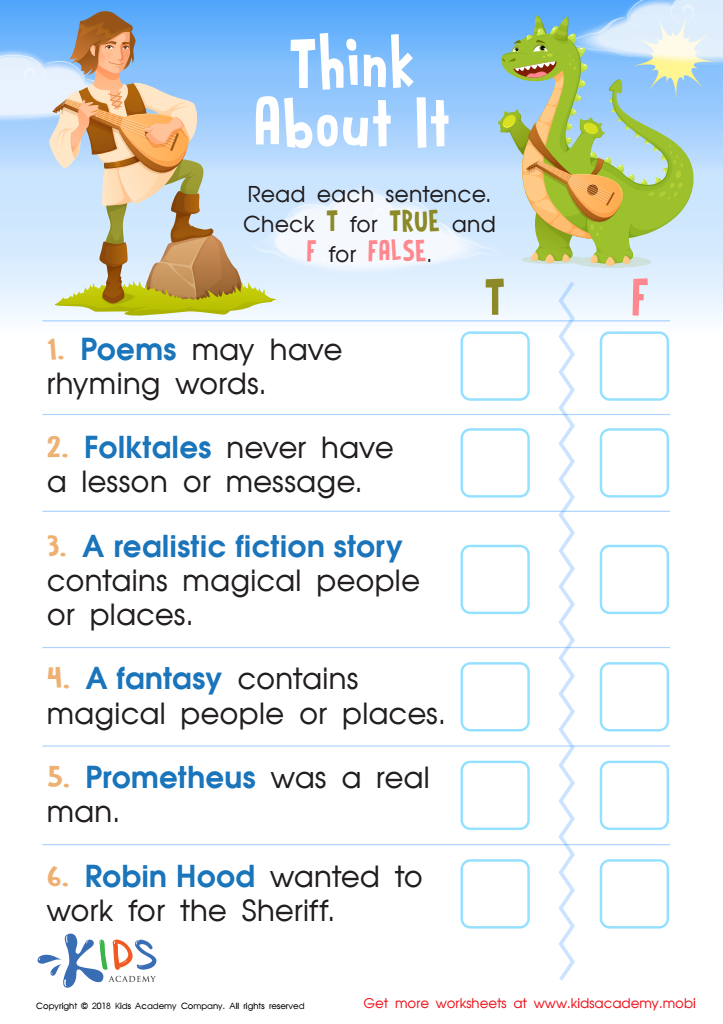
Think About It: Assessment Worksheet
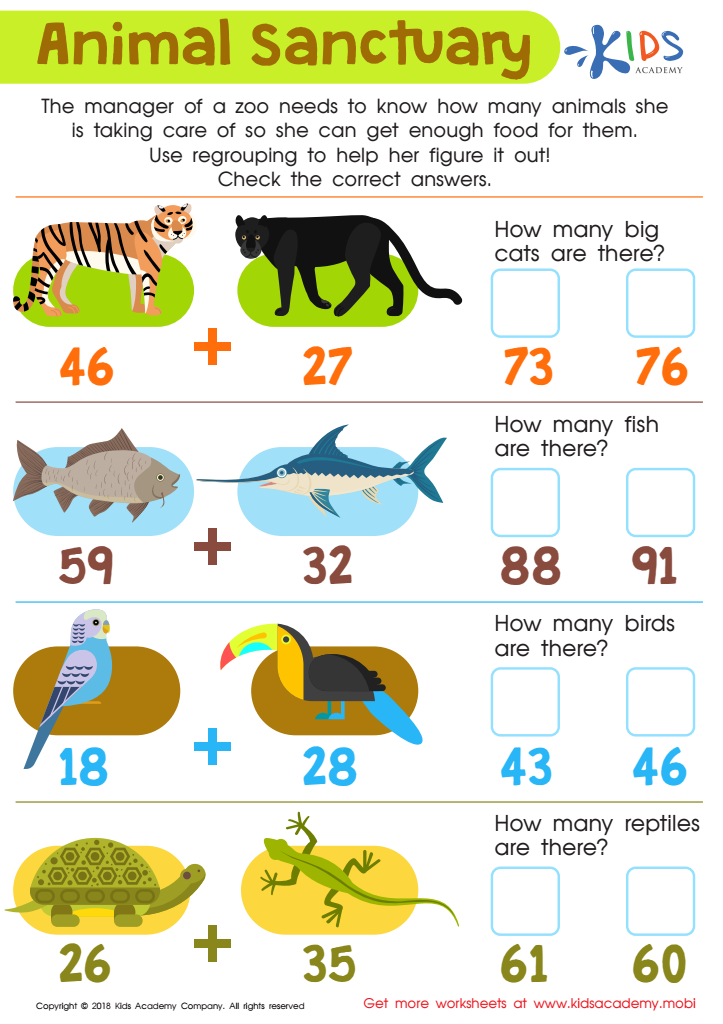
Animal Sanctuary Worksheet







Logical reasoning is a foundational skill that enhances a child's ability to think critically, solve problems, and make informed decisions. For parents and teachers, fostering this skill is crucial as it helps children understand cause-and-effect relationships and develop a systematic approach to interpreting information.
When children engage in logical reasoning tasks, they learn to analyze situations, identify patterns, and draw conclusions based on evidence. This cognitive process cultivates their ability to question assumptions, consider multiple perspectives, and apply logical processes to various aspects of life, including academics, social interactions, and future career choices.
Moreover, strengthening logical reasoning ties closely to success in subjects like mathematics and science, which rely heavily on problem-solving and analytical skills. It also equips children with the confidence to approach challenging situations with a structured mindset, promoting resilience.
Ultimately, advocating for logical reasoning in learning environments means promoting a lifelong love for inquiry and critical thinking. By prioritizing these skills, parents and teachers help create well-rounded individuals prepared to navigate a complex world, nurturing not just academic excellence but also thoughtful, active participation in society. Therefore, investing in logical reasoning is essential for holistic child development.








