Number Recognition Normal Worksheets - Page 4
132 filtered results
-
From - To
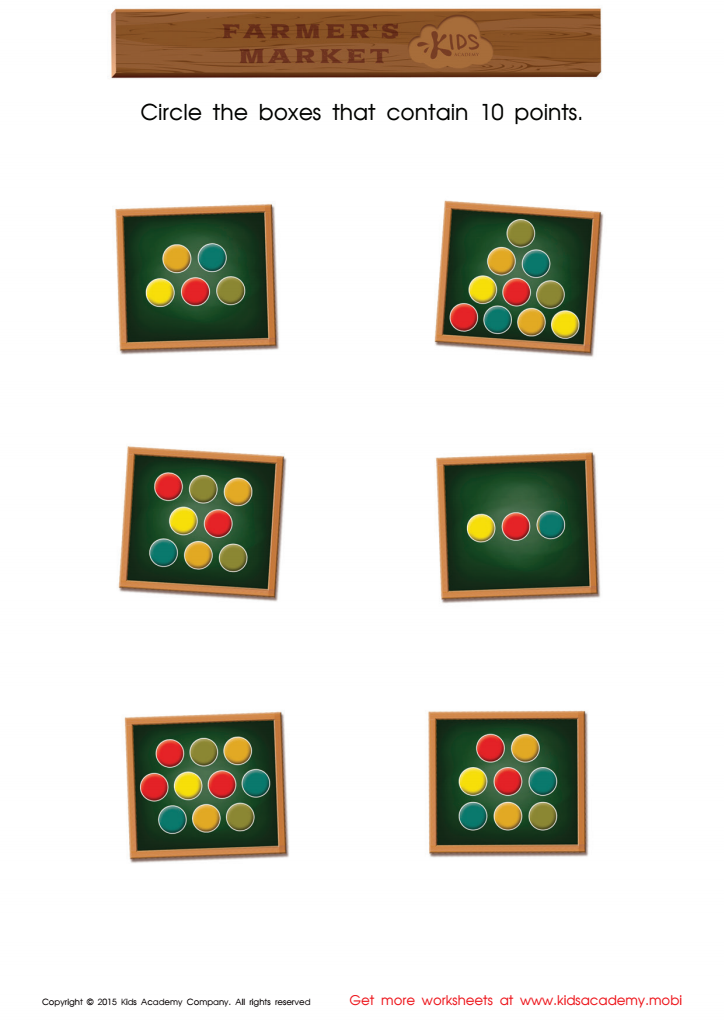
Count and Match Points 10 Math Worksheet
 Assign to My Students
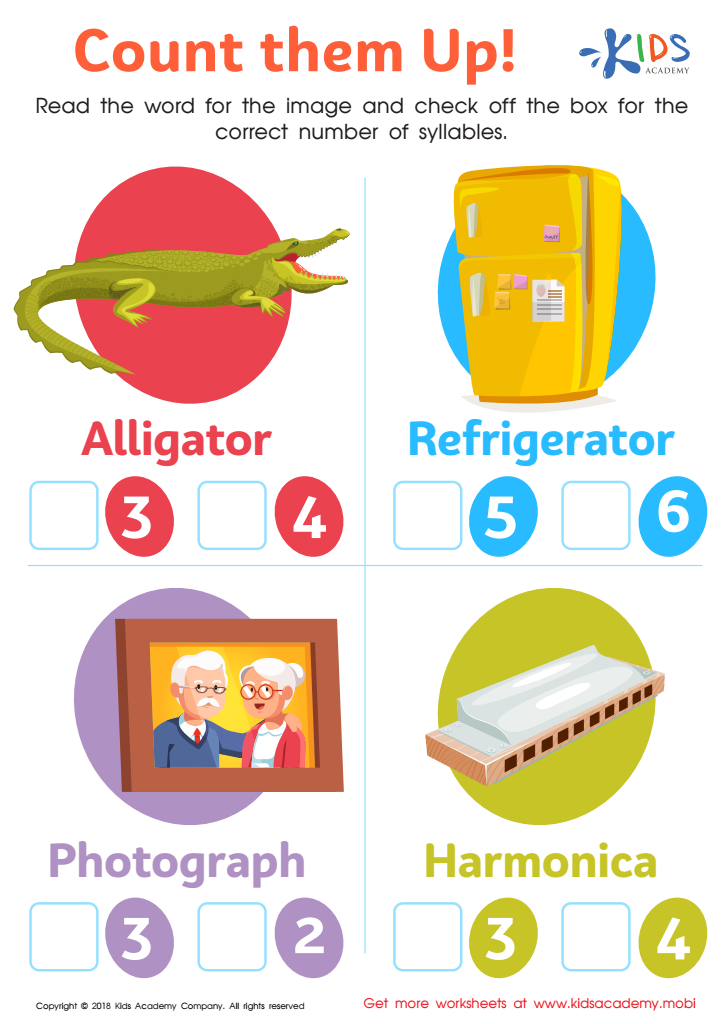
Count Them Up Worksheet
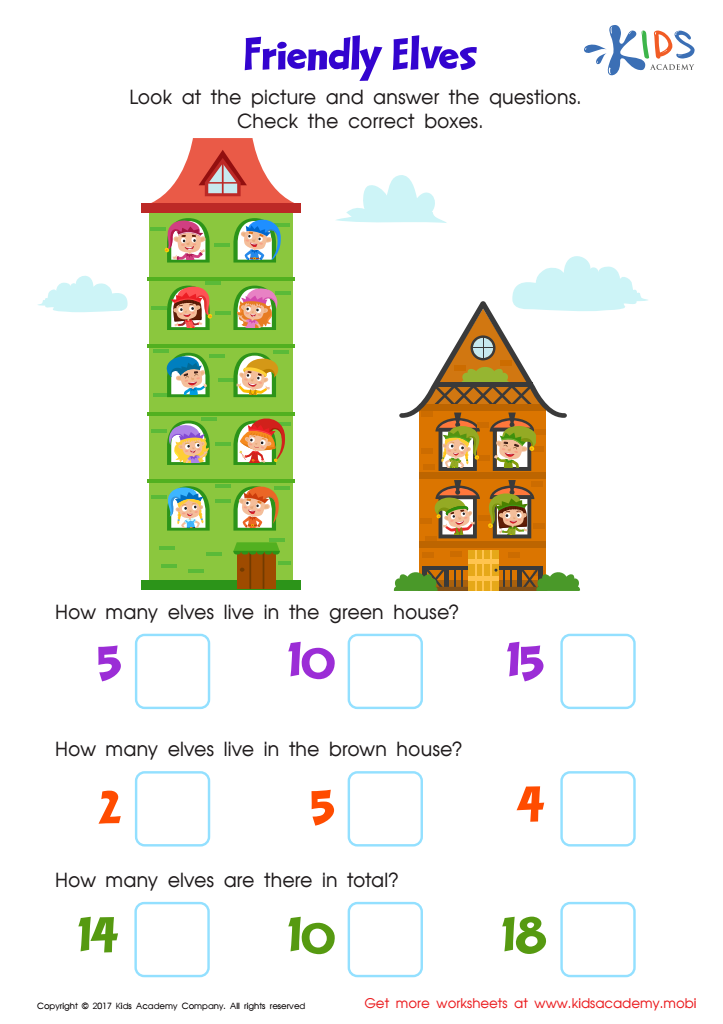
Place Value: Friendly Elves Worksheet
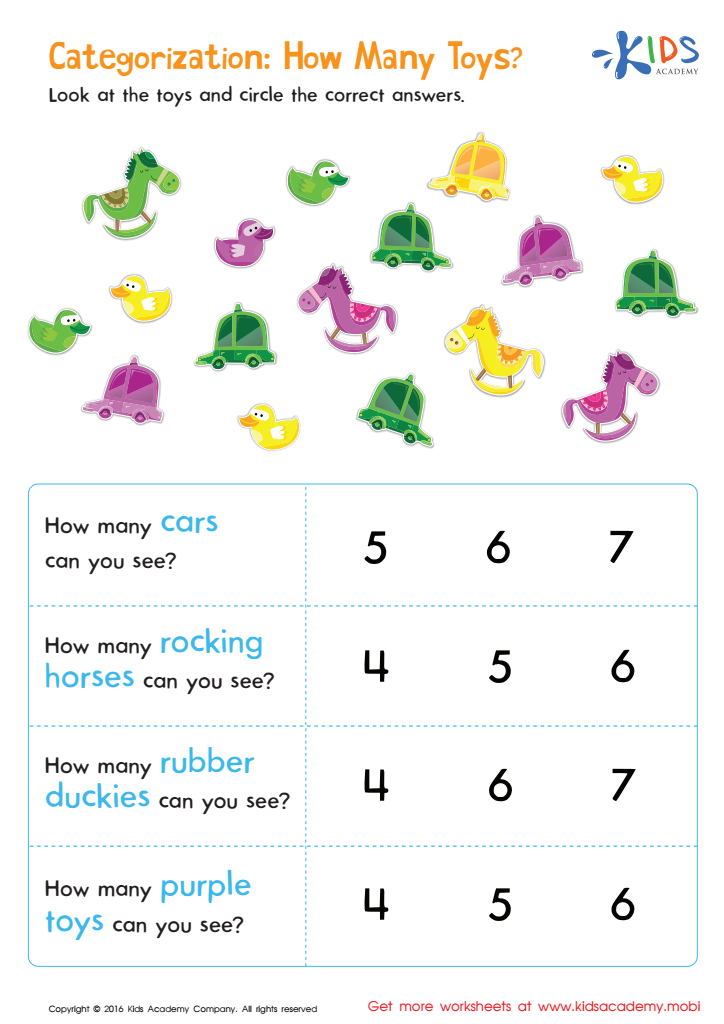
Classifying Toys by Type and Color Sorting Worksheet
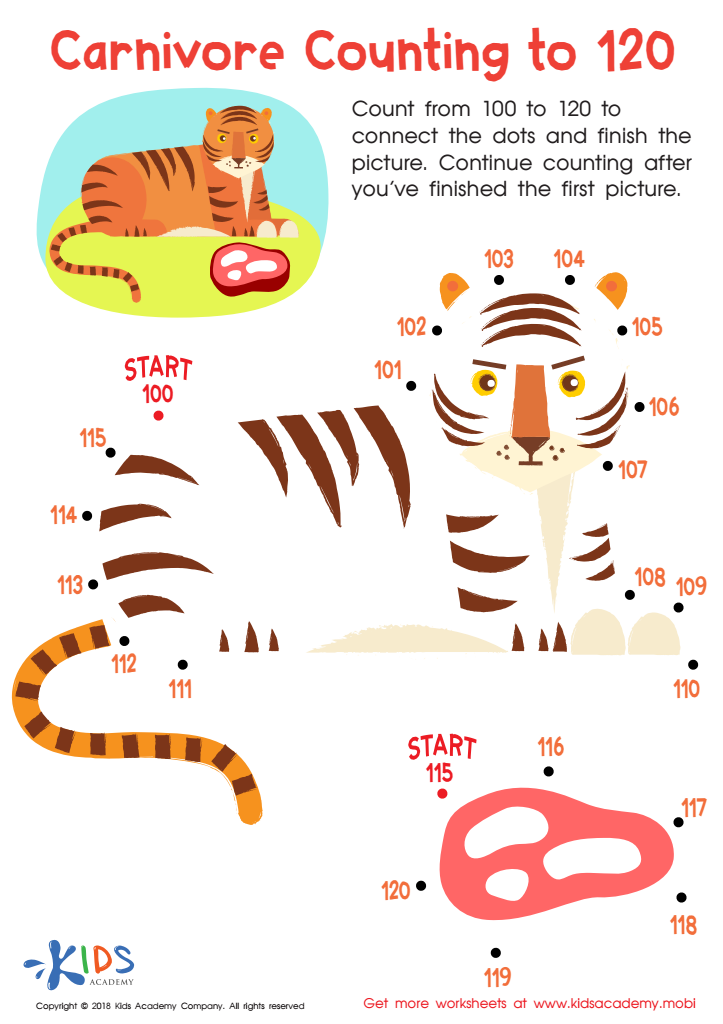
Carnivore Counting to 120 Worksheet
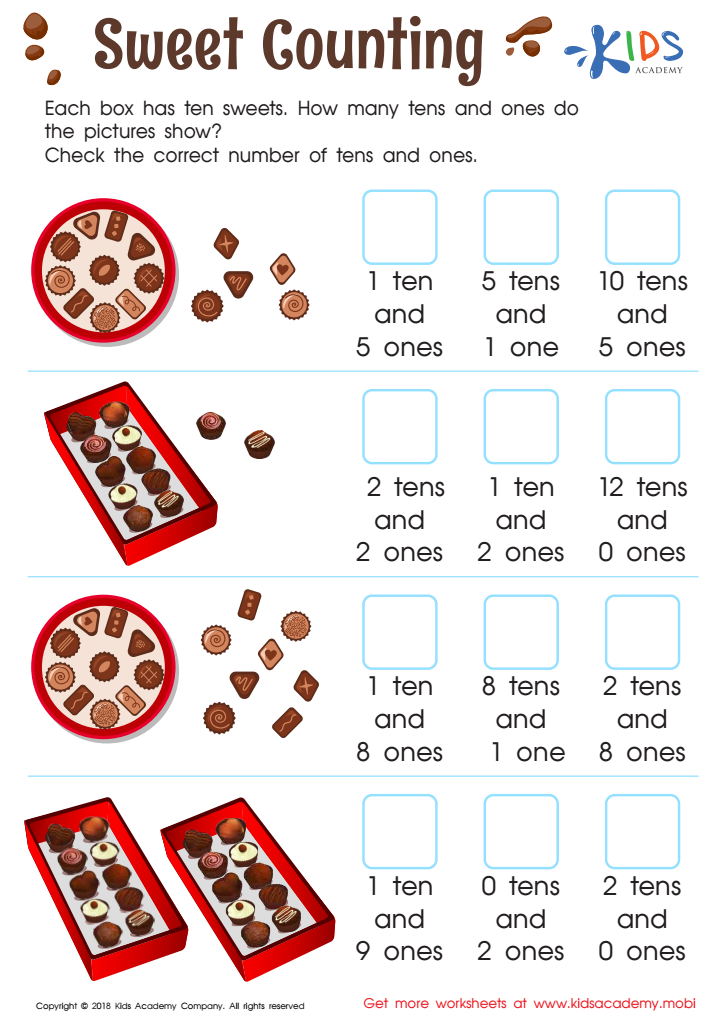
Sweet Counting - Part 2 Worksheet
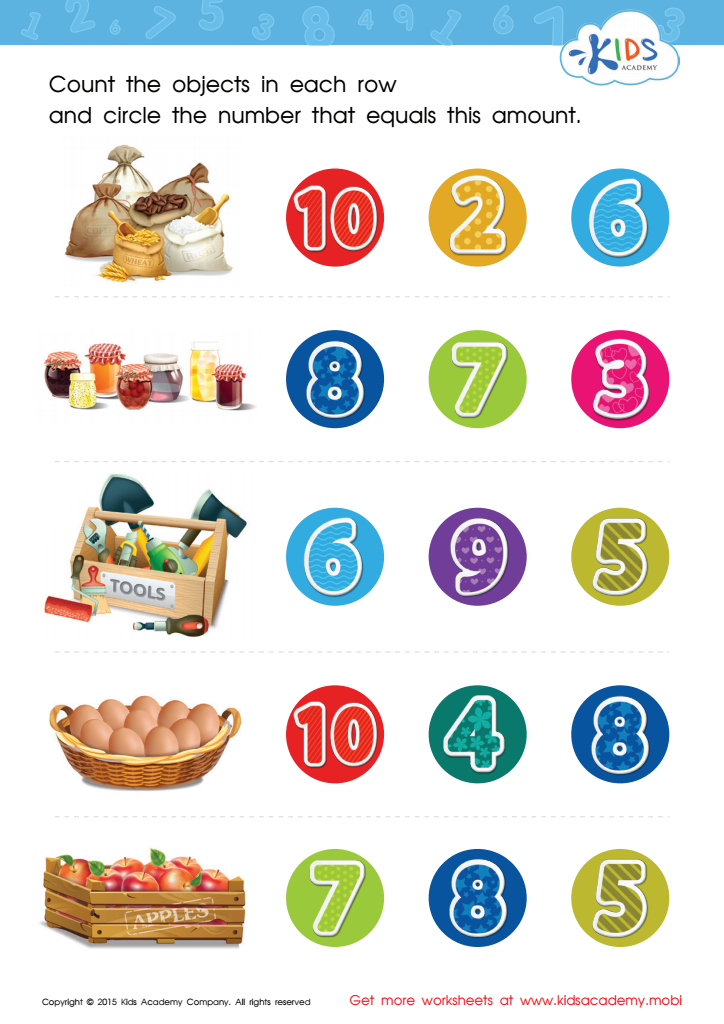
Count and Match 6 – 10 Math Worksheet
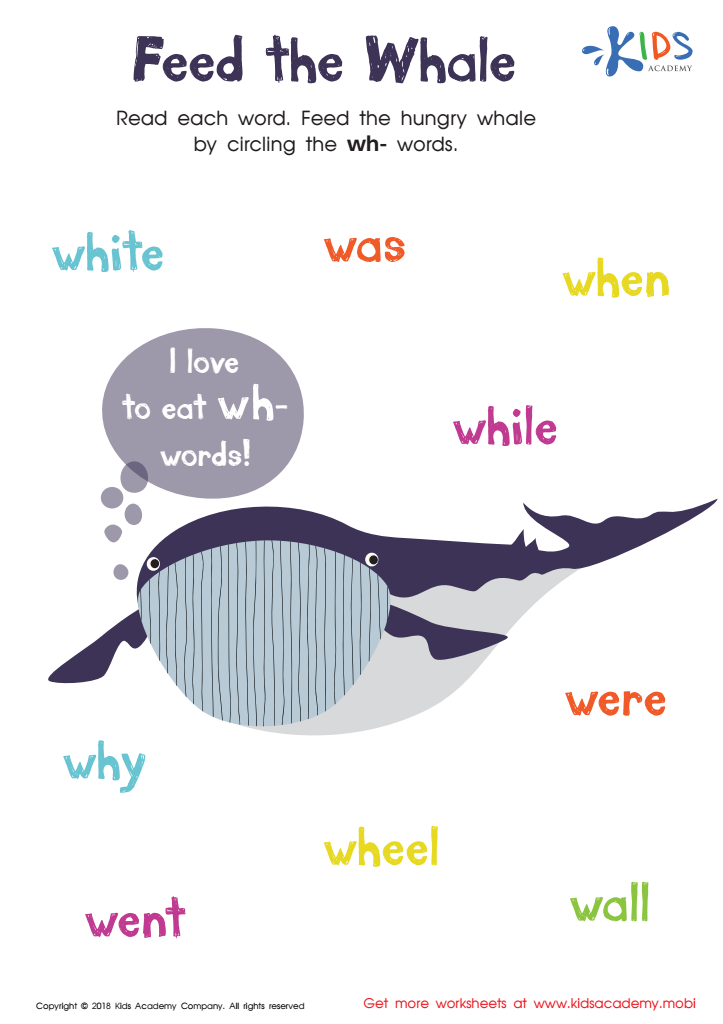
Feed the Whale Worksheet
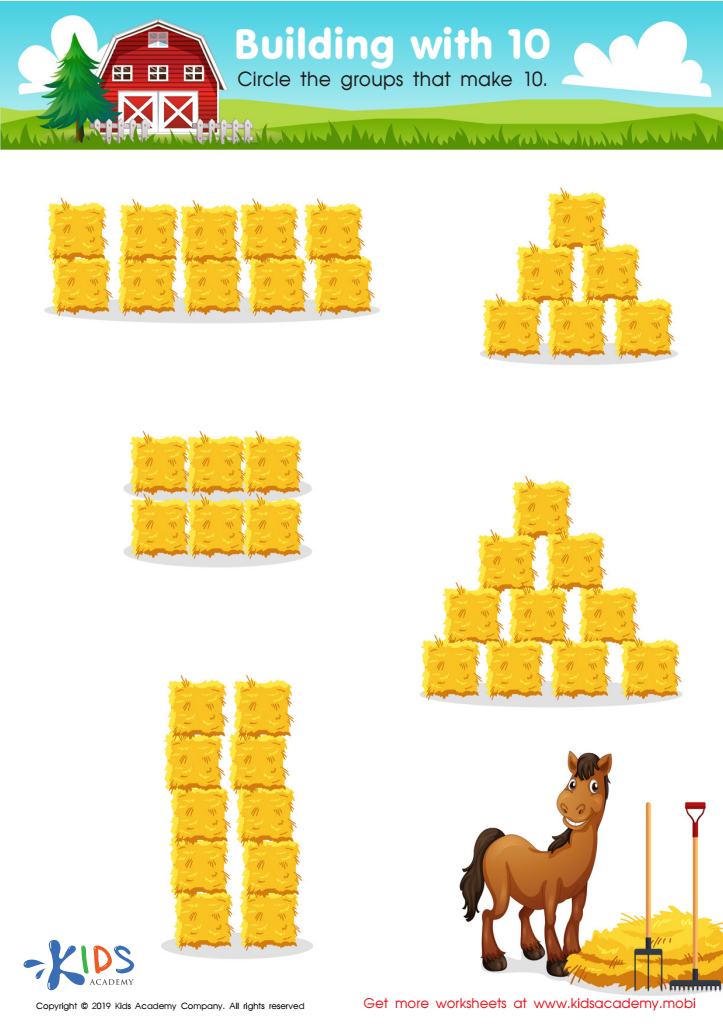
Building with 10 Worksheet
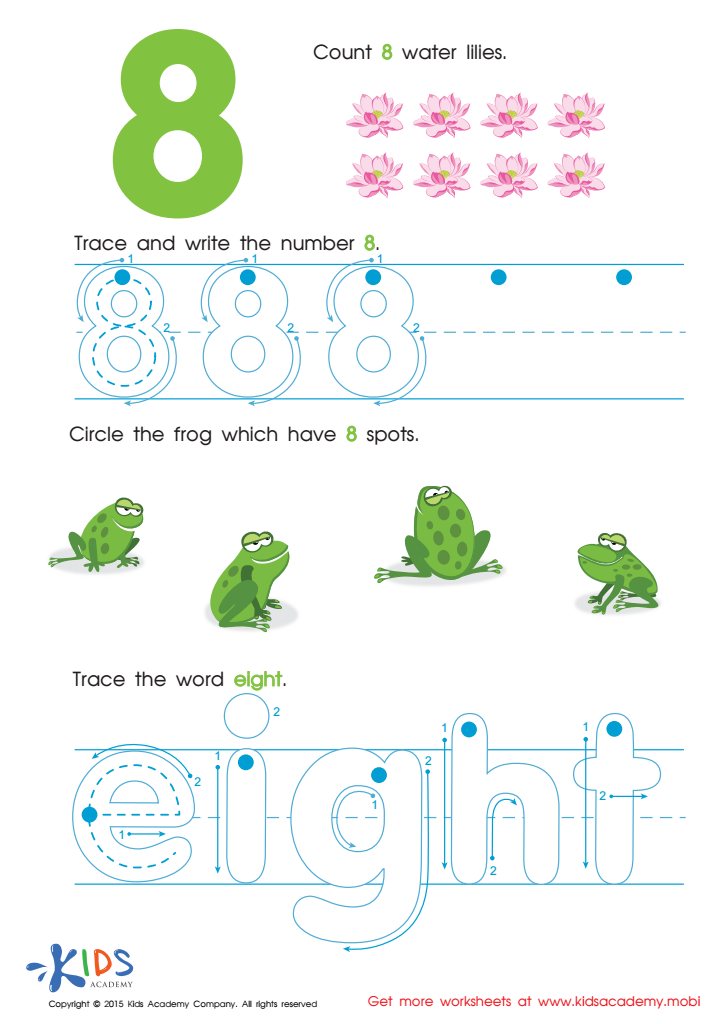
Learn Number 8 Easily Worksheet
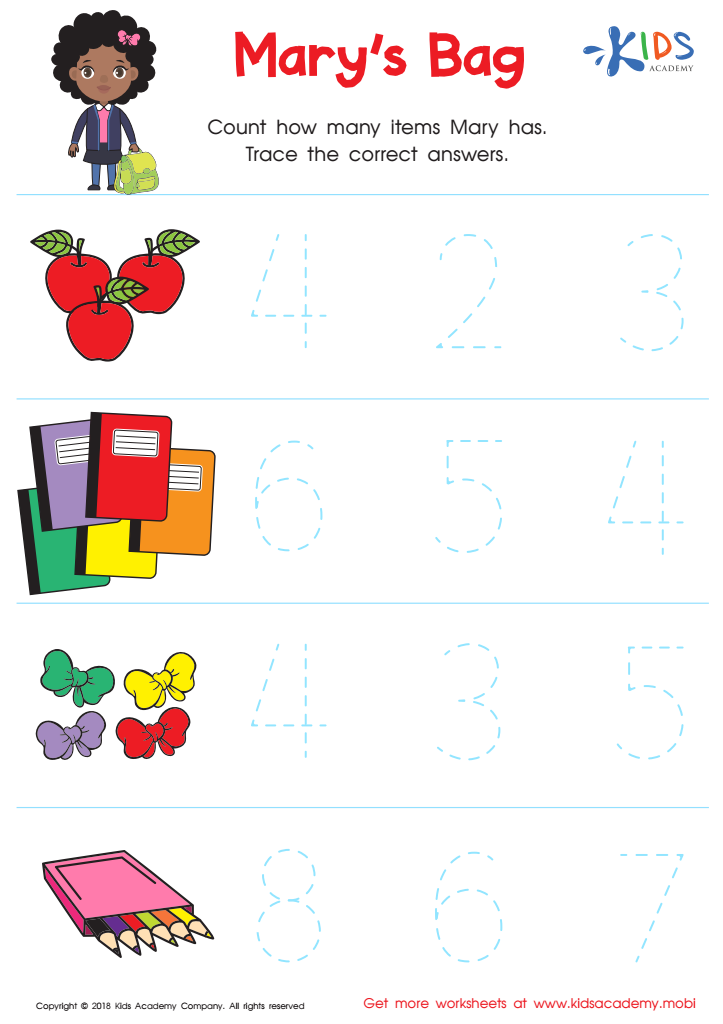
Kindergarten Number Tracing: Mary's Bag Worksheet
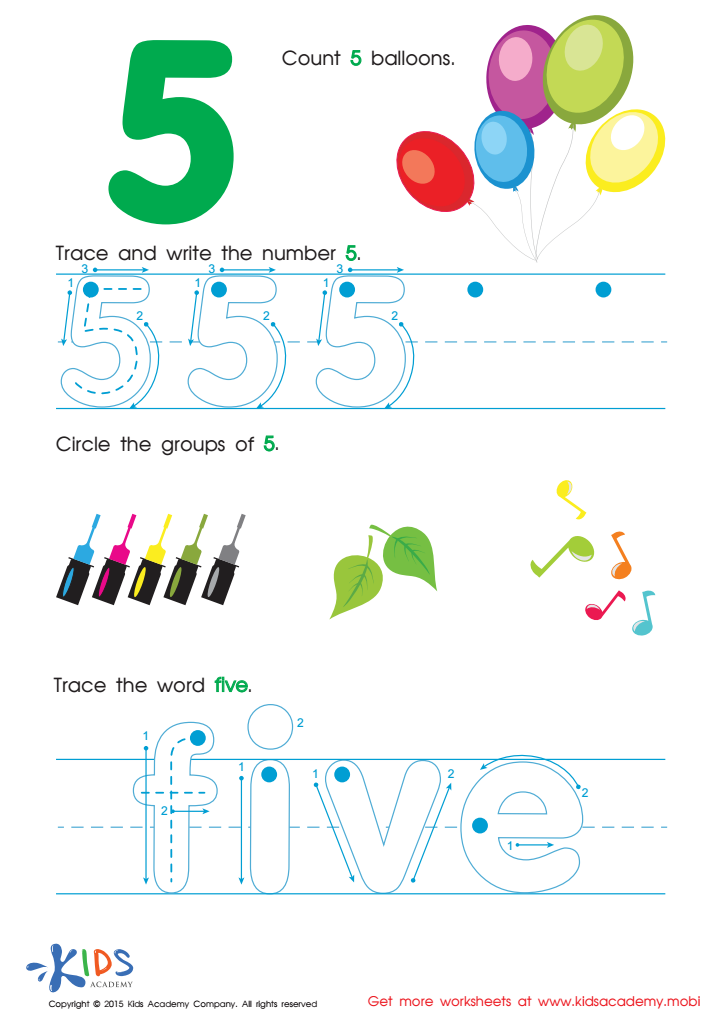
Practice Writing Number 5 Worksheet
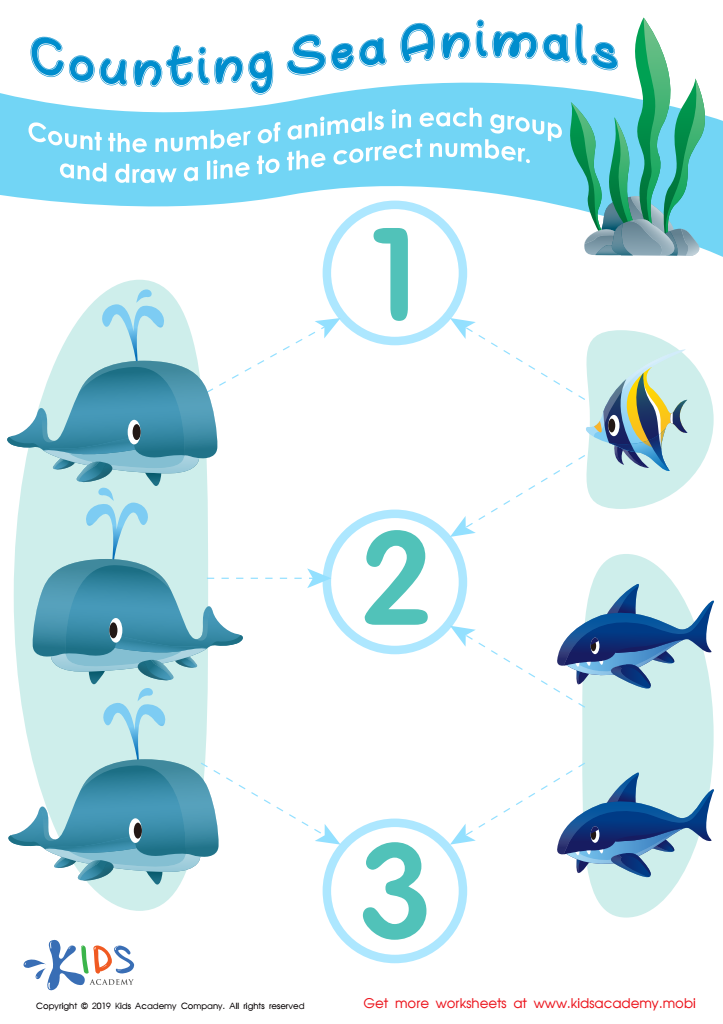
Counting Sea Animals Worksheet
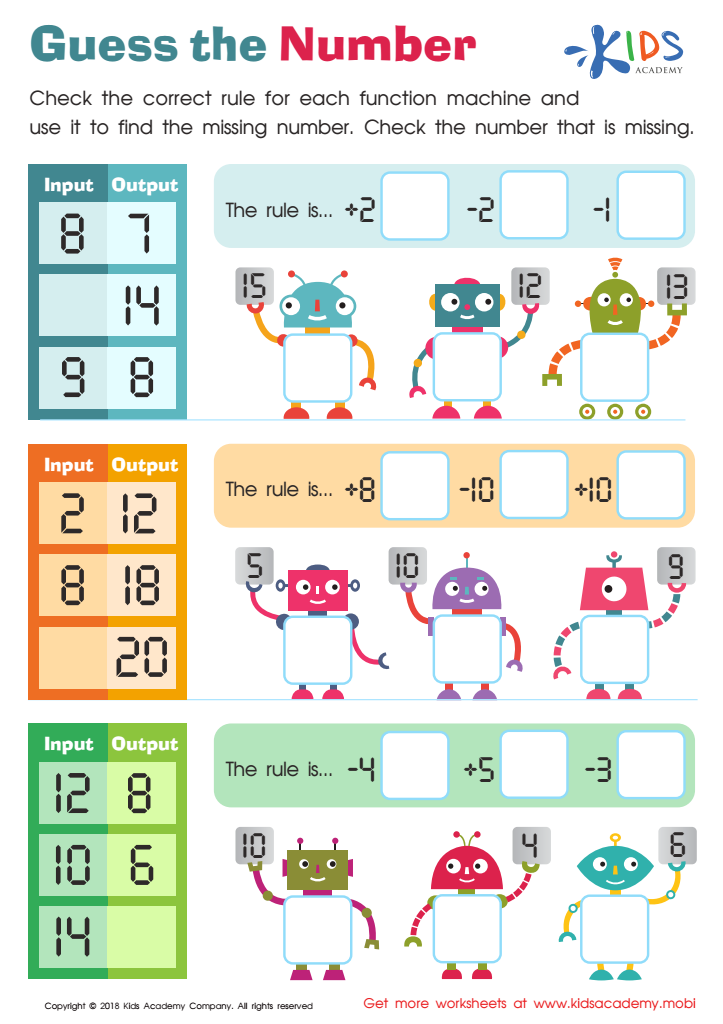
Guess the Number Worksheet
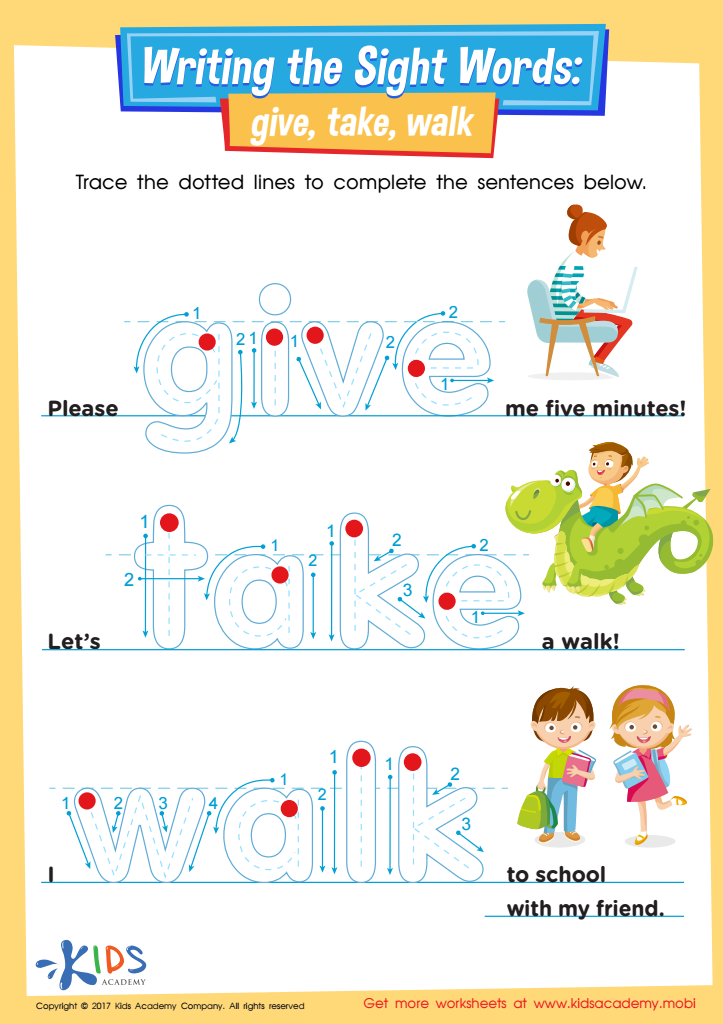
Give, Take, Walk Printable Sight Words Worksheet
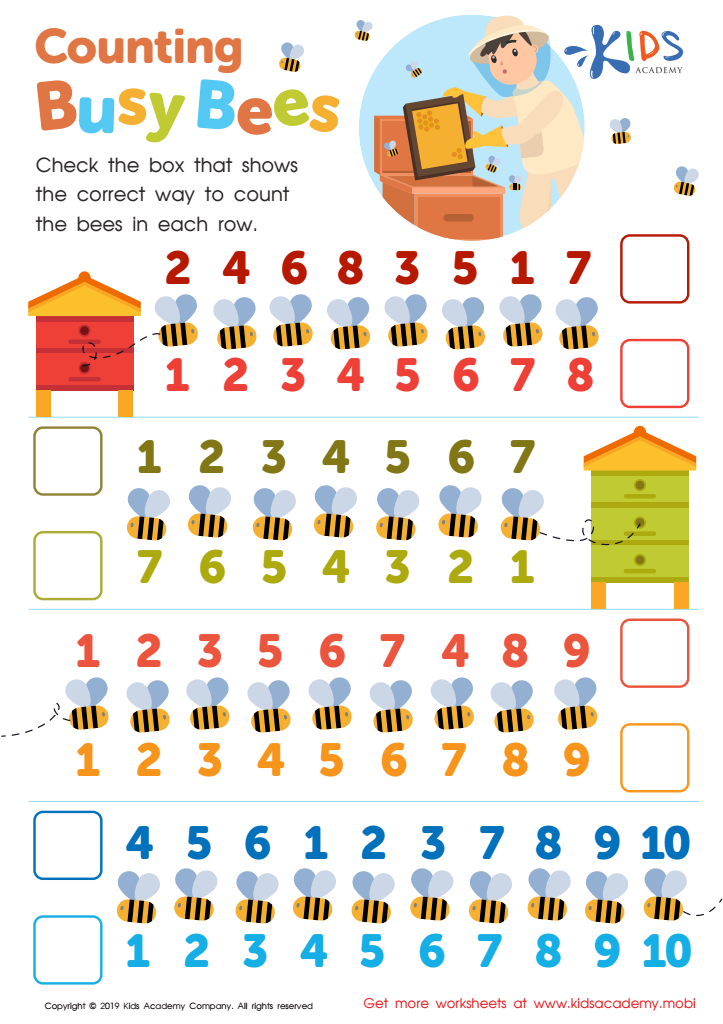
Counting Busy Bees Worksheet
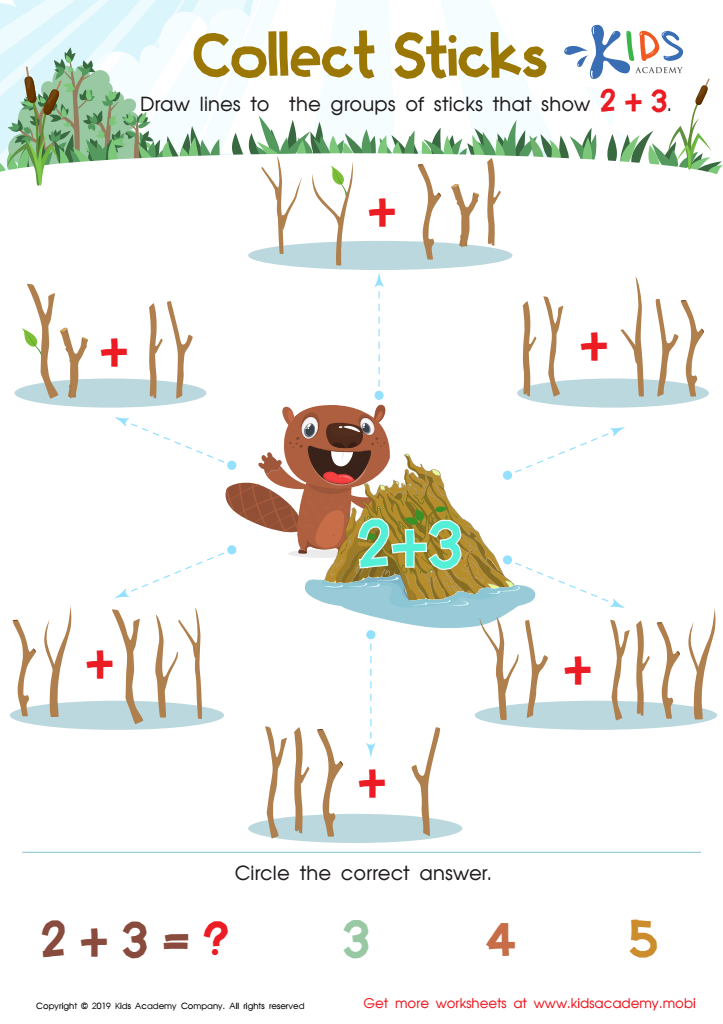
Collect Sticks Worksheet
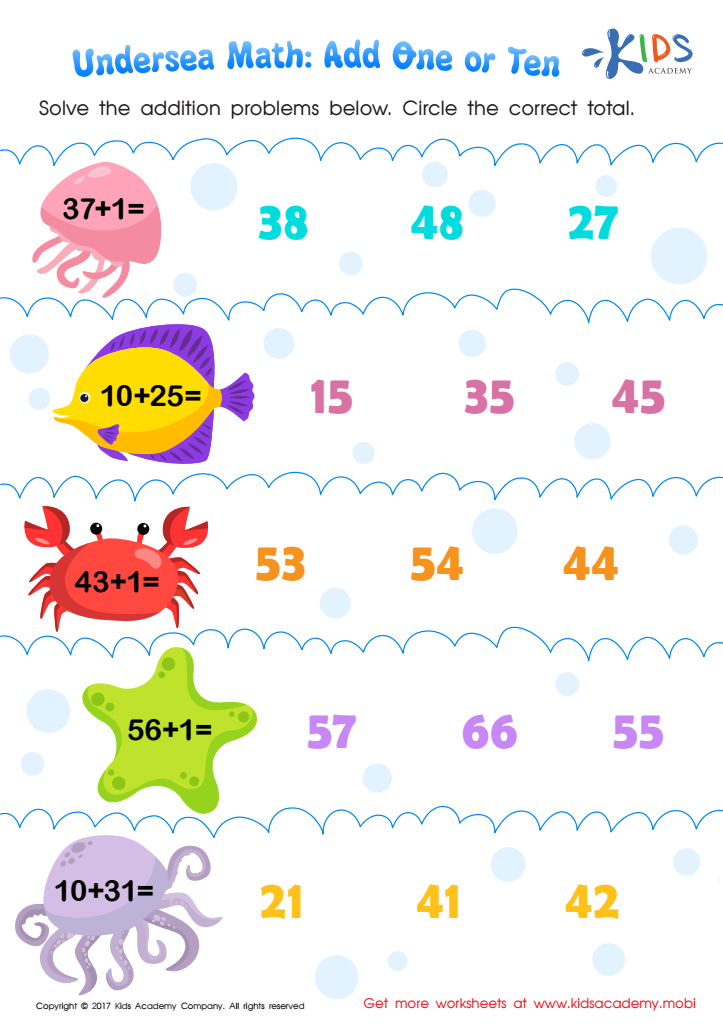
Undersea Math Worksheet
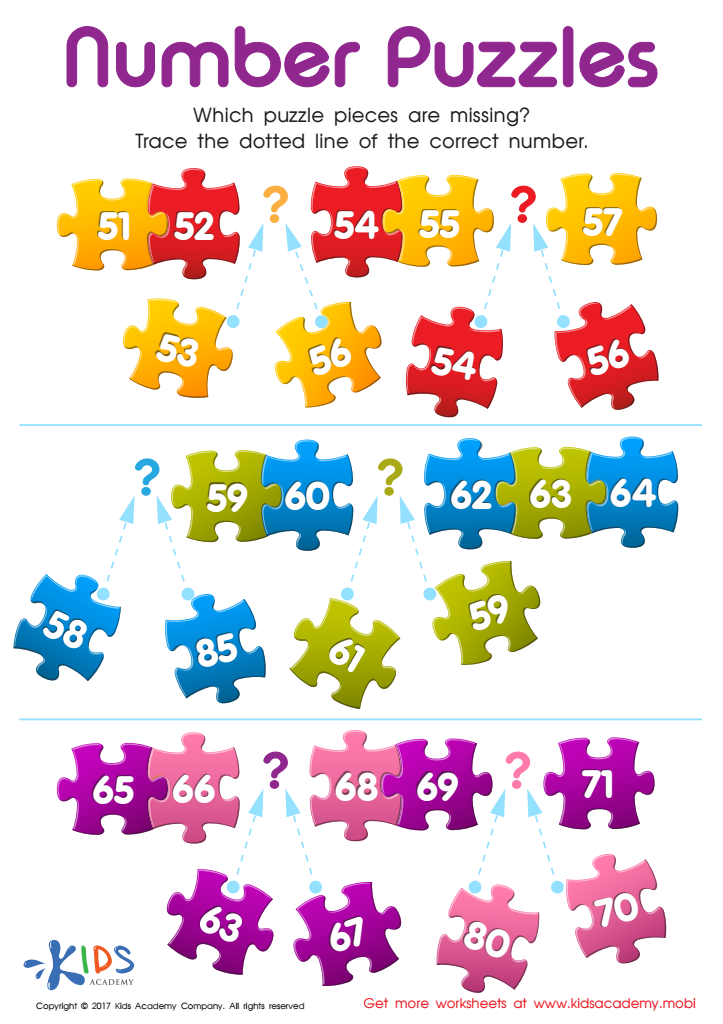
Number Puzzles Worksheet
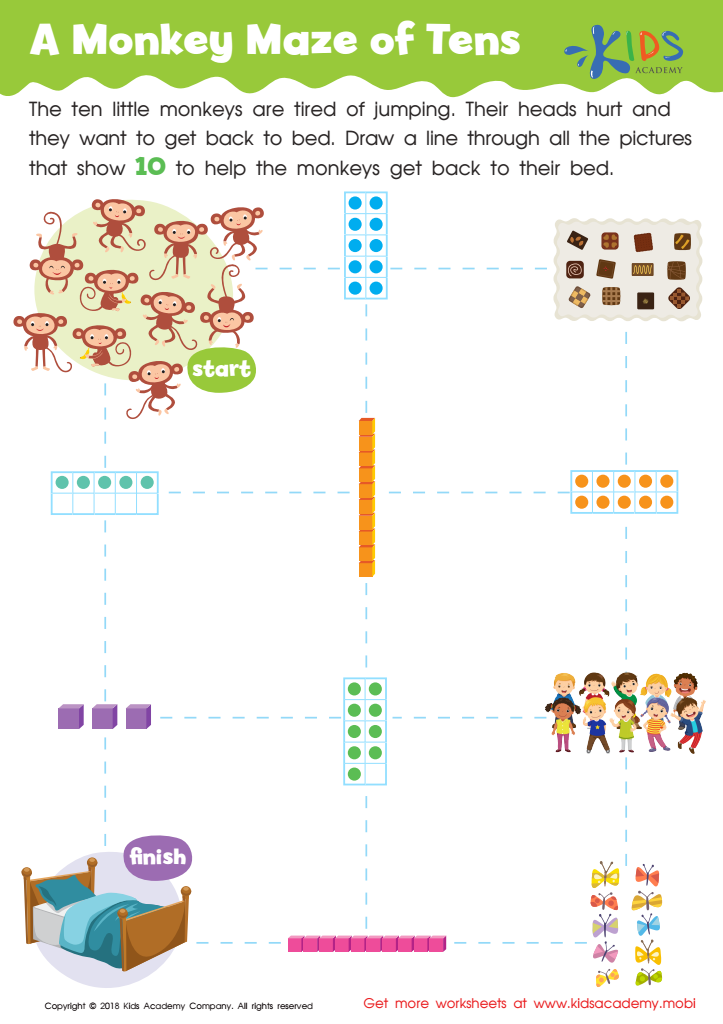
A Monkey Maze of Tens Worksheet

Count and Match Vegetables 2 – 8 Math Worksheet
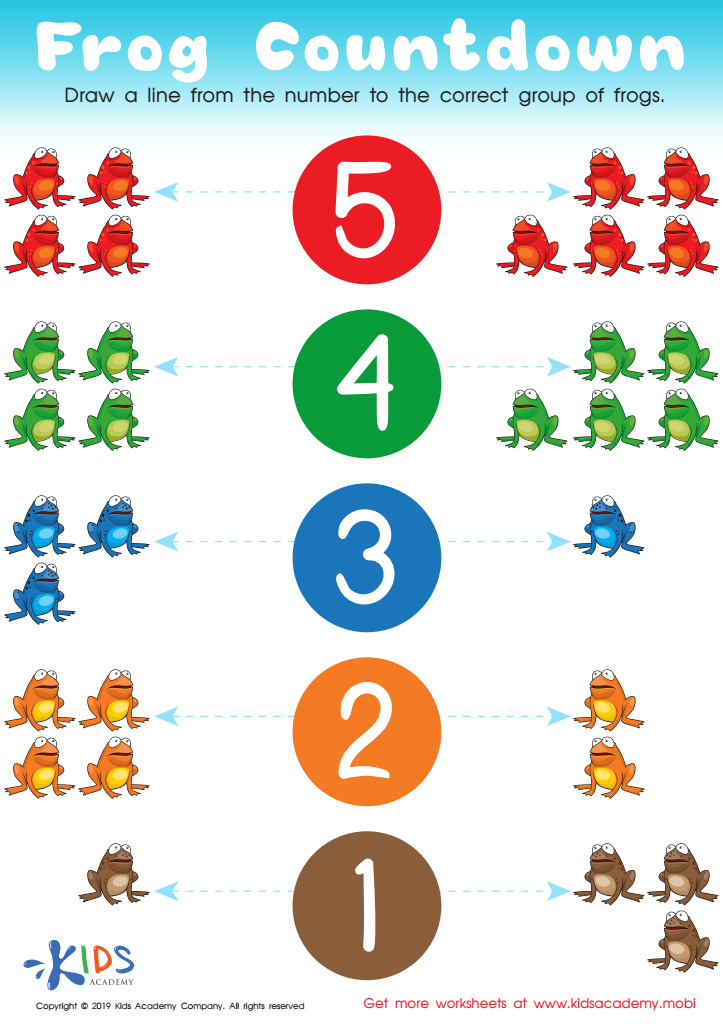
Frog Countdown Worksheet
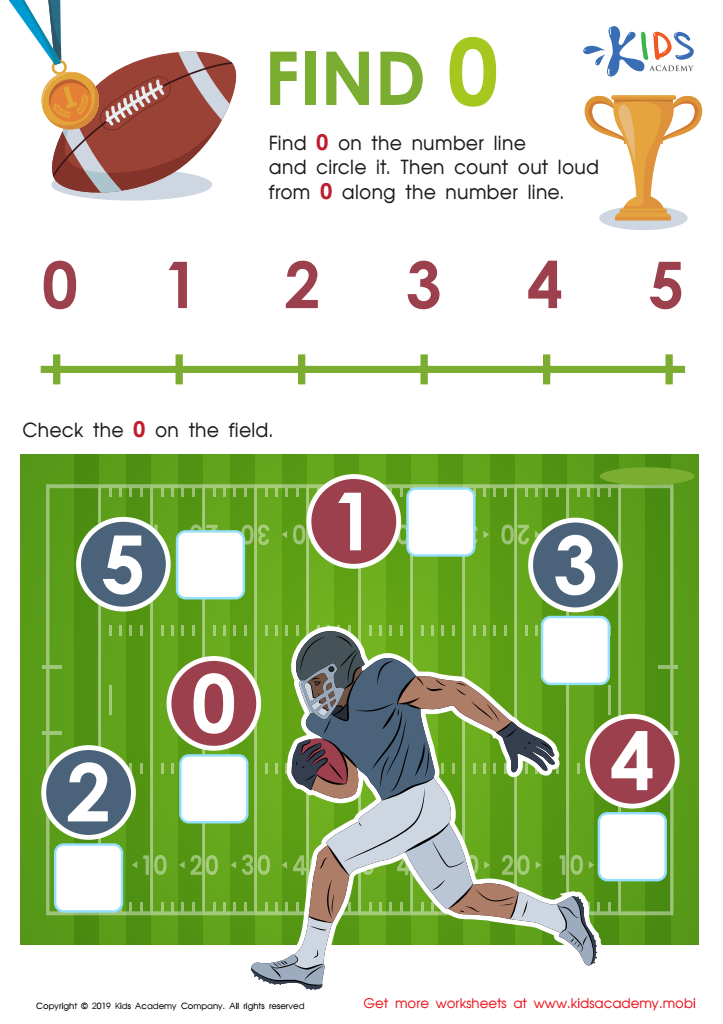
Find 0 Worksheet
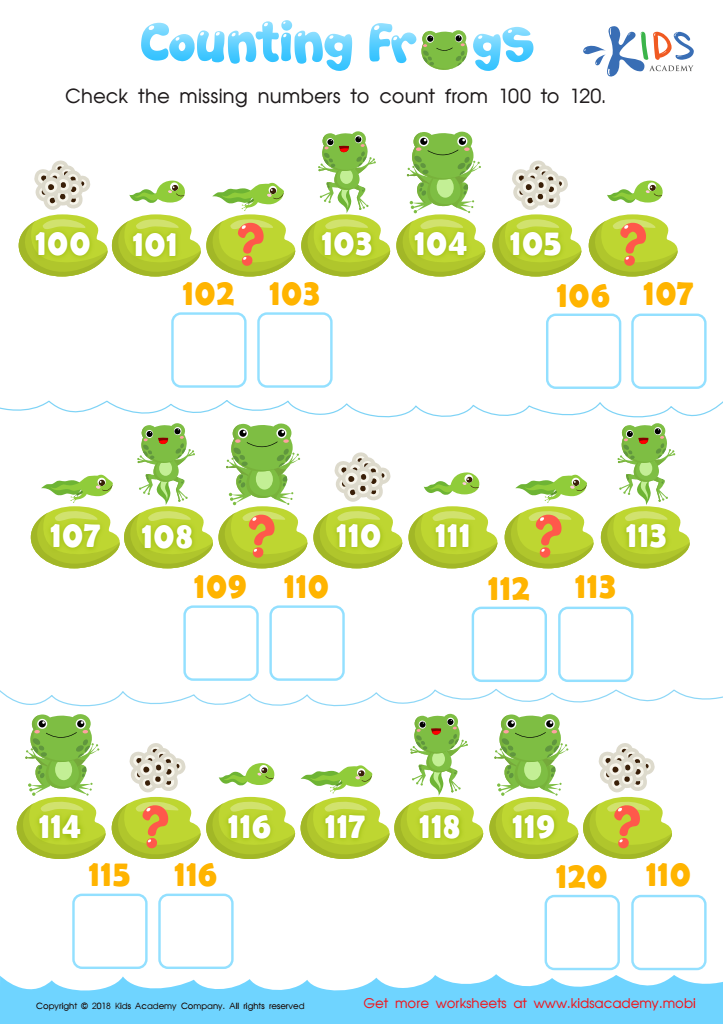
Counting Frogs Worksheet


.jpg)





Number recognition is a crucial foundational skill for early childhood education. It forms the bedrock for understanding more complex mathematical concepts and everyday activities. "Number Recognition Normal" refers to a child’s ability to accurately recognize and name numbers within the expected age range. Here’s why parents and teachers should pay attention to this:
First, it ensures a strong mathematical foundation. Recognizing numbers is the first step toward more advanced math, like addition, subtraction, and eventually, algebra and geometry. Without this skill, a child is likely to struggle as they progress through their education.
Second, number recognition is integral to daily life. From telling time to managing money, legibly recognizing numbers is a skill needed for independence and functionality in society.
Moreover, early recognition of learning gaps is easier to address. If a child falls behind in recognizing numbers, they might also lag in other developmental areas. Early intervention can provide the support they need to catch up, building self-esteem and better academic performance.
Lastly, it creates excitement around learning. Recognizing numbers is often a child’s first academic success. Celebrating these early milestones fosters a love for learning and builds confidence.
In summary, number recognition is pivotal for academic success, daily life skills, timely interventions, and fostering an enjoyable learning experience. Both parents and teachers play a vital role in nurturing this essential capability.








