Phonics development Normal Worksheets
3 filtered results
-
From - To
Unlock your child's reading potential with our Phonics Development Normal Worksheets! Designed for early learners, these engaging worksheets help reinforce essential phonics skills through fun activities. Children will practice letter sounds, blend words, and improve their decoding abilities, laying a strong foundation for reading. Each worksheet is thoughtfully crafted to cater to various learning styles, ensuring a well-rounded approach to phonics education. With clear instructions and vibrant illustrations, young learners will be excited to practice and develop their literacy skills. Ideal for home or classroom use, our phonics worksheets make learning enjoyable and effective, setting your child on the path to reading success!
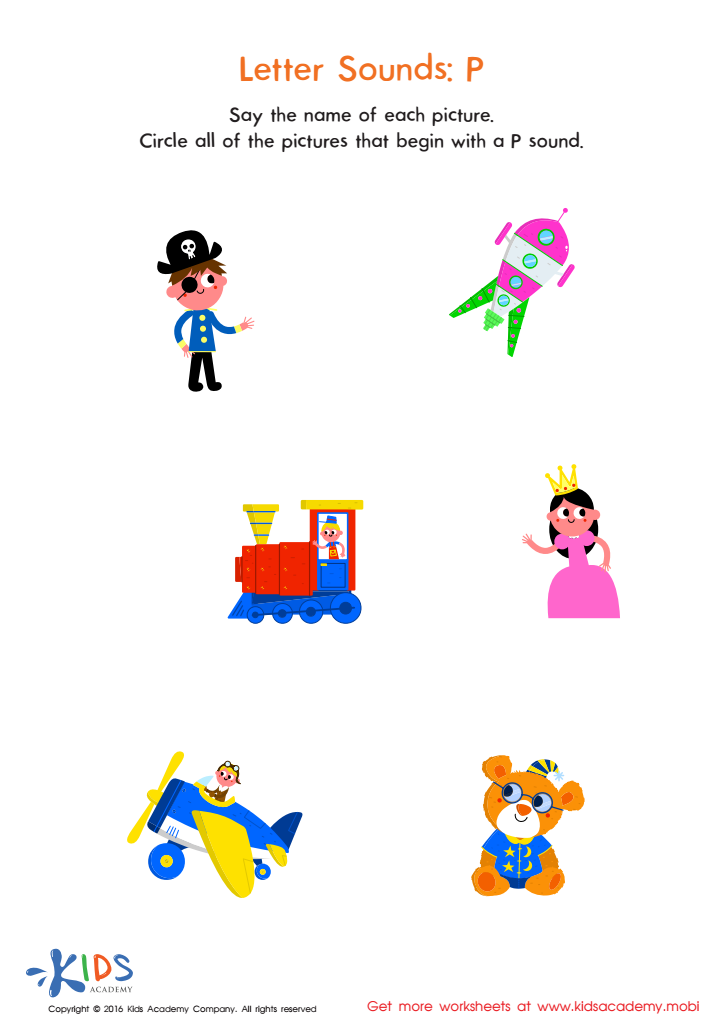
Letter P Sound Worksheet
 Assign to My Students
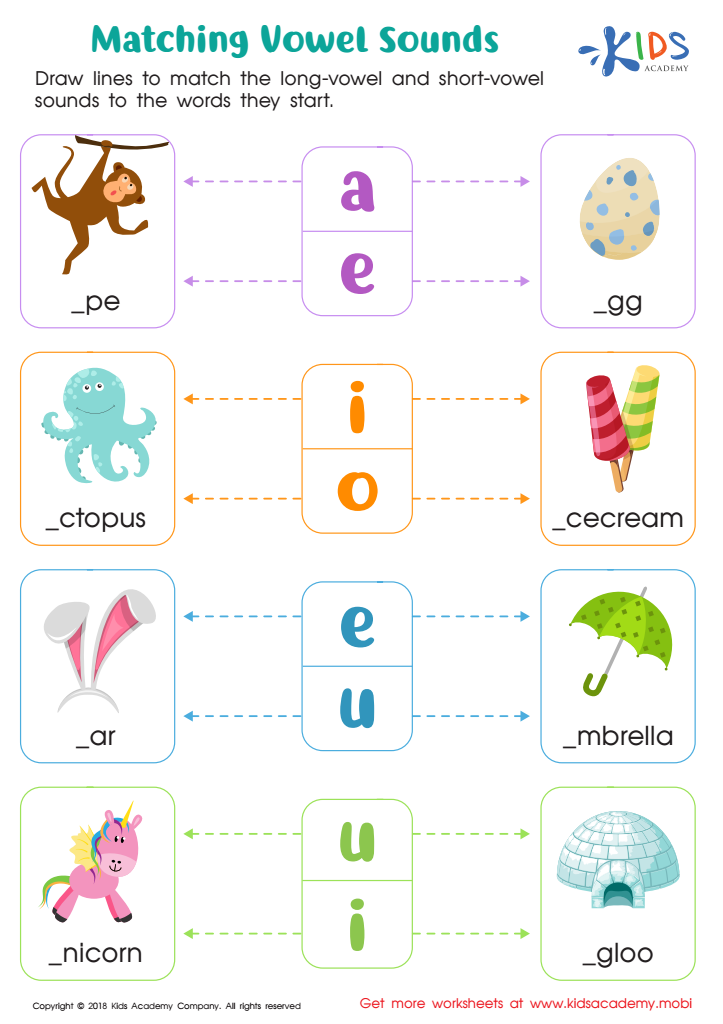
Matching Vowel Sounds Worksheet
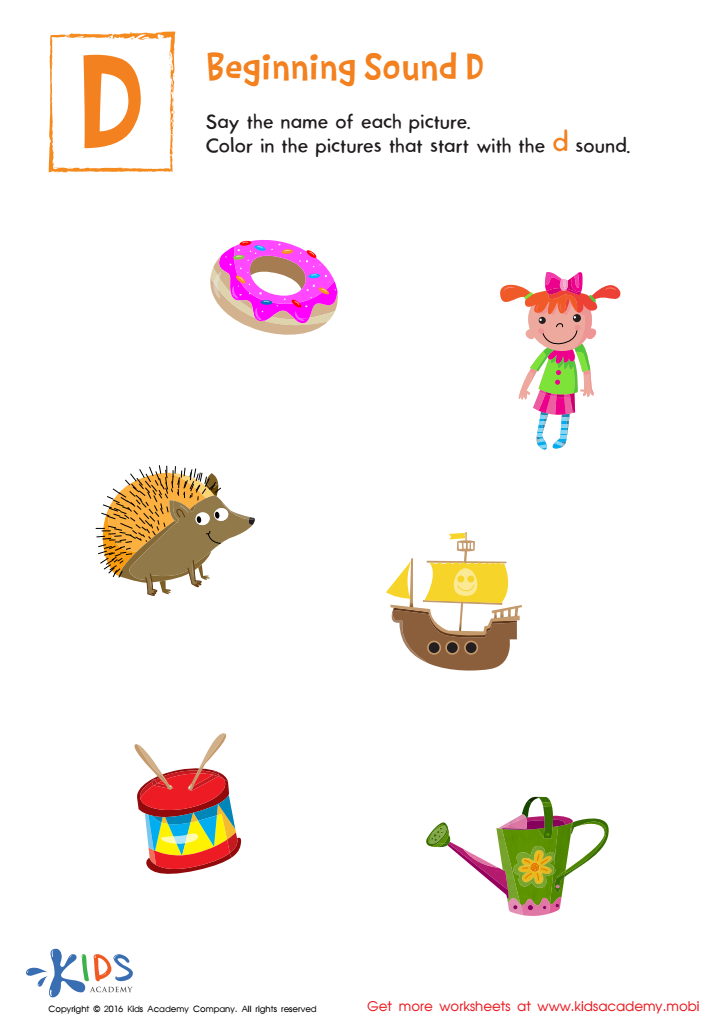
Beginning Sound D Worksheet







Phonics development is crucial for young learners as it forms the foundation for effective reading and comprehension skills. Understanding phonics helps children recognize the relationship between letters and sounds, enabling them to decode and read unfamiliar words independently. This skill is essential for their academic success, as reading proficiency is linked to overall learning across subjects.
Parents and teachers should care about phonics development because it empowers children to become confident readers. A solid grasp of phonics not only aids in decoding words but also contributes to spelling and writing skills, facilitating better communication. Furthermore, phonics instruction has been shown to significantly enhance literacy outcomes, reducing the likelihood of future learning difficulties.
Additionally, phonics-based programs engage children actively, making learning enjoyable and interactive. When parents and teachers prioritize phonics development, they foster a positive attitude toward reading, instilling a lifelong love for literature.
By investing time in phonics, educators and parents can ensure children build a strong foundation for academic achievement and personal growth, ultimately leading to better opportunities in life. Therefore, caring about phonics development is essential for equipping children with the literacy skills they need for future success.








