Phonics improvement Normal Worksheets
3 filtered results
-
From - To
Discover our "Phonics Improvement Normal Worksheets," designed to enhance early reading skills in a fun and engaging way. These printable worksheets focus on essential phonetic concepts, helping students build a strong foundation in letter sounds, blending, and word recognition. Perfect for classroom use or at-home practice, our worksheets provide a variety of exercises to cater to different learning styles. Each activity is crafted to promote confidence and literacy development in young learners. Explore our extensive collection of engaging materials tailored to improve phonics comprehension and encourage a love for reading. Start your phonics journey today with our helpful resources!
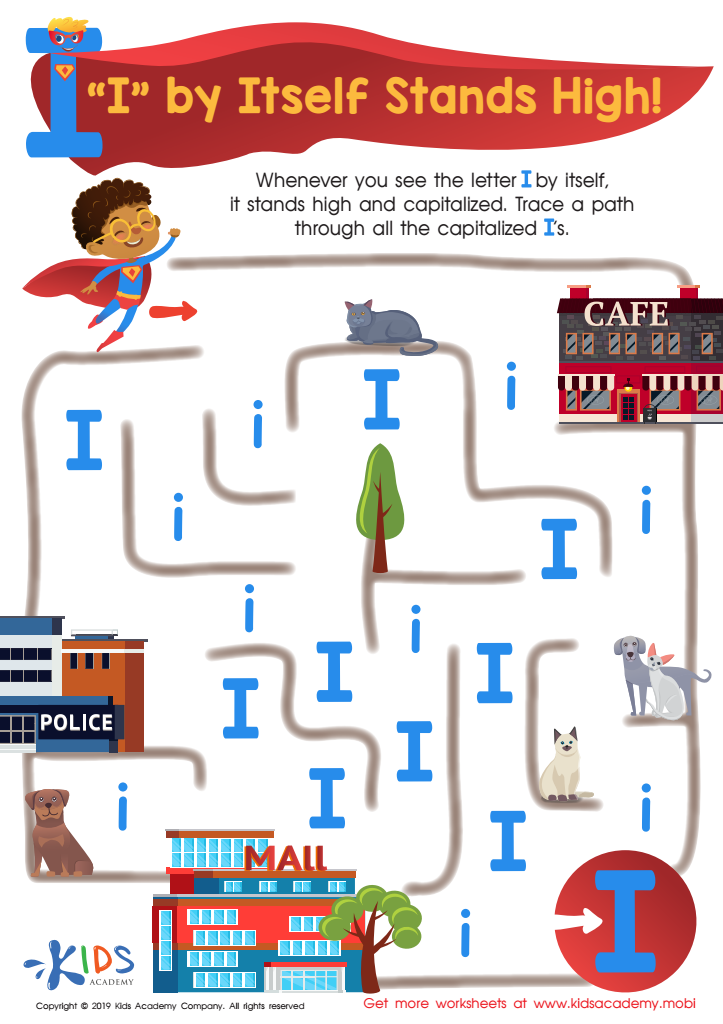
I Stands High Worksheet
 Assign to My Students
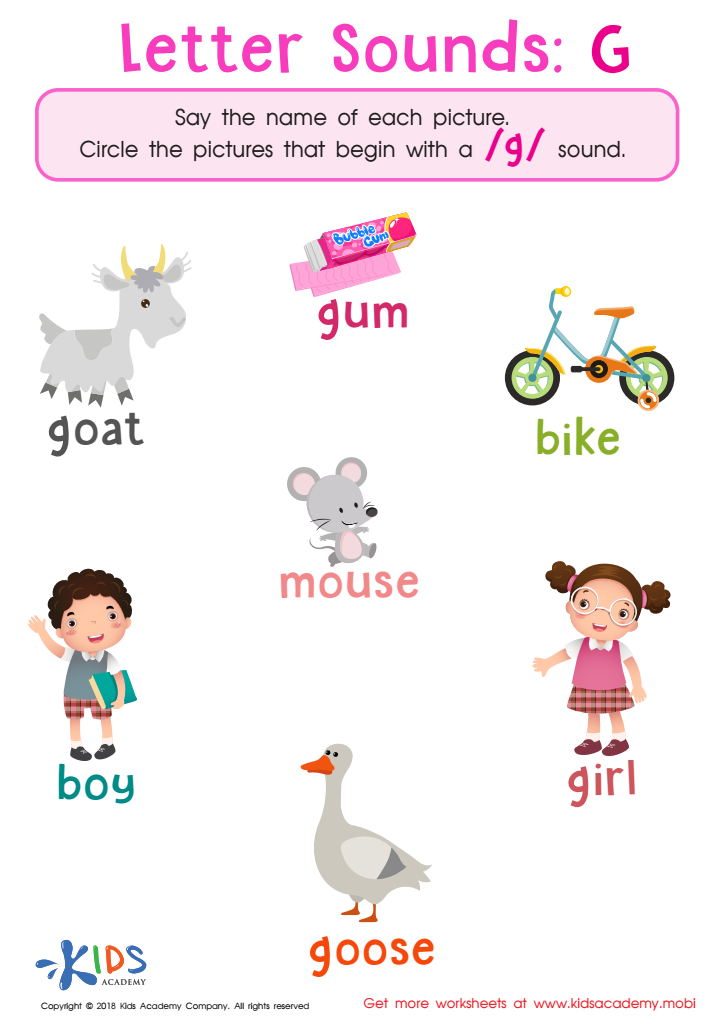
Letter G Sounds Worksheet






.jpg)

Phonics instruction is crucial for early literacy development, making it an area of focus for both parents and teachers. Understanding phonics—the relationship between letters and sounds—enables children to decode words effectively, which lays the groundwork for reading fluency. When children grasp phonics, they gain confidence in their reading abilities, leading to improved academic performance across all subjects.
Moreover, strong phonics skills correlate with higher levels of comprehension. As children learn to decode words independently, they can focus on understanding the meaning of the text, fostering a love for reading and a desire to explore literature. Parents and teachers who emphasize phonics improvement provide children with vital tools for success—setting the stage for lifelong reading habits.
Additionally, supporting phonics can help identify and address learning difficulties early on. Teachers can tailor their instruction to meet individual needs, while parents can reinforce learning through at-home activities. By collaborating on phonics development, both parents and teachers can create a supportive environment that encourages literacy growth. Ultimately, prioritizing phonics helps to arm children with the essential skills they need to navigate their educational journey and beyond, ensuring they are prepared for future challenges.








