Problem-solving practice Normal Worksheets
7 filtered results
-
From - To
Enhance your child's critical thinking and analytical skills with our "Problem-Solving Practice Normal Worksheets" on Kids Academy! These engaging, educational worksheets cater to various age groups, helping students tackle real-world problems through step-by-step activities. Designed by experts, each worksheet promotes logical reasoning and boosts cognitive abilities, effectively preparing kids for future academic challenges. Easy to download and print, our worksheets provide practicing opportunities in mathematics, verbal reasoning, and daily life scenarios. Support your child's intellectual development and confidence with Kid Academy’s fun and interactive problem-solving resources today!

Addition with Regrouping Worksheet
 Assign to My Students
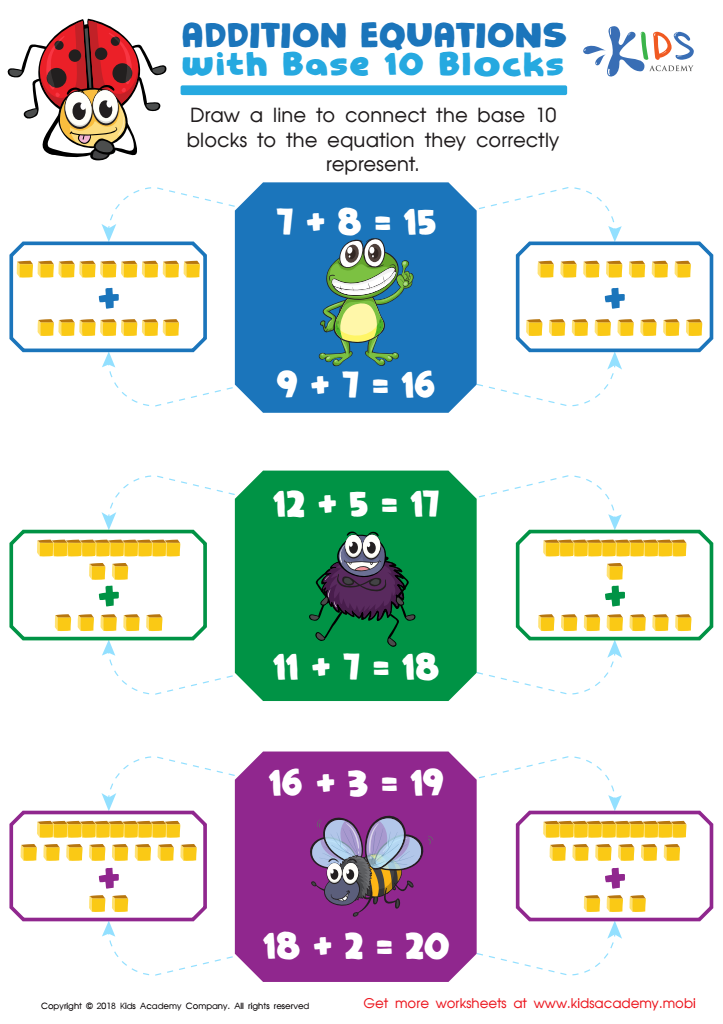
Addition Equations With Base 10 Blocks Worksheet
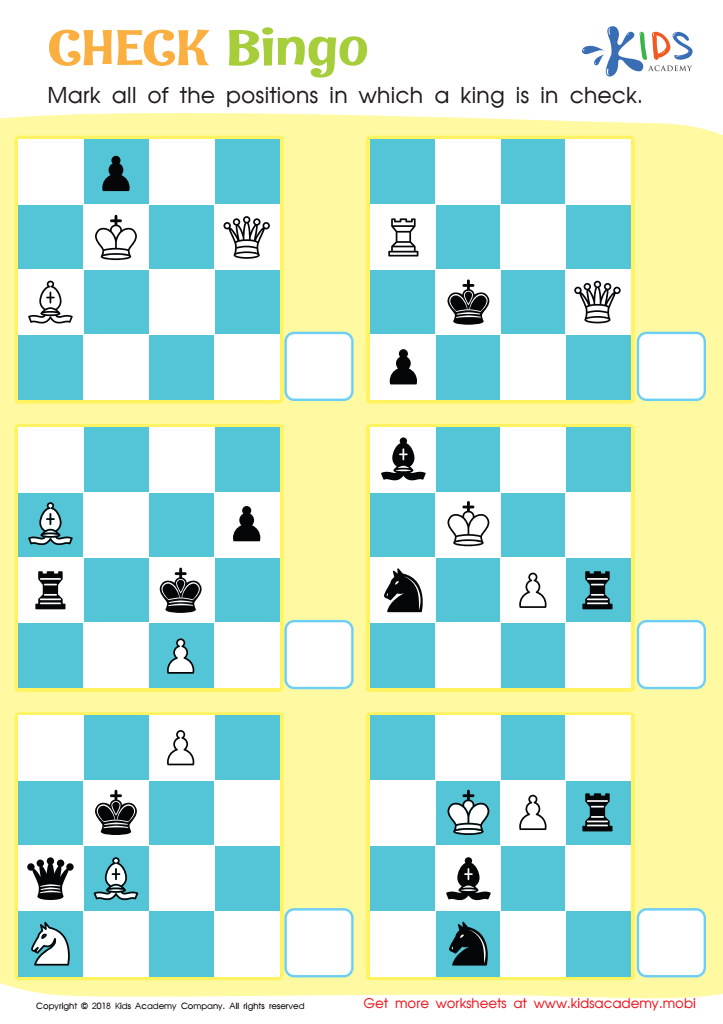
Check Bingo Worksheet
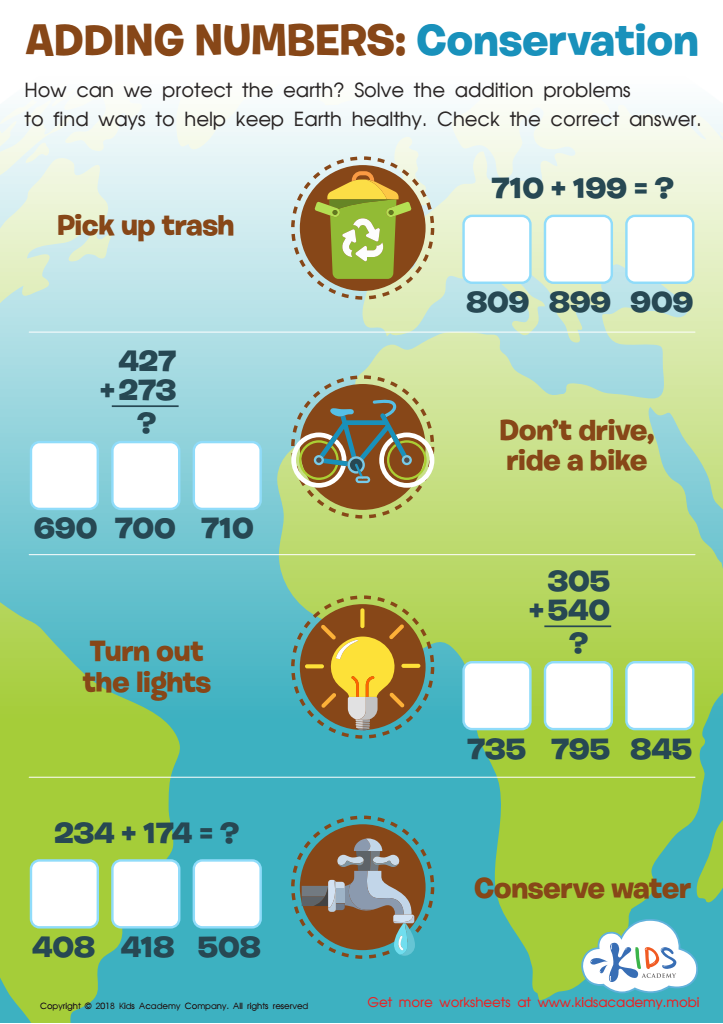
Adding Numbers: Conservation Worksheet
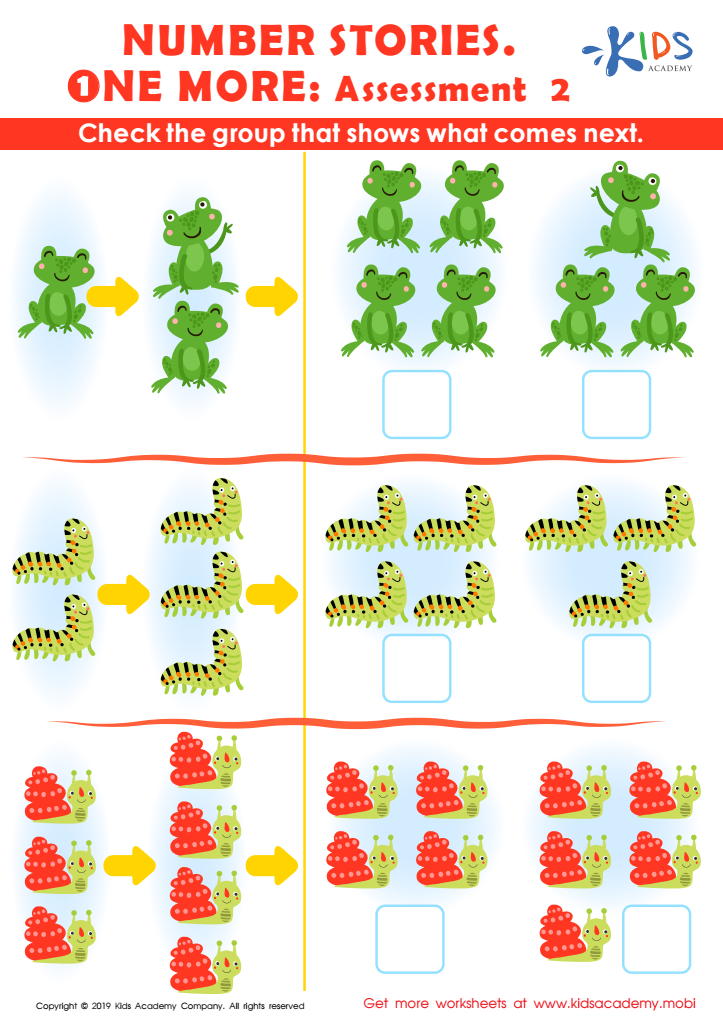
Number Stories One More – Assessment 2 Worksheet
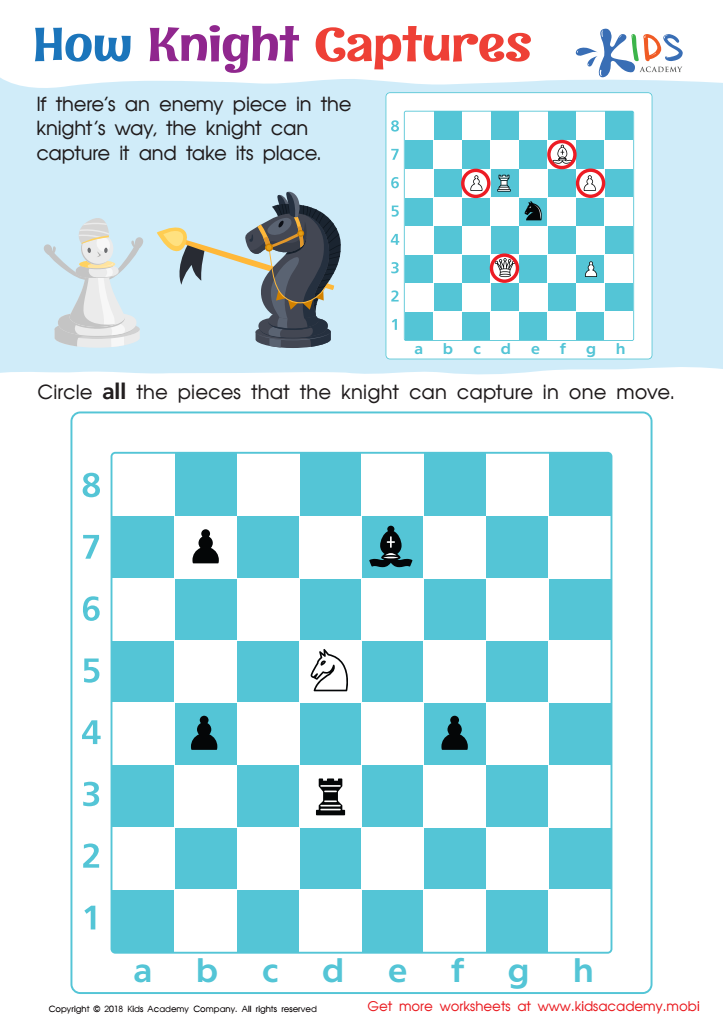
How Knight Captures Worksheet
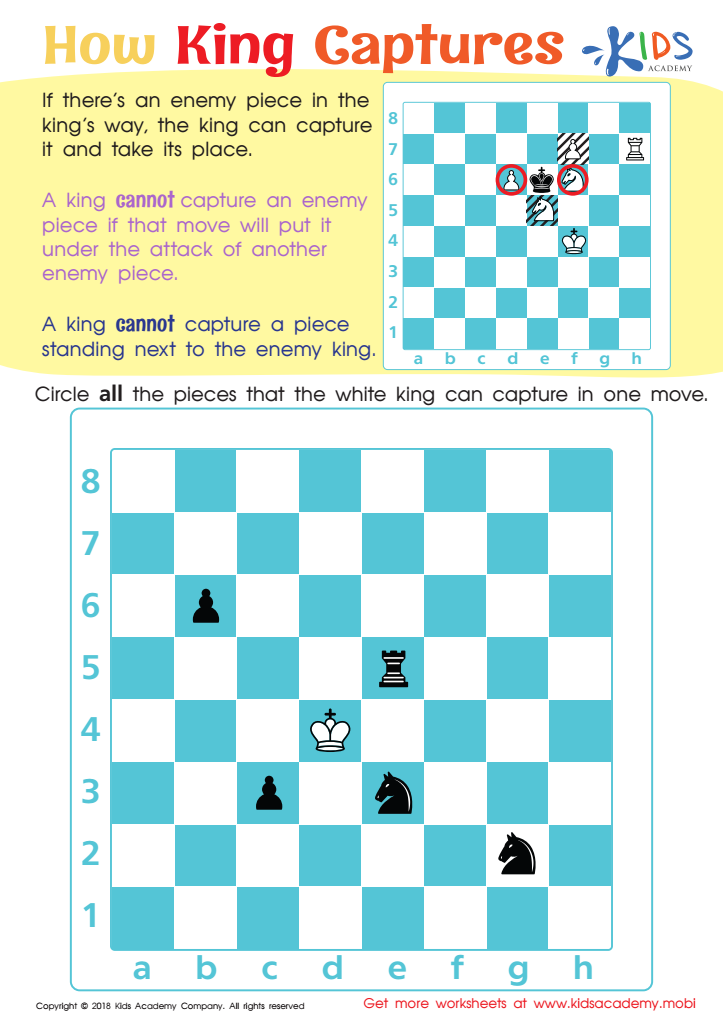
How King Captures Worksheet








Problem-solving practice is integral to a child's development and should be a priority for both parents and teachers. This practice instills crucial skills such as critical thinking, creativity, resilience, and self-confidence. From an early age, children encounter challenges in various forms—academic problems, social conflicts, or simple everyday tasks. Regular problem-solving practice equips them with systematic methods to identify, analyze, and resolve issues logically and effectively.
Parents and teachers who actively engage children in problem-solving activities help them build a strong foundation for learning. It encourages independence as children learn to explore different solutions and understand the consequences of their decisions. These skills are not only vital for academics but also for everyday life situations and future workplace environments.
Moreover, fostering a problem-solving mindset helps in developing patience and perseverance. When children repeatedly fail and learn how to pivot their strategies, they understand that failure is a part of the learning process, which is crucial for their emotional development. Seeing problems as opportunities for growth rather than obstacles can transform their approach to life's challenges.
Ultimately, problem-solving practice enables children to become confident, autonomous thinkers capable of navigating the complexities of real life with courage and resourcefulness. This holistic growth is why parents and teachers should prioritize problem-solving practices in early education.








