Sound-letter association Normal Worksheets
4 filtered results
-
From - To
Our Sound-Letter Association Normal Worksheets for early learners seamlessly blend fun and education, helping children master the essential skill of connecting sounds with their corresponding letters. Designed by experts, these worksheets provide varied activities—such as tracing, matching, and identifying sounds—to reinforce learning effectively. Suitable for preschool to early elementary grades, our worksheets support phonetic development, aiding children in building a strong reading foundation. By engaging with these worksheets, kids enhance their spelling, reading proficiency, and overall literacy skills in an enjoyable, interactive way. Perfect for classroom use or at-home practice, these resources are key to budding literacy success.
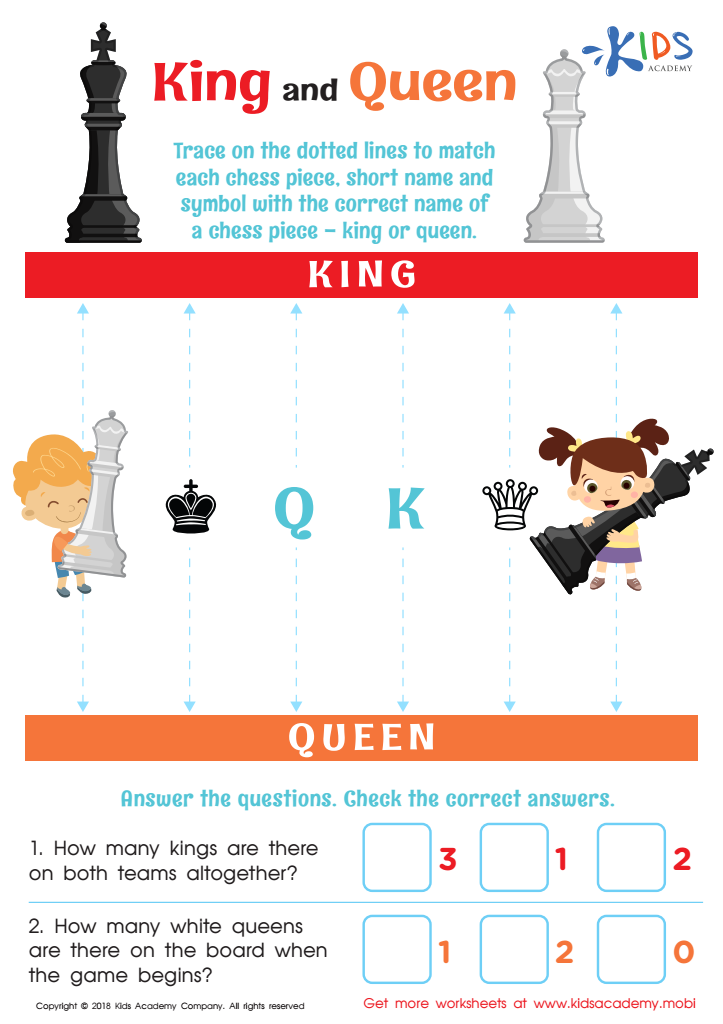
King and Queen Worksheet
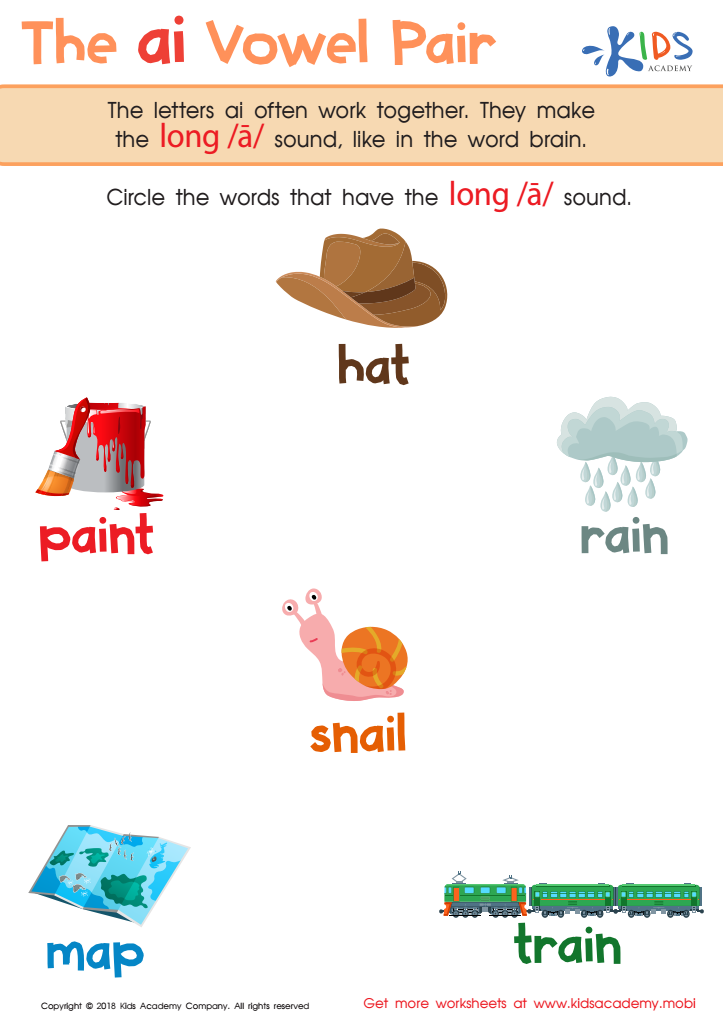
The AI Vowel Pair Worksheet
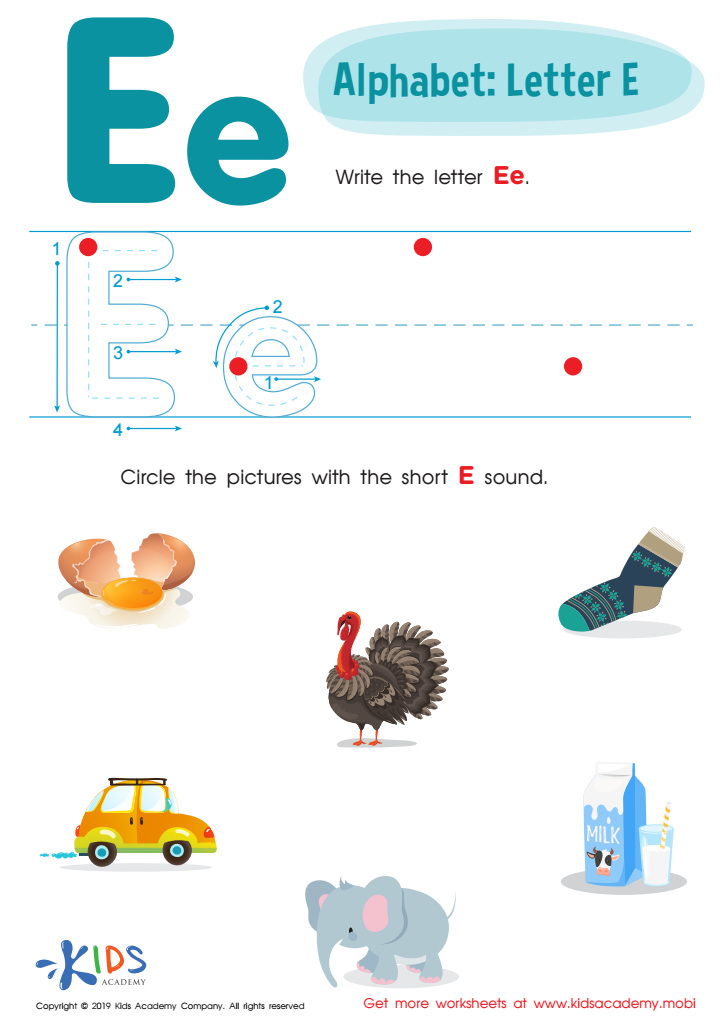
Letter E Tracing Worksheet
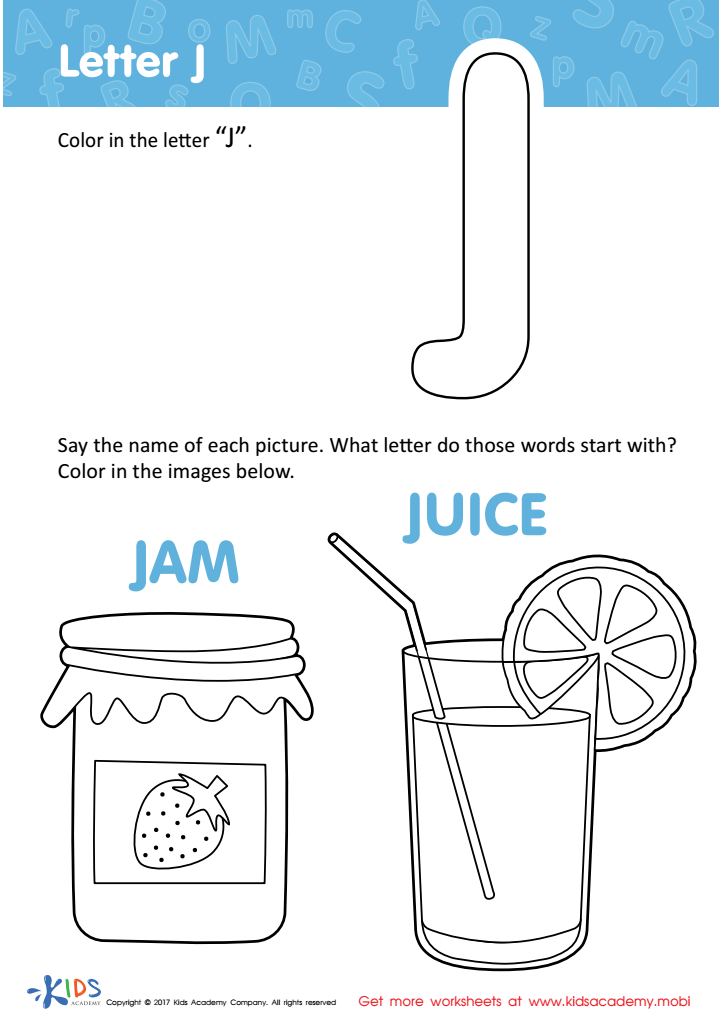
Letter J Coloring Sheet
 Assign to My Students








Understanding sound-letter association is fundamental to a child’s literacy development, and both parents and teachers play key roles in promoting this skill. This principle, also known as phonemic awareness, links spoken sounds to their corresponding letters or groups of letters, providing the foundation for reading and writing.
One crucial reason to care about sound-letter association is that it enables children to decode and spell words. When a child understands that the sound "b" corresponds to the letter "B," they can sound out words like "ball," breaking them down into manageable parts. This paves the way for the development of fluent reading skills, which are necessary for academic success and lifelong learning.
Moreover, strong phonemic awareness helps in recognizing patterns within words, aiding vocabulary expansion and comprehension skills. It allows children to move from simple, phonetic reading to mastering more complex texts and spelling patterns.
Parents and teachers who emphasize this association can foster a blend of auditory and visual learning experiences, enhancing cognitive development. Activities such as reading aloud, phonics games, and interactive story-telling engage children and make learning enjoyable.
Promoting sound-letter association not only prepares children for reading success but also instills confidence, enthusiasm, and a positive attitude toward learning. Consequently, it's important to actively support and nurture this foundational skill from an early age.








