Spatial Orientation Normal Worksheets
4 filtered results
-
From - To
Unlock your child's ability to understand spatial relationships with our Spatial Orientation Normal Worksheets! Designed for early learners, these engaging resources help children build essential skills in recognizing and interpreting the position, direction, and movement of objects. Our worksheets cover various activities, including identifying shapes, following directional prompts, and solving visual puzzles, all tailored to enhance cognitive development. Perfect for home or classroom use, these printable worksheets encourage hands-on learning while making it fun. Strengthen your child’s foundation in spatial awareness and set the stage for future success in math, reading, and everyday problem-solving. Explore our diverse collection today!
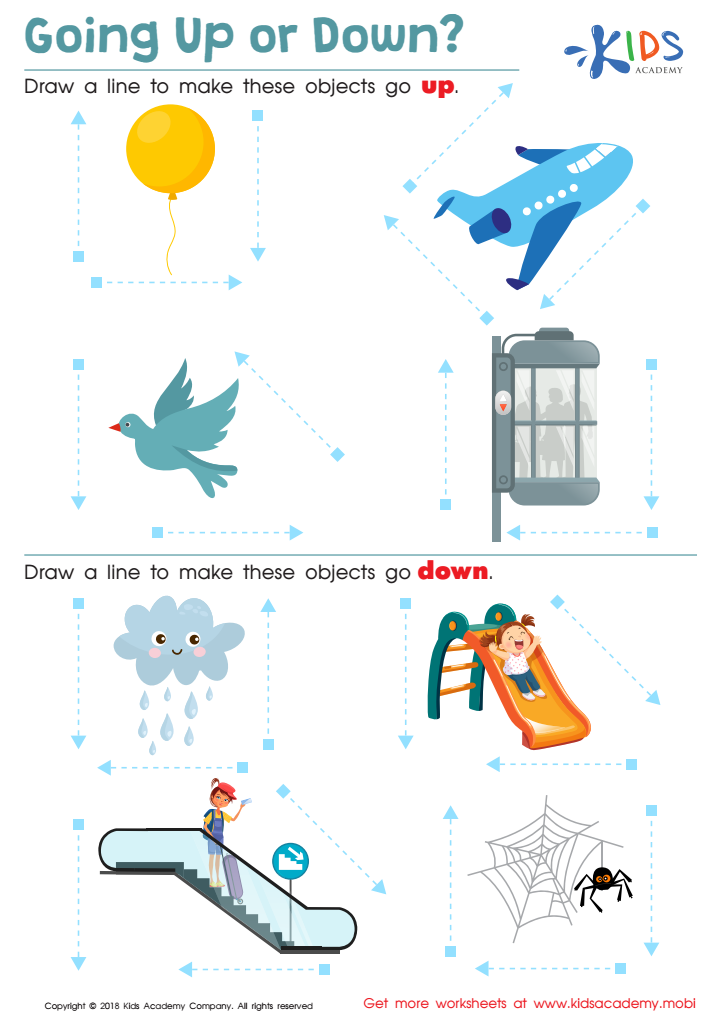
Going up or Down? Worksheet
 Assign to My Students
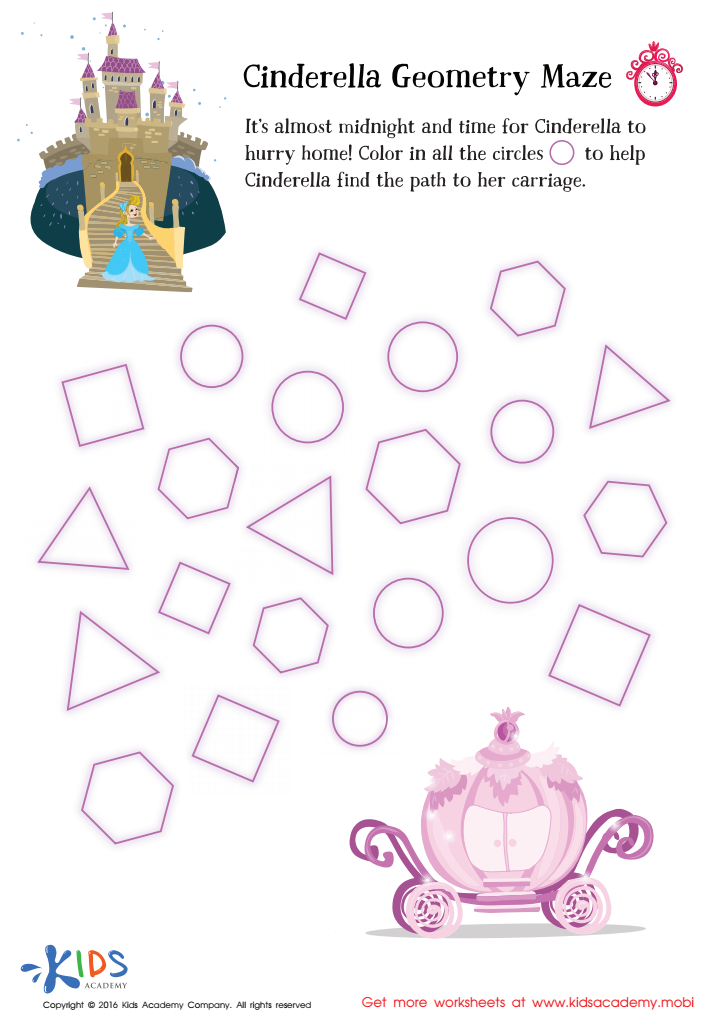
Cinderella Geometry Maze Worksheet
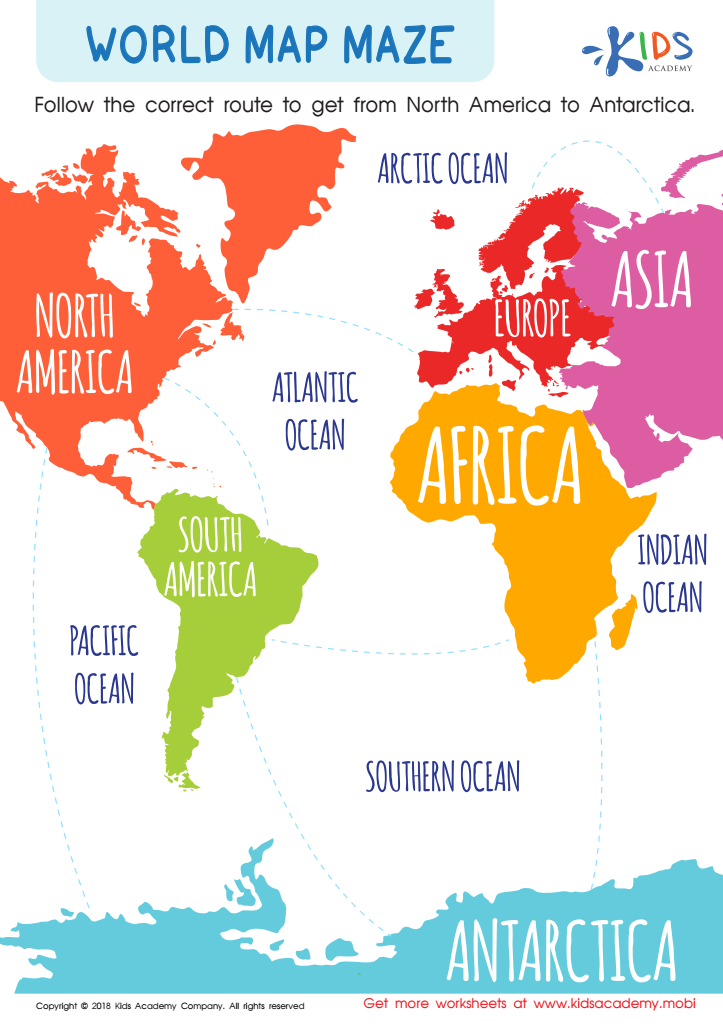
World Map Maze Worksheet
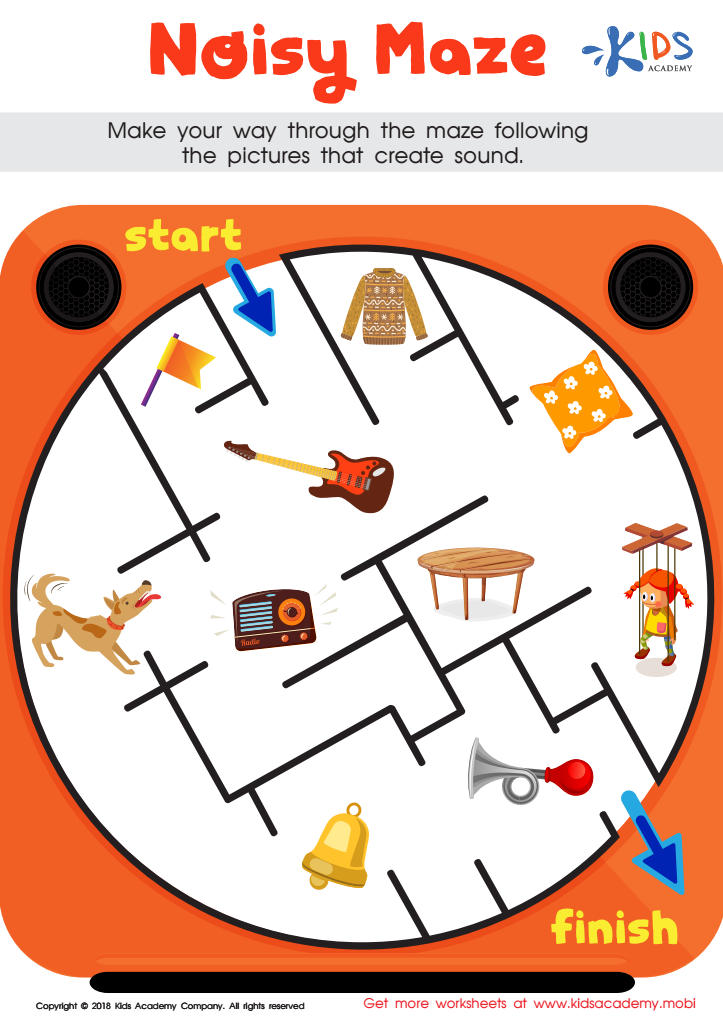
Noisy Maze Worksheet


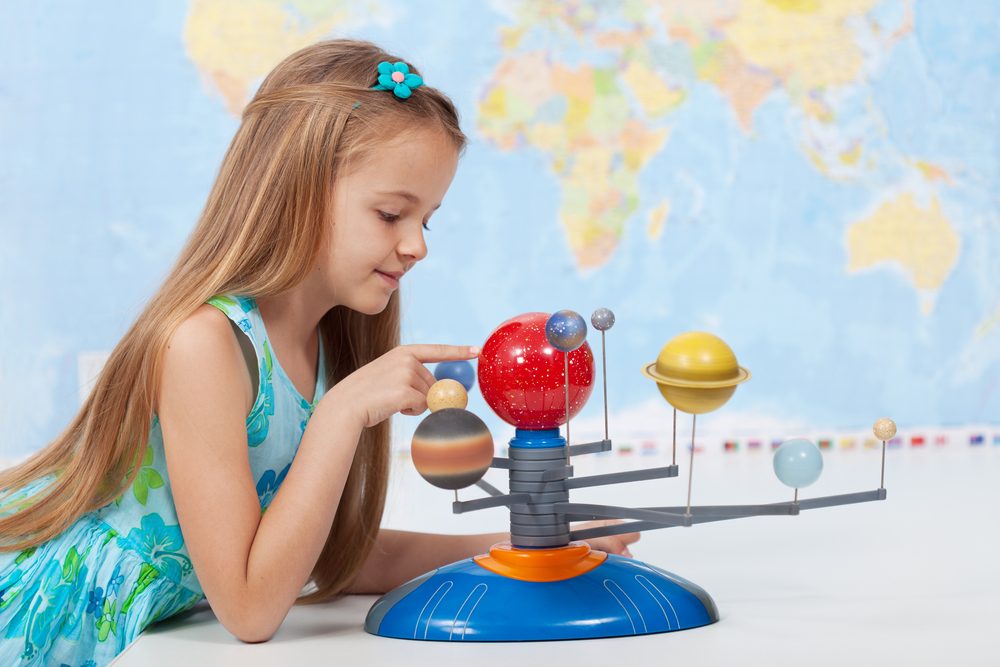


Spatial orientation is a critical skill for children's cognitive development and everyday functioning. For parents and teachers, understanding and nurturing spatial orientation in early learners can have far-reaching implications. This ability allows children to perceive their position in space accurately, which influences their mobility, navigation, and problem-solving skills. A strong sense of spatial orientation enhances children's capabilities in mathematics, especially in geometry and measurement, enabling them to understand concepts such as direction, distance, and shape.
Parents and teachers play a pivotal role in fostering these skills through engaging activities. Simple games, puzzles, and play that involve blocks, mazes, or map-reading can effectively promote spatial awareness. Furthermore, children with strong spatial orientation tend to perform better academically, as these skills correlate with creativity and critical thinking.
Early intervention is vital; children with difficulties in spatial orientation may struggle later in life, affecting their academic and social experiences. Understanding spatial orientation also aids educators in crafting tailored learning experiences, improving classroom dynamics and fostering an inclusive environment. Hence, investing time to embody these skills in children not only enriches their learning experiences but also equips them for success beyond the classroom.








