Visual recognition skills Normal Worksheets
3 filtered results
-
From - To
Enhance your child's learning experience with our "Visual Recognition Skills Normal Worksheets." Specifically designed for early learners, these engaging worksheets help children develop essential visual recognition skills, which are crucial for reading, mathematics, and overall cognitive growth. Each worksheet features vibrant illustrations and interactive activities that make learning enjoyable. As children practice identifying shapes, colors, and patterns, they improve focus, memory, and critical thinking. Perfect for at-home learning or classroom use, these worksheets are instrumental in fostering a strong foundation for future academic success. Explore our collection to boost your child's visual recognition abilities today!
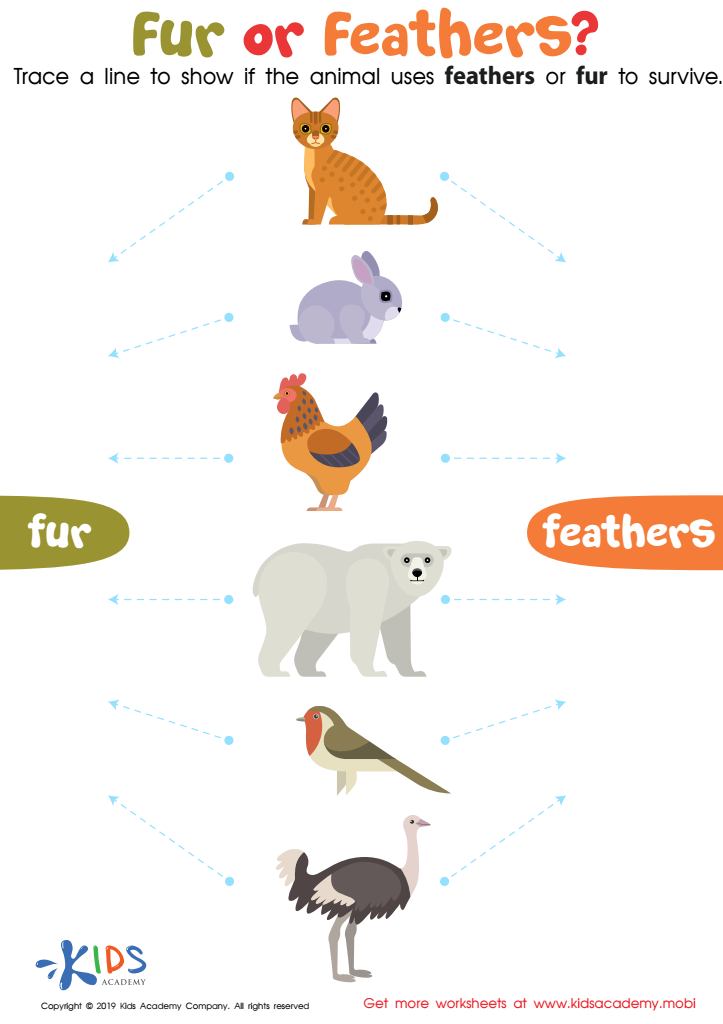
Fur or Feathers? Worksheet
 Assign to My Students
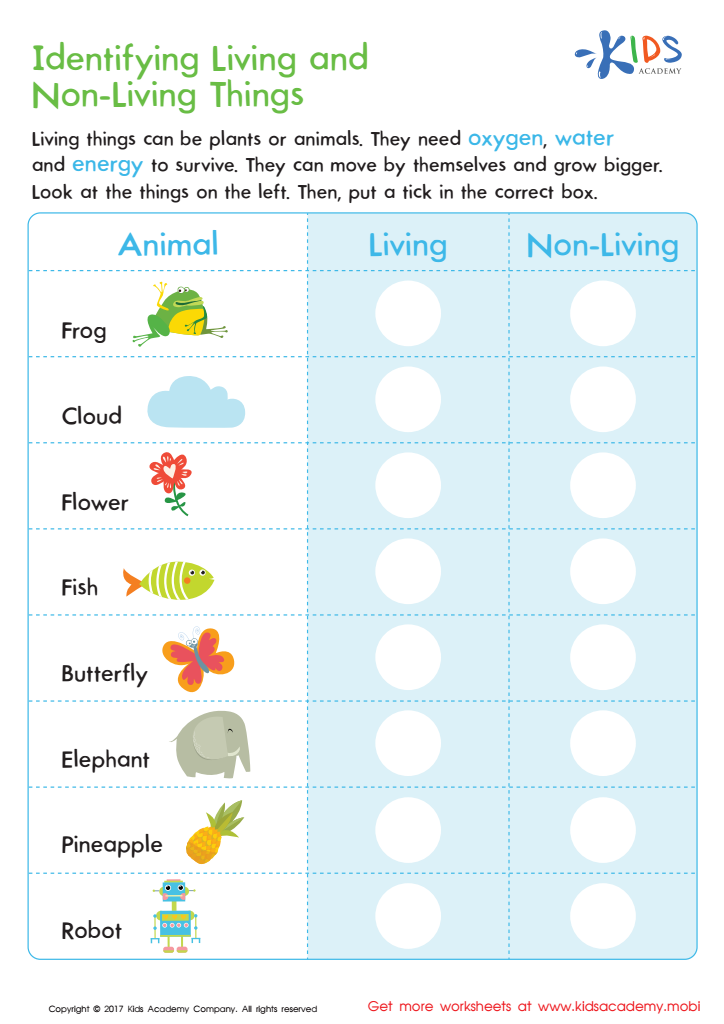
Identifying Living or Non–living Worksheet
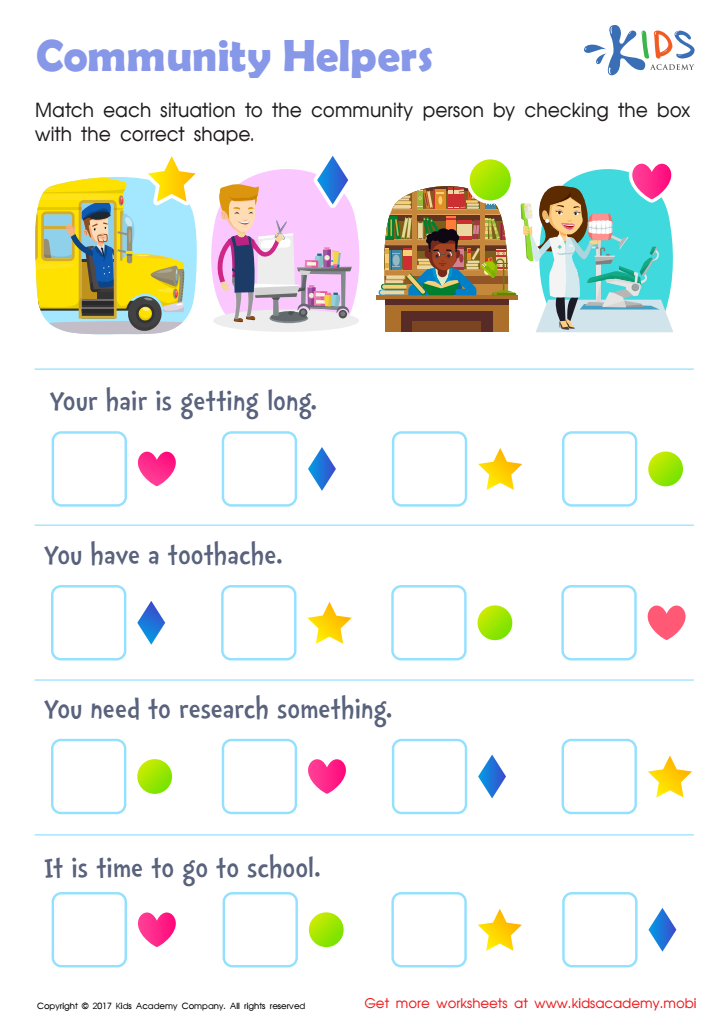







Visual recognition skills are essential for early childhood development, influencing a child's ability to learn, communicate, and interact effectively with their environment. Parents and teachers should care about these skills because they are foundational to numerous academic competencies. For instance, children use visual recognition to identify letters, numbers, shapes, and colors, which are crucial for literacy and numeracy skills used in reading and math.
Furthermore, strong visual recognition skills contribute to enhanced observational abilities. Children who can recognize and differentiate between objects, patterns, and sequences better understand their surroundings and improve critical thinking capabilities. These skills are also linked to social development; children can recognize faces, emotions, and body language, helping them navigate social situations and build relationships.
In addition, fostering visual recognition in early years can aid in identifying potential learning challenges. Early intervention is key for children who may struggle with these skills, allowing parents and teachers to provide support and resources to help them succeed.
By prioritizing visual recognition skills, adults can lay the groundwork for a lifetime of learning, ensuring that children develop the confidence and abilities needed for academic success and social engagement.








