Division practice Normal Division Worksheets
8 filtered results
-
From - To
Enhance your students' math skills with our Division Practice Normal Division Worksheets! Designed for early learners, these engaging worksheets focus on building a solid understanding of division concepts. With a variety of exercises, students can practice basic division facts and strengthen their problem-solving skills. The worksheets feature colorful visuals and user-friendly formats, encouraging children to enjoy their learning experience. Ideal for individual or group activities, these printables can facilitate both classroom instruction and at-home practice. Perfect for teachers and parents, our Division Practice worksheets are an essential resource for fostering math confidence in young learners. Start mastering division today!
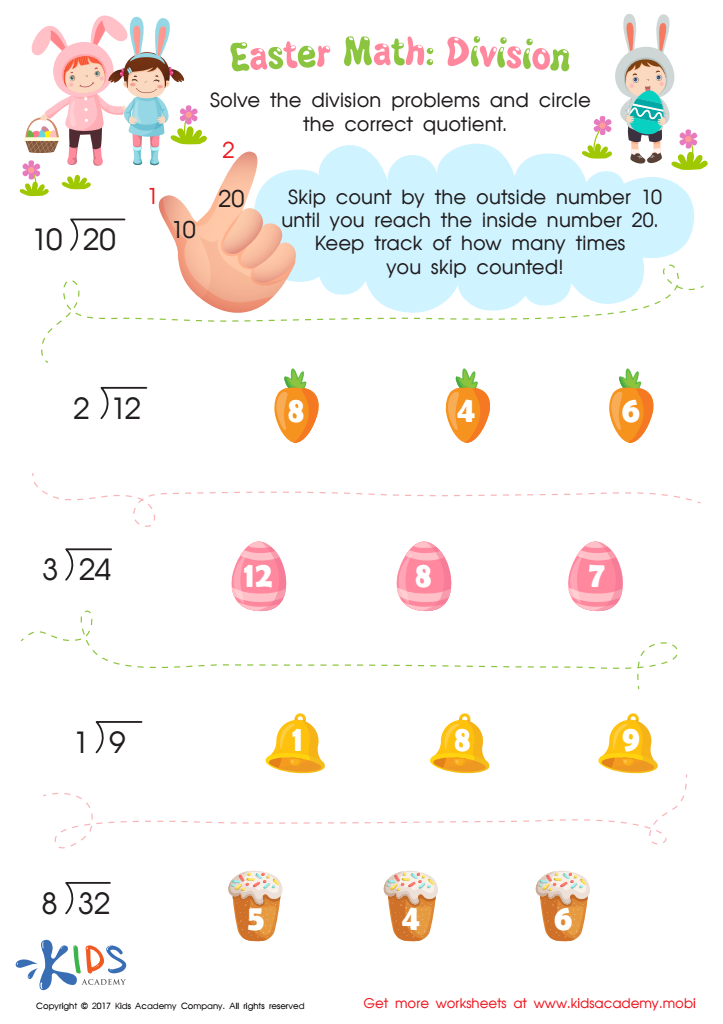
Division Worksheet
 Assign to My Students
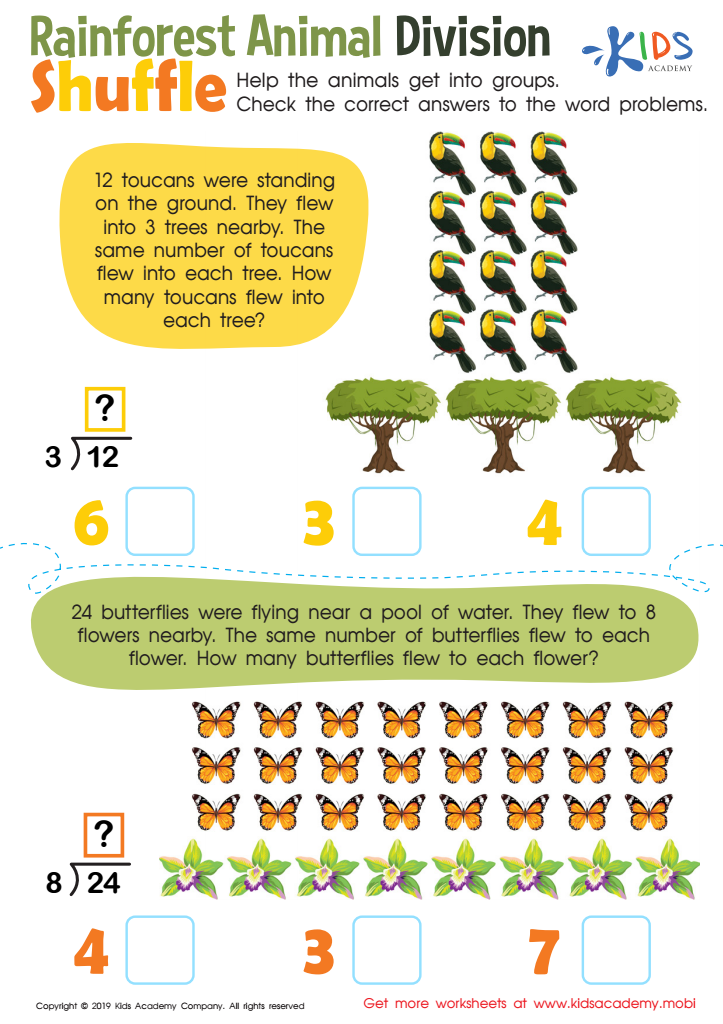
Rainforest Animal Division Worksheet
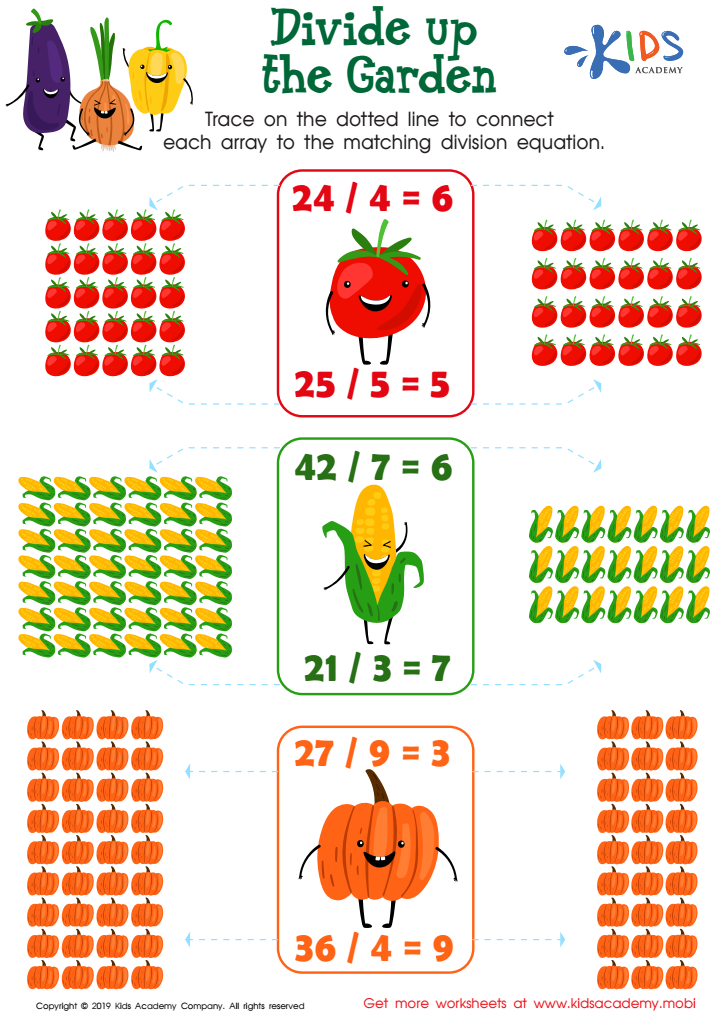
Divide up the Garden Worksheet
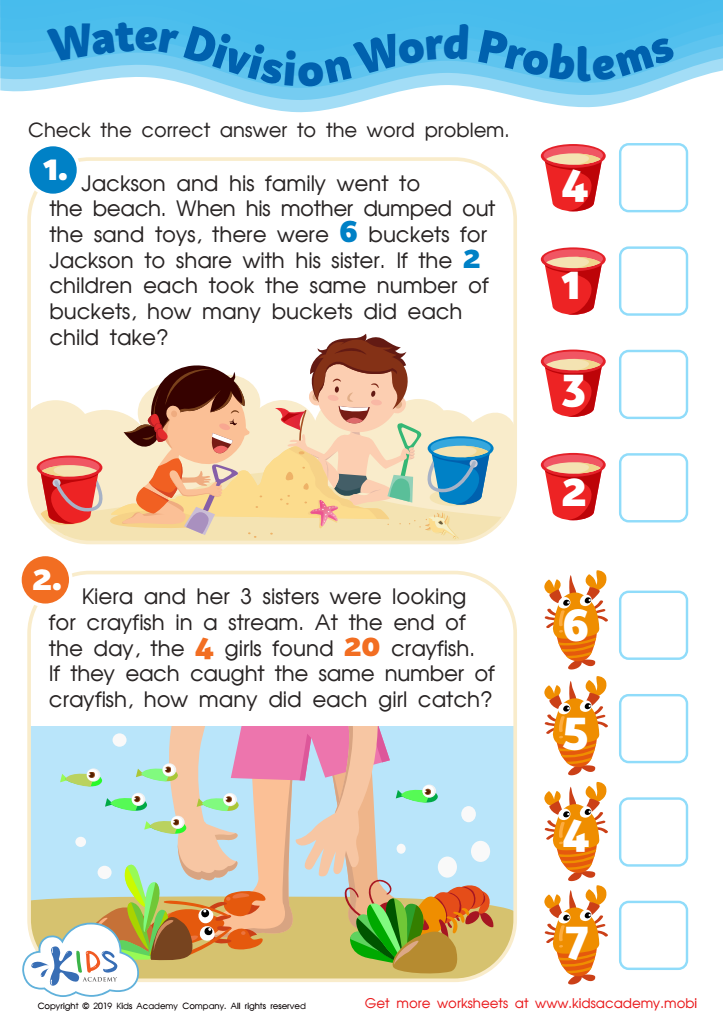
Water Division Word Problems Worksheet
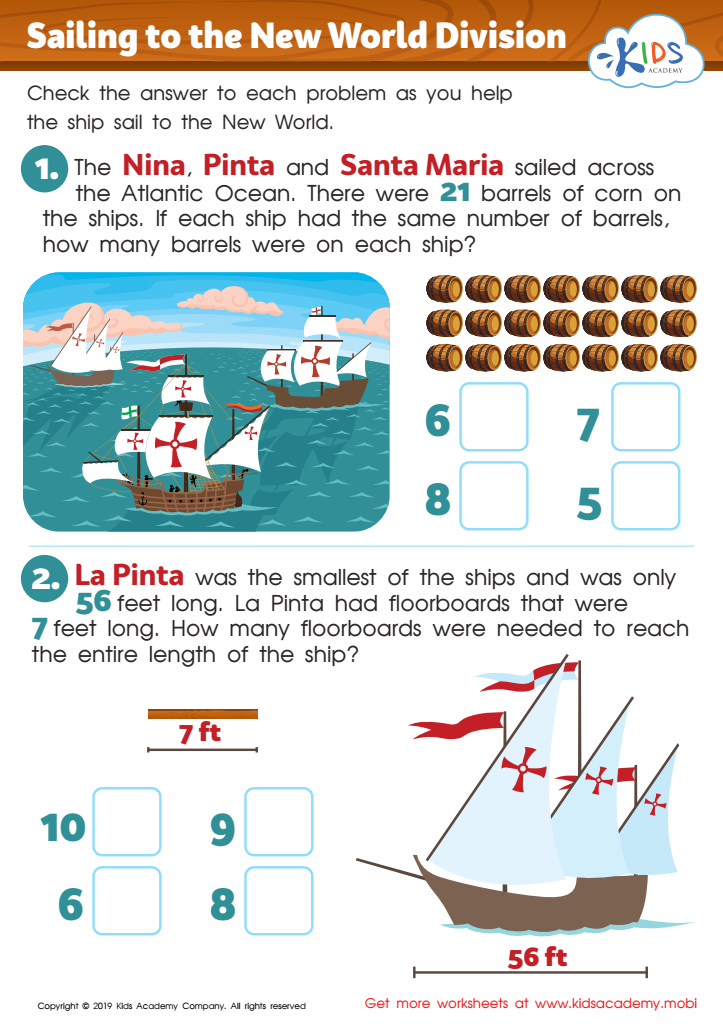
Sailing to the New World Division Worksheet
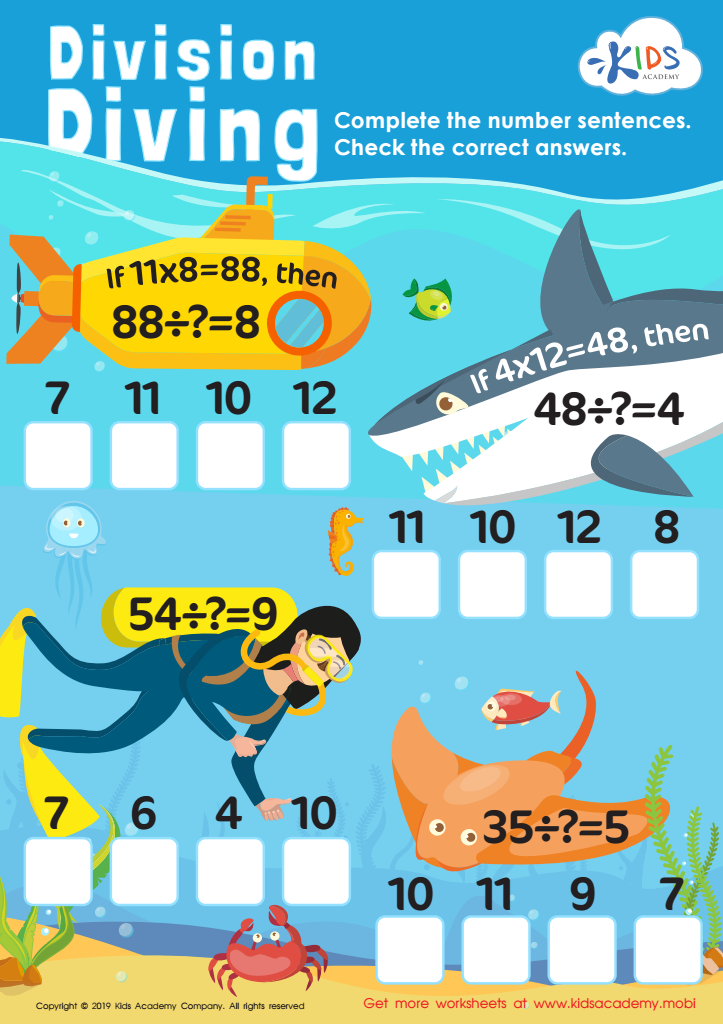
Division Diving Worksheet
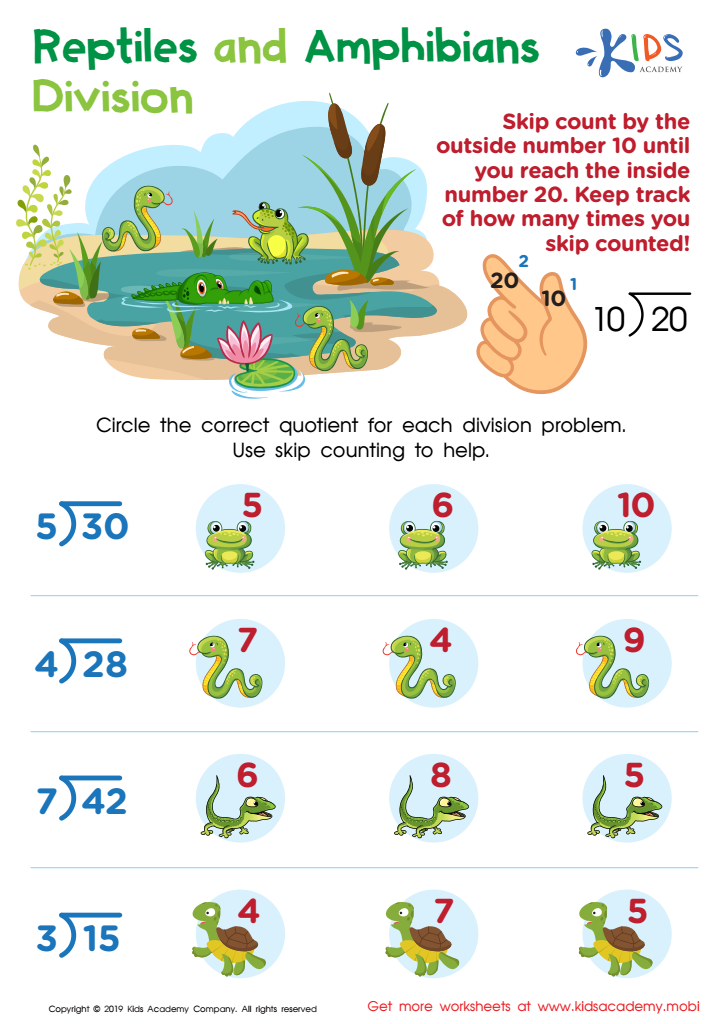
Reptile and Amphibians Division Worksheet
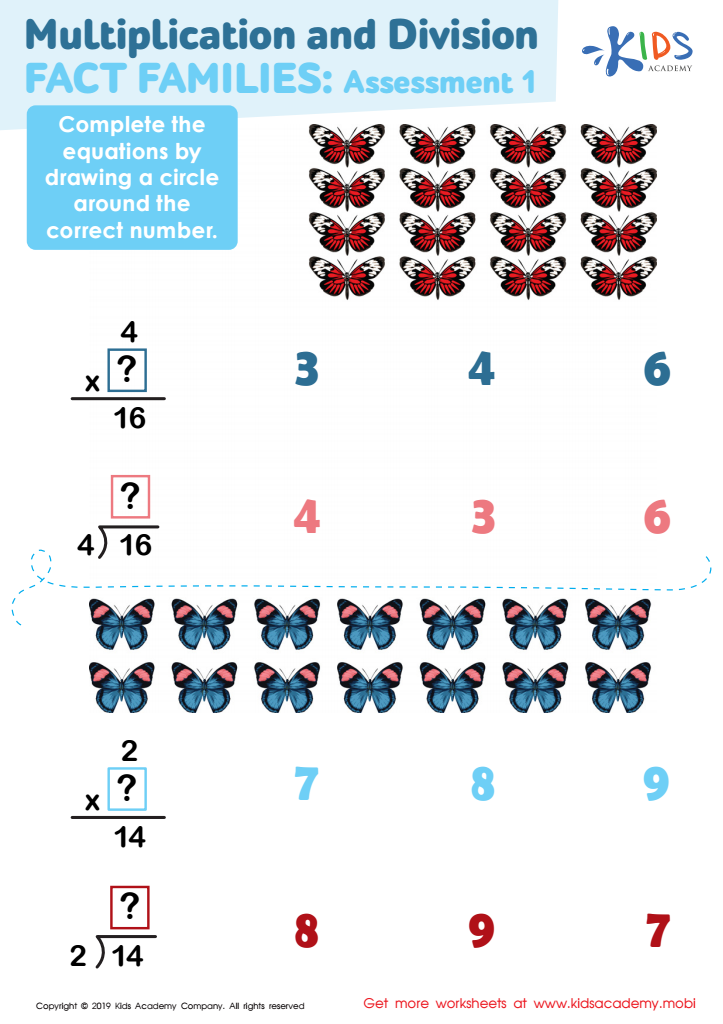
Multiplication and Division Fact Families Assessment 1 Worksheet


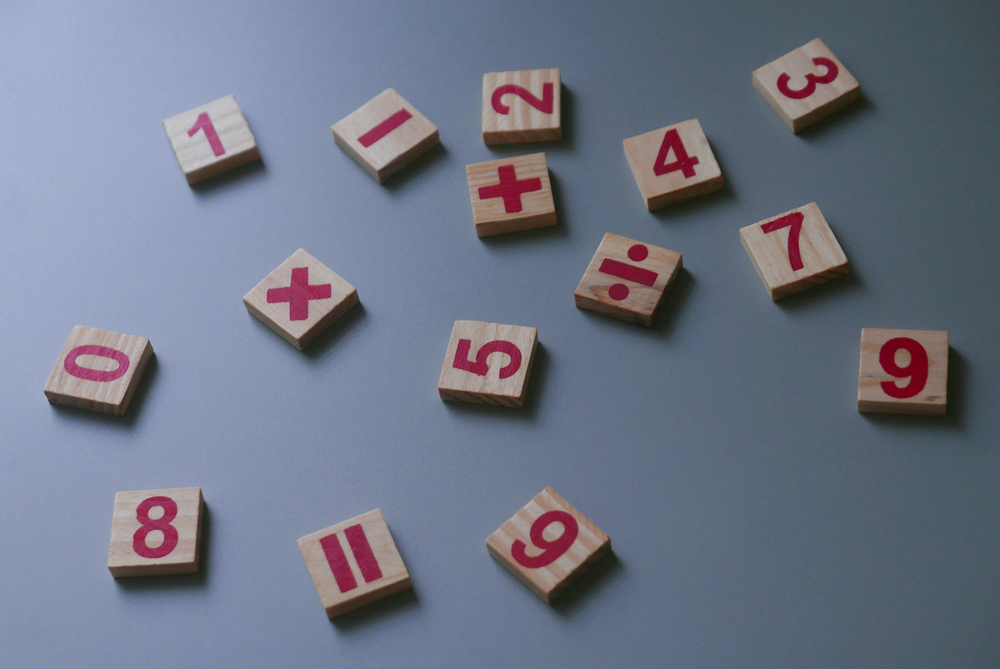





Parents and teachers should care about division practice, specifically normal division, because it lays the foundation for essential mathematical skills that students will use throughout their lives. Understanding division helps children develop problem-solving abilities and logical thinking. It enhances their ability to interpret and manage real-life situations, such as budgeting, sharing resources, and understanding ratios.
Additionally, division practice fosters the development of number sense, which is crucial for more advanced mathematics concepts, such as fractions and algebra. By mastering division early on, students build confidence in their mathematical abilities, making them more willing to tackle challenging topics in the future.
Moreover, regular practice of normal division promotes retention and recall, enabling students to solve problems more quickly and accurately. This proficiency is especially important in standardized testing and academic competitions.
Finally, division practice encourages collaboration and communication among peers, as students often work together to solve division problems. This social interaction not only enhances their understanding of math concepts but also builds teamwork skills and friendships. By prioritizing division practice, parents and teachers empower children to become successful, capable, and independent learners in both mathematics and everyday life.








