Reading comprehension Normal Geometry Worksheets
4 filtered results
-
From - To
Enhance your child's learning with our Reading Comprehension Normal Geometry Worksheets! Designed for young learners, these worksheets seamlessly combine geometry concepts with reading skills. Children will explore geometric shapes, properties, and patterns while honing their comprehension abilities. Each worksheet features engaging visuals and clear text, making learning both fun and effective. Perfect for at-home practice or classroom activities, our resources help build essential problem-solving skills and boost confidence in mathematics. Download these interactive worksheets today and support your child's academic growth in geometry and reading comprehension, setting them on the path to future success!
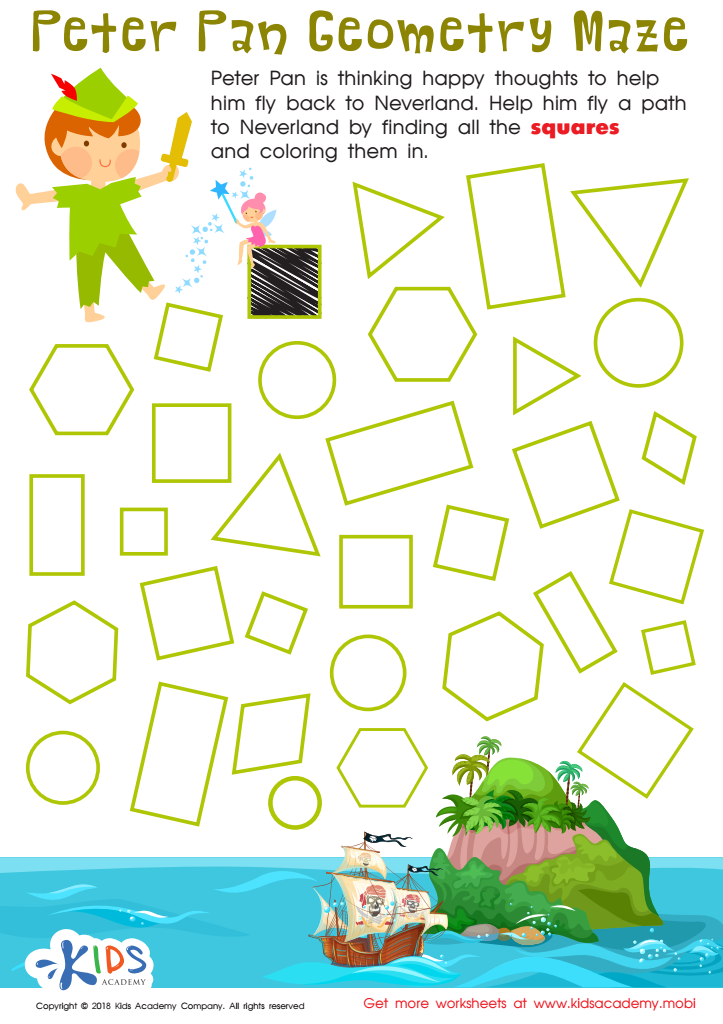
Peter Pan Worksheet
 Assign to My Students











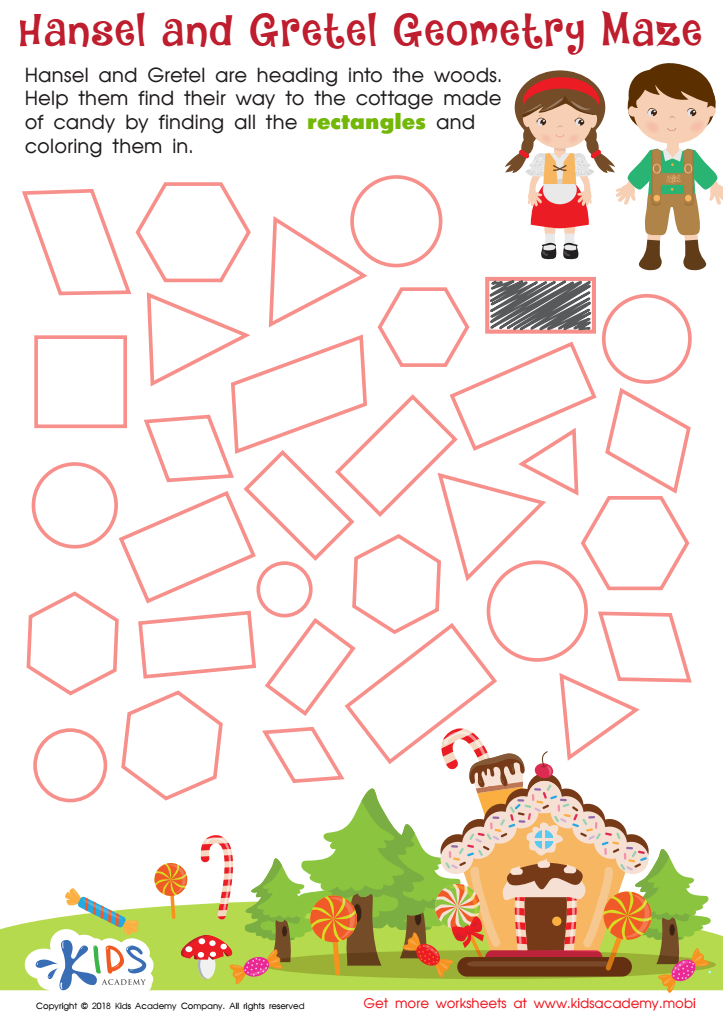
Hansel and Gretel Geometry Maze Worksheet
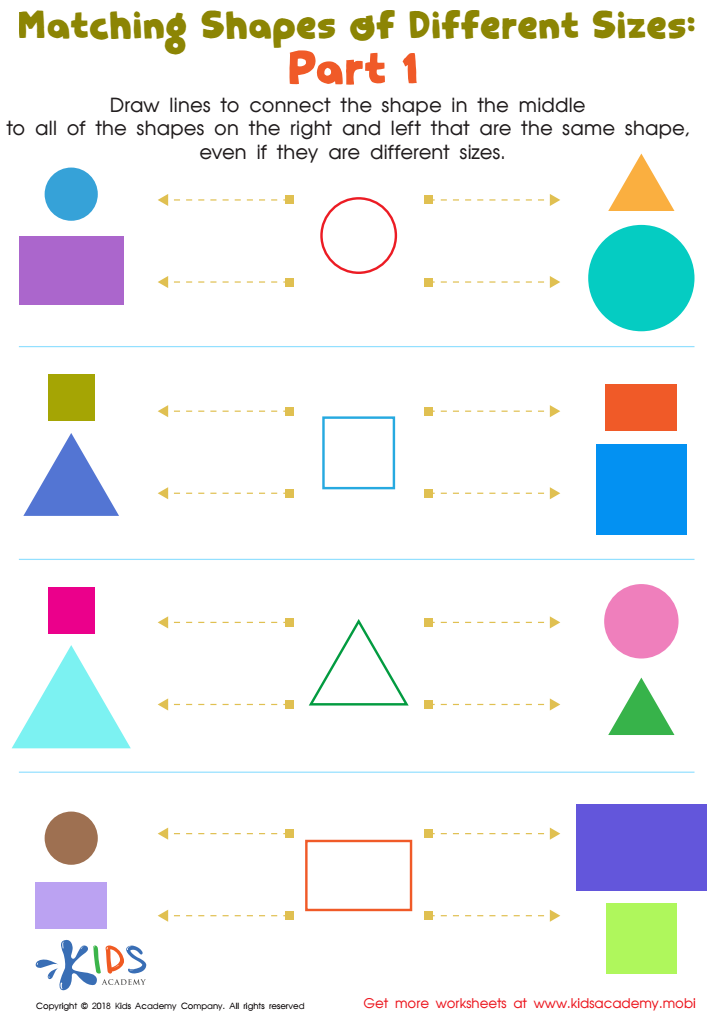
Geometry: part 1 Worksheet
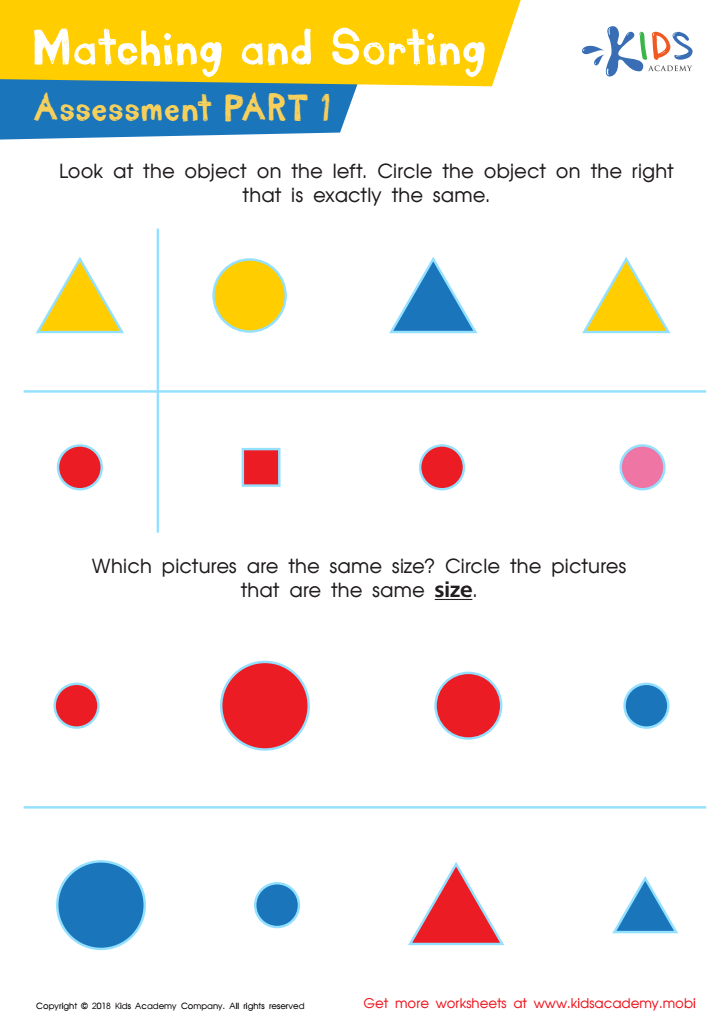
Matching and Sorting for Kindergarten: Assessment 1 Worksheet








Reading comprehension in the context of normal geometry is essential for children’s academic success and overall cognitive development. Parents and teachers should care about this subject because it encompasses the ability to understand and interpret geometric concepts, which are foundational in both math and literacy skills.
Geometry isn't just about shapes and formulas; it requires students to make sense of visual information, follow logical reasoning, and apply language skills to express their understanding. When children grasp geometric principles through reading comprehension, they develop critical thinking skills that extend beyond the classroom.
Additionally, strong reading comprehension in geometry fosters confidence and enthusiasm in learning. Educators often use geometric language to enhance vocabulary and communication skills; understanding these concepts allows children to articulate their ideas more effectively.
Moreover, integrating reading with geometry supports interdisciplinary learning. It captures children’s interest and helps them see connections between subjects, making education more holistic. Overall, investing time in supporting reading comprehension related to normal geometry equips students with essential tools for problem-solving and enhances their ability to navigate complex ideas in everyday life. Parents and teachers, as facilitators of this process, help to lay the groundwork for future academic and career opportunities.








