Vocabulary enhancement Normal Geometry Worksheets
6 filtered results
-
From - To
Enhance your child’s mathematical vocabulary with our engaging Normal Geometry Worksheets! Designed for young learners, these worksheets provide a fun and interactive way to grasp geometry concepts. Each activity focuses on key terms and definitions, helping students build a strong foundation in math language. With colorful illustrations and stimulating exercises, children will enjoy learning about shapes, angles, and spatial relationships. Perfect for classroom use or at-home practice, our vocabulary enhancement worksheets empower kids to express their understanding of geometry confidently. Explore multiple learning levels tailored for varying skill sets, ensuring every child thrives in their math journey. Download today and inspire curiosity!
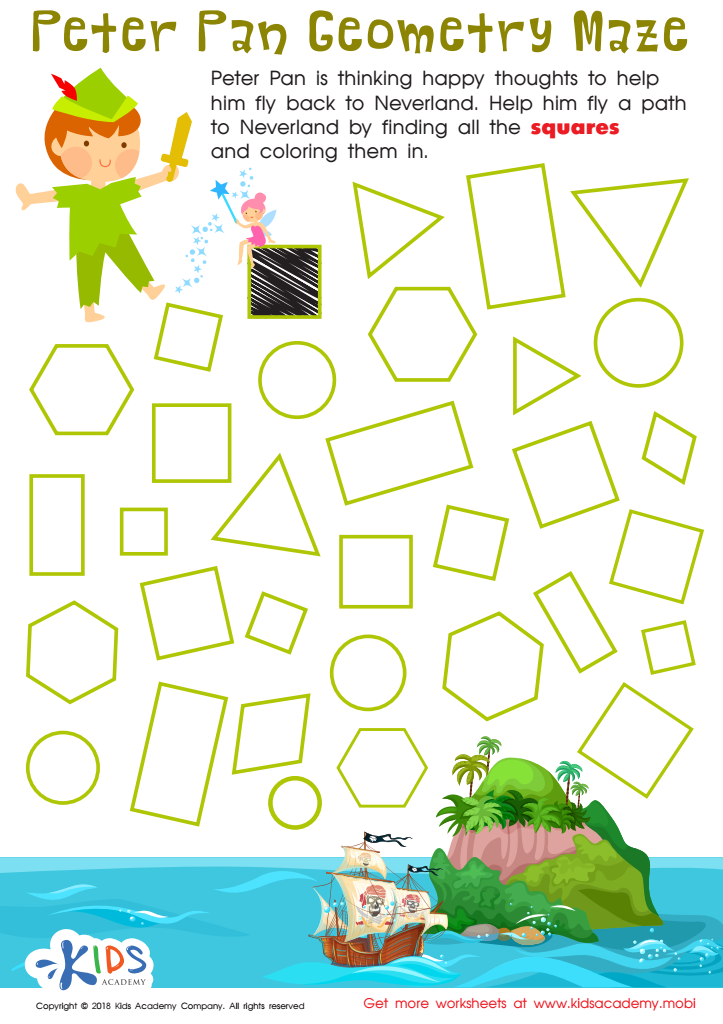
Peter Pan Worksheet
 Assign to My Students











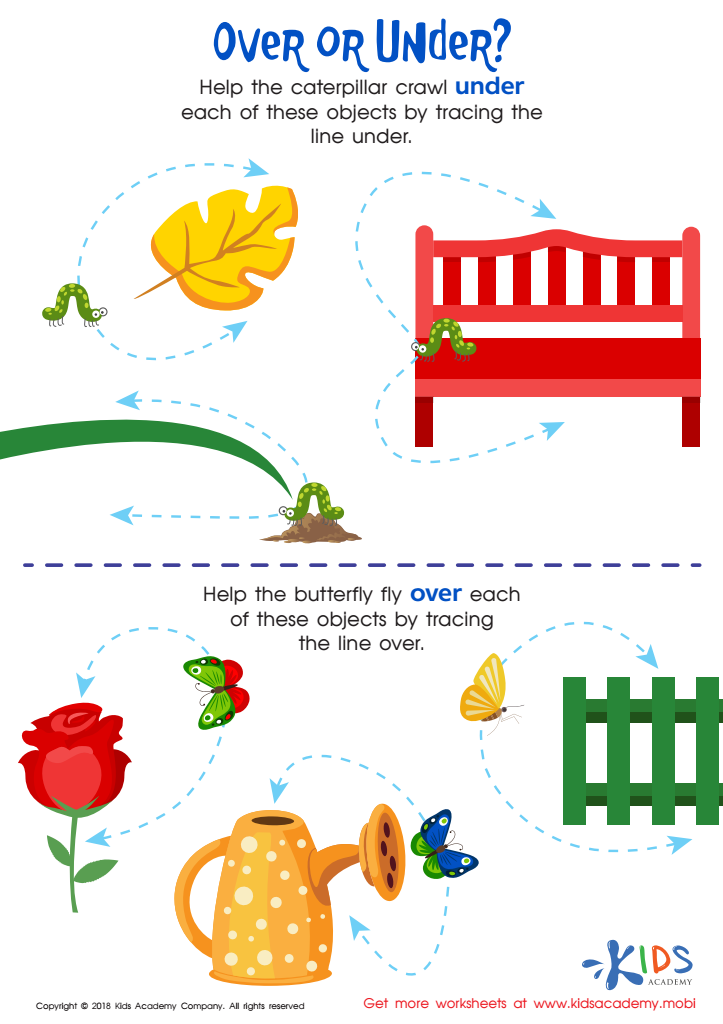
Over or Under? Worksheet
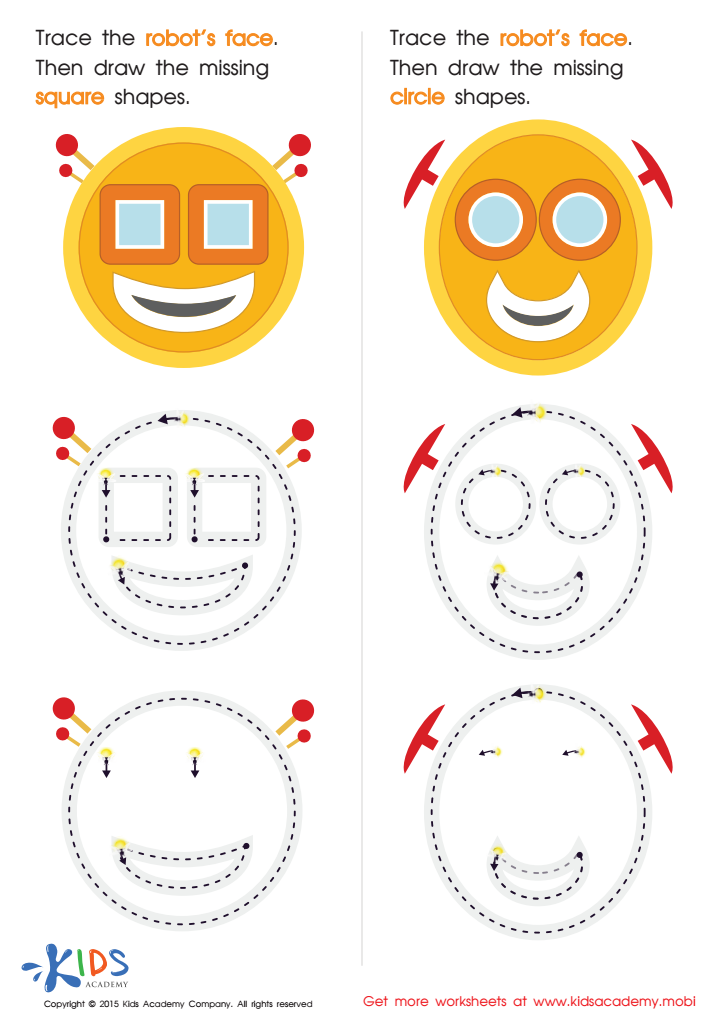
Practicing to Draw Circles And Squares Printable
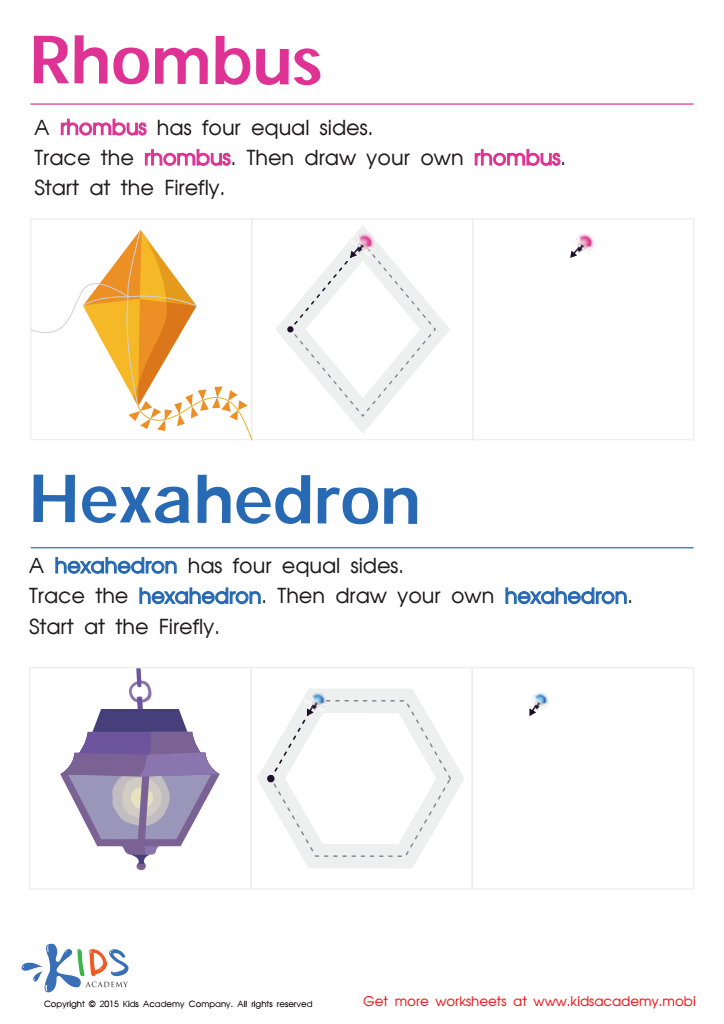
Draw a Rhombus And a Hexahedron Printable
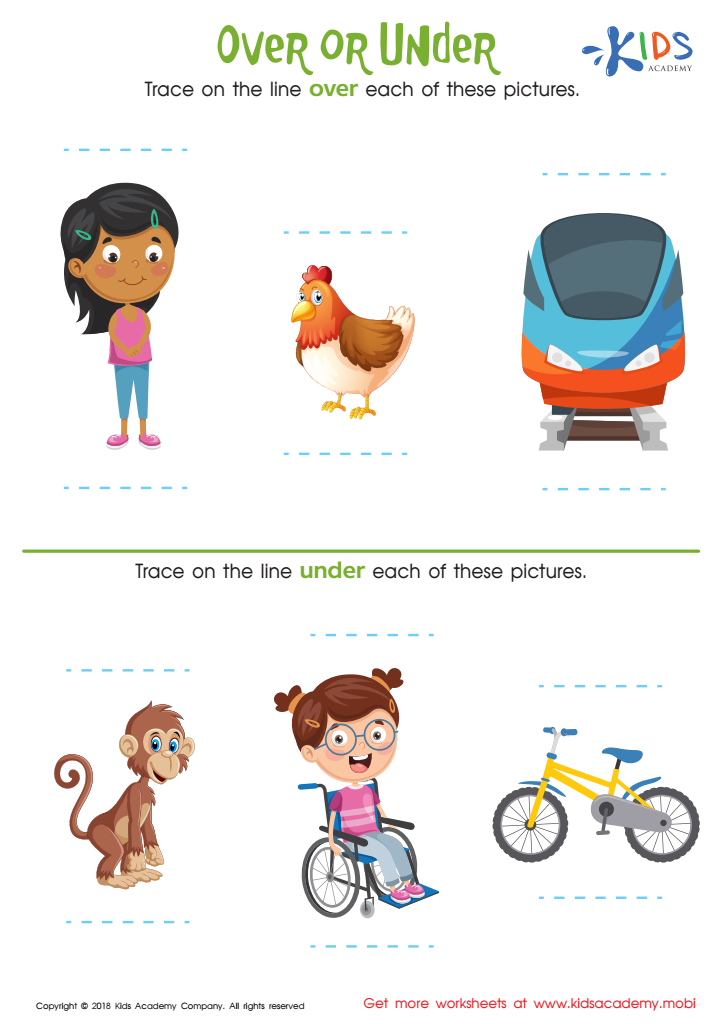
Over or Under Worksheet
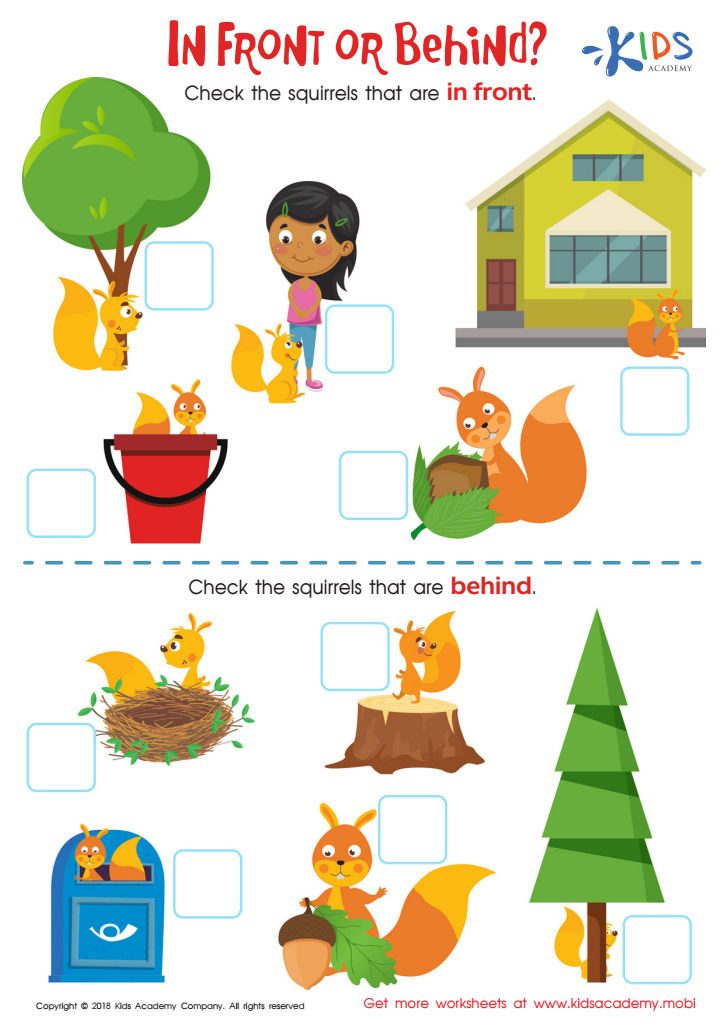
In Front or Behind: Part 2 Worksheet








Vocabulary enhancement in normal geometry is essential for both parents and teachers, as it lays the foundation for students' mathematical understanding and effective communication of concepts. Mathematics, especially geometry, is rich with specific terminology and nuanced meanings that students must grasp to succeed. An enriched vocabulary enables learners to articulate ideas, solve problems, and collaborate with peers confidently.
When parents and teachers prioritize vocabulary enhancement, they actively contribute to the development of critical thinking skills. Students become adept at recognizing shapes, understanding spatial relationships, and applying geometric principles in real-world contexts. Enhanced vocabulary also aids in comprehension; students who understand geometric terms are less likely to struggle with instruction, homework, and assessments.
Moreover, fostering a strong math vocabulary can promote a positive attitude towards learning. When students feel competent in discussing geometric concepts, they engage more fully in the learning process, boosting both their confidence and enjoyment of mathematics.
Ultimately, the investment in vocabulary enhancement helps to set a solid groundwork for future learning, spanning advanced mathematics, science, and technical fields. This early emphasis on vocabulary not only contributes to academic success but also prepares students for life outside school, where problem-solving and communication skills are invaluable.








