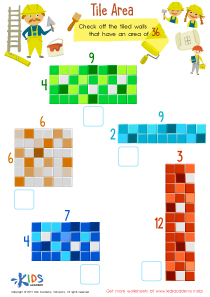
Associative learning Normal Numbers Worksheets
3 filtered results
-
From - To
Enhance your child’s numerical understanding with our Associative Learning Normal Numbers Worksheets! Designed for early grade students, these engaging resources promote foundational math skills through fun, interactive exercises. Each worksheet focuses on helping young learners recognize, associate, and practice numbers in various contexts, reinforcing their counting and number sequence fluency. Developed by educational experts, our worksheets make learning an enjoyable adventure, bridging the gap between play and education. Suitable for classroom and home use, these worksheets are perfect for fostering a love for math while building confidence in young children. Discover the joy of learning numbers with Kids Academy!
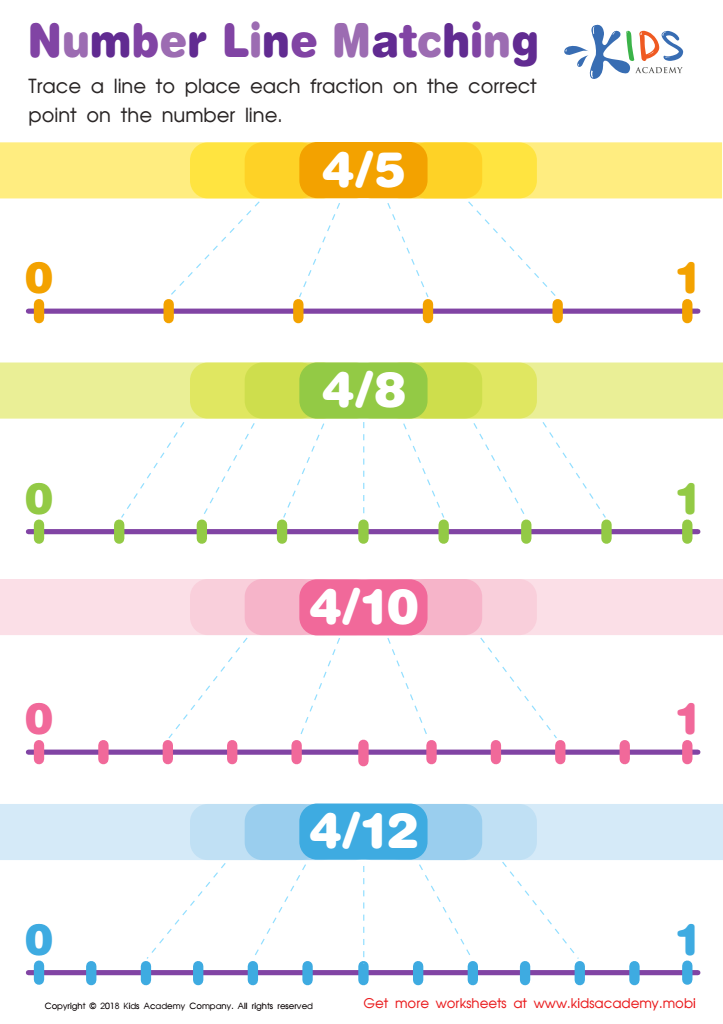
Number Line Matching Worksheet
 Assign to My Students
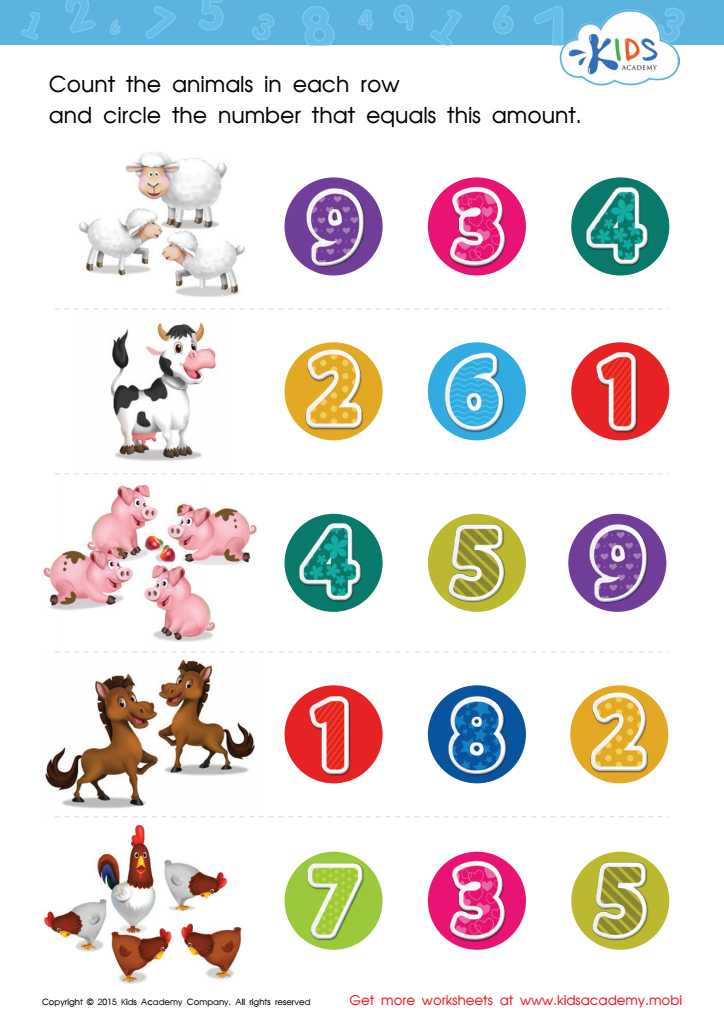
Count and Match 1 – 5 Math Worksheet
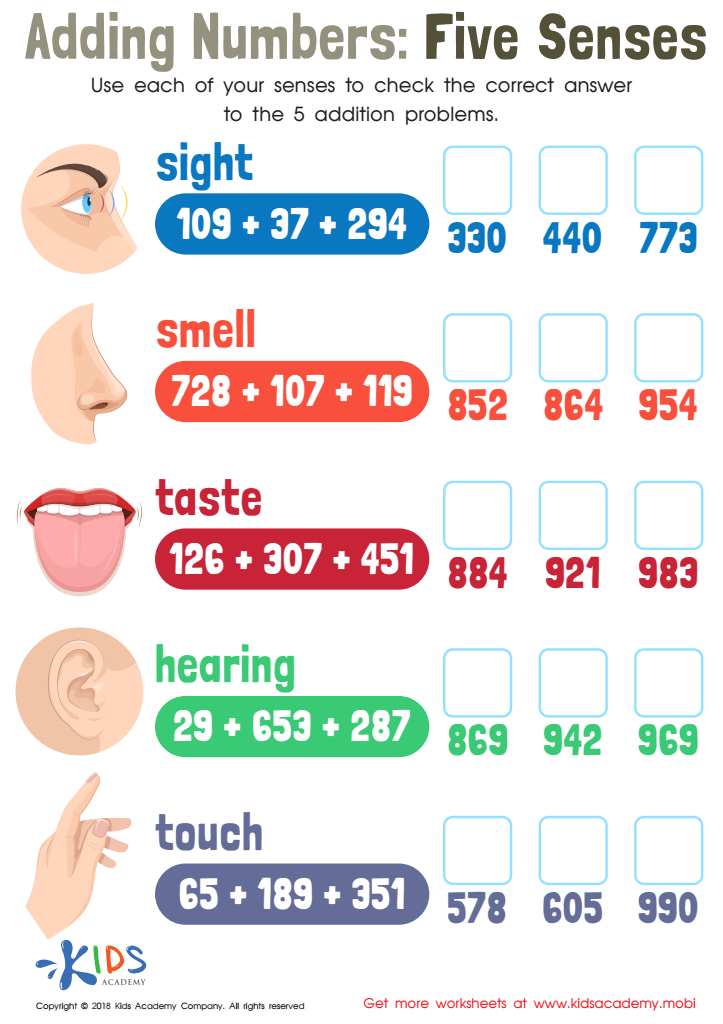
Adding Numbers: Five Senses Worksheet


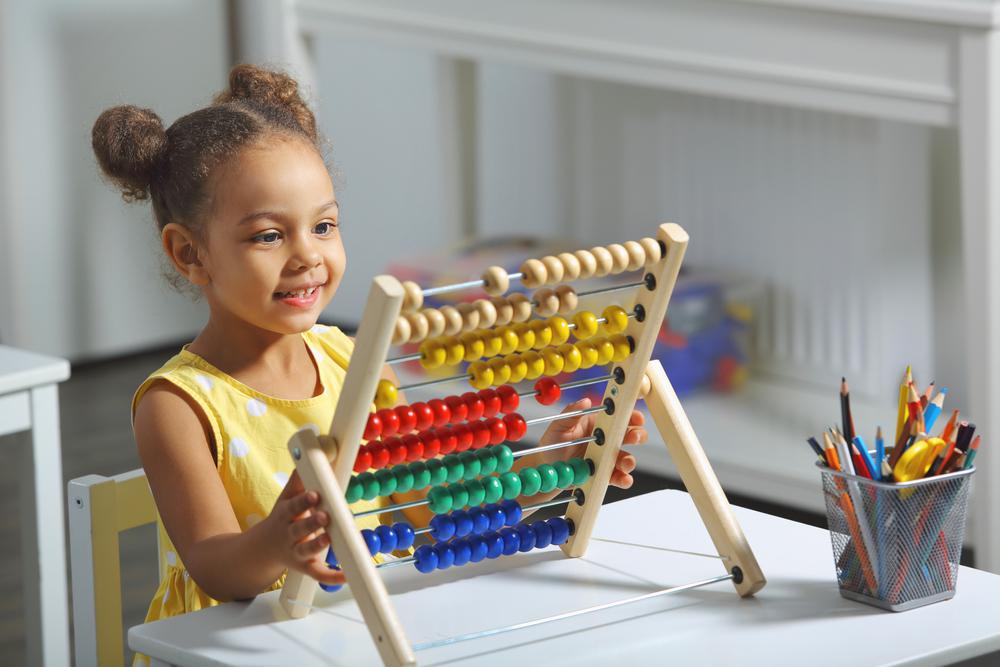





Associative learning and number sense, specifically through understanding normal numbers, play crucial roles in early childhood education. Associative learning refers to the process by which children make connections between concepts, such as numbers and real-world objects or events. As children link numbers with tangible examples—like counting apples or cookies—they develop a more profound comprehension of mathematical concepts. This foundational skill enhances problem-solving, analytical thinking, and the ability to make logical connections, which are essential for academic success.
Normal numbers, defined in mathematical terms as numbers whose digits are uniformly distributed, offer insight into randomness but conceptually point to an intuitive understanding of number patterns and operations in daily life. For young learners, grasping the idea that numbers follow predictable patterns helps normalize mathematical thinking, making abstract concepts more concrete.
Parents and teachers should prioritize these areas of learning to foster holistic cognitive development. Encouraging associative learning through hands-on activities and relating numbers to everyday experiences can make math engaging and less intimidating. Cultivating early number sense is not just about learning to count; it builds critical thinking and lays the groundwork for future mathematical proficiency. Awareness and support in these areas can significantly impact a child's confidence and capability in navigating more complex subjects later on.