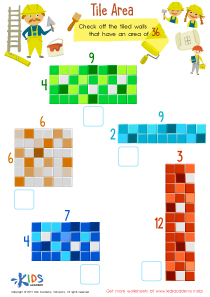
Developing counting skills Normal Numbers Worksheets
3 filtered results
-
From - To
Enhance your child's counting skills with our engaging "Developing Counting Skills Normal Numbers Worksheets." Designed for early learners, these worksheets provide fun, interactive activities that promote number recognition and mathematical understanding. Children will practice counting from 1 to 20 through colorful images and engaging exercises, fostering a love for math while building essential numeracy skills. Each worksheet is grade-appropriate and allows for self-paced learning, making it perfect for both classroom and home use. Download now to give your child a strong foundation in counting, setting them up for future academic success in mathematics! Join the learning adventure today!
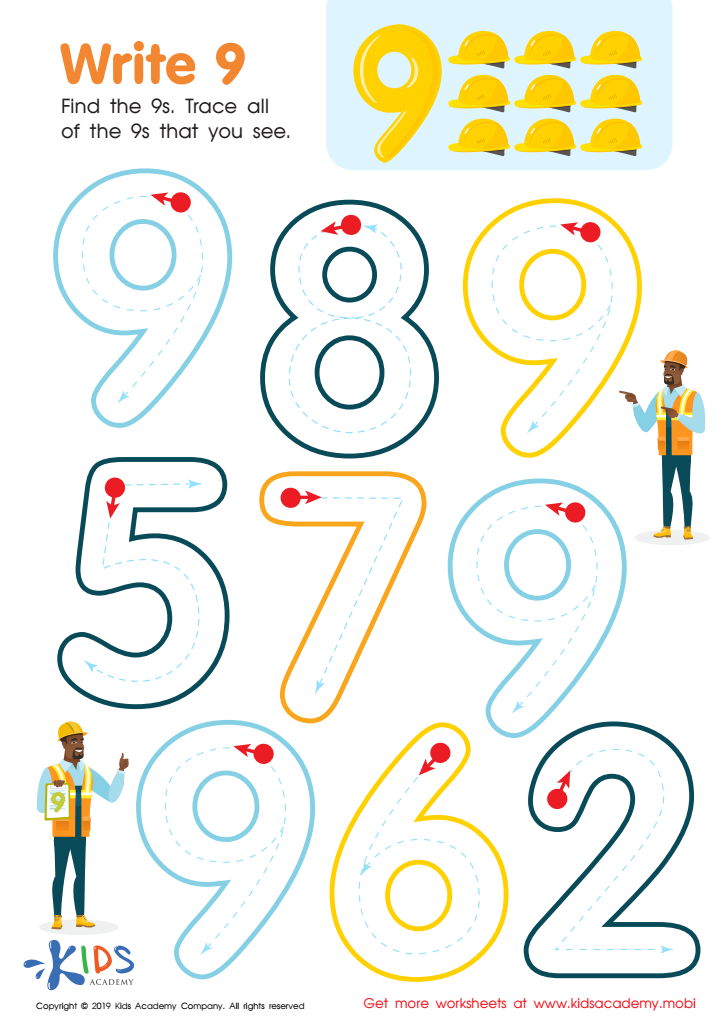
Write 9 Worksheet
 Assign to My Students
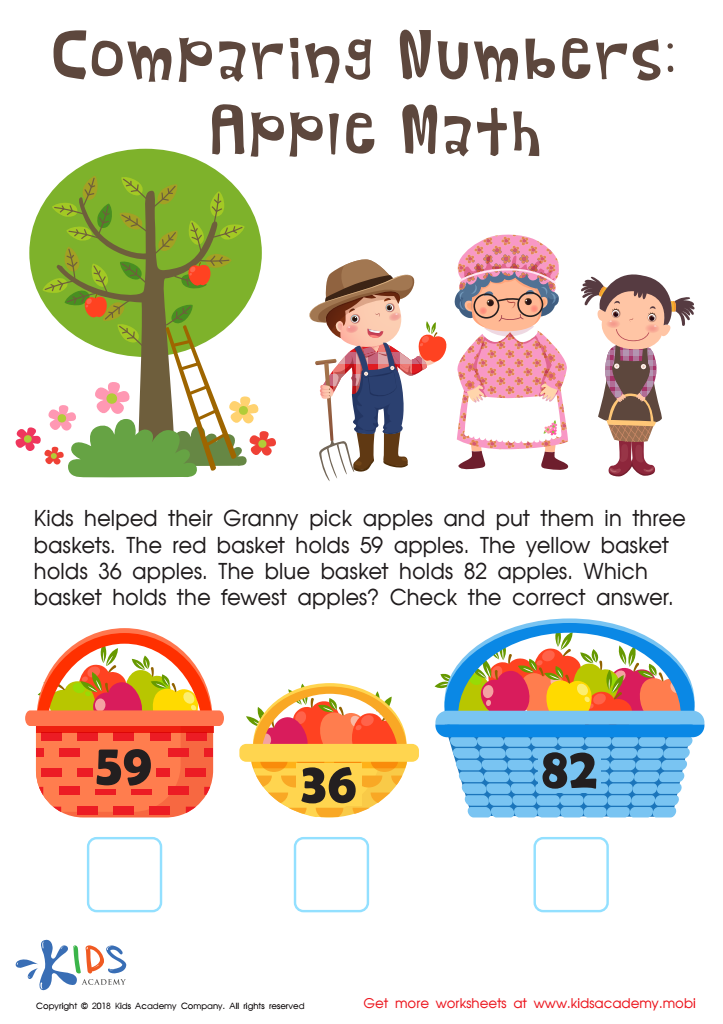
Apple Math Worksheet
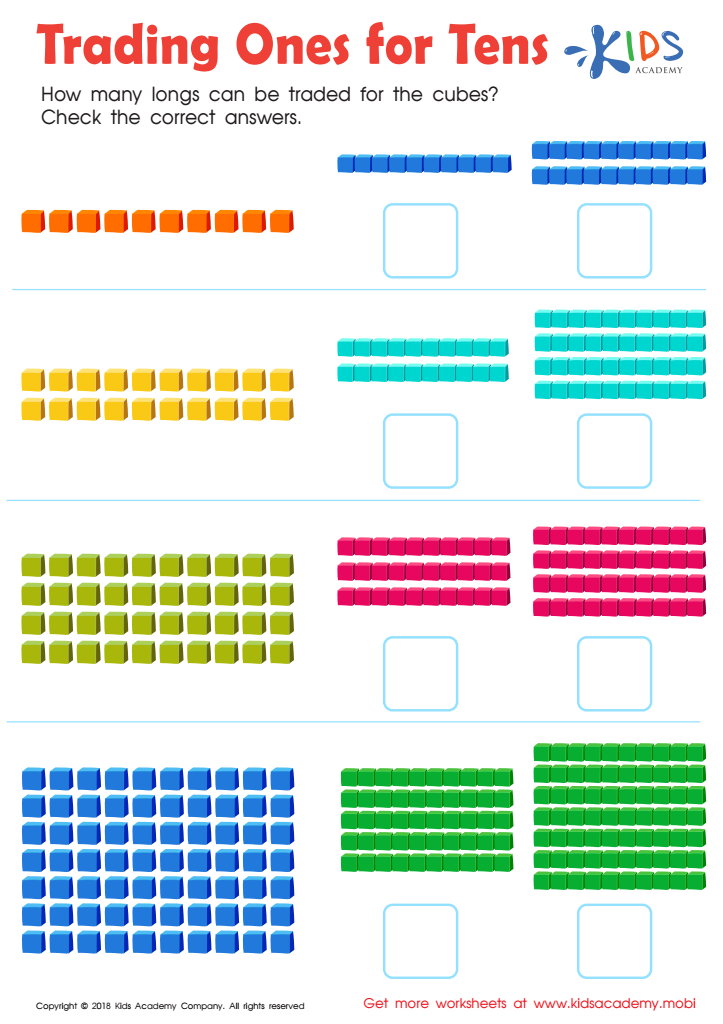
Trading Ones for Tens Worksheet: Part 2








Developing counting skills in young children is crucial for their foundational understanding of mathematics and everyday problem-solving. Normal numbers, or whole numbers, serve as the building blocks for all arithmetic operations, enabling children to grasp concepts such as addition, subtraction, and later, multiplication and division. When parents and teachers actively nurture counting skills, they foster cognitive development, enhancing children's ability to recognize patterns, make comparisons, and solve problems.
Moreover, counting aids in the development of important life skills. Children who can count are better equipped to handle tasks such as managing money, understanding time, and measuring ingredients while cooking. These everyday activities build confidence and independence, promoting a sense of achievement.
Early counting experiences also support the child's social-emotional development, as learning often occurs in interactive settings. Children counting objects with their peers or adults encourages cooperation and communication. Additionally, strong counting skills lead to a more positive attitude towards math, setting the stage for future academic success.
In summary, counting is not just a math skill—it's an essential cognitive tool that influences children's overall development. Parents and teachers should prioritize counting practices to equip children with the skills for lifelong learning and everyday success.