Geography knowledge Normal Numbers Worksheets
5 filtered results
-
From - To
Explore our Geography Knowledge Normal Numbers Worksheets, designed to enhance your child's understanding of numbers within the context of geography. Perfect for early grade learners, these engaging worksheets combine mathematical concepts with geographical awareness, helping students discover how numbers are used in maps, populations, and natural features. Each worksheet promotes critical thinking and problem-solving skills, making learning both fun and educational. Designed to be visually stimulating and age-appropriate, they are ideal for classroom use or at-home practice. Download these worksheets to support your child's learning journey and foster a love for both numbers and geography!
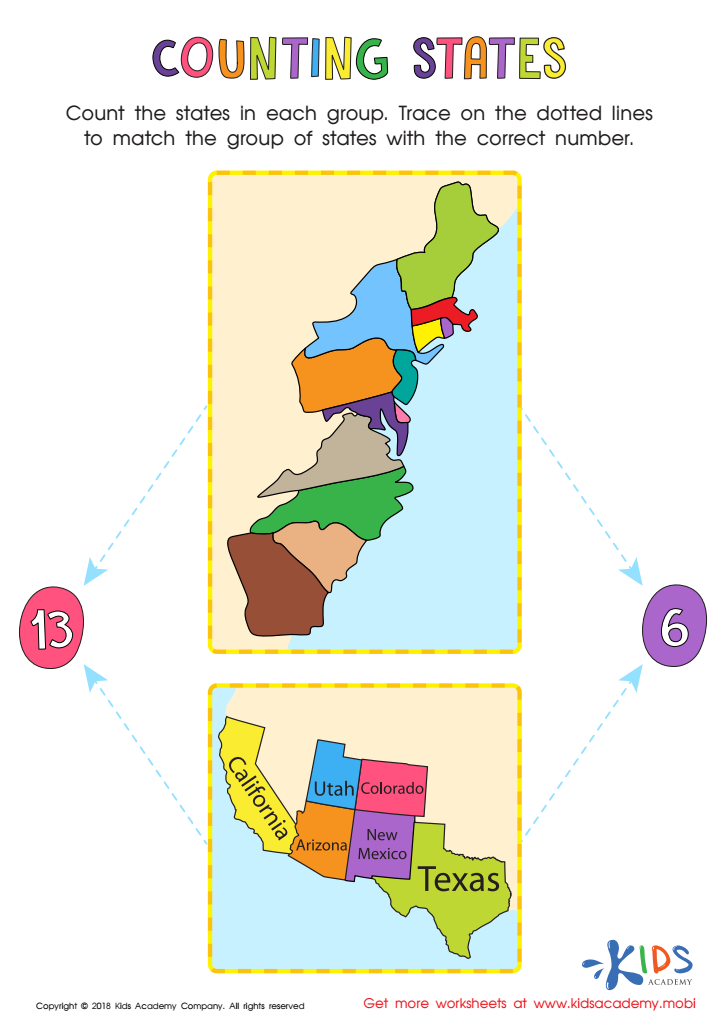
Counting States Worksheet
 Assign to My Students
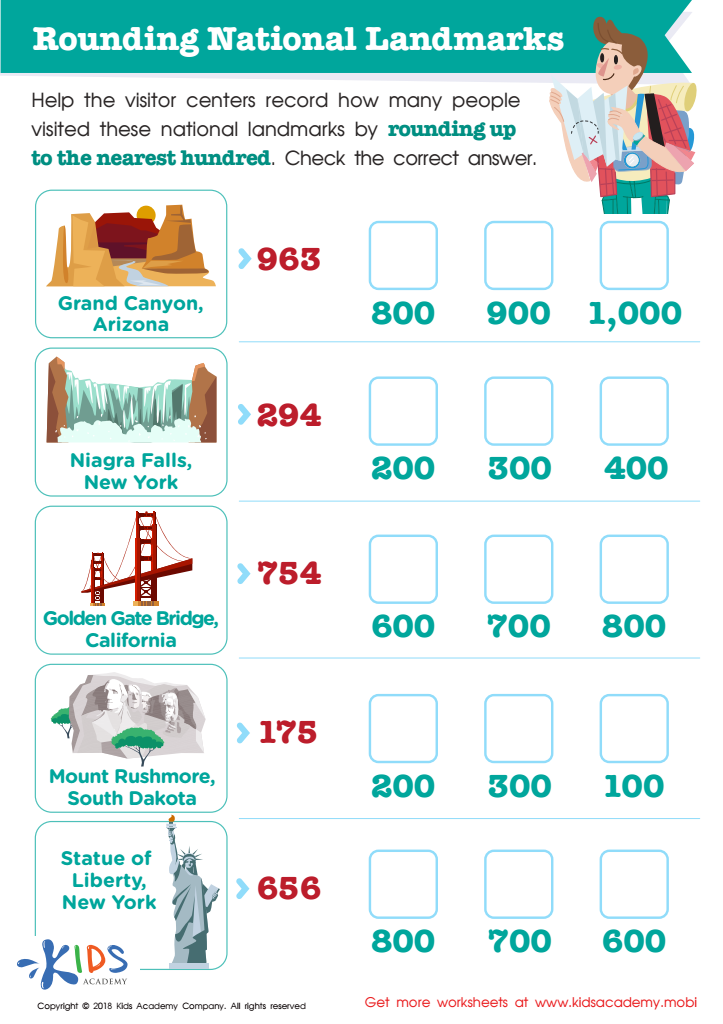
Rounding National Landmarks Worksheet
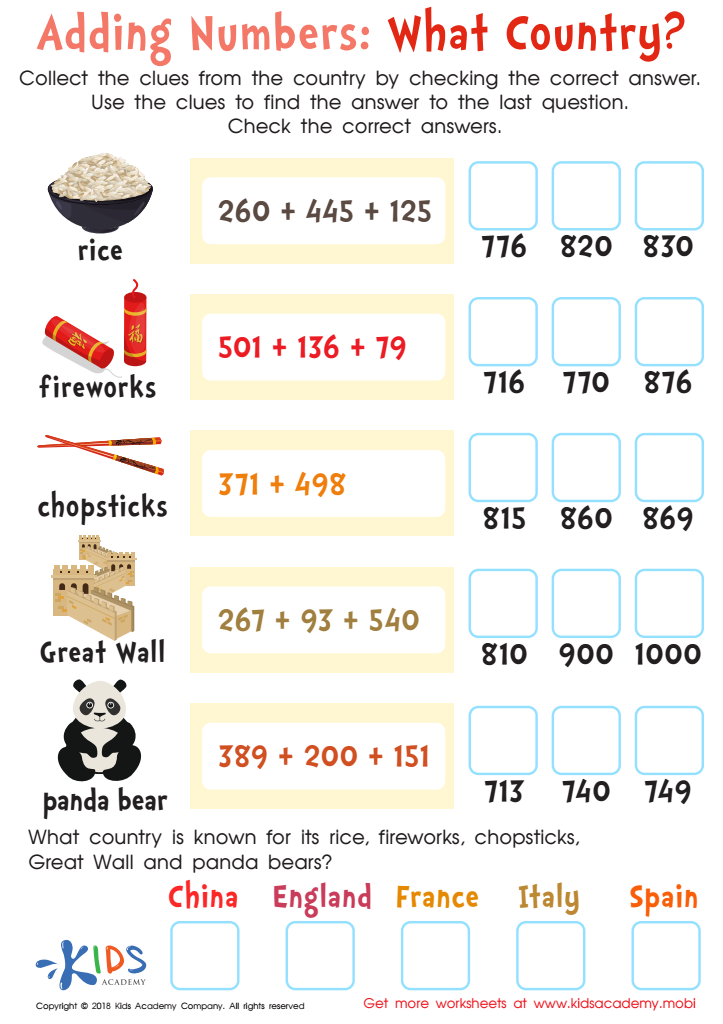
Adding Numbers: What Country Worksheet
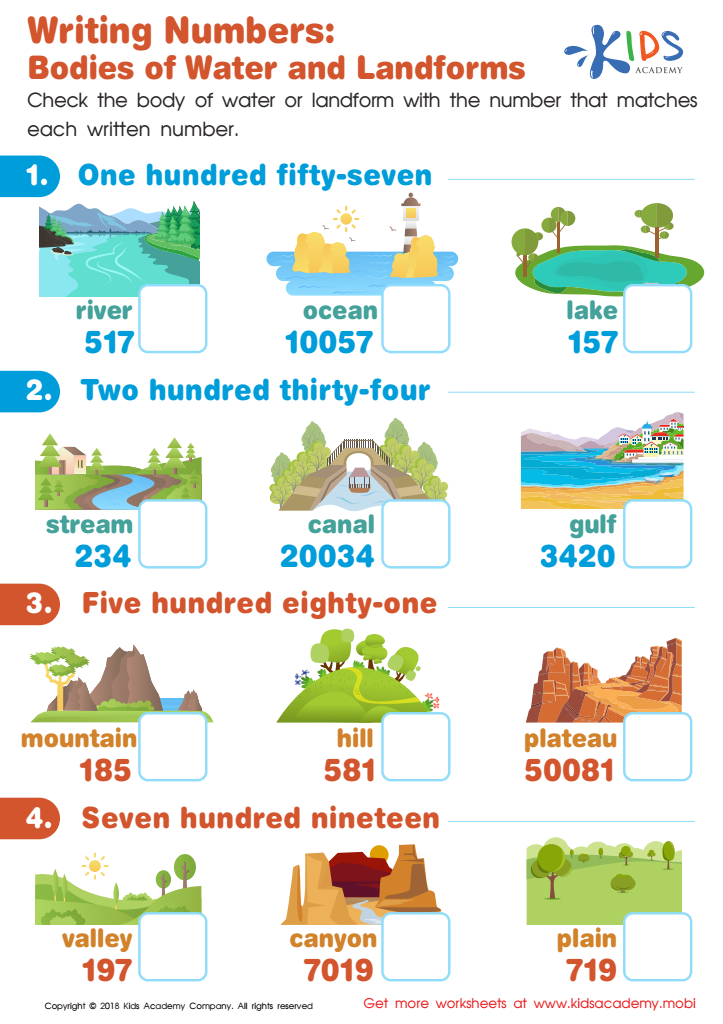
Bodies of Water and Landforms Writing Numbers Worksheet
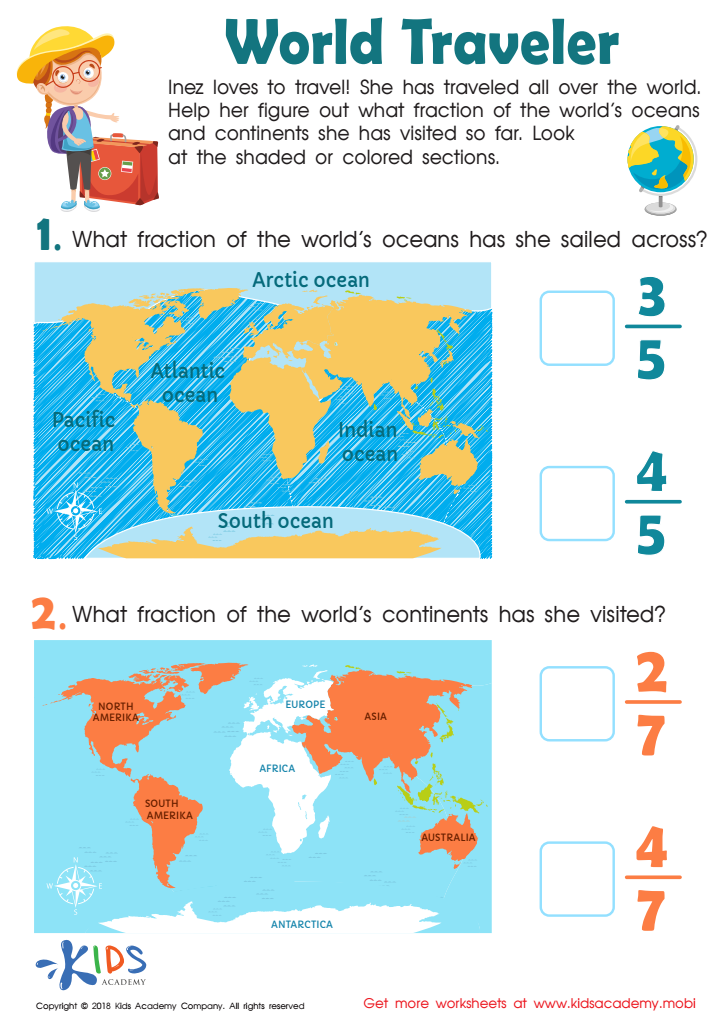
World Traveler Worksheet







Understanding geography and the concept of normal numbers is essential for both students and educators, as it lays a crucial foundation for developing critical thinking and global awareness. Geography helps students learn about the world’s physical and human systems, fostering an appreciation for different cultures, environments, and social structures. In an increasingly interconnected world, having a solid geographical knowledge promotes empathy and understanding, making it easier for individuals to navigate societal complexities.
Learning about normal numbers—often linked to statistical or mathematical concepts—can further enhance this geographic understanding. Normal numbers help in interpreting geographic data, such as population demographics, resource distribution, and environmental statistics. This quantitative literacy enables students to critically analyze information, understand patterns, and make informed decisions.
For parents and teachers, supporting geography education can help children build a robust skill set that encourages exploratory thinking and problem-solving abilities. Community awareness, environmental conservation, and appreciation for diversity are all outcomes of robust geographical education. Ultimately, fostering a profound understanding of geography and related concepts like normal numbers equips children to be informed global citizens who can contribute positively to society.








