Logical Reasoning Normal Numbers Worksheets
4 filtered results
-
From - To
Enhance your child's critical thinking skills with our Logical Reasoning Normal Numbers Worksheets from Kids Academy. Designed for young learners, these worksheets provide a fun and engaging way to improve logical reasoning through number-based challenges. Each worksheet encourages students to recognize patterns, solve puzzles, and develop essential math skills. Perfect for classroom settings or at-home learning, these worksheets are a valuable resource for nurturing a child's growth in mathematical reasoning. Visit Kids Academy to access a variety of formats, ensuring your child has everything they need to excel in their educational journey. Download today and watch their logic soar!
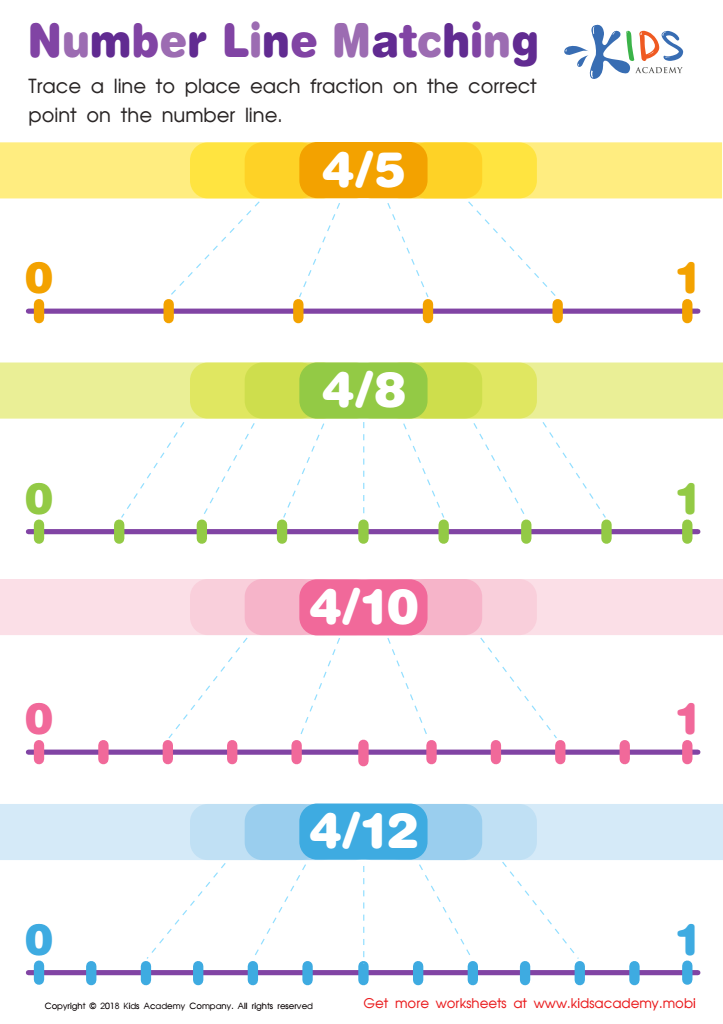
Number Line Matching Worksheet
 Assign to My Students

Flower Arrangement Worksheet
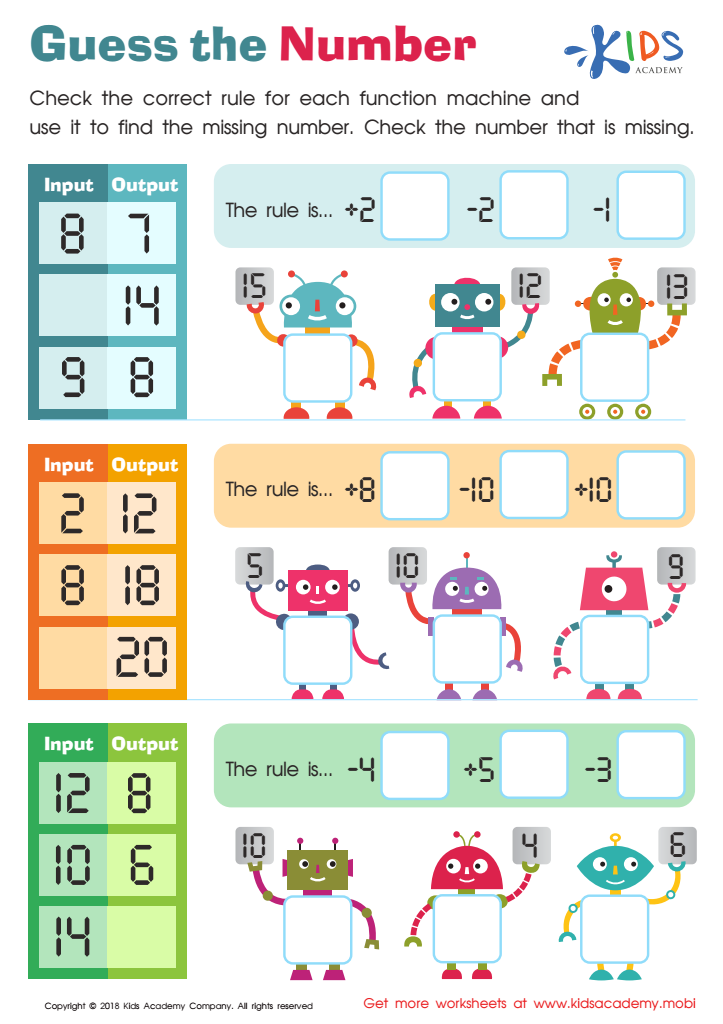
Guess the Number Worksheet
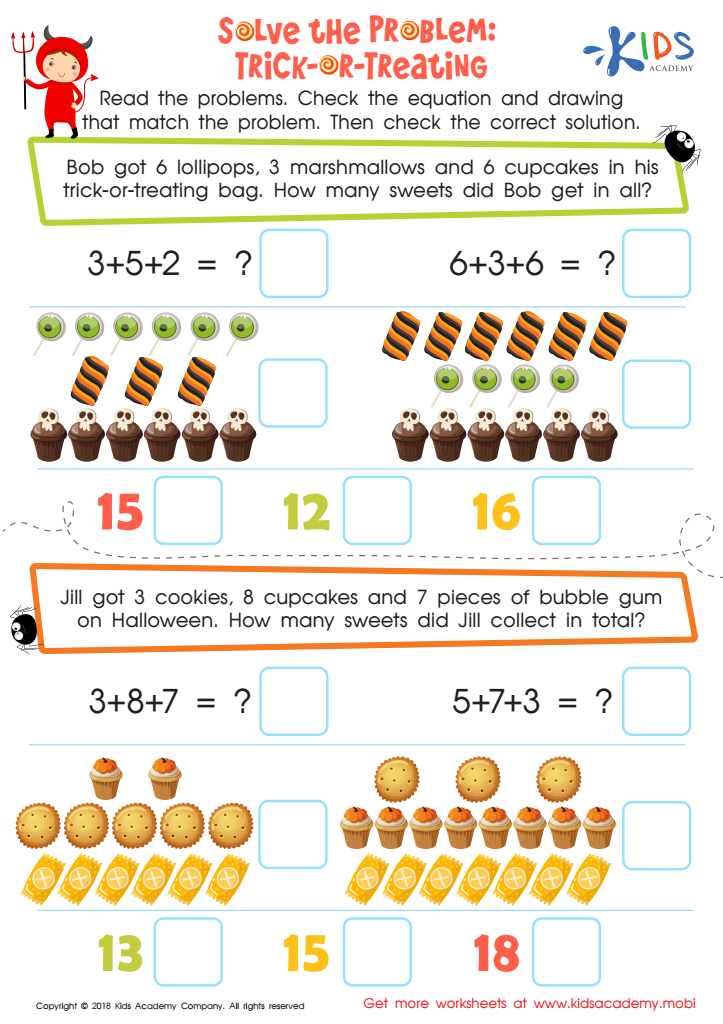
Solve the Problem: Trick–or–treating Worksheet








Logical Reasoning and Normal Numbers are crucial areas of learning that significantly impact children's overall cognitive development. For one, logical reasoning enhances problem-solving abilities, crucial for academic success and practical decision-making. By nurturing this skill early, parents and teachers equip children to approach complex challenges analytically, develop critical thinking, and discern patterns—abilities invaluable throughout life.
Normal Numbers, or statistical understanding and working with average values, form the foundation of quantitative literacy. They enhance a child’s capacity to interpret data, assess information critically, and make informed decisions. A solid grasp of Normal Numbers ensures children are not only good at math but are also prepared to understand more advanced concepts in statistics, finance, and beyond.
Integrating logical reasoning and Normal Numbers into early education engages young minds actively, stimulating intellectual curiosity. This foundation enables children to be adaptive learners, as they are more equipped to understand abstract concepts and diverse subjects ranging from science to social studies.
In sum, focusing on logical reasoning and normal numbers cultivates a well-rounded, analytical, and numerically literate individual, poised for success in an increasingly data-driven world. For parents and teachers, investing in these areas means ensuring children develop essential skills that underpin both academic achievement and practical, day-to-day decision-making.