Developing analytical thinking Normal Math Worksheets
3 filtered results
-
From - To
Unlock your child's potential with our "Developing Analytical Thinking" Normal Math Worksheets, designed to build critical thinking and problem-solving skills. Tailored for young learners, these engaging and age-appropriate exercises help make math both fun and educational. From pattern recognition to logical deduction, each worksheet aims to enhance students' math proficiency and analytical abilities. Perfect for elementary school students, our interactive printables support classroom learning or homeschooling efforts. Empower your child with the tools to excel in math and life, fostering cognitive growth and a love for learning with our expertly crafted materials. Explore 'Developing Analytical Thinking' today!
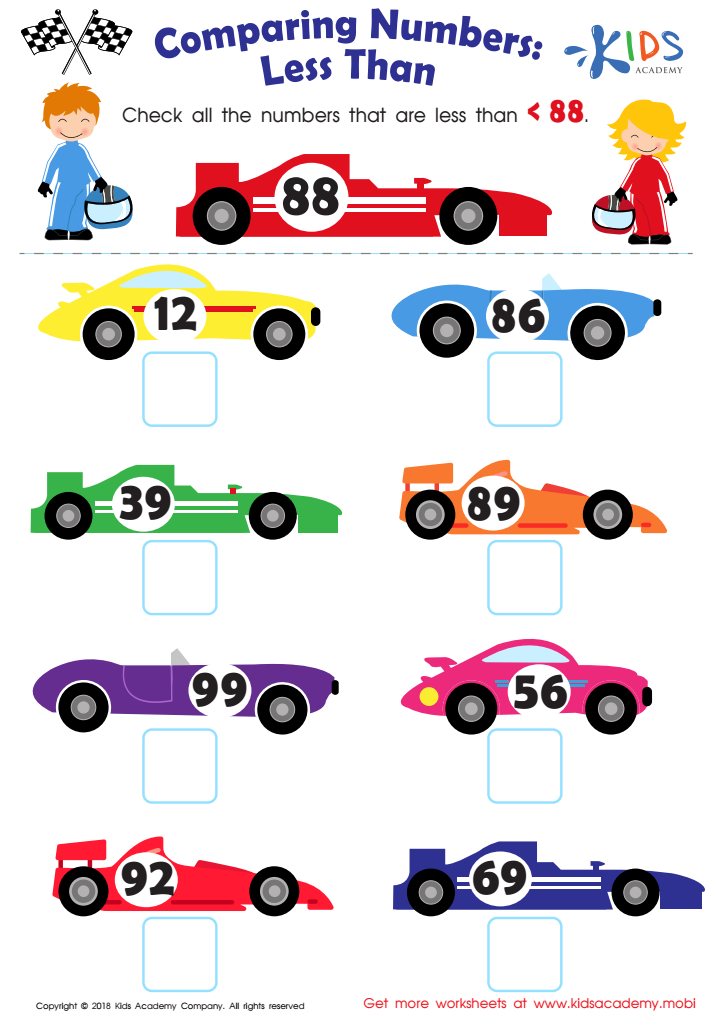
Less Than Worksheet
 Assign to My Students
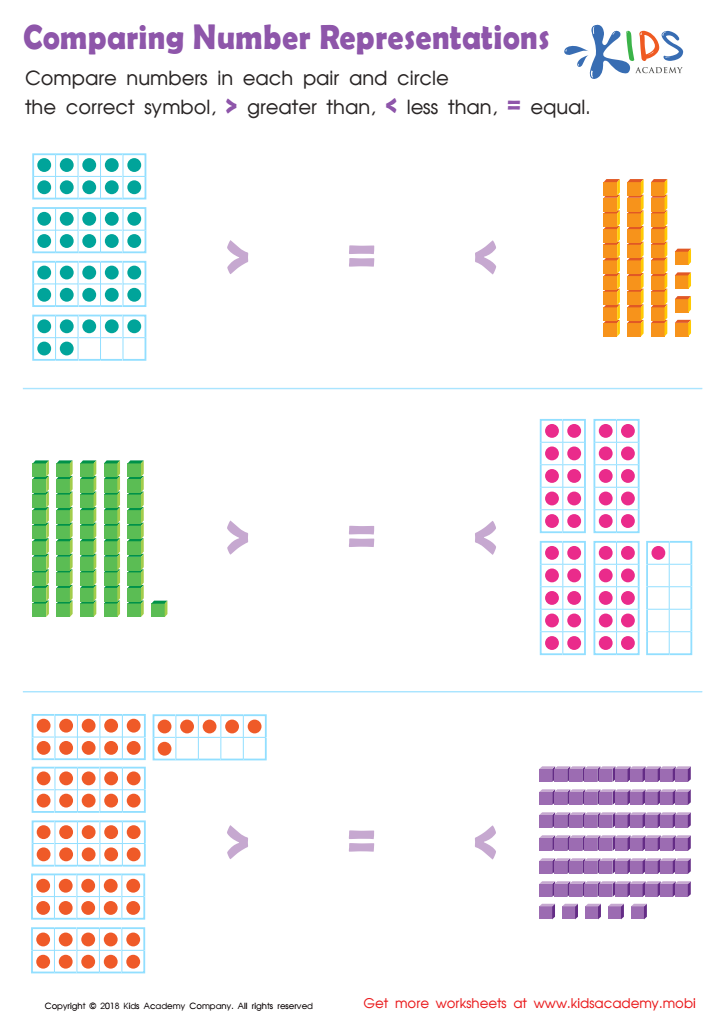
Comparing Number Representations Worksheet
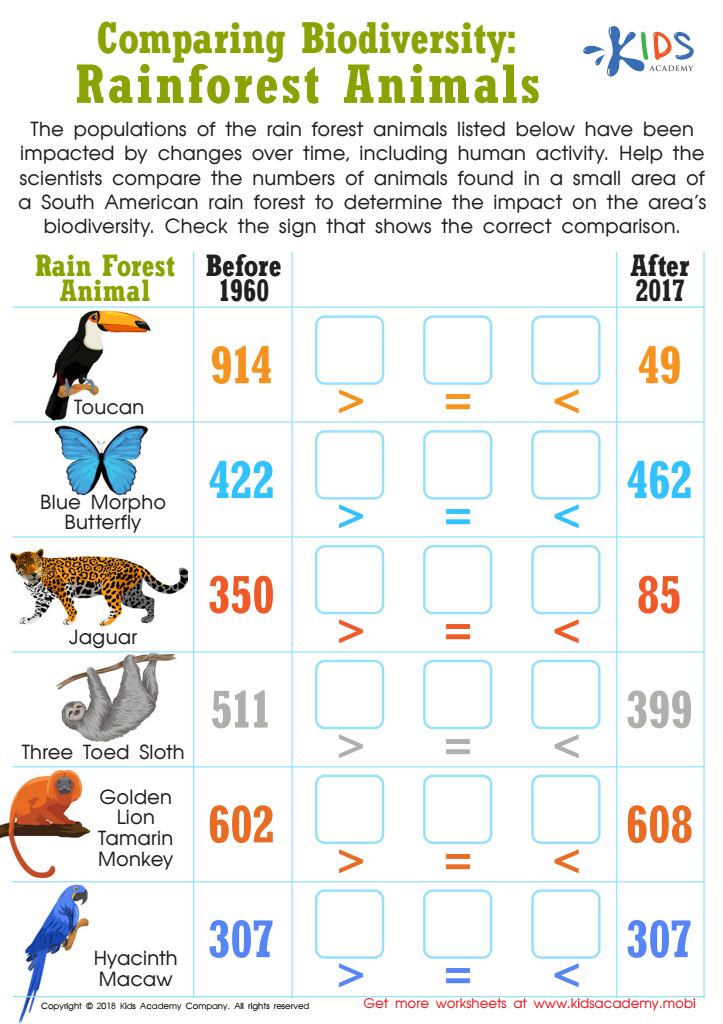
Comparing Biodiversity: Rainforest Animals Worksheet








Developing analytical thinking skills in early grades, especially through math, lays the foundation for a child's academic and personal success. Analytical thinking involves breaking down complex problems into manageable parts, understanding patterns and relationships, and employing logical reasoning. This is crucial because these skills transcend math and are applicable across all subjects and real-life situations.
When children develop strong analytical thinking through math, they improve not only their calculation and problem-solving abilities but also their capability to understand concepts deeply. This fosters a growth mindset, encouraging them to view challenges as opportunities to learn rather than obstacles.
For parents and teachers, focusing on this development means providing children with tools to approach tasks methodically and confidently. It trains young minds to ask questions, analyze information, and derive logical conclusions, which are essential skills for future STEM careers and informed decision-making in adulthood.
Moreover, nurturing these skills early on can boost children’s self-sufficiency, critical thinking, and academic performance, aligning with school curricula that emphasize competency over rote memorization. By prioritizing the cultivation of analytical thinking in math, parents and teachers are setting children up for long-term success and equipping them with the cognitive tools necessary to navigate an increasingly complex world.








