Hand-eye Coordination Normal Math Worksheets
8 filtered results
-
From - To
Enhance your child’s hand-eye coordination with our engaging Normal Math Worksheets! Specifically designed for early learners, these printable worksheets combine fun math exercises with activities that boost motor skills. Each worksheet incorporates colorful visuals and interactive tasks that make learning enjoyable and effective. As children solve math problems, they simultaneously refine their hand-eye coordination through tracing, drawing, and manipulating shapes. Our resources are perfect for at-home practice or classroom use, helping to develop essential skills for future learning. Explore our collection today and watch your child thrive as they master math concepts while enhancing their coordination!
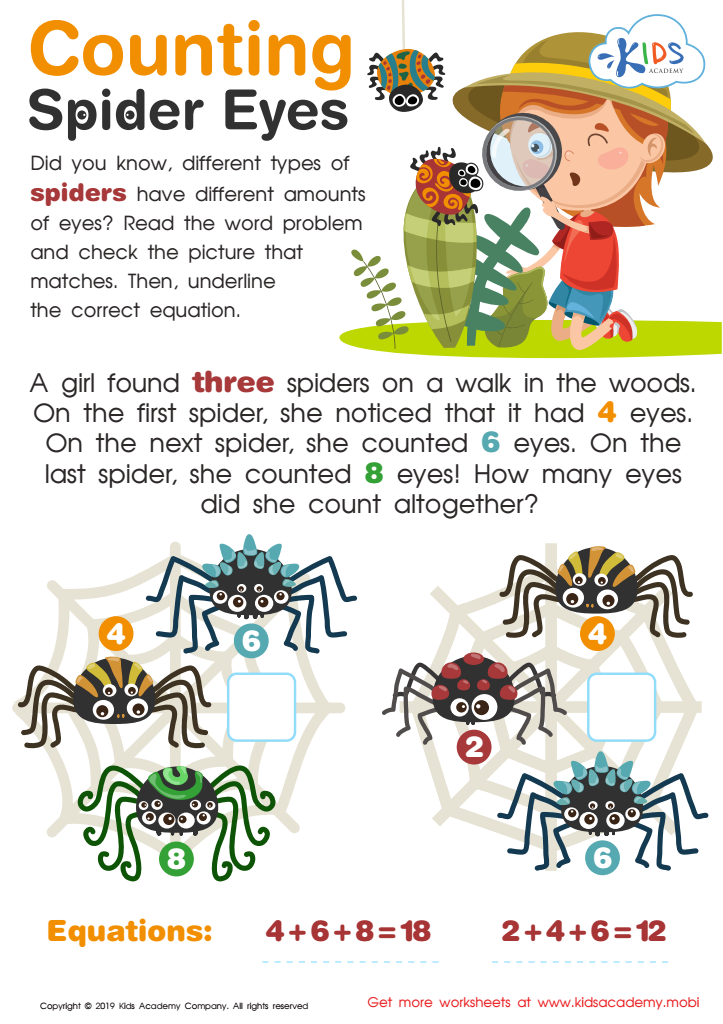
Counting Spider Eyes Worksheet
 Assign to My Students
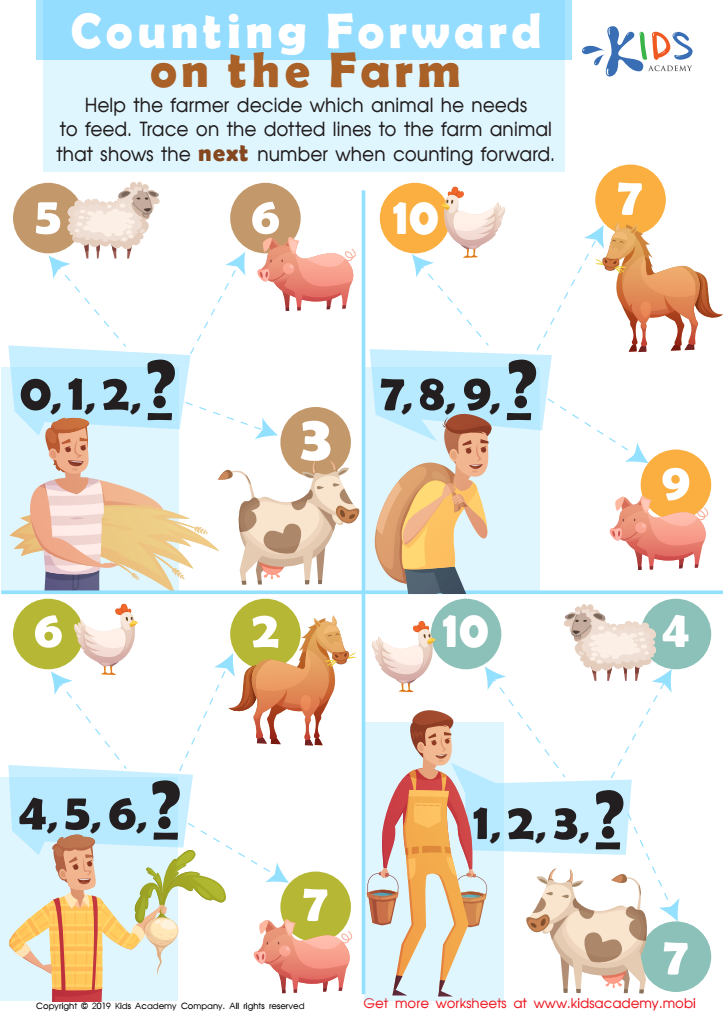
Counting Forward On the Farm Worksheet
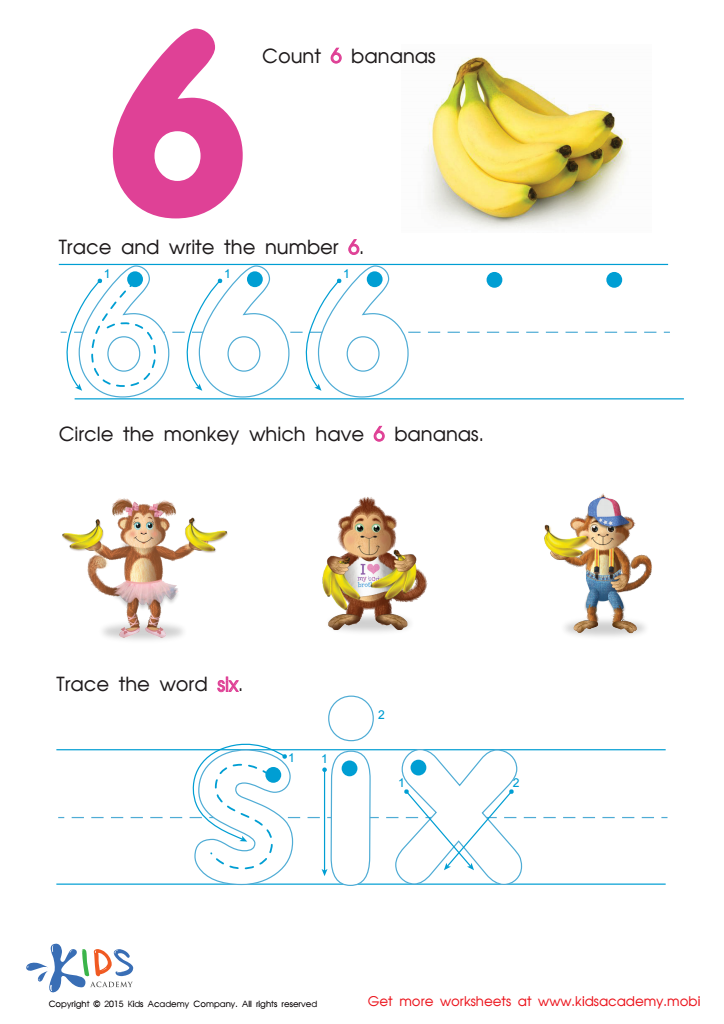
Tracing And Writing Number 6 Worksheet
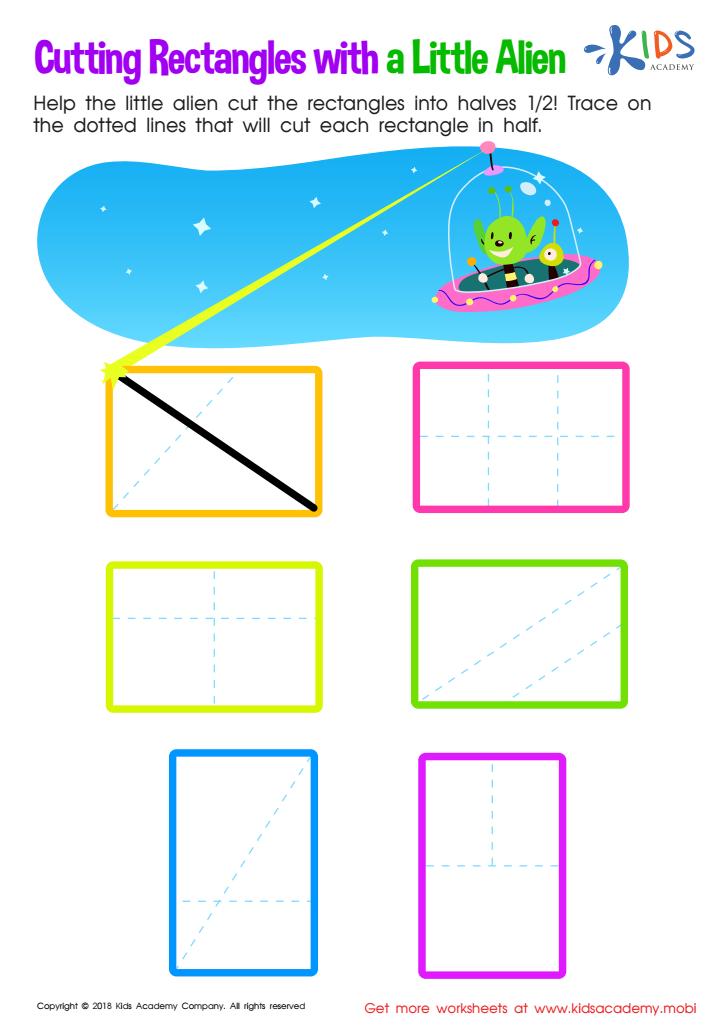
Cutting Rectangles with Alien Worksheet
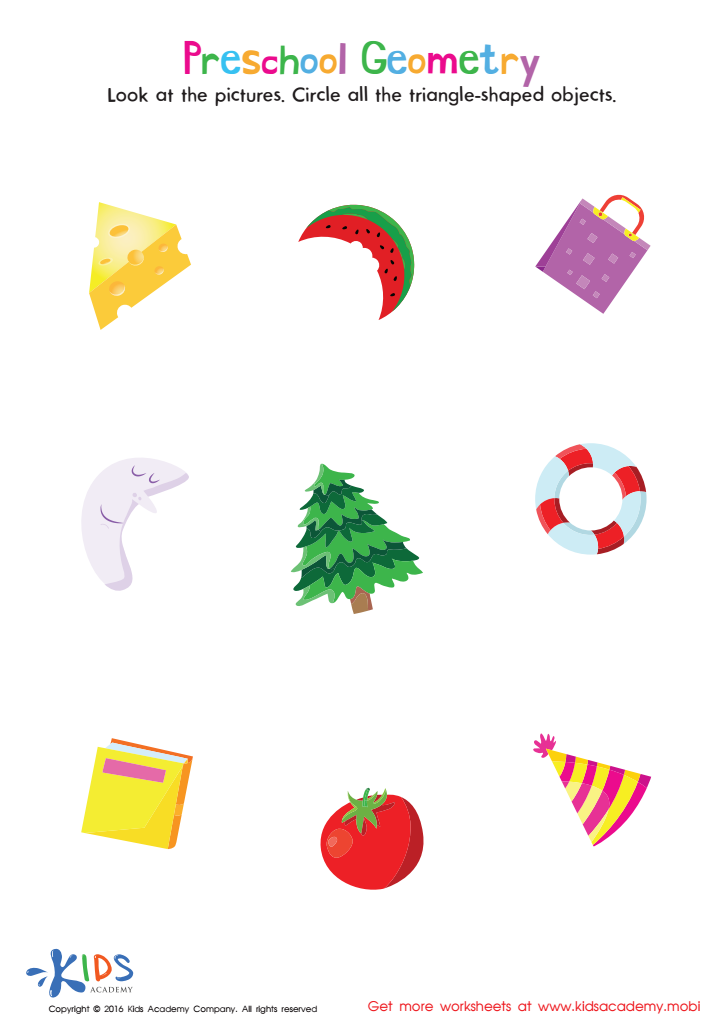
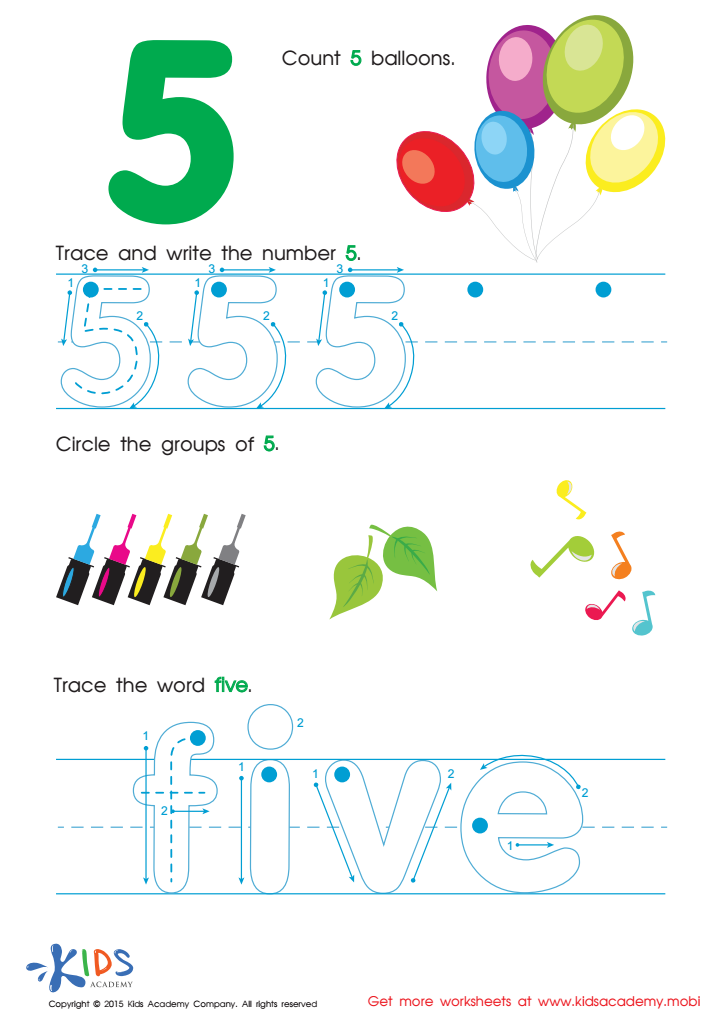
Practice Writing Number 5 Worksheet
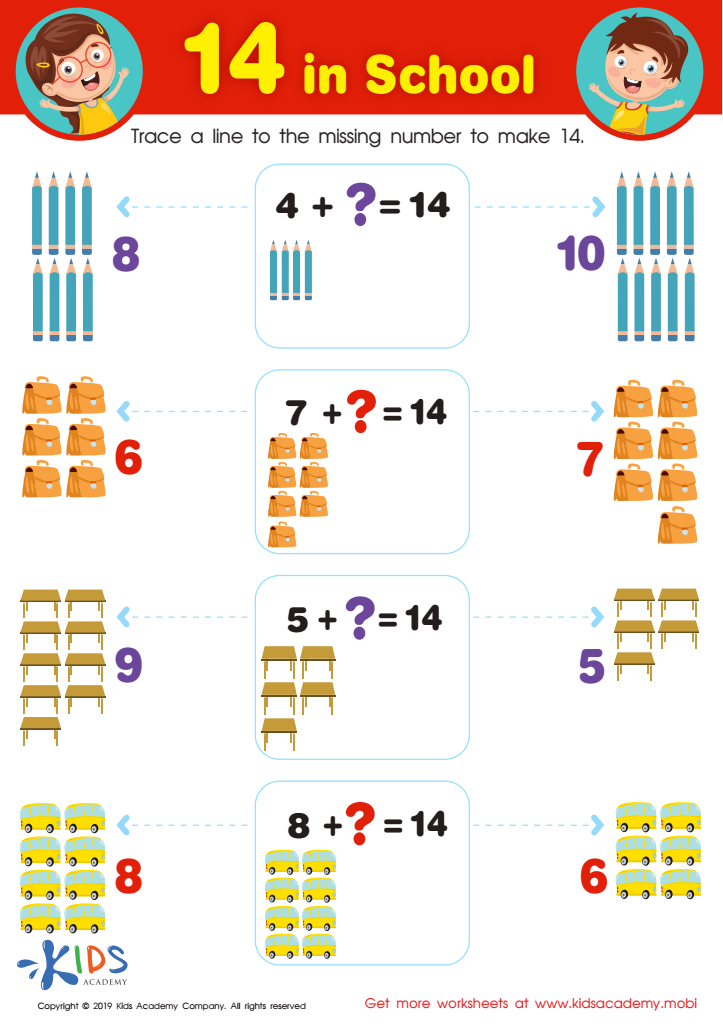
14 in School Worksheet


%20(1).jpg)





Hand-eye coordination is a crucial skill that directly impacts a child's learning and overall development, particularly in the context of math. Parents and teachers should care about this because strong hand-eye coordination enhances a child's ability to perform tasks that require precision and control, such as writing numbers and shapes, measuring with tools, or manipulating objects during math-related activities.
In early education, children engage in activities that build math skills—like counting, sorting, and geometric pattern recognition. These tasks often involve fine motor skills where hand-eye coordination plays a key role. Improved coordination helps children feel more competent and confident in their abilities, fostering a positive attitude towards learning and mathematics.
Moreover, proficient hand-eye coordination is linked to cognitive development. It aids in problem-solving and critical thinking skills, essential for understanding math concepts. As children progress to more complex mathematics, the foundational motor skills developed through hand-eye coordination also support their ability to visualize and manipulate mathematical concepts effectively.
By nurturing hand-eye coordination, parents and teachers lay a solid foundation for a child’s mathematical journey while encouraging engagement, self-esteem, and a lifelong love of learning. Prioritizing these development aspects ultimately leads to better academic outcomes.








