Visual discrimination Normal Math Worksheets
8 filtered results
-
From - To
Enhance your child's learning experience with our Visual Discrimination Normal Math Worksheets! Designed for early learners, these engaging worksheets help children develop essential visual discrimination skills vital for math success. Through fun and interactive activities, students will practice identifying patterns, sorting shapes, and recognizing differences and similarities among objects. Our carefully crafted worksheets promote critical thinking and sharpen observational skills, setting a solid foundation for future mathematical concepts. Ideal for both classroom and home use, these resources make learning enjoyable. Boost your child's confidence in math with our visually stimulating worksheets. Explore the magic of learning today!
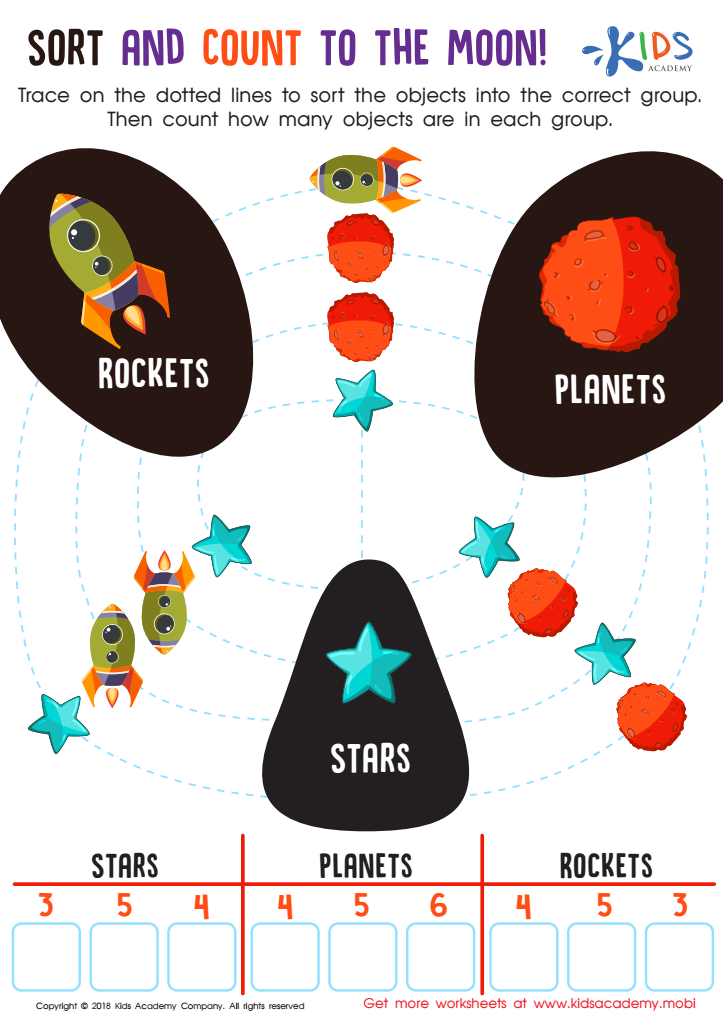
Sort and Count to the Moon Worksheet
 Assign to My Students
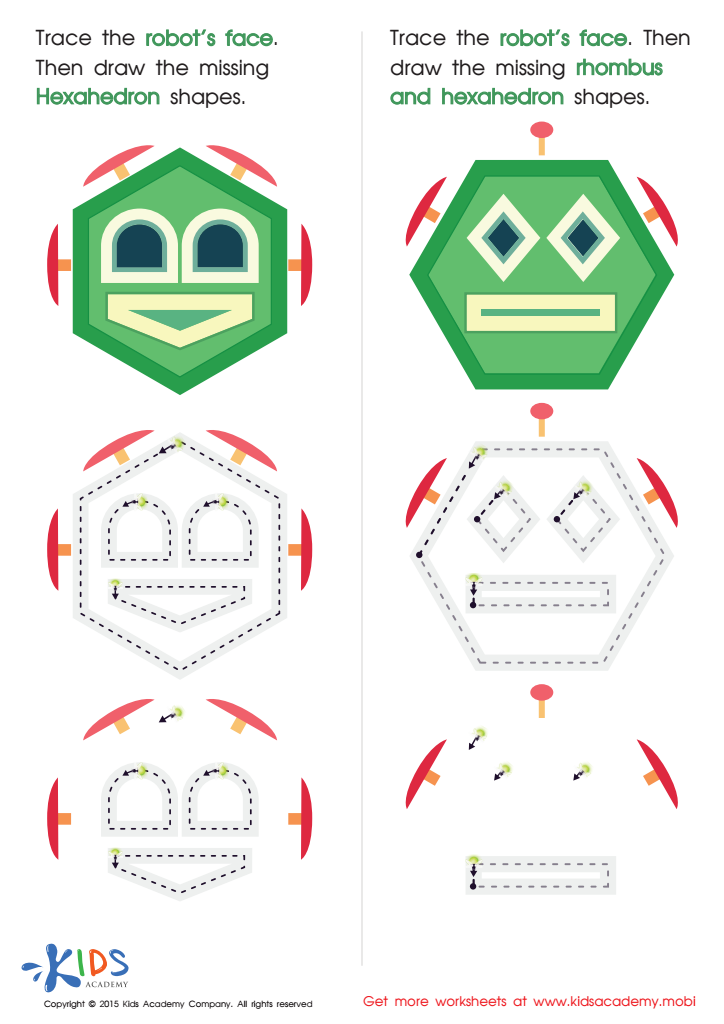
Practice Drawing Hexahedrons And a Rhombus Worksheet
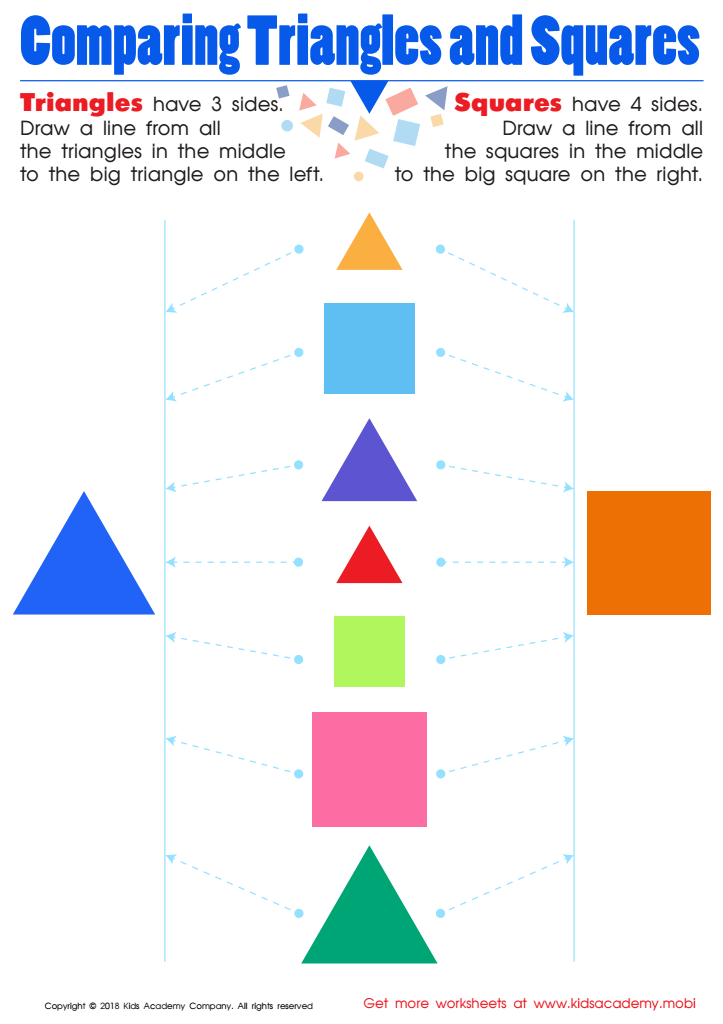
Comparing Triangles Squares Worksheet
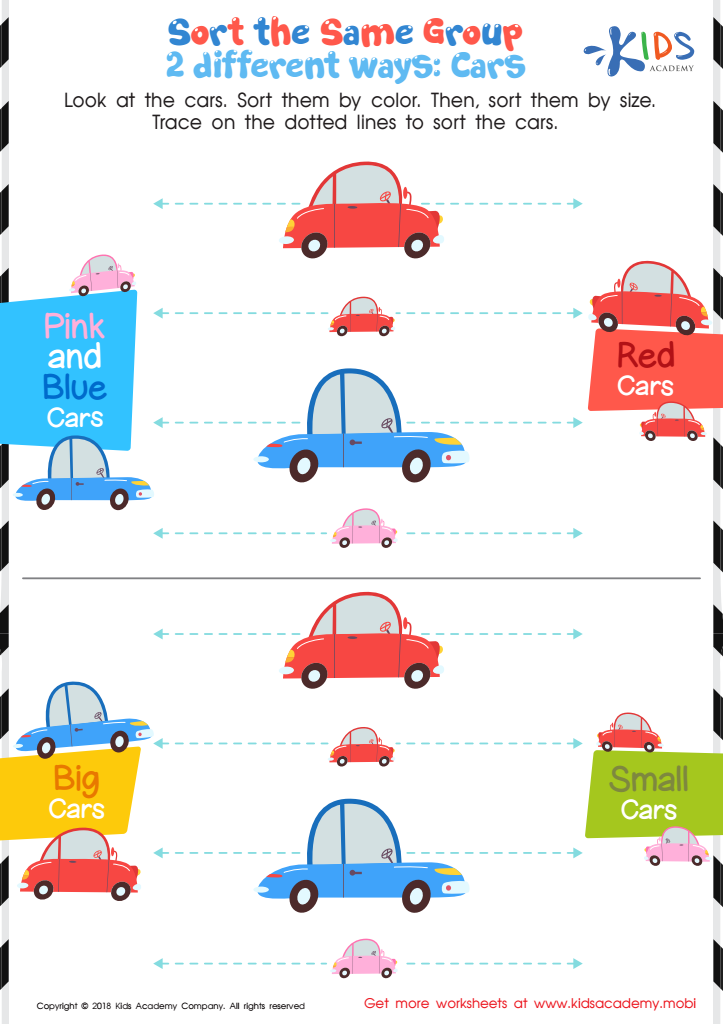
Sort the Same Group 2 Different Ways: Cars Worksheet
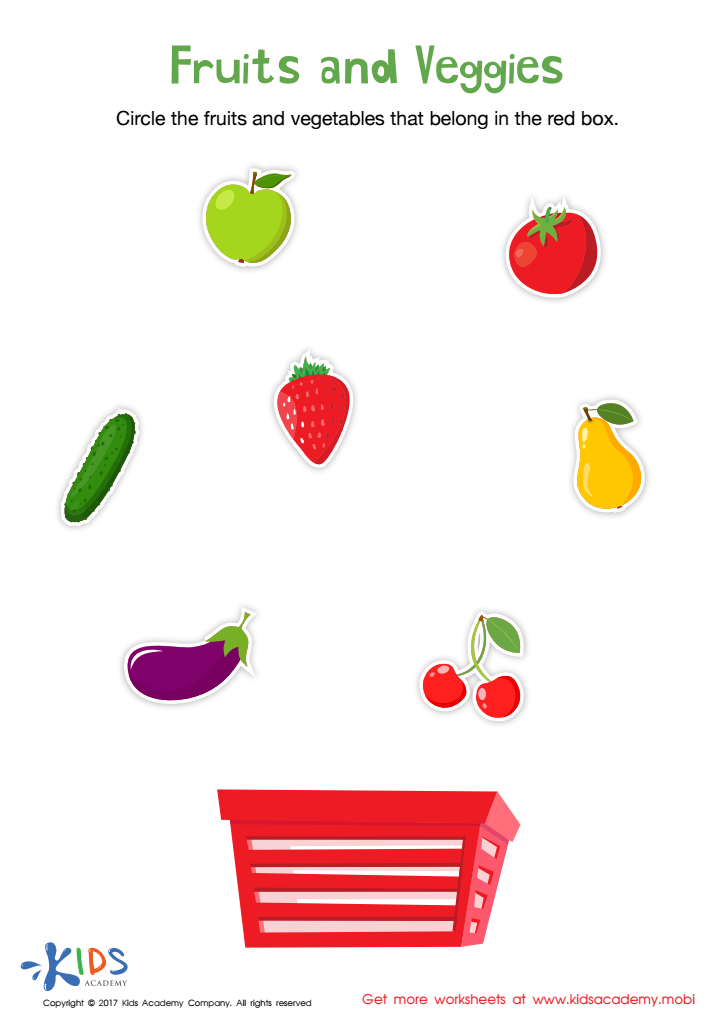
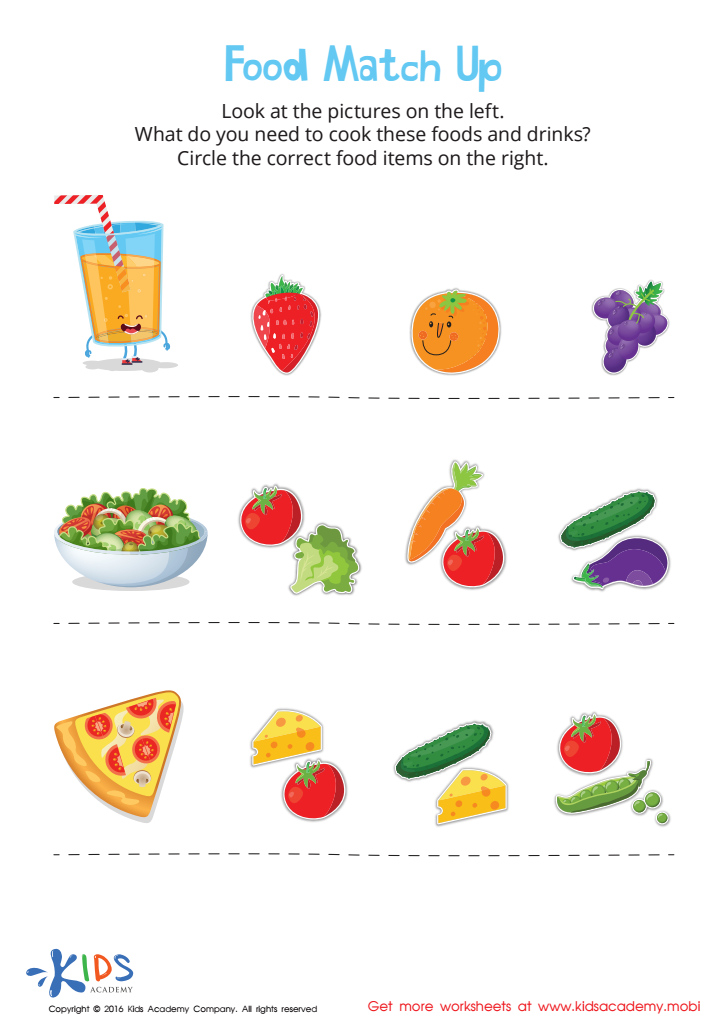
Food Match Up Worksheet
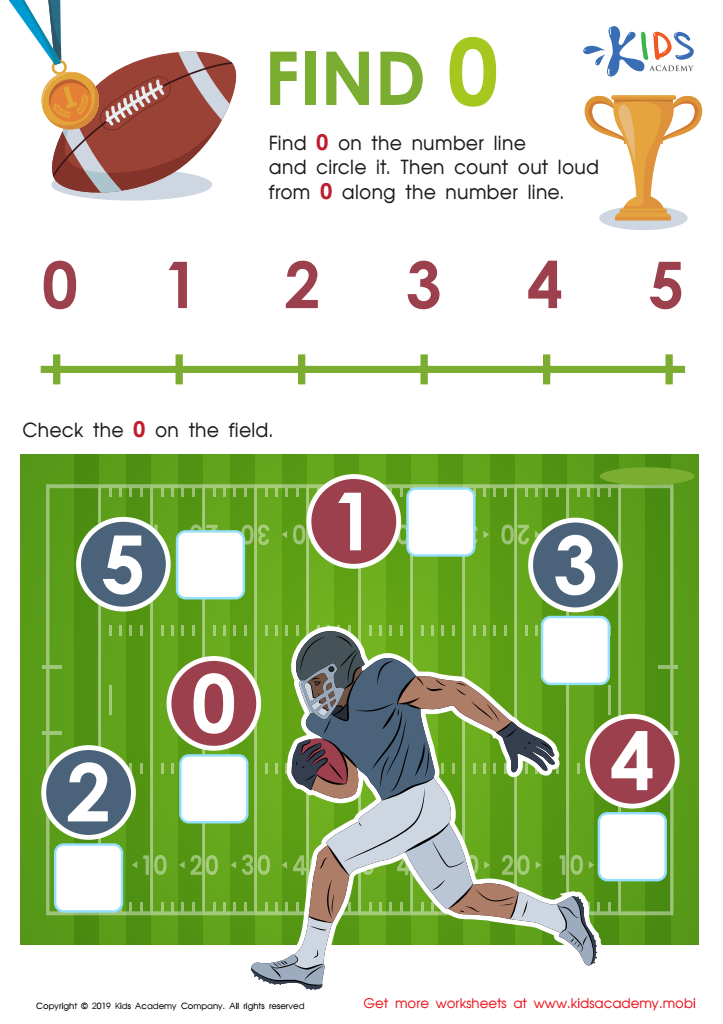
Find 0 Worksheet
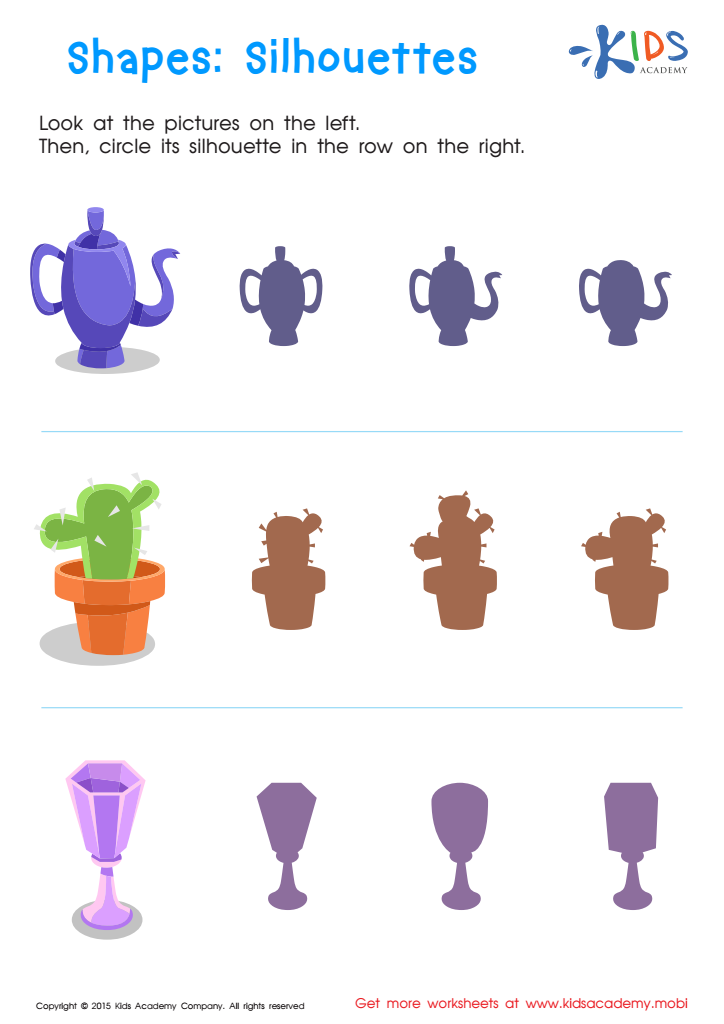
Silhouettes – Shapes Worksheet







Visual discrimination is an essential skill that plays a pivotal role in early math learning. It refers to the ability to notice and differentiate between various shapes, sizes, patterns, and positions. When parents and teachers emphasize visual discrimination, they are laying a strong foundation for a child's mathematical understanding.
Why should they care? First, strong visual discrimination improves a child's ability to solve problems, recognize numerical patterns, and understand spatial relationships. For instance, by distinguishing between different shapes and sizes, children can enhance their understanding of geometry, which is fundamental in mathematics.
Additionally, visual discrimination is crucial for developing counting skills and number sense; children learn to recognize different quantities based on visual cues, which aids in grasping more complex mathematical concepts later on. Parents and teachers can support this skill through engaging activities, such as puzzles, matching games, and sorting exercises.
Ultimately, fostering visual discrimination not only boosts a child's confidence in math but also promotes critical thinking and enhances their overall academic performance. Therefore, by prioritizing this skill, both parents and educators contribute significantly to a child’s future success in mathematics and beyond.








