Story sequencing Normal Preschool Worksheets
3 filtered results
-
From - To
Welcome to our Story Sequencing Normal Preschool Worksheets! Designed to enhance early literacy skills, these engaging worksheets help preschool children practice the art of storytelling by arranging events in the correct order. Our resources promote cognitive development, reasoning, and comprehension, making learning fun and interactive. Each worksheet features colorful illustrations and simple narratives, ensuring young learners stay captivated while they organize stories chronologically. Ideal for teachers and parents, these printables encourage creativity and enhance vocabulary, preparing children for what lies ahead in their academic journey. Explore our extensive collection and watch your child's storytelling abilities blossom today!
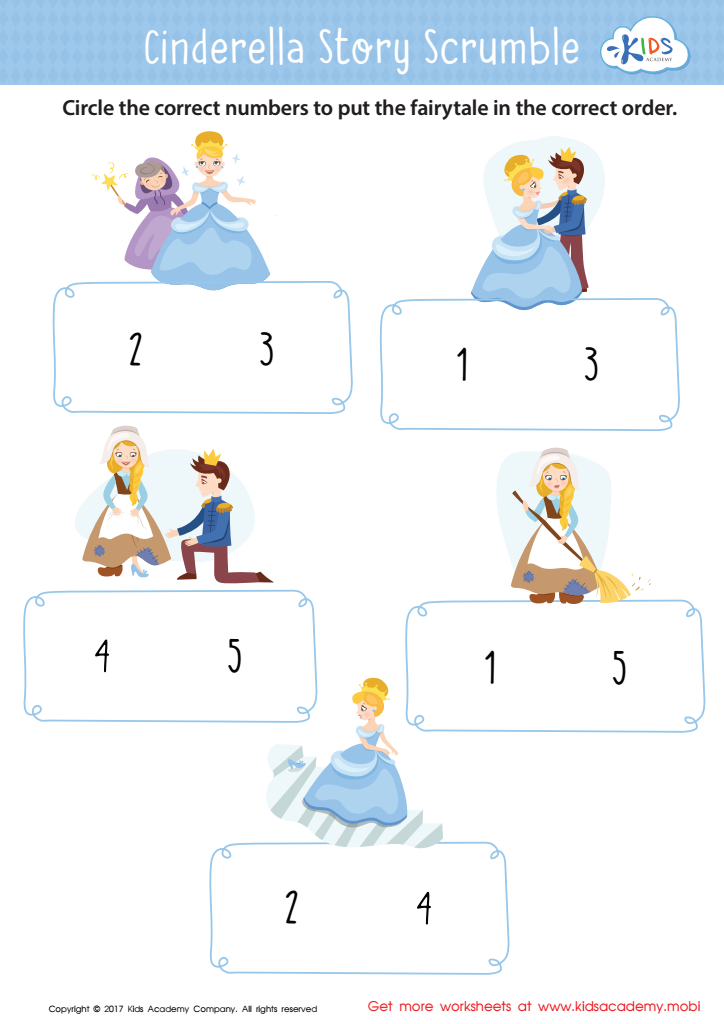
Cinderella Story Sequencing Worksheet
 Assign to My Students
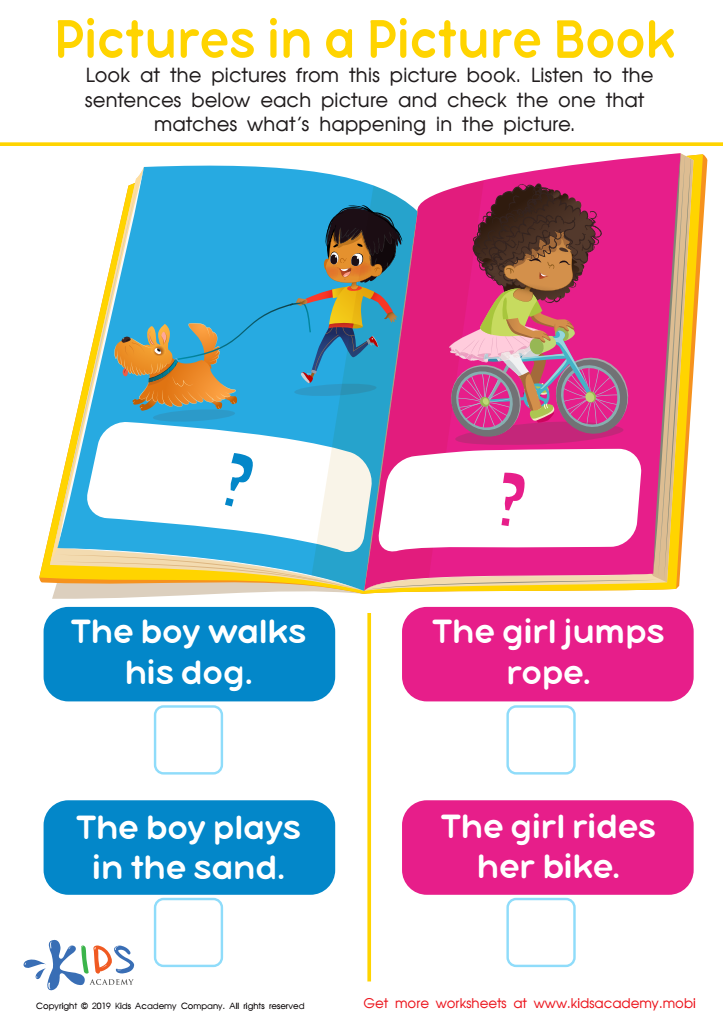
Picture in Books Worksheet
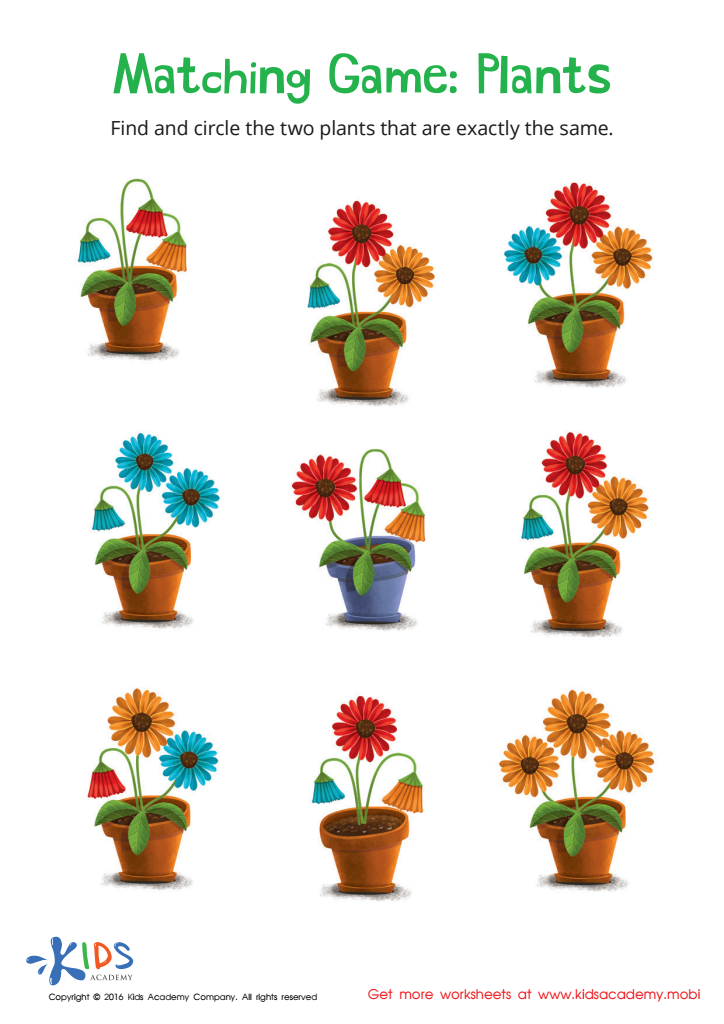
Matching: Plants Worksheet








Story sequencing is a fundamental skill that plays a crucial role in early childhood education, particularly in preschool settings. It involves the ability to understand and arrange events in the order they occur in a story, which fosters not only comprehension but also critical thinking and organizational skills.
Parents and teachers should care about story sequencing because it enhances children's literacy development. As children learn to identify beginnings, middles, and ends in stories, they become better readers and more engaged listeners. This skill promotes narrative skills, enabling children to express thoughts clearly and logically both in spoken and written forms.
Additionally, story sequencing helps develop cognitive abilities. It encourages children to recall details, make predictions, and draw connections between different parts of a narrative. This kind of cognitive processing prepares them for more complex learning tasks in later grades. It also supports social-emotional development, as understanding story structure can help children navigate their own experiences and relate to others' perspectives.
Ultimately, a strong foundation in story sequencing not only enriches early literacy but also equips children with vital skills for lifelong learning and effective communication. Investing time in this area can yield significant benefits for children's overall development.