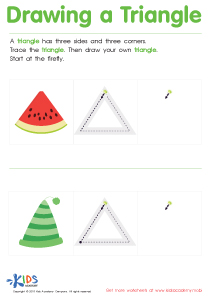
Fine Motor Skills Normal Preschool 2D Shapes Worksheets
4 filtered results
-
From - To
Introduce your preschooler to the world of shapes while enhancing their fine motor skills with our "Fine Motor Skills Normal Preschool 2D Shapes Worksheets". These expertly designed worksheets offer an engaging way for little learners to identify and draw 2D shapes. Each activity not only reinforces shape recognition but also promotes hand-eye coordination and precision through tracing, coloring, and simple drawing tasks. Ideal for early learners, these worksheets are a fun way to build foundational math skills while preparing little hands for writing. Perfect for classroom use or at-home practice, make learning enjoyable and interactive with these essential educational tools.
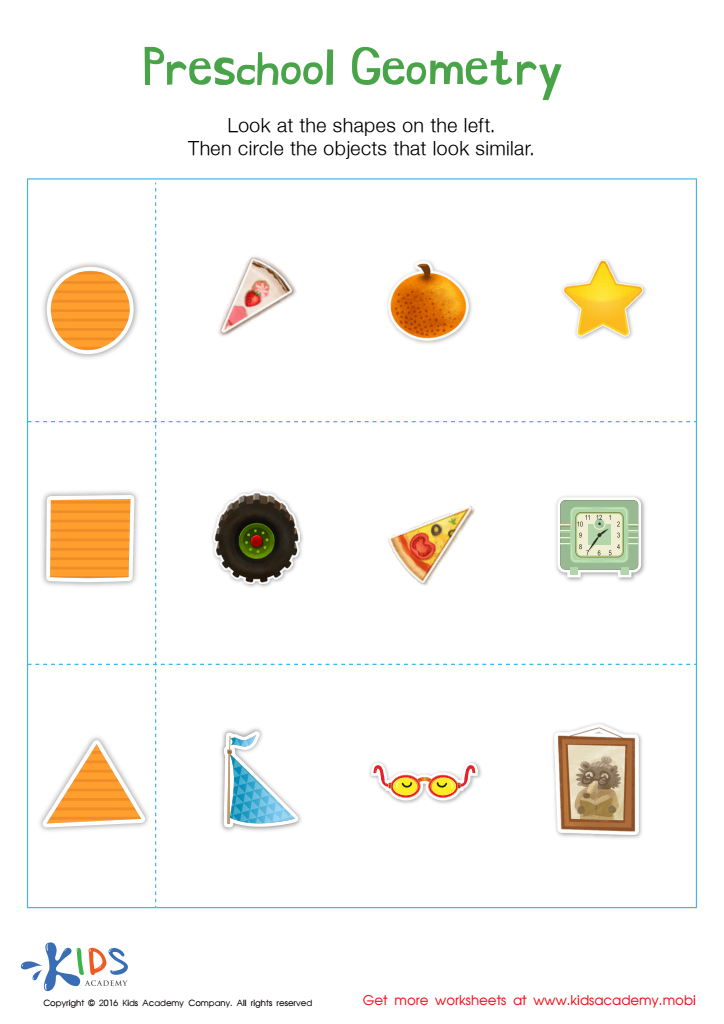
Preschool Geometry Match Up Worksheet
 Assign to My Students








Learning to Draw Crescents And Triangles Worksheet
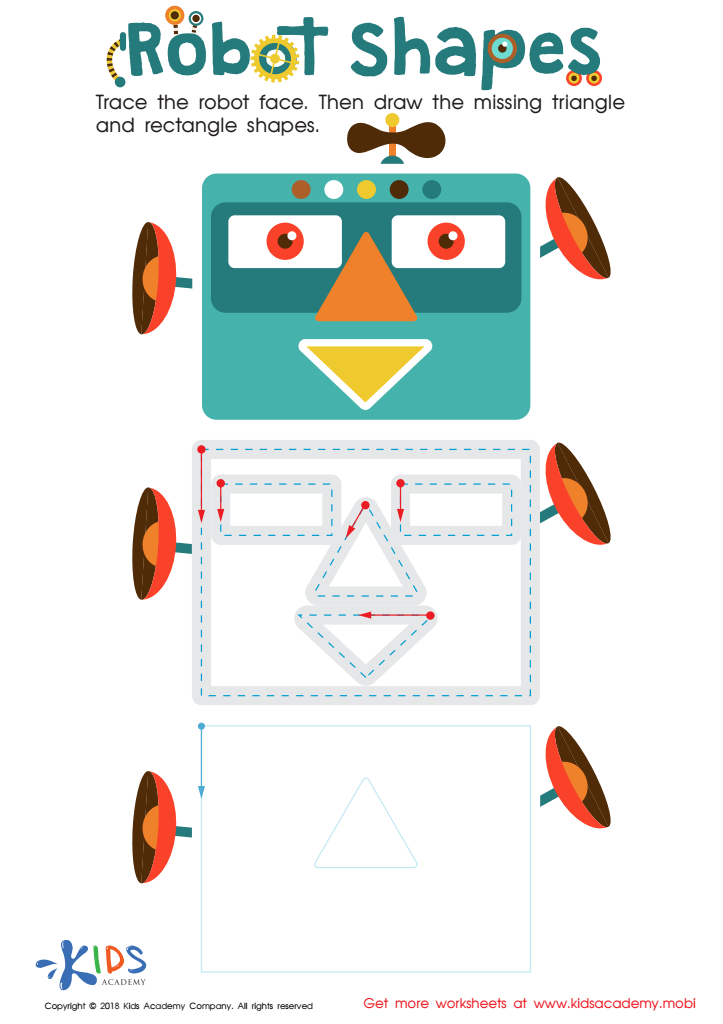
Robot Shapes Worksheet
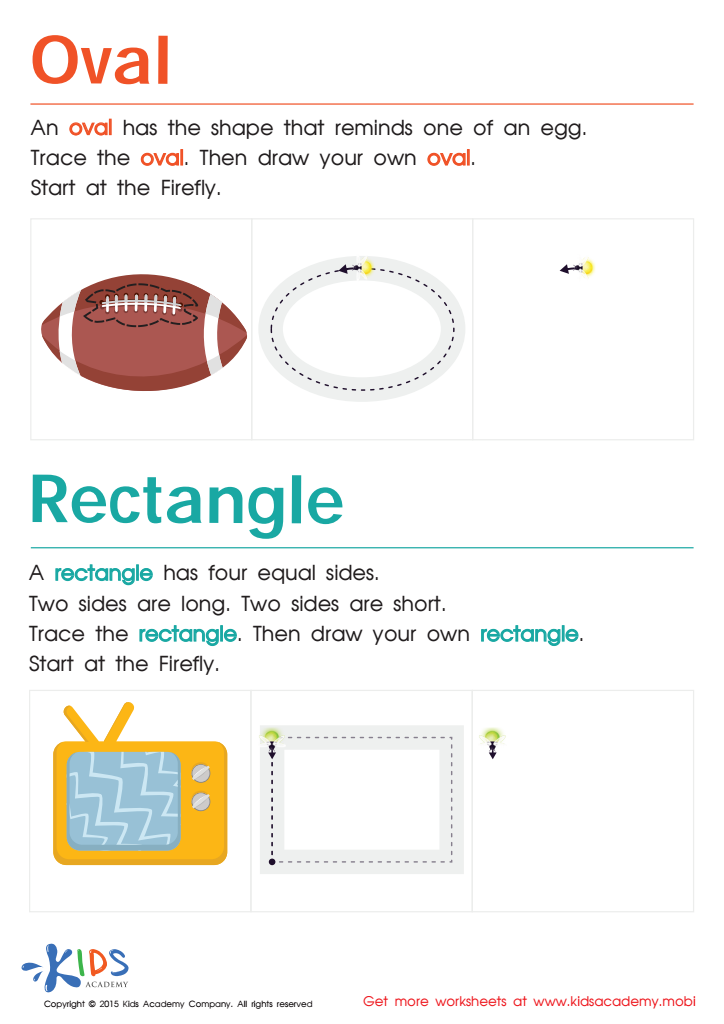
Easy Drawing of Ovals And Rectangles Worksheet





Fine motor skills and the recognition and understanding of 2D shapes in preschoolers are foundational aspects of early childhood development that parents and teachers should prioritize. Fine motor skills involve the coordination of small muscles in the hands and fingers, which are crucial for tasks such as writing, drawing, buttoning clothes, and using utensils. Developing these skills at an early age sets the stage for future proficiency in handwriting, self-care, and other essential activities, aiding children in becoming more independent and competent.
The ability to recognize 2D shapes, such as circles, squares, triangles, and rectangles, is similarly important. Learning shapes is more than just identifying geometric figures; it forms the basis for understanding more complex mathematical concepts. Mastering shape recognition aids in visual-spatial understanding, which can enhance a child’s ability to comprehend how objects fit together and consume space. It also contributes to early literacy, as letters and numbers are essentially shapes. Understanding these relationships provides a strong foundation for future learning in mathematics, reading, and writing.
Together, fine motor development and shape recognition contribute significantly to a child's cognitive, academic, and practical skills, fostering holistic development and ensuring they are well-prepared for the next stages of their education. Thus, teachers and parents should proactively support these areas to nurture capable and confident young learners.