Visual perception Normal Preschool Geometry Worksheets
3 filtered results
-
From - To
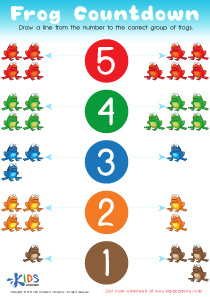
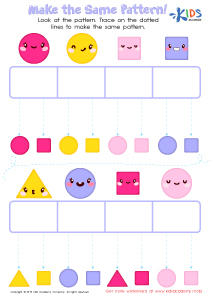
Enhance your child's cognitive development with our Visual Perception Normal Preschool Geometry Worksheets. Designed for young learners, these engaging worksheets help build foundational skills in geometry through fun and interactive activities. Children will improve their ability to recognize shapes, patterns, and spatial relationships, crucial for their early math learning. Our resources cater to preschoolers' developmental stages, ensuring they grasp basic geometry concepts while boosting their visual perception abilities. Perfect for homeschooling or supplemental classroom material, these worksheets make learning enjoyable and effective. Visit us to explore our comprehensive collection and support your child's educational journey today.
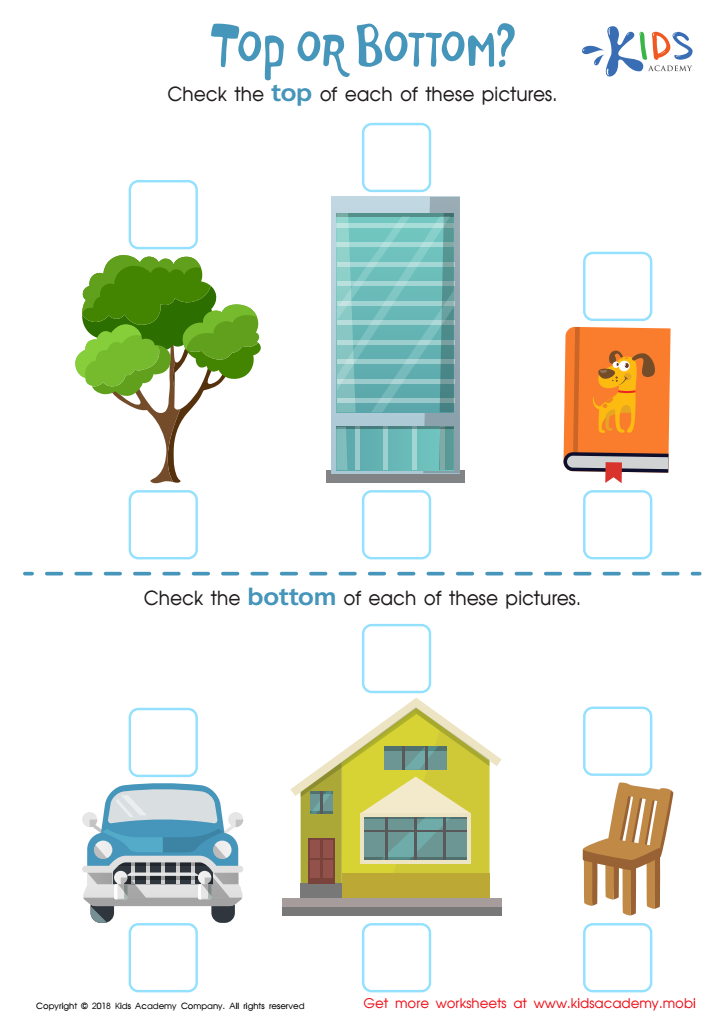
Top or Bottom Worksheet
 Assign to My Students


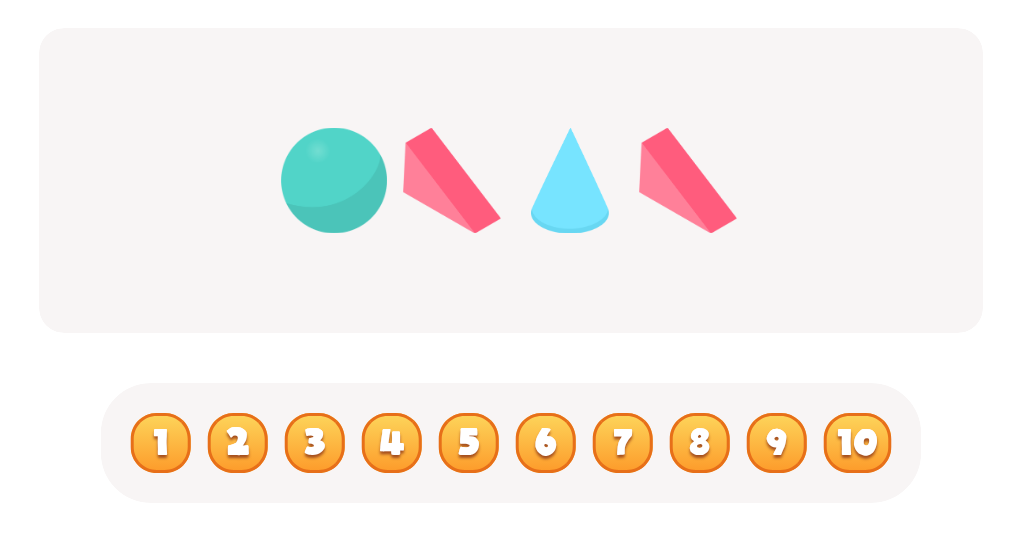
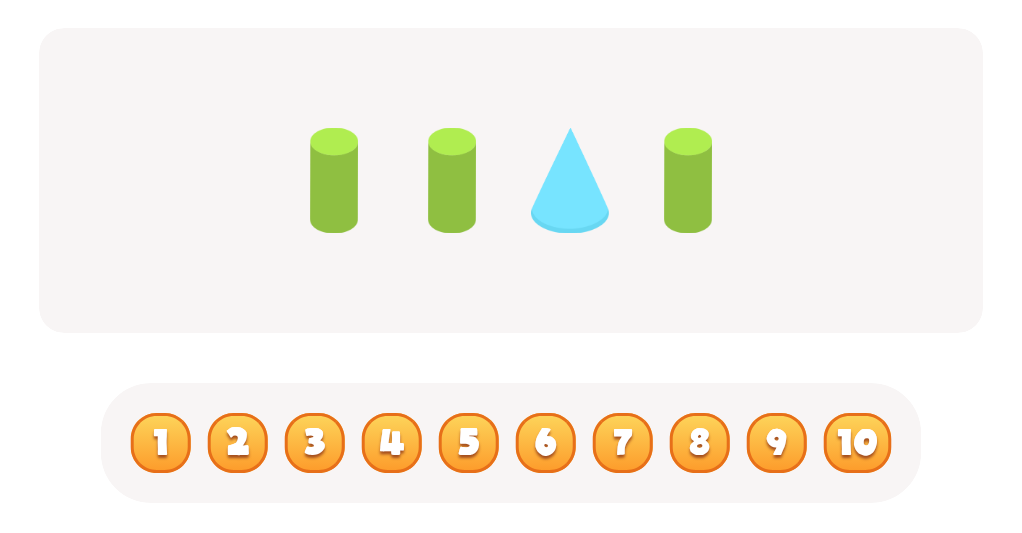

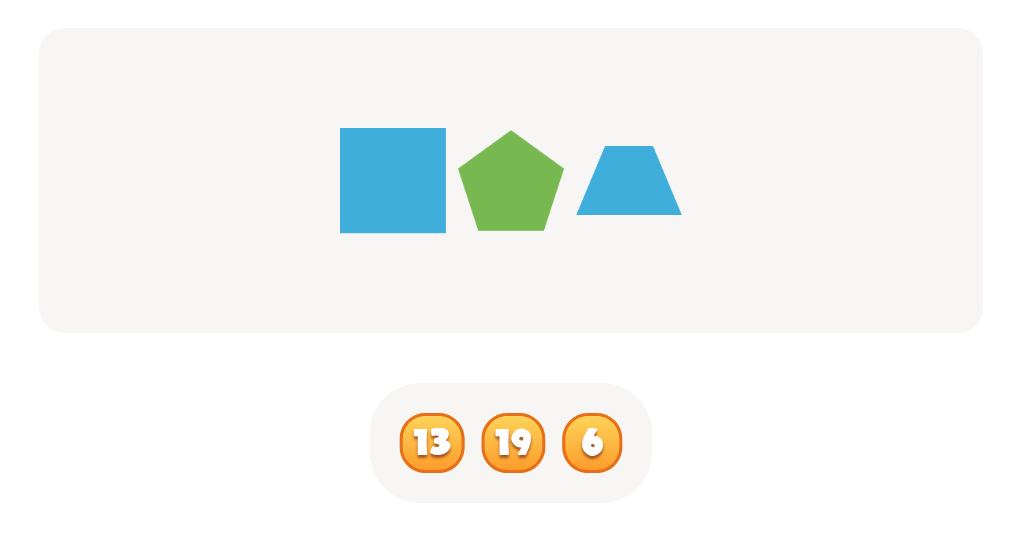


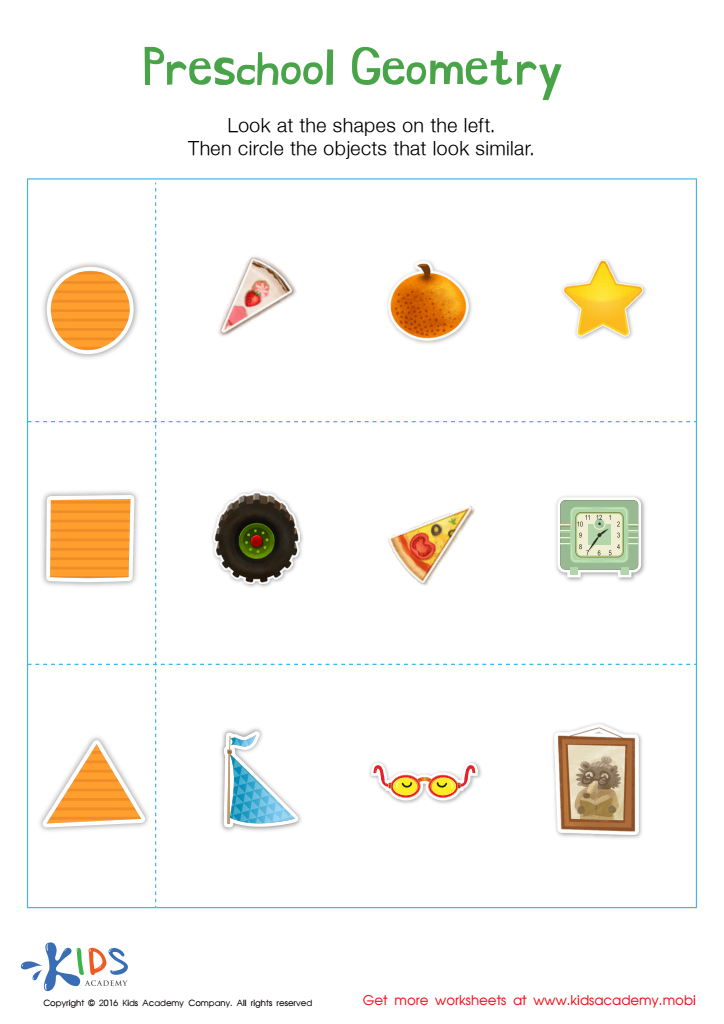
Preschool Geometry Match Up Worksheet
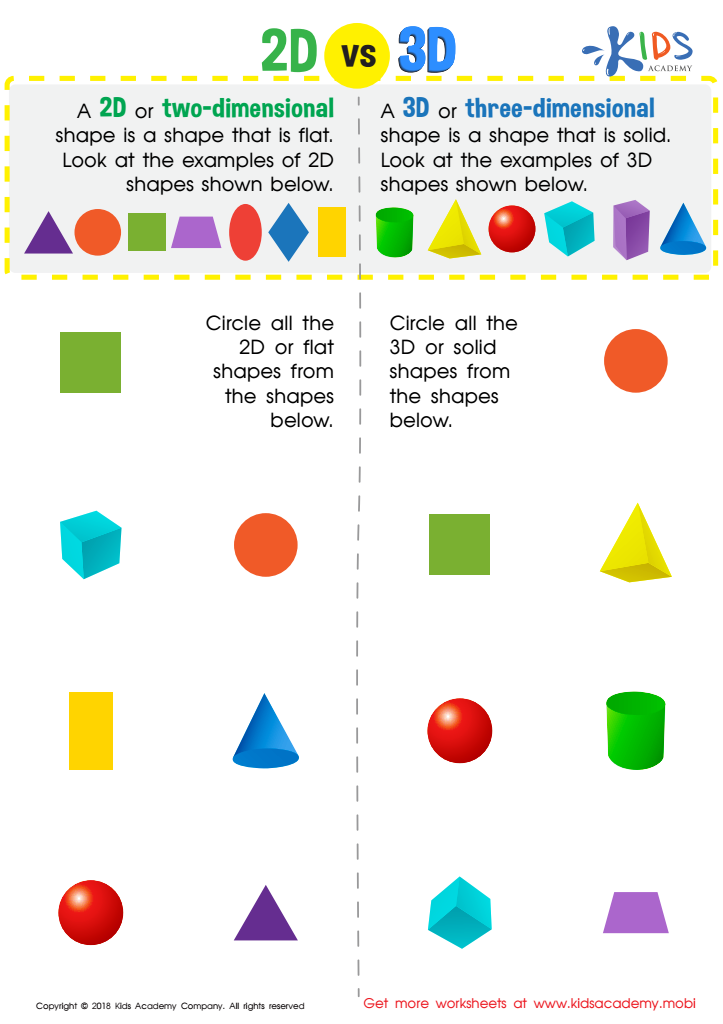
2D vs 3D Shapes Worksheet








Visual perception in preschoolers is foundational for cognitive development and academic success, making it essential for parents and teachers to understand and support it. Early geometrical awareness, including the ability to discern shapes, patterns, and spatial relationships, plays a pivotal role in developing mathematical thinking and problem-solving skills.
At this age, children learn best through play and active exploration. Engaging activities that focus on shapes, such as puzzles, block building, and drawing, enhance their visual perceptual skills, which are critical for reading and writing. By facilitating their recognition and differentiation of shapes and patterns, we help lay down a solid groundwork for letter recognition and number sense, key components in early literacy and numeracy.
Moreover, fostering geometry skills also nurtures critical thinking and spatial reasoning, which are necessary for understanding science and technology concepts as they grow older. Parents and teachers who pay attention to visual perception development provide experiences that make abstract concepts more concrete, thereby improving a child's ability to interpret and interact with the world around them effectively.
In essence, focusing on visual perception in preschool enhances a child's overall cognitive development, setting them up for future academic success and everyday life skills. By prioritizing these activities, parents and teachers invest in the holistic growth and preparedness of young learners.