Reading comprehension Normal Preschool Building Vocabulary Worksheets
8 filtered results
-
From - To
Introducing our "Reading Comprehension Normal Preschool Building Vocabulary Worksheets" designed to enhance young learners' skills effectively! These engaging worksheets focus on enriching preschoolers' vocabulary while improving their reading comprehension abilities. Featuring colorful illustrations and age-appropriate exercises, each activity encourages children to connect words with their meanings, developing essential language skills in a fun atmosphere. By exploring various themes and contexts, kids engage with words in a way that fosters understanding and retention. Perfect for both classroom and home practice, these worksheets are a valuable resource for educators and parents aiming to set a strong literacy foundation for their little learners!
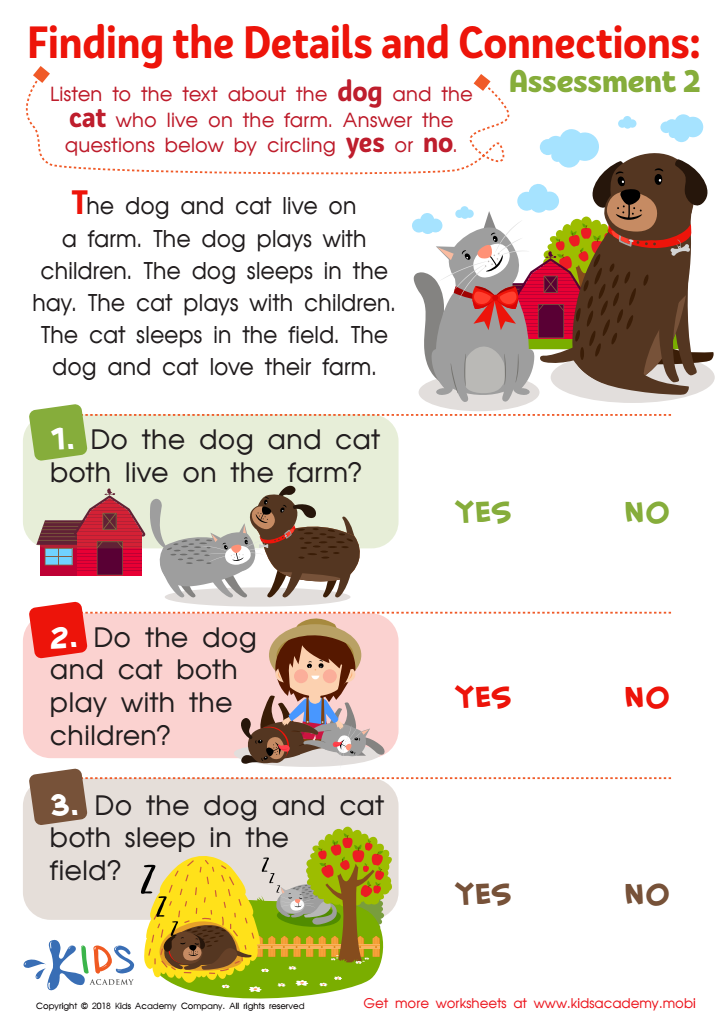
Finding the Details and Connections: Assessment 2 Worksheet
 Assign to My Students
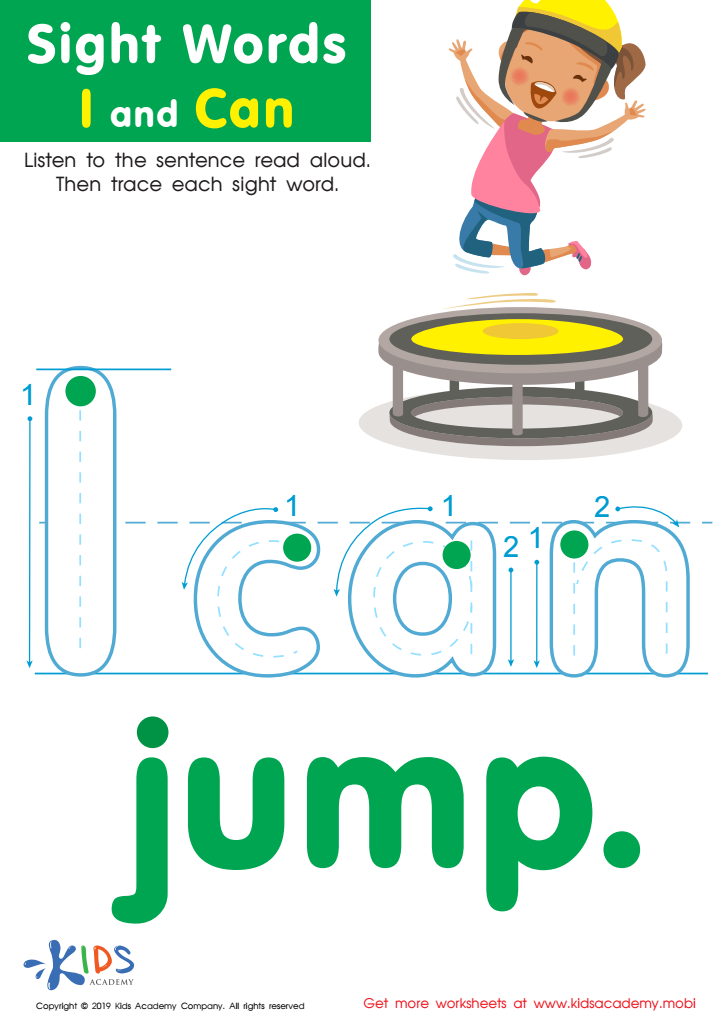
Sight Words I Can Worksheet
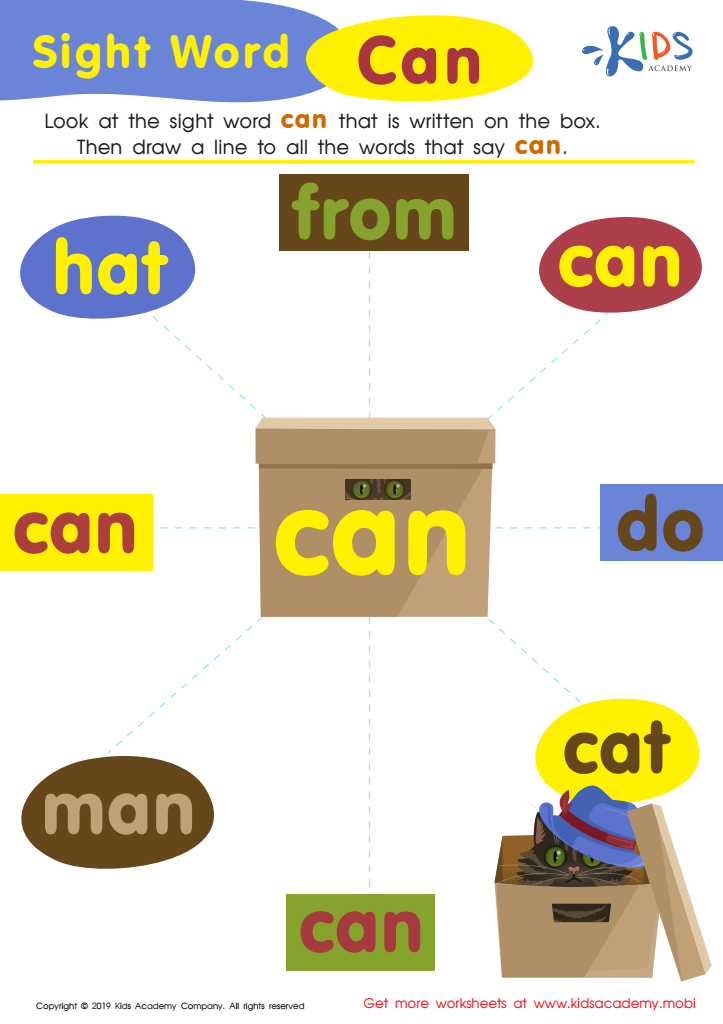
Sight Word Can Worksheet
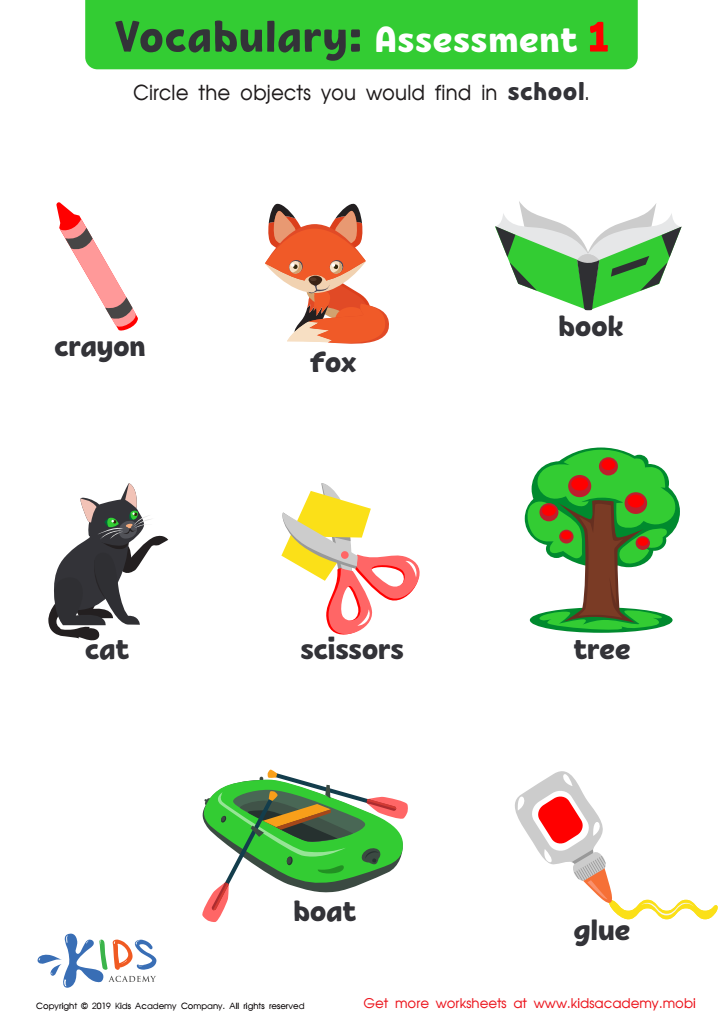
Vocabulary: Assessment 1 Worksheet
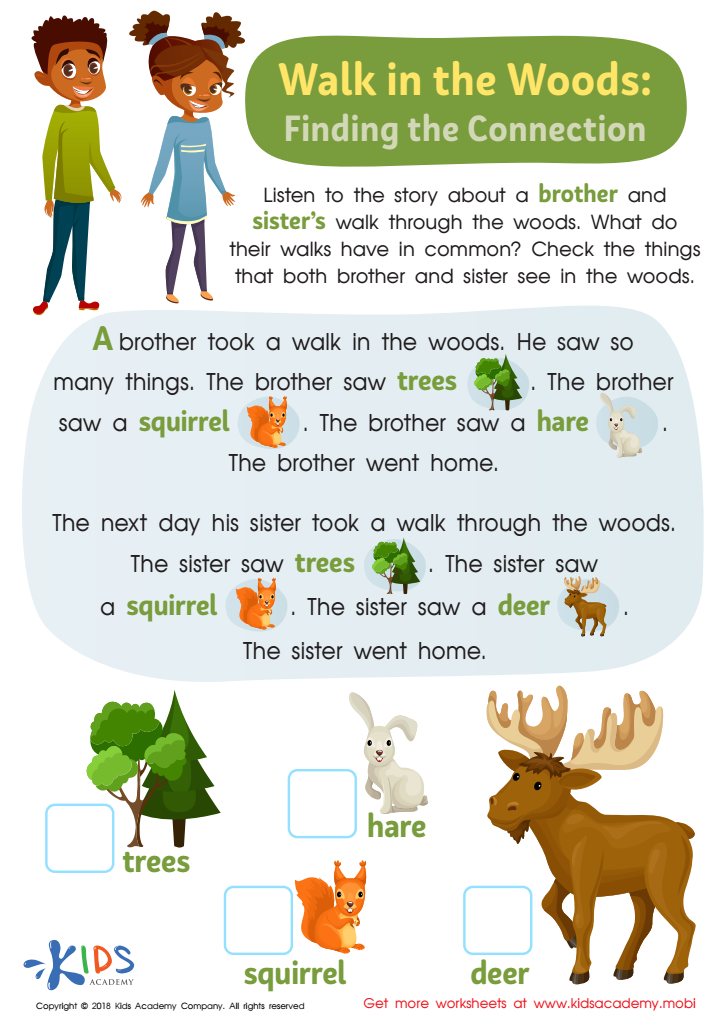
Walk In the Woods: Finding Connections Worksheet
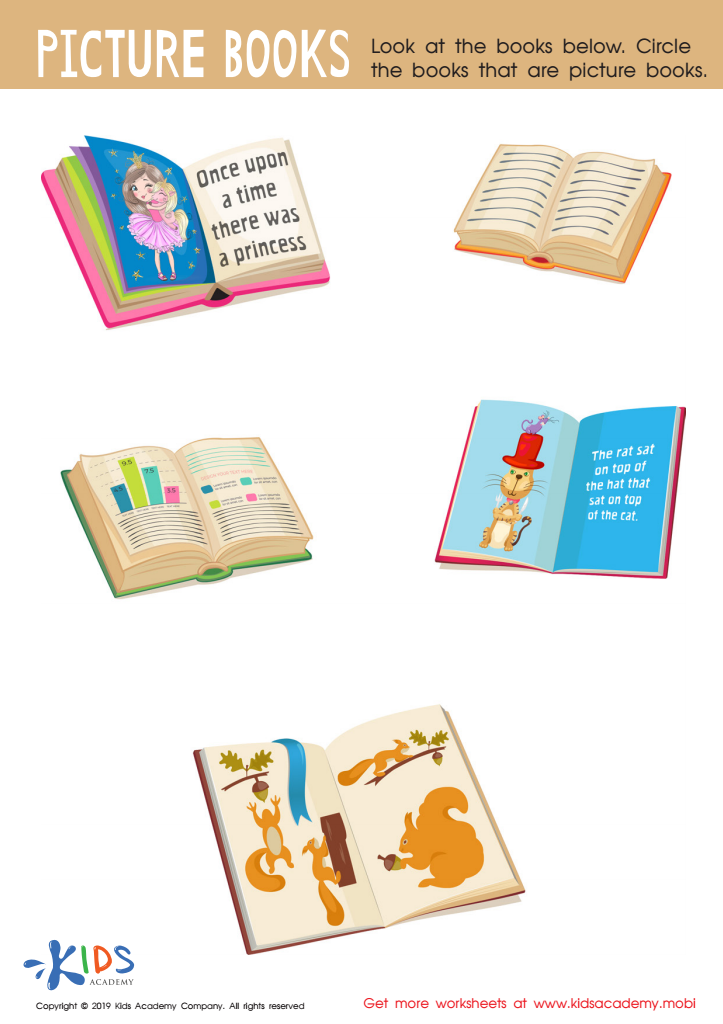
Picture Books Worksheet
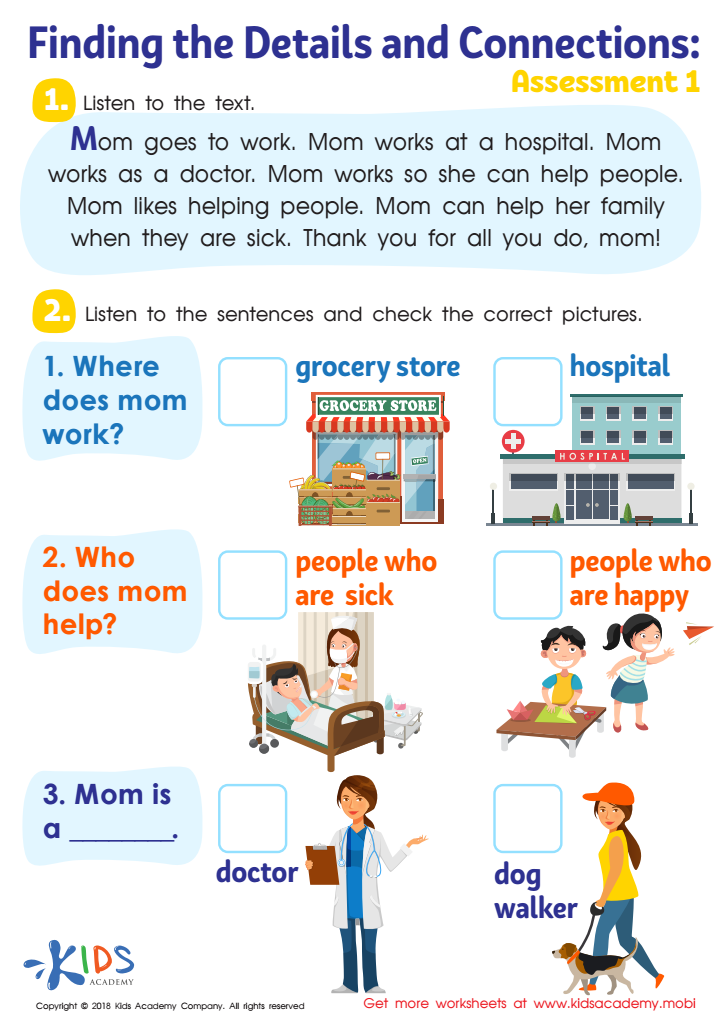
Finding the Details and Connections: Assessment 1 Worksheet
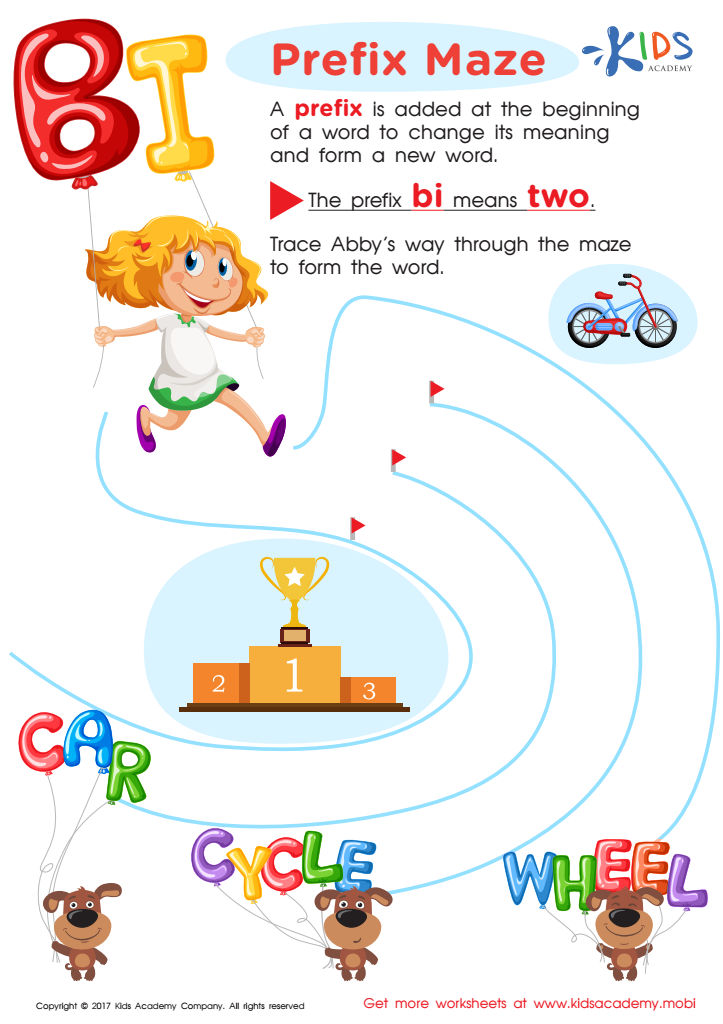
Prefix Bi Words Worksheet







Reading comprehension and vocabulary building during the preschool years are crucial for a child’s linguistic and cognitive development. At this stage, children are developing foundational skills that will impact their future learning processes. A strong vocabulary enables preschoolers to express their thoughts clearly and understand their surroundings, crucial for effective communication.
When parents and teachers focus on reading comprehension, they help children not only decode the words but also understand their meanings, context, and connections to their own experiences. This comprehension fosters critical thinking and encourages children to ask questions, make predictions, and draw conclusions, essential skills as they advance in their education.
Additionally, building vocabulary enhances children’s ability to engage with stories, which ignites imagination and creativity. This helps cultivate a love for reading, making learning enjoyable and impactful. Engaging in literacy activities, such as reading aloud or playing word games, creates a supportive environment that can boost a child’s self-esteem and academic confidence.
Overall, prioritizing reading comprehension and vocabulary building in preschool sets the stage for academic success, ensuring that children develop the skills necessary to navigate their educational journeys effectively. For both parents and teachers, investing in these areas yields significant long-term benefits.








