Critical Thinking Normal Reading Worksheets - Page 2
44 filtered results
-
From - To
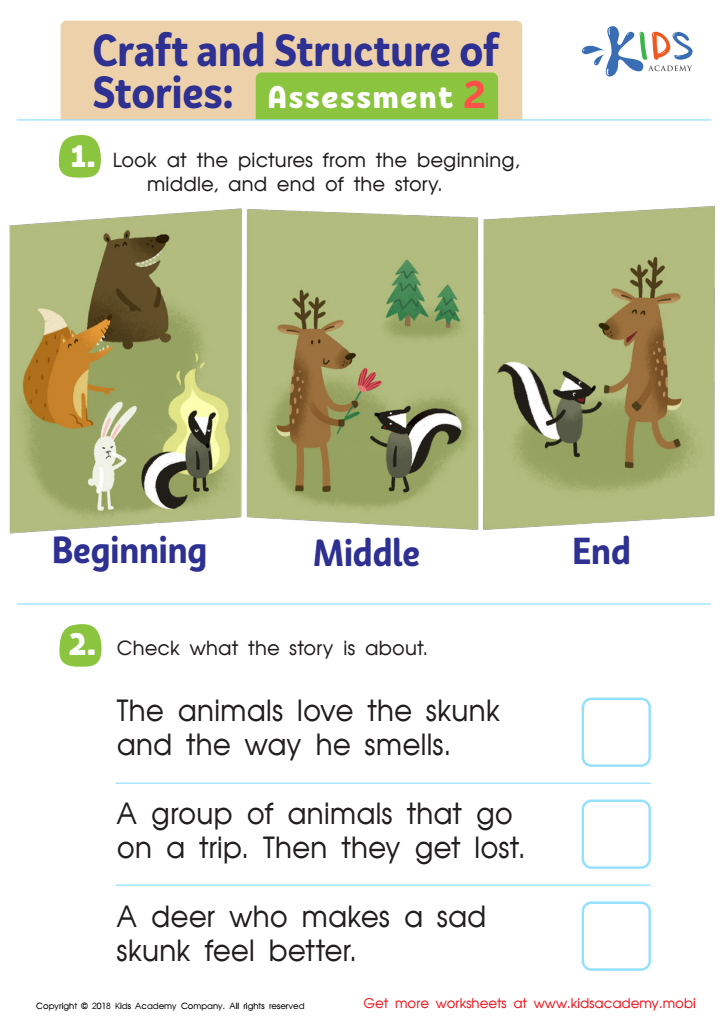
Craft and Structure of Stories: Assessment 2 Worksheet
 Assign to My Students
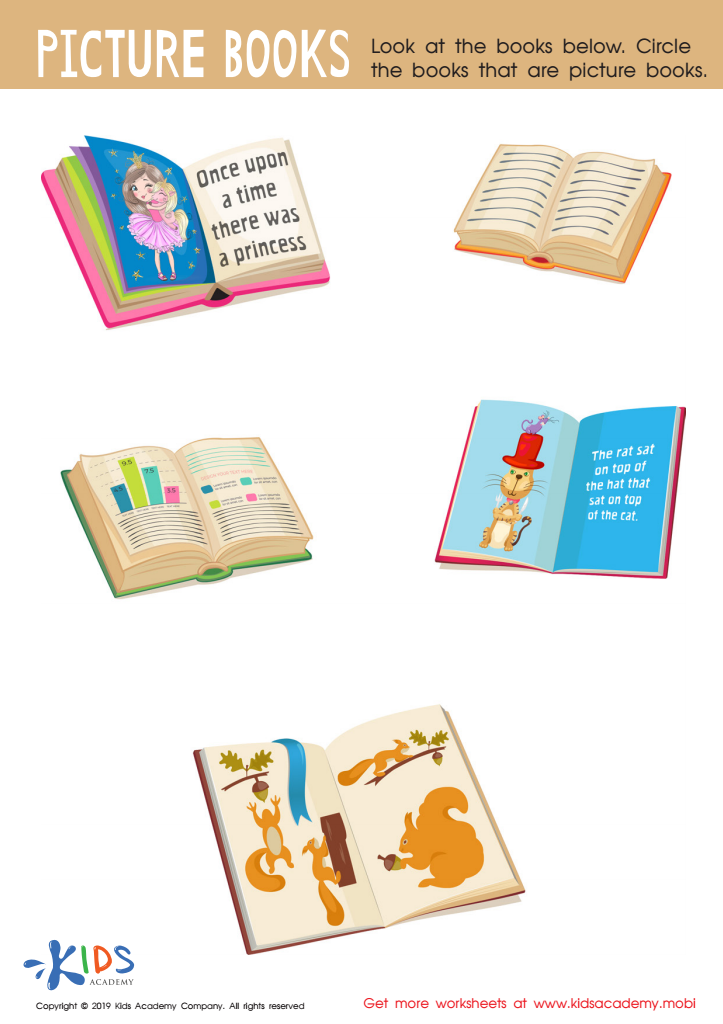
Picture Books Worksheet
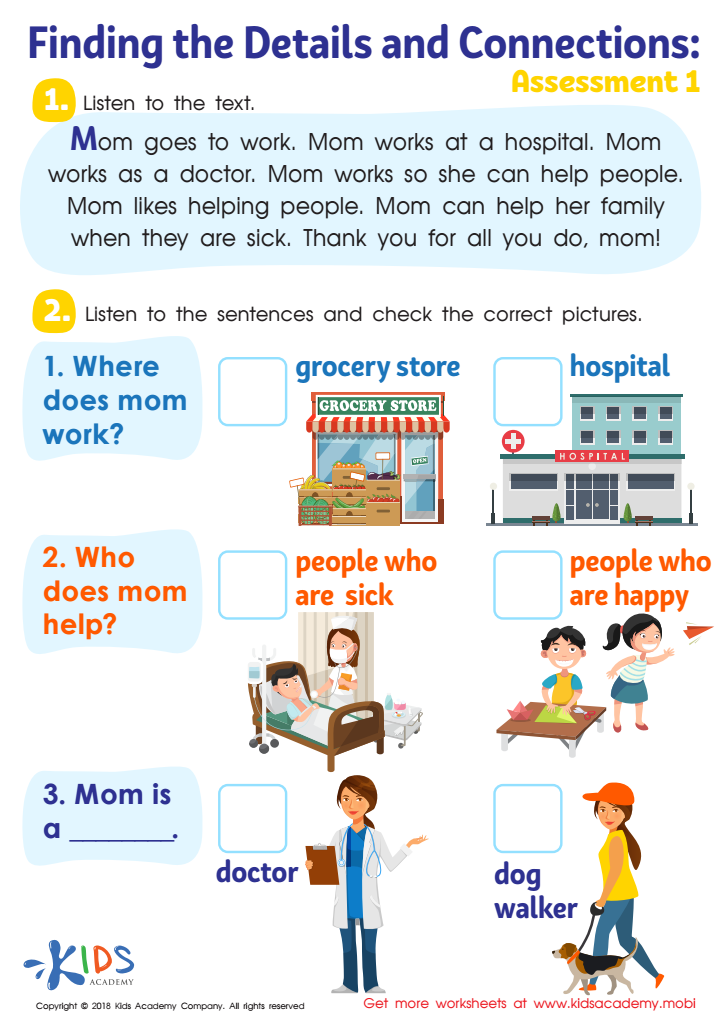
Finding the Details and Connections: Assessment 1 Worksheet
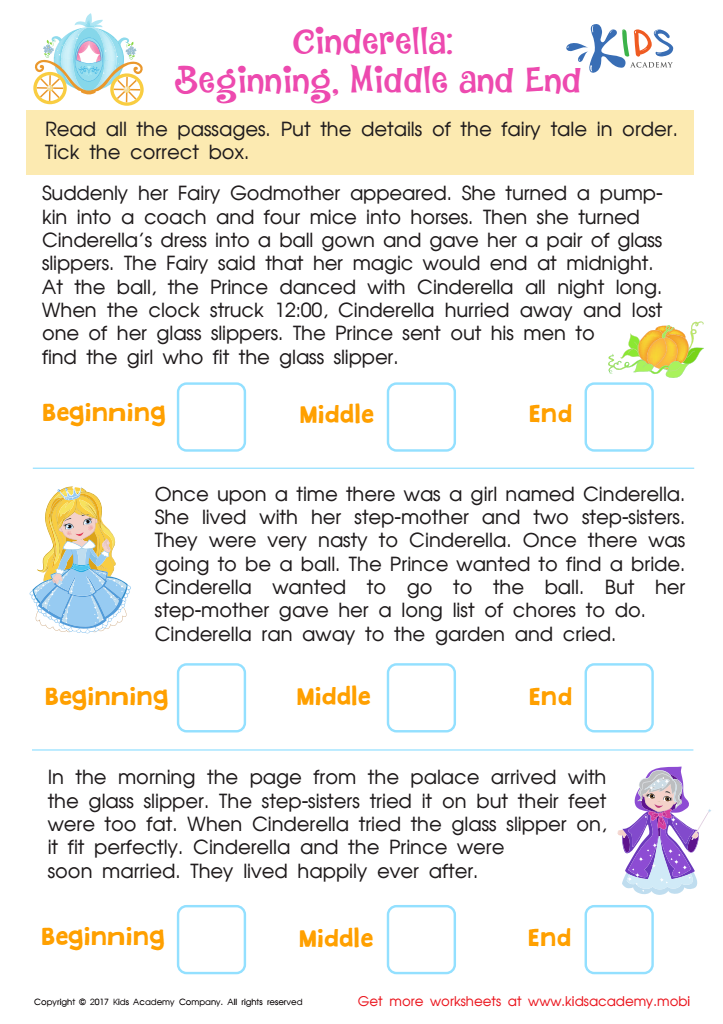
Cinderella: Beginning, Middle and End Worksheet
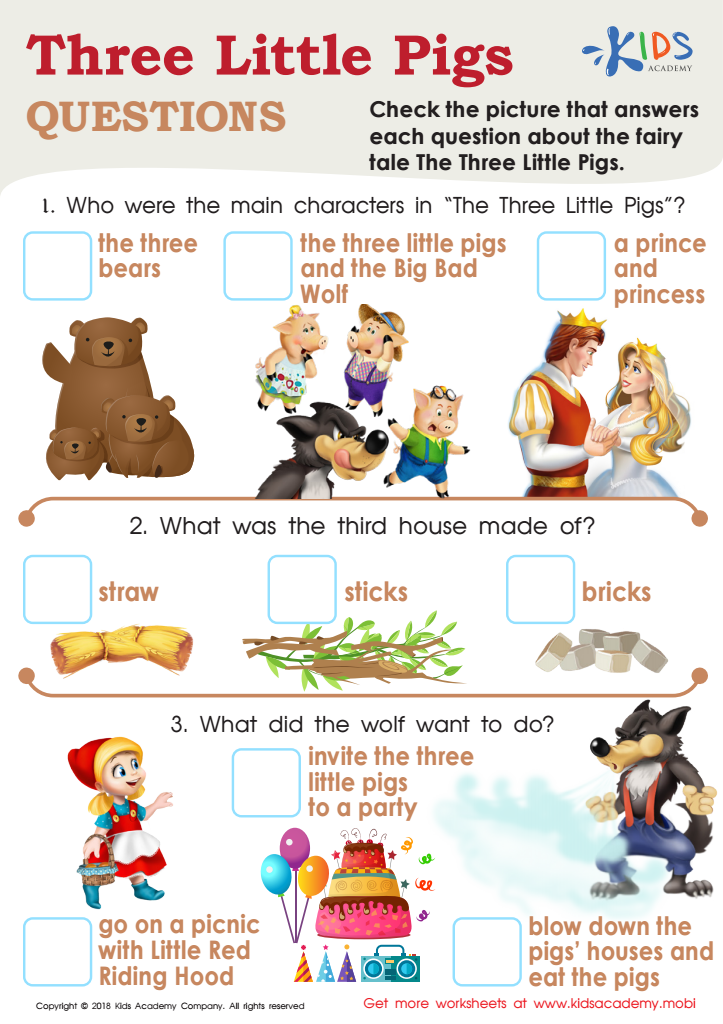
Three Little Pigs Questions Worksheet
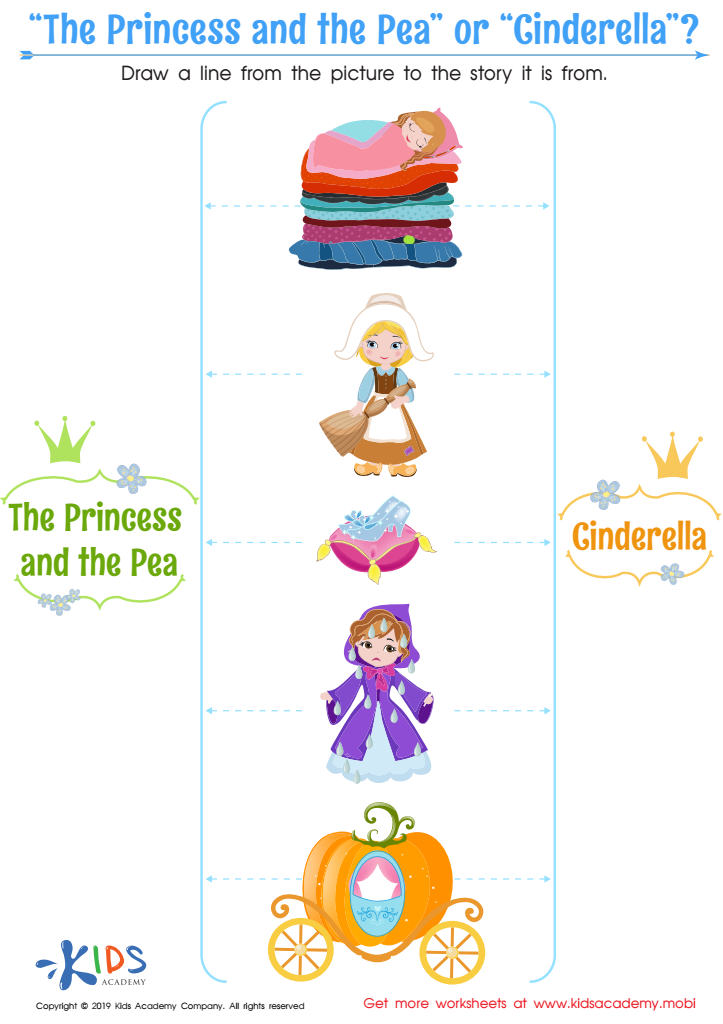
“The Princess and the Pea” or “Cinderella” Worksheet
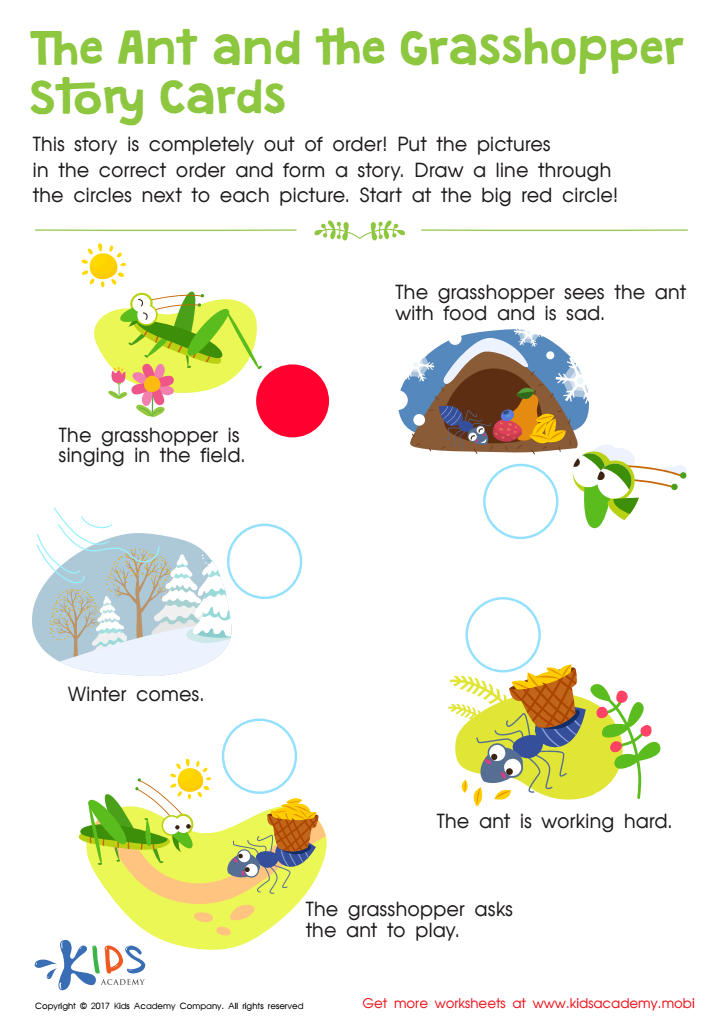
The Ant and The Grasshopper Worksheet
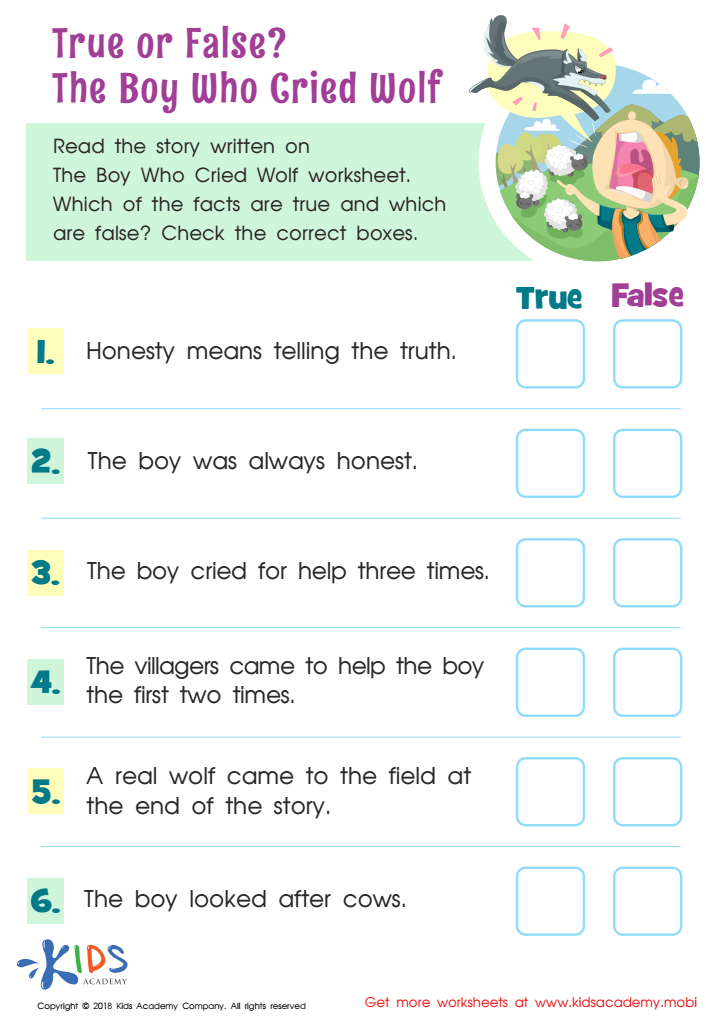
True or False? The Boy Who Cried Wolf Worksheet
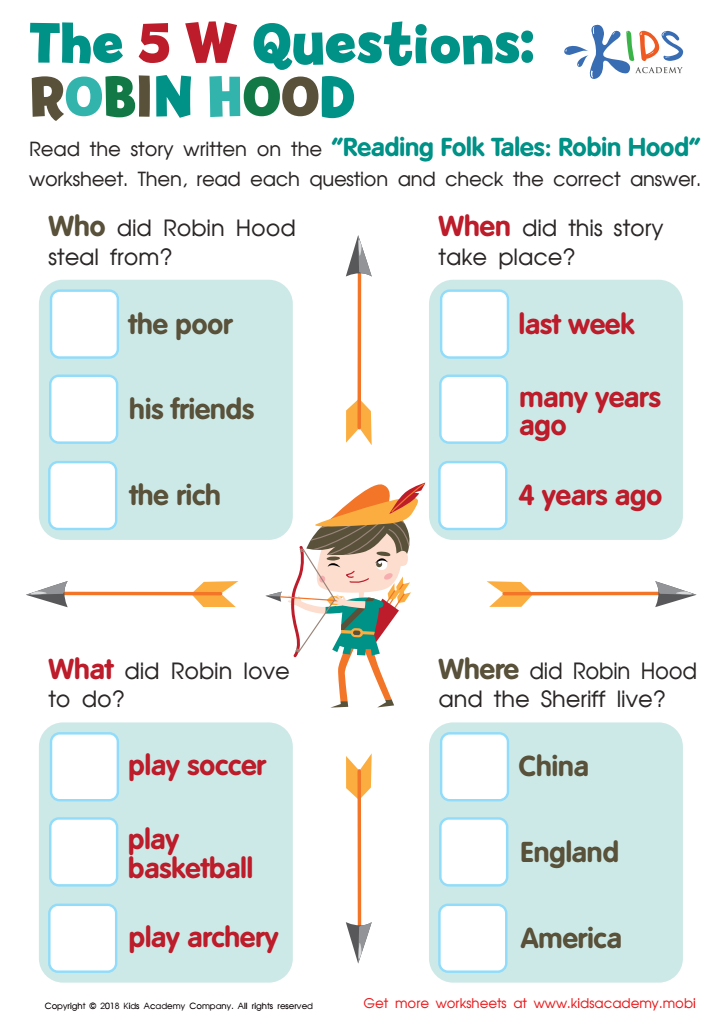
The 5 W Questions: Robin Hood Worksheet
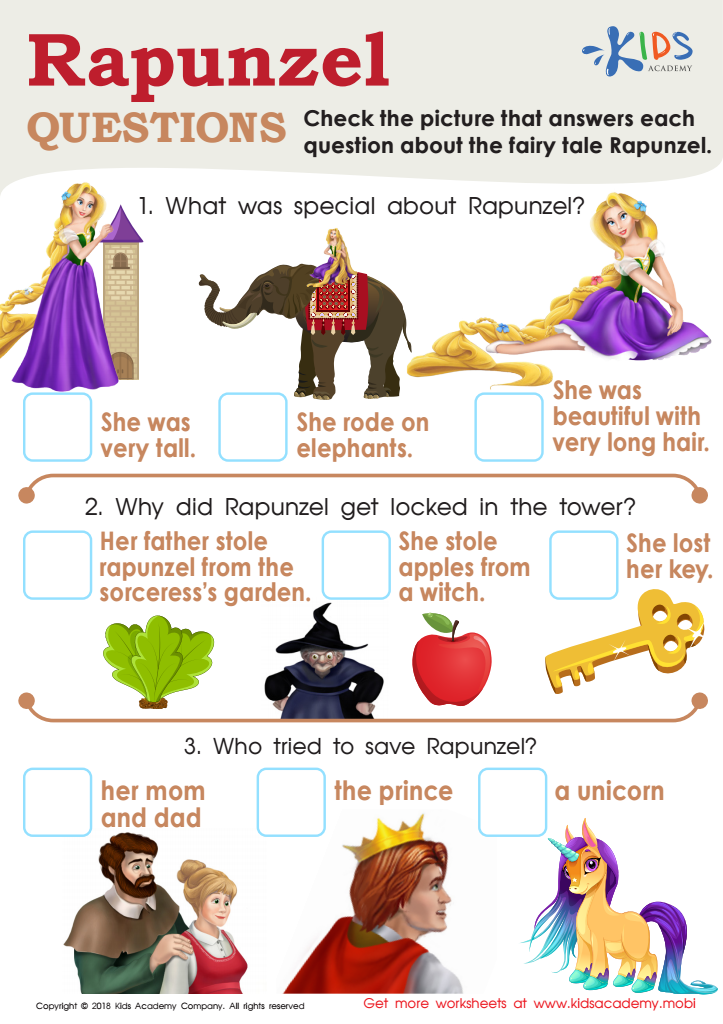
Rapunzel Questions Worksheet
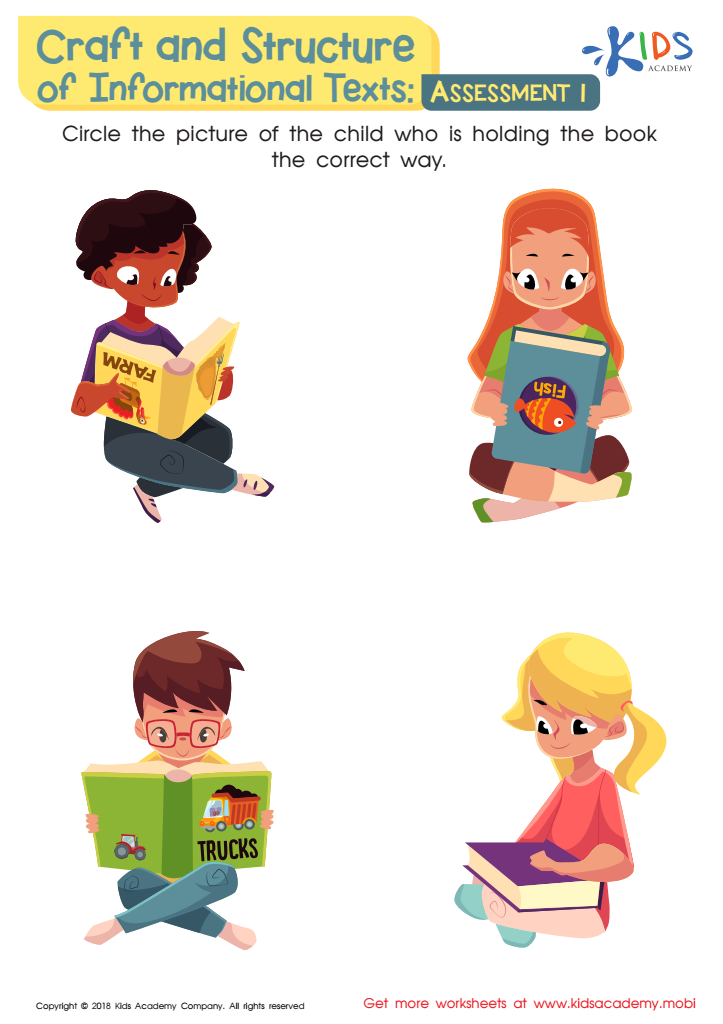
Craft and Structure of Informational Texts: Assessment 1 Worksheet
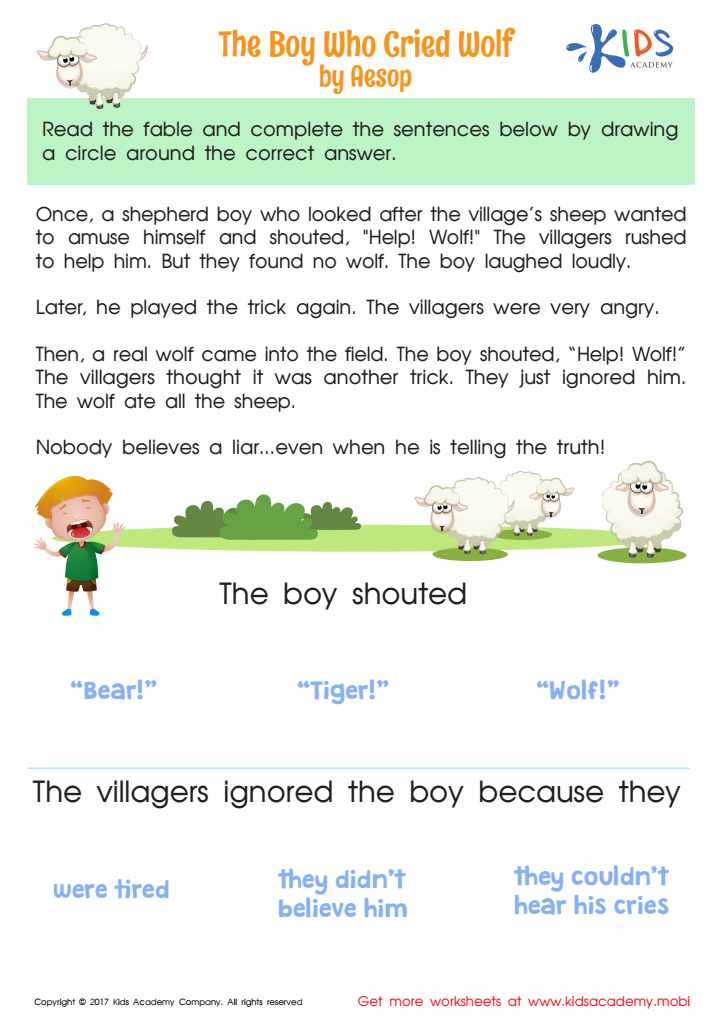
The Boy Who Cried Wolf Worksheet
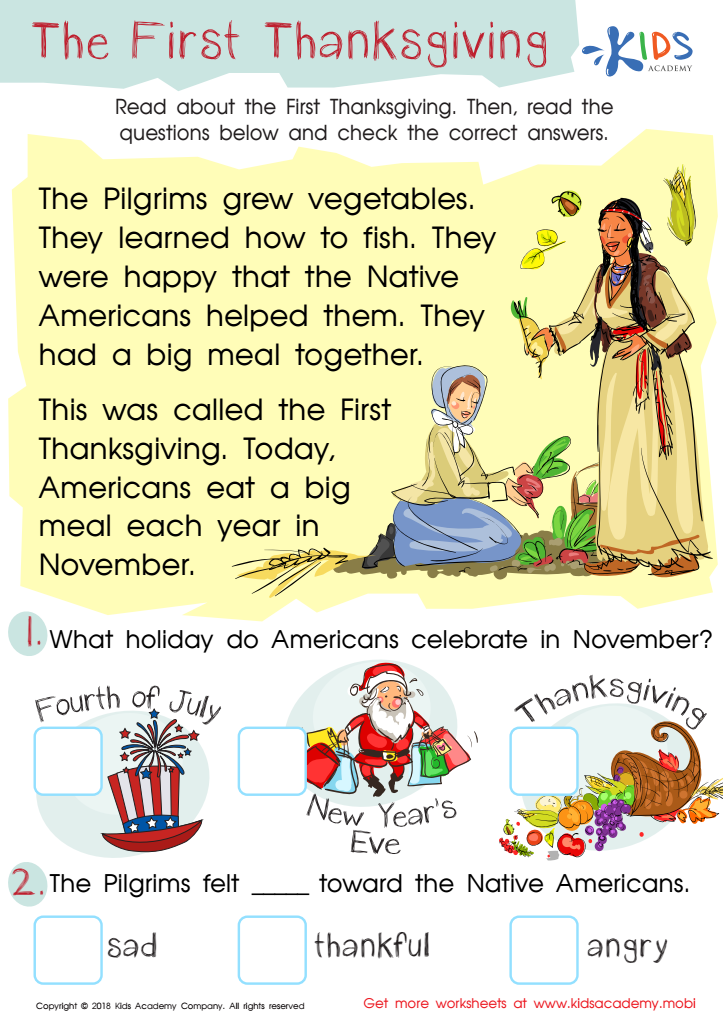
Assessment: First Thanksgiving Worksheet
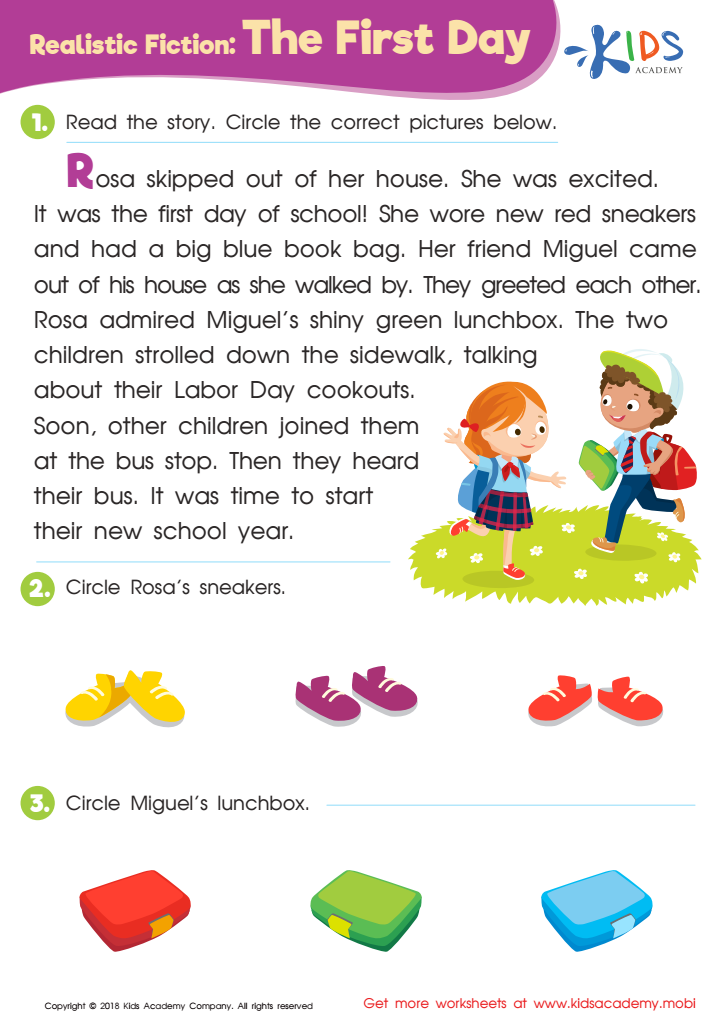
Realistic Fiction: The First Day Worksheet
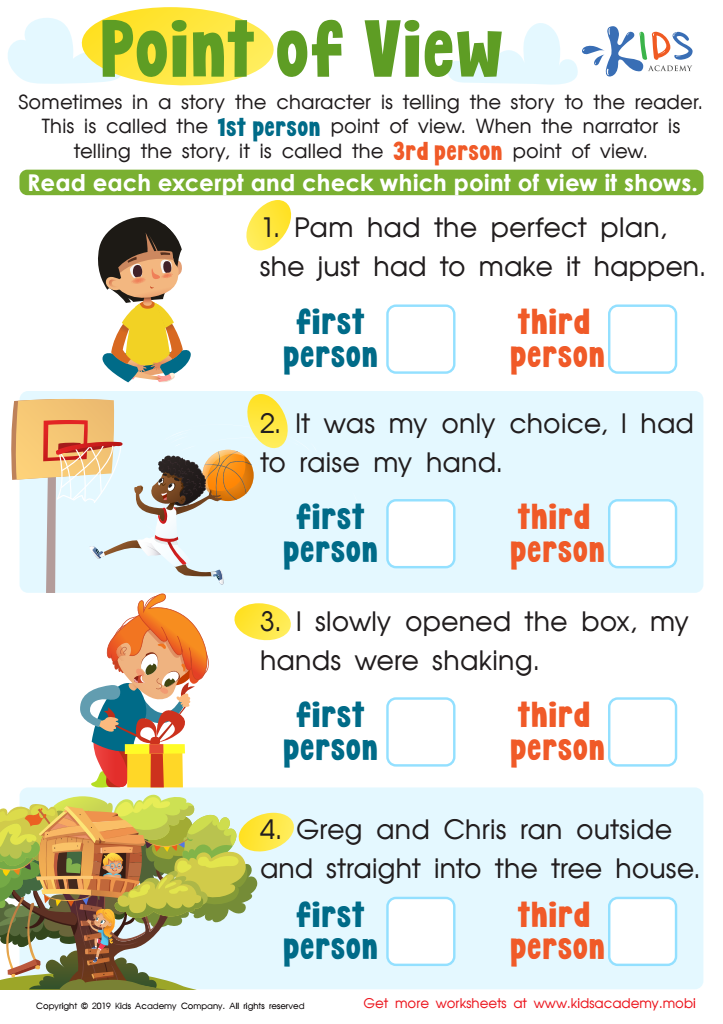
Point of View Printable
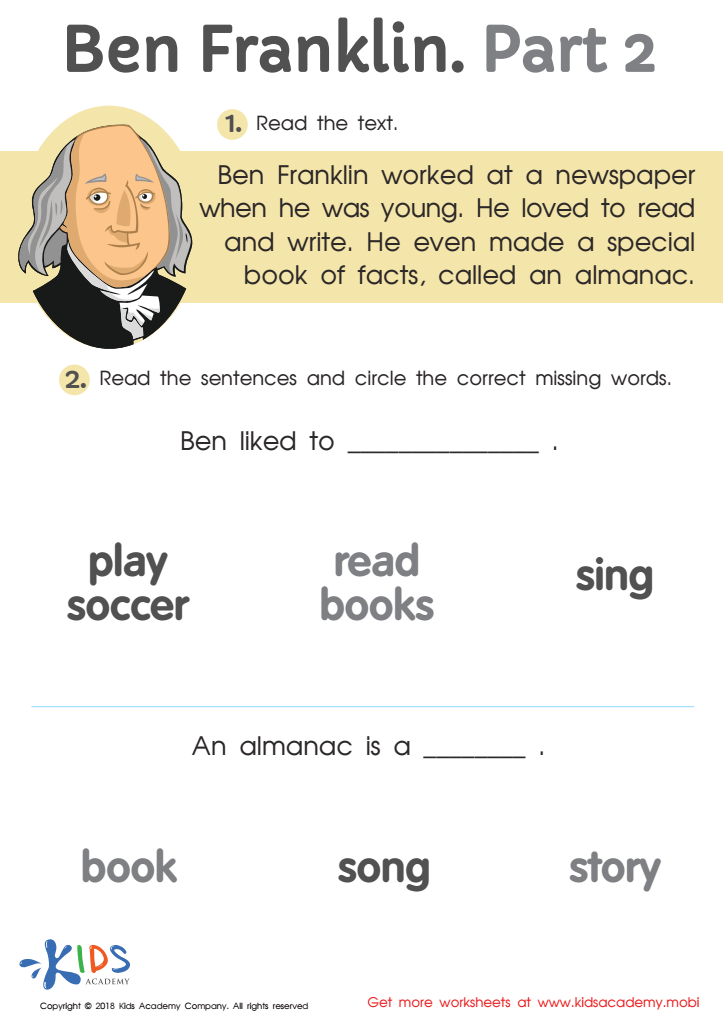
Ben Franklin Part 2 Worksheet
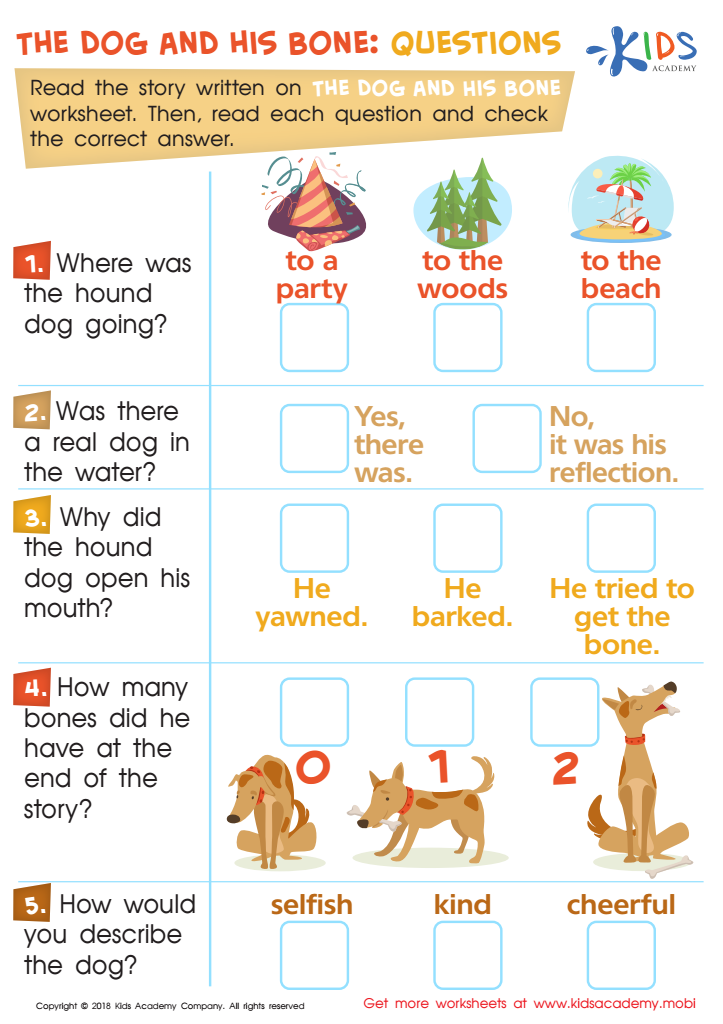
The Dog and His Bone: Questions Worksheet
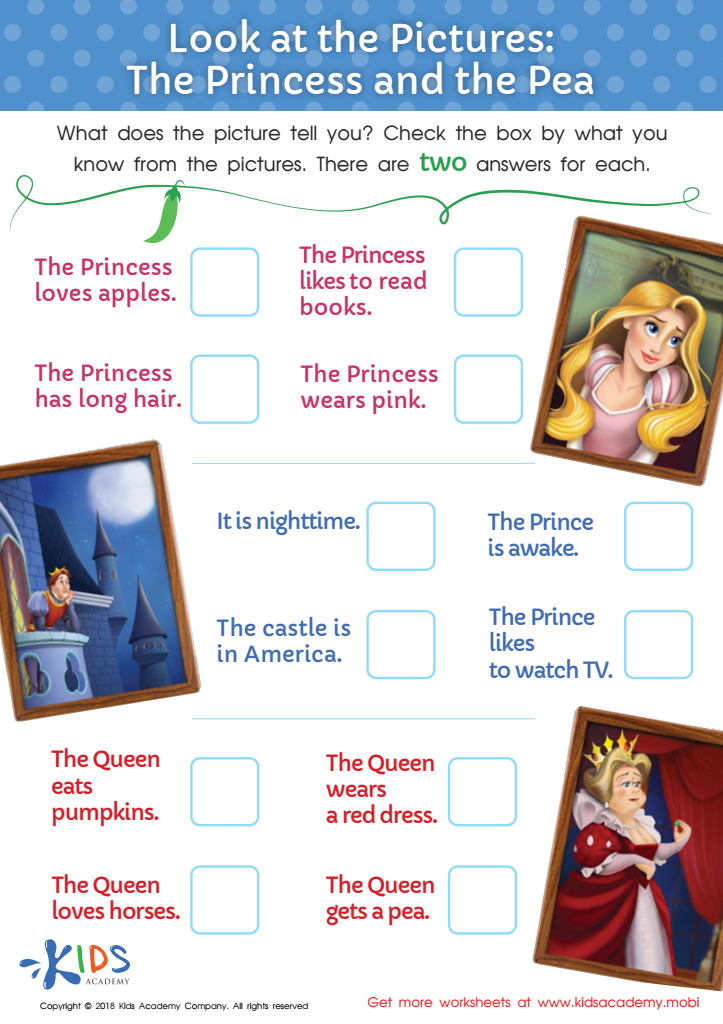
Look at the Pictures: The Princess and the Pea Worksheet
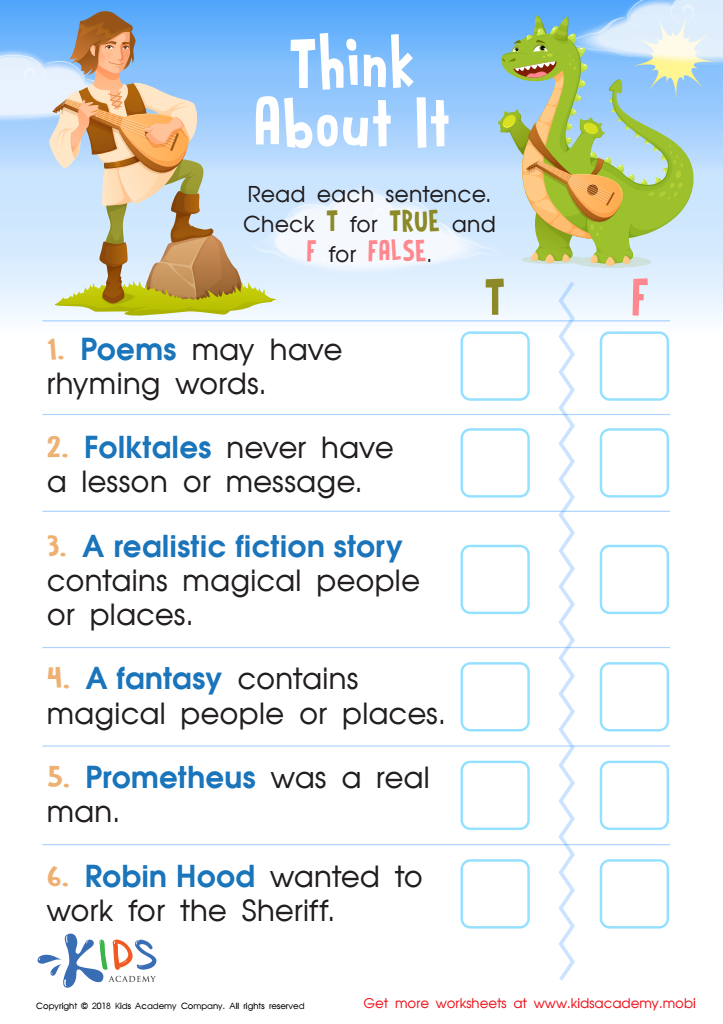
Think About It: Assessment Worksheet
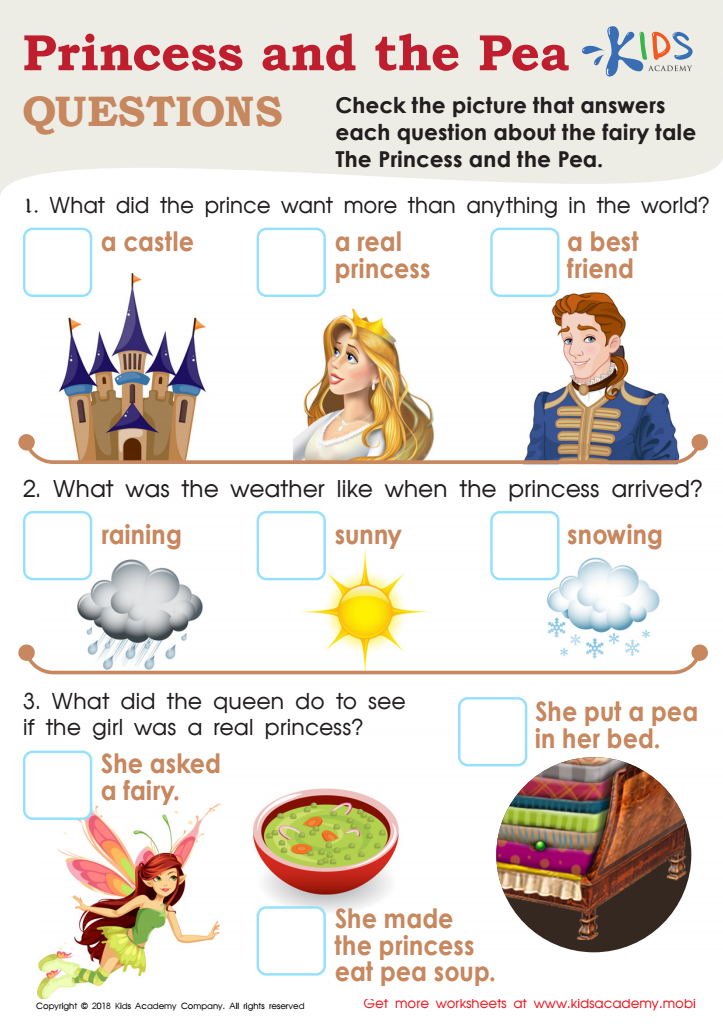
Princess and the Pea Questions Worksheet








Parents and teachers should prioritize critical thinking in reading because it fosters lifelong learning and problem-solving skills essential for success. When children think critically about what they read, they go beyond mere decoding and comprehension; they engage in analysis, synthesis, and evaluation of information. This empowers them to better understand and internalize the material, leading to deeper learning and intellectual growth.
Critical thinking in reading helps students question assumptions, draw connections, and distinguish between fact and opinion, preparing them for real-world challenges where information is not simply presented, but intricately woven and often misleading. By encouraging this skill, parents and teachers nurture independent thinkers who can approach problems creatively and make informed decisions.
Moreover, fostering critical thinking enhances students' overall academic performance. It improves their writing and oral communication skills as they learn to articulate their thoughts coherently and persuasively. It also aids in other subjects like science and math, where logic and reasoning are key.
In essence, focusing on critical thinking when reading equips children with the tools they need to navigate an increasingly complex world confidently. It’s an investment in their ability to thrive both in academics and in life, emphasizing wisdom and discernment alongside traditional literacy skills.








