Hand-eye Coordination Normal Reading Worksheets
5 filtered results
-
From - To
Enhance your child's reading journey with our "Hand-eye Coordination Normal Reading Worksheets." These expertly created worksheets, available at Kids Academy, are designed to improve your child's hand-eye coordination skills foundational for reading development. By combining engaging activities and carefully curated exercises, our worksheets help children seamlessly connect visual information with corresponding physical movements. Perfect for early learners, these resources promote cognitive skills, fine motor development, and focus, ensuring a holistic growth experience. Visit Kids Academy today to access our plethora of high-quality hand-eye coordination reading worksheets tailored for young minds. Your child's reading success starts here!
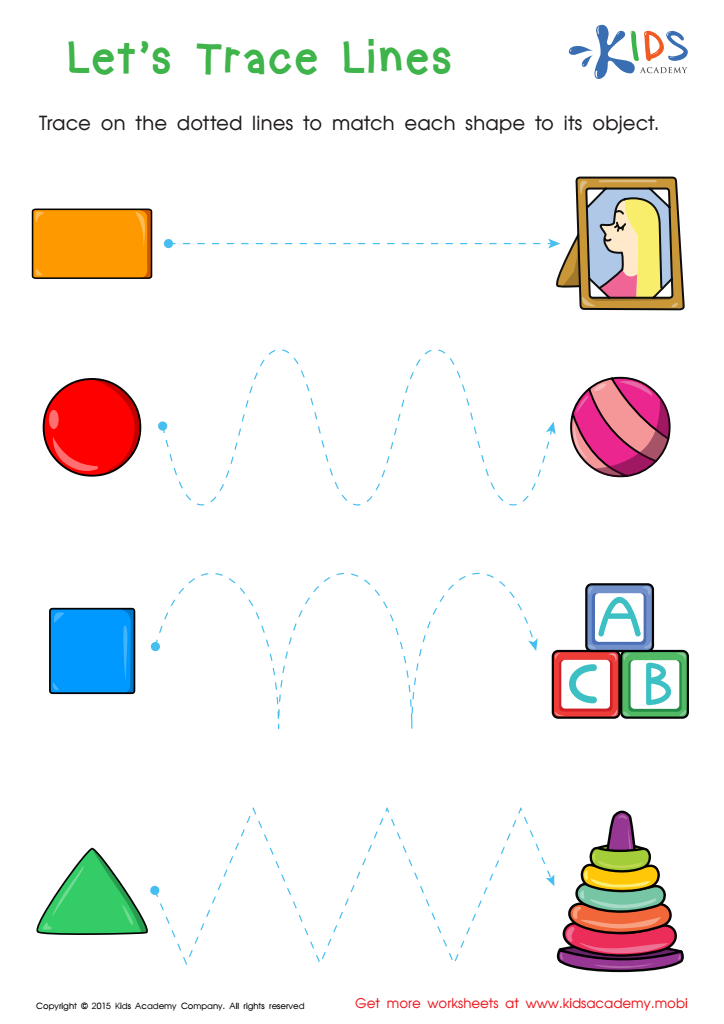
First Words: Let's Trace Lines Worksheet

Long and Short U Worksheet
 Assign to My Students
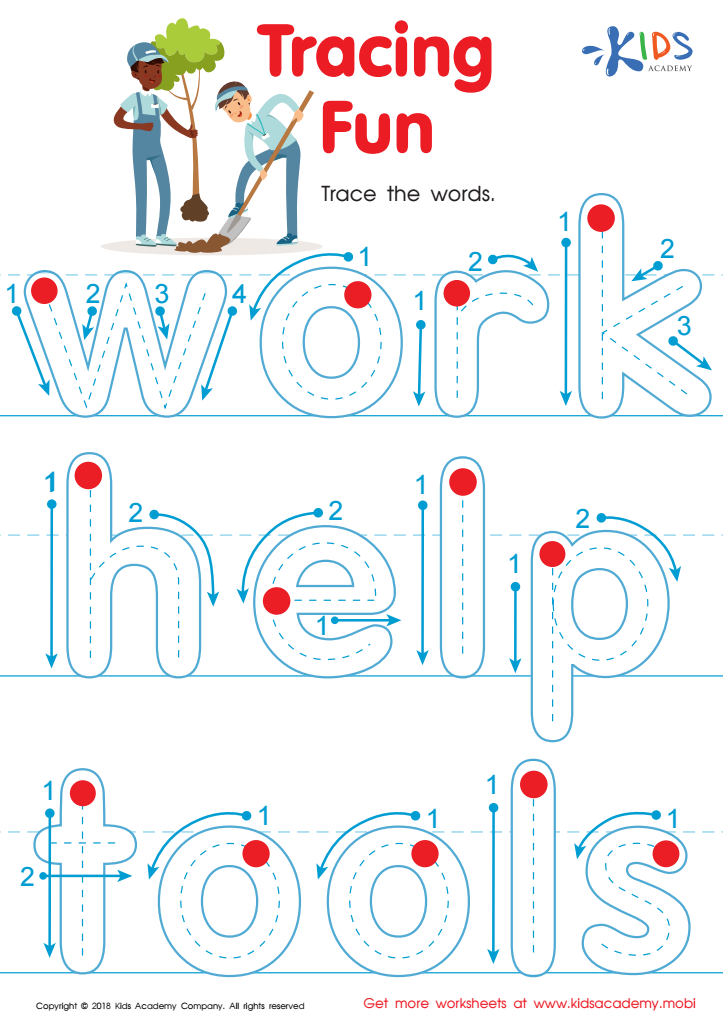
Tracing Fun Worksheet
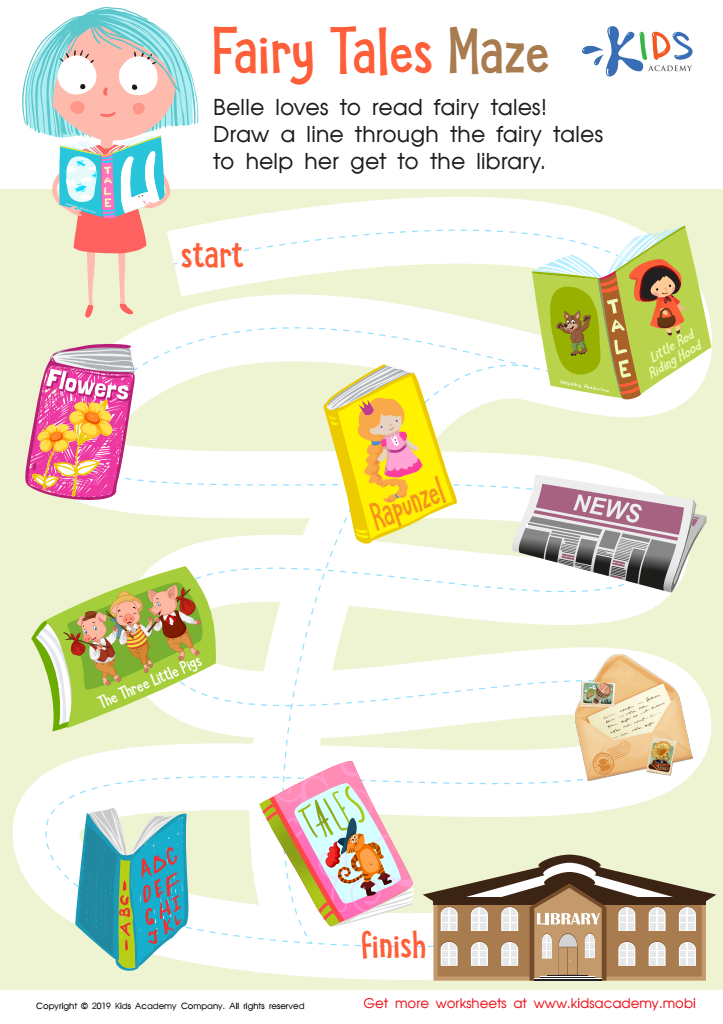
Fairy Tales Maze Worksheet
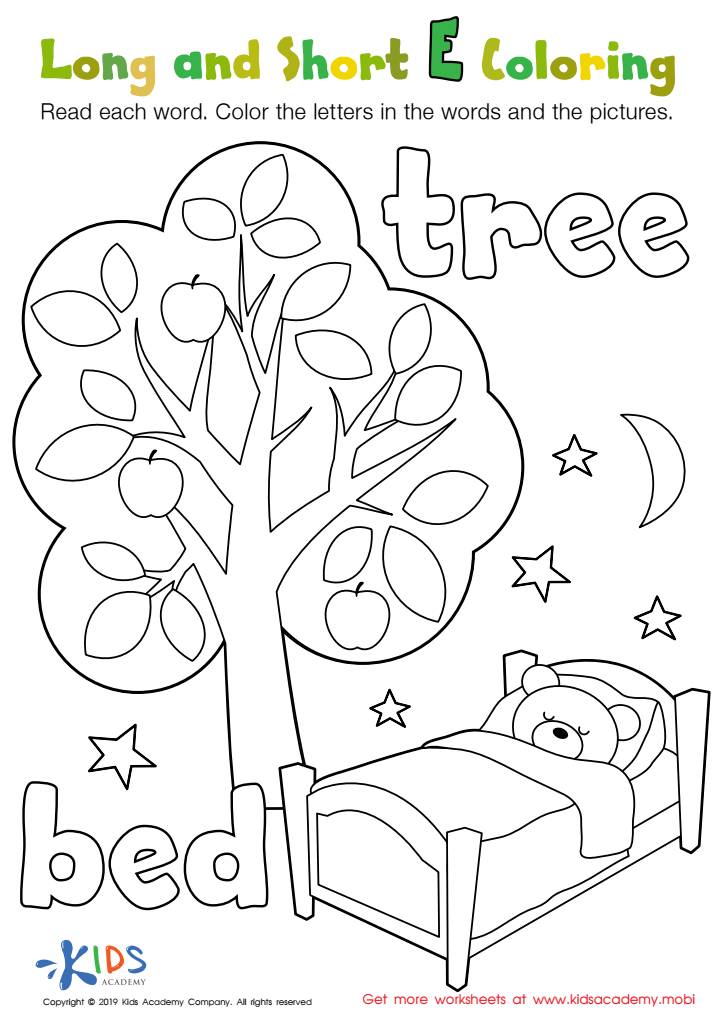
Long and Short E Worksheet
Assign to My Students




.jpg)
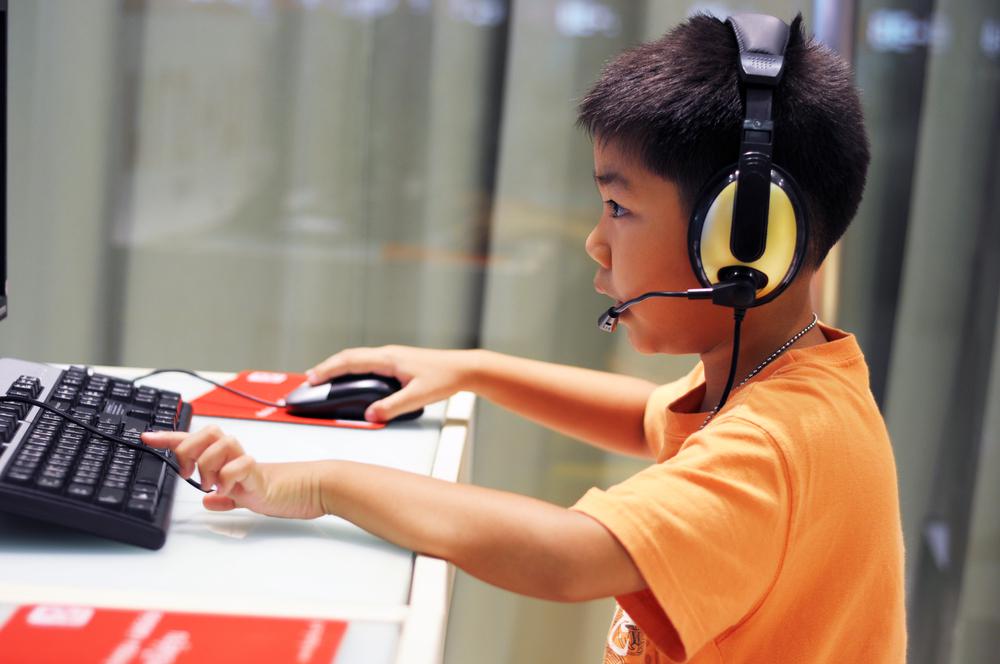
Hand-eye coordination is crucial for children's overall development, impacting their ability to perform daily activities and academic tasks. For both parents and teachers, fostering good hand-eye coordination is essential because it supports numerous critical areas of a child's growth. In early reading, hand-eye coordination allows children to seamlessly track text lines, enhancing their reading fluency and comprehension. When a child’s eyes can easily follow along as they manipulate a book or manage electronic reading devices, it leads to smoother, more effective learning experiences.
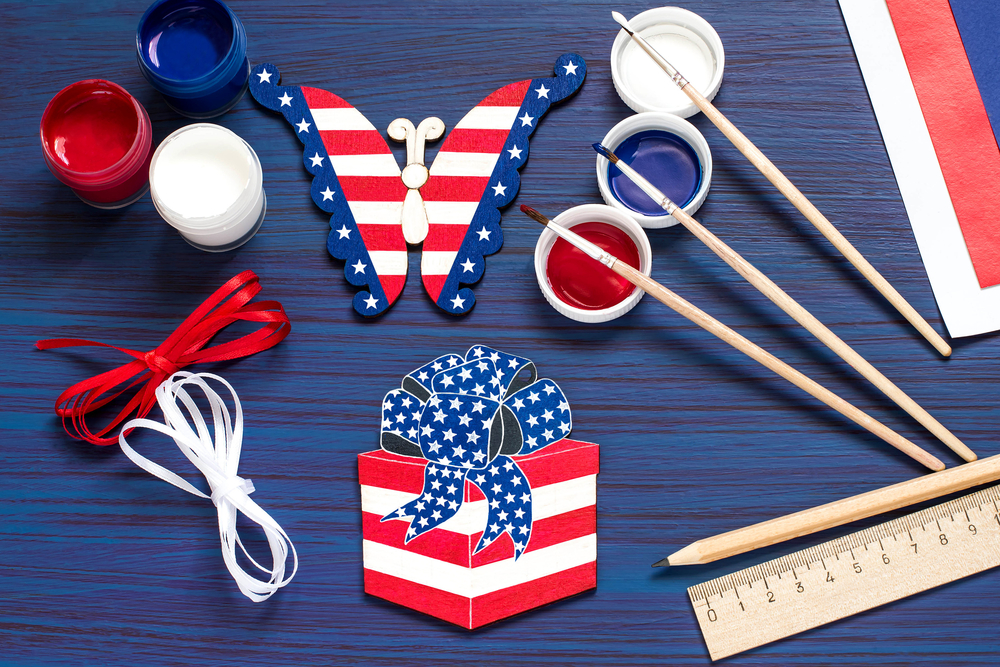
Additionally, strong hand-eye coordination aids in writing and drawing, enabling children to better control their pencils or crayons. This control translates into more clearly formed letters and numbers, promoting better communication skills. Outside the academic context, good hand-eye coordination improves participation and success in physical activities, which are important for maintaining a healthy and active lifestyle. Sports and certain games also boost social skills as children learn to navigate group dynamics and teamwork.
Ultimately, by valuing hand-eye coordination, parents and teachers foster a foundation for children’s academic achievements, physical health, and social capabilities, setting them up for more confident, well-rounded, and successful lives. Regular practice through targeted activities can substantially enhance these skills, demonstrating a proactive commitment to a child's holistic development.








