Logical thinking Normal Reading Worksheets
6 filtered results
-
From - To
Enhance your child's logical thinking skills with our engaging Normal Reading Worksheets! Designed for early learners, these worksheets encourage critical thinking through fun activities that challenge comprehension and reasoning abilities. Kids will explore various reading passages while answering questions that promote analysis and synthesis of information. Our worksheets align with educational standards, making them perfect for both home and classroom use. With colorful designs and age-appropriate content, children will enjoy reinforcing their literacy skills in an interactive manner. Dive into our collection now and watch your child develop confidence in their reading and logical thinking abilities!
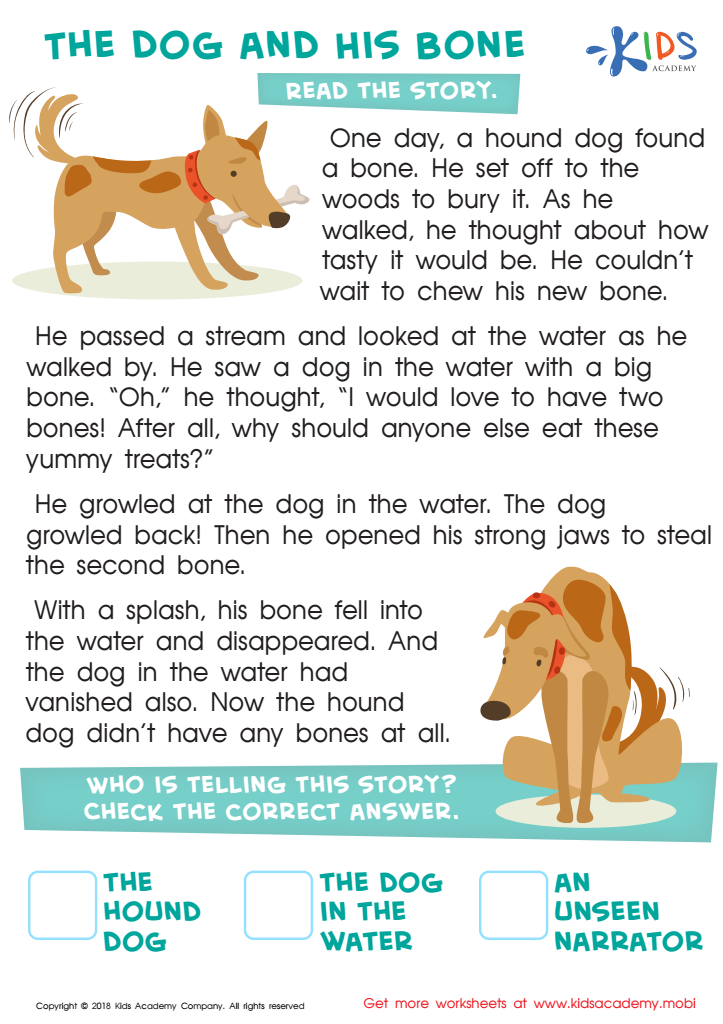
The Dog and His Bone Worksheet
 Assign to My Students
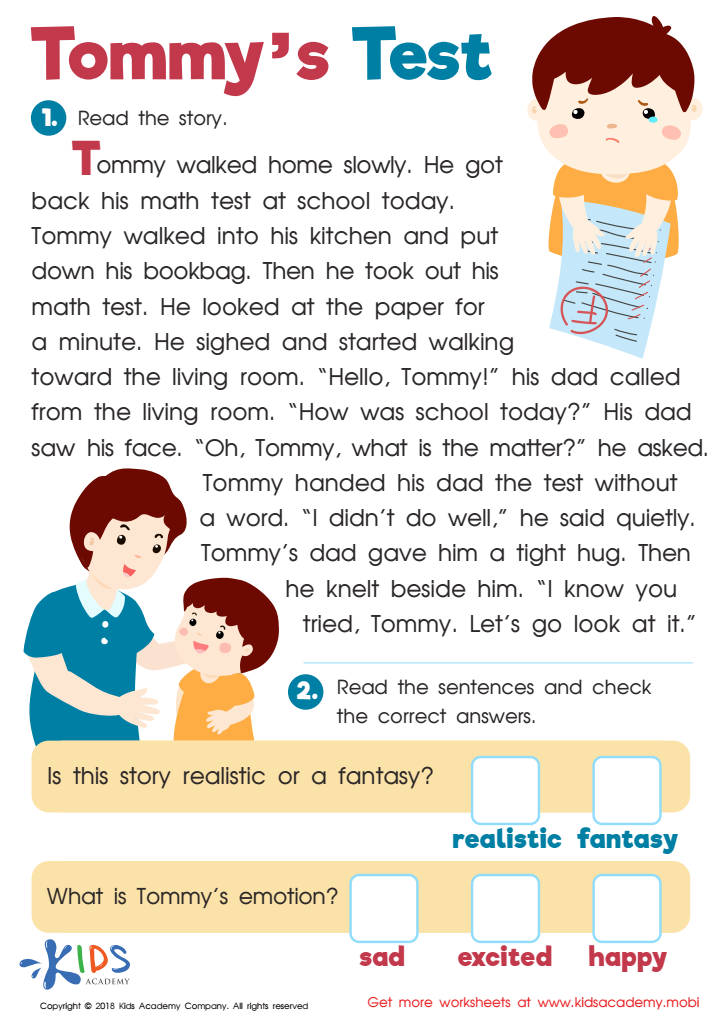
Tommys Test Worksheet
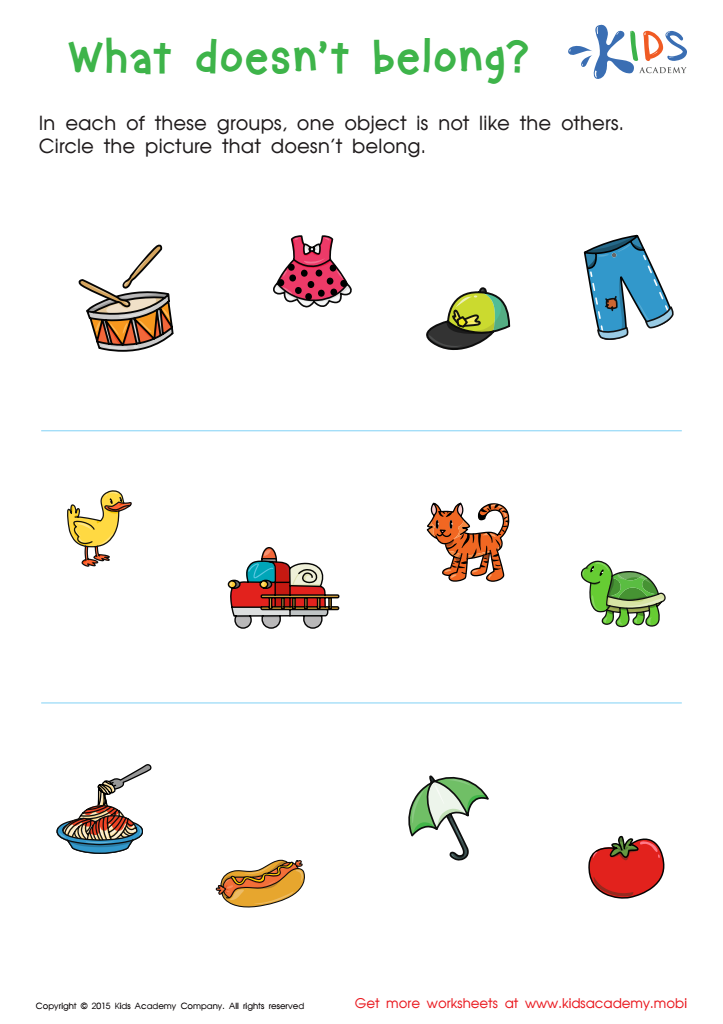
First Words: What Doesn't Belong Worksheet
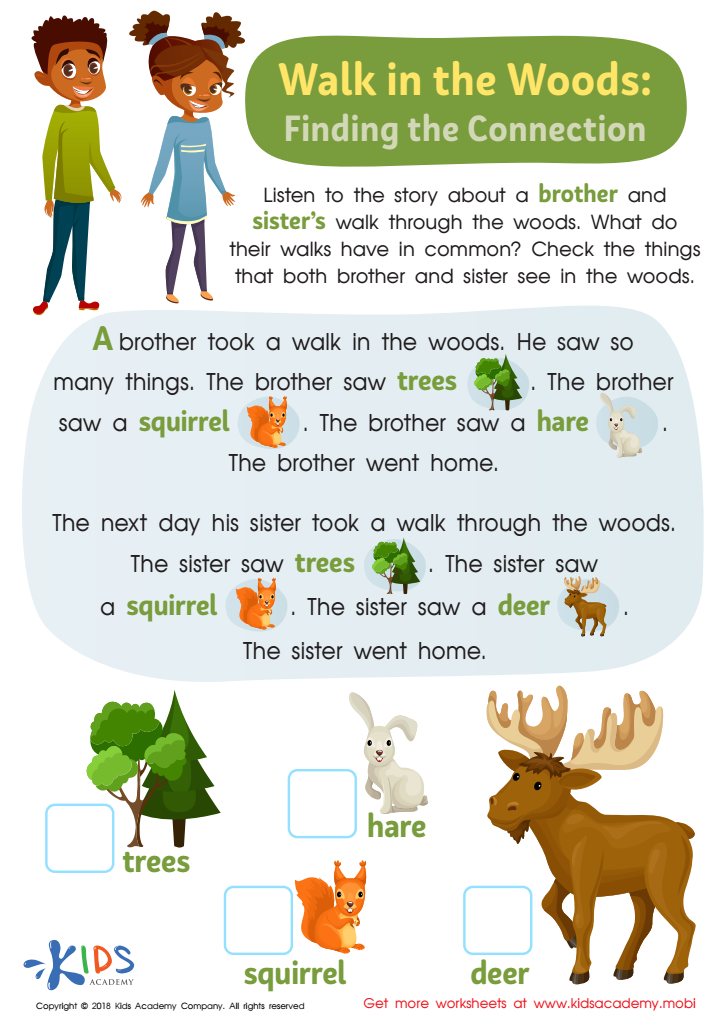
Walk In the Woods: Finding Connections Worksheet
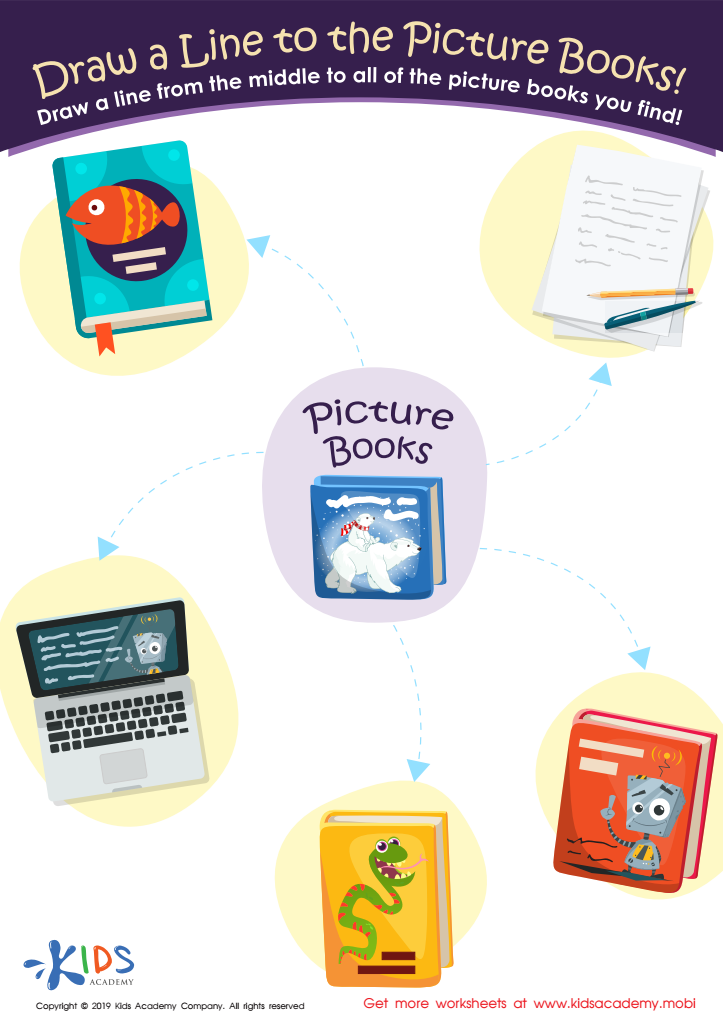
Draw a Line to the Picture Books Worksheet
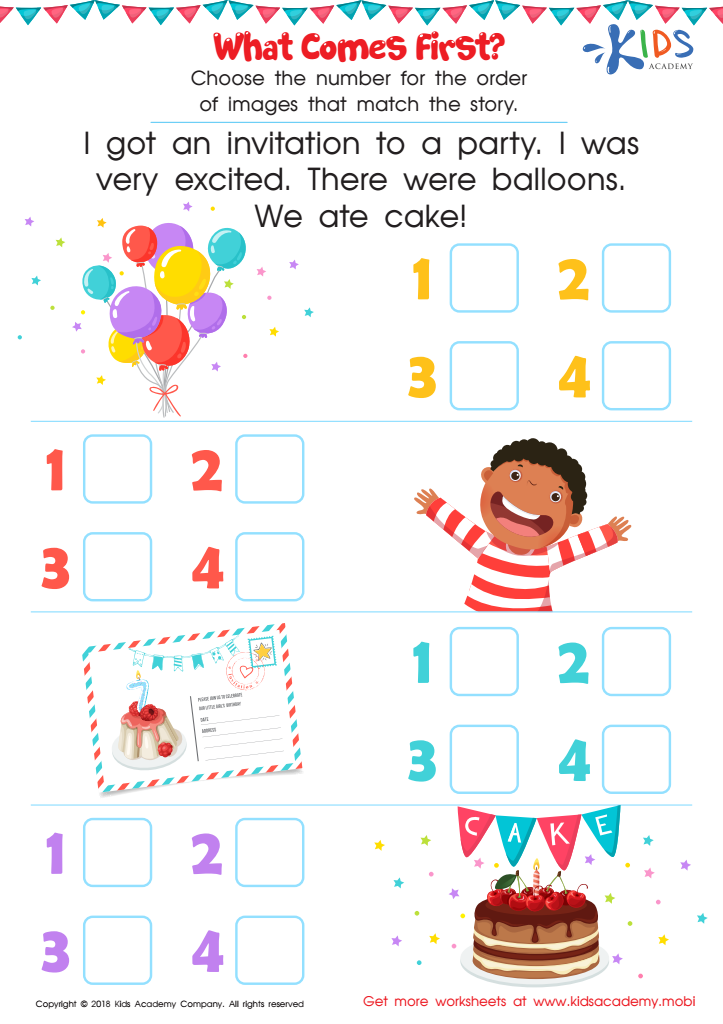
What Comes First Worksheet








Logical thinking and reading skills are foundational elements in a child's education and overall development. For parents and teachers, nurturing these abilities is crucial for fostering a child's cognitive growth and academic success.
Logical thinking equips children with the ability to analyze situations, solve problems, and make reasoned decisions. These critical thinking skills are transferable to various disciplines, including math, science, and everyday life scenarios, making them essential for holistic learning. Encouraging logical reasoning through activities like puzzles, games, and discussions not only enhances intellectual engagement but also builds resilience as children learn to navigate challenges.
Normal reading, on the other hand, is vital in developing literacy, comprehension, and communication skills. Proficient reading skills empower children to access a world of information, fostering a love for learning and exploration. It aids in developing vocabulary, narrative structure comprehension, and the ability to critically evaluate texts.
When parents and teachers prioritize both logical thinking and normal reading, they cultivate a well-rounded individual who can engage effectively with their environment. Together, these skills pave the way for a future where children can become competent problem solvers, communicators, and lifelong learners, ultimately preparing them for success in an ever-evolving world.








