Cognitive Development Normal Animals Worksheets
5 filtered results
-
From - To
Explore our engaging Cognitive Development Normal Animals Worksheets designed to enhance children's understanding of animal characteristics and behaviors. These thoughtfully crafted worksheets introduce various animal species while promoting critical thinking and problem-solving skills. Students will engage in activities that encourage observation, categorization, and the identification of patterns, fostering their cognitive development. Ideal for early learners, our worksheets provide interactive opportunities for children to connect concepts with real-world animal scenarios. Visit our platform for a comprehensive collection that makes learning about the animal kingdom fun and educational. Perfect for teachers and parents looking to enrich children's learning experience!
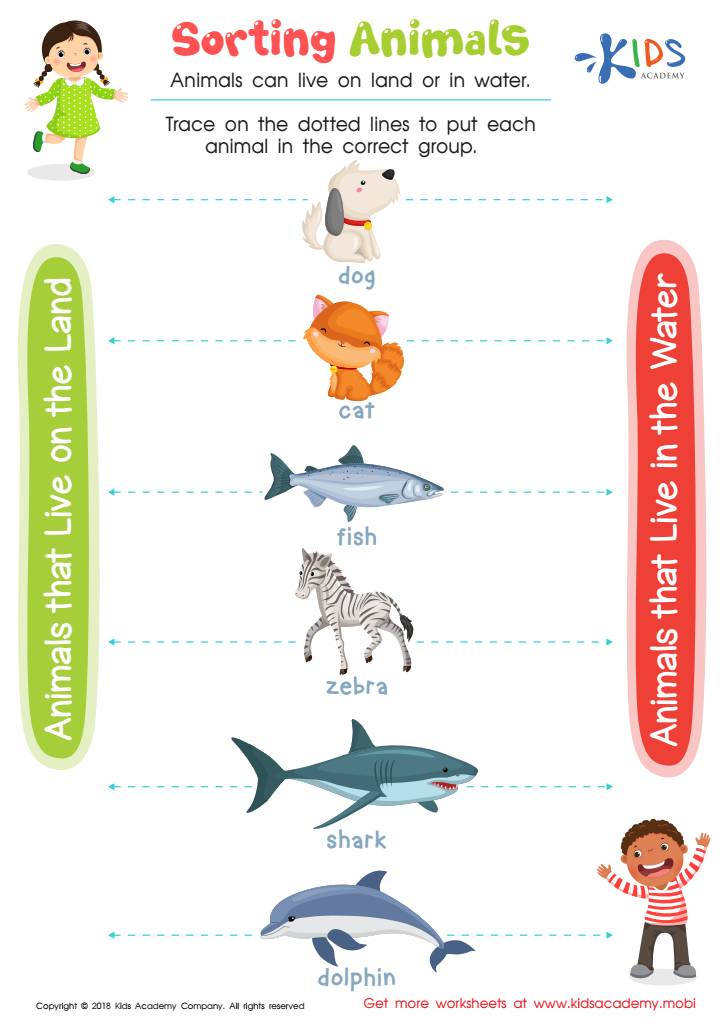
Sorting Animals Worksheet
 Assign to My Students
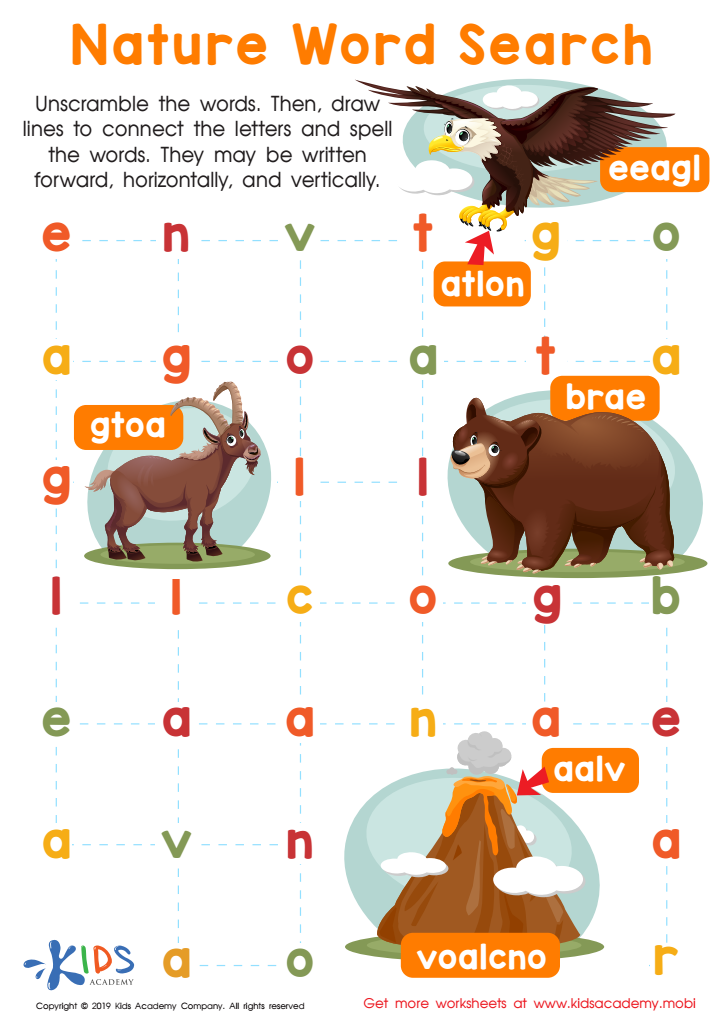
Nature Word Search Worksheet
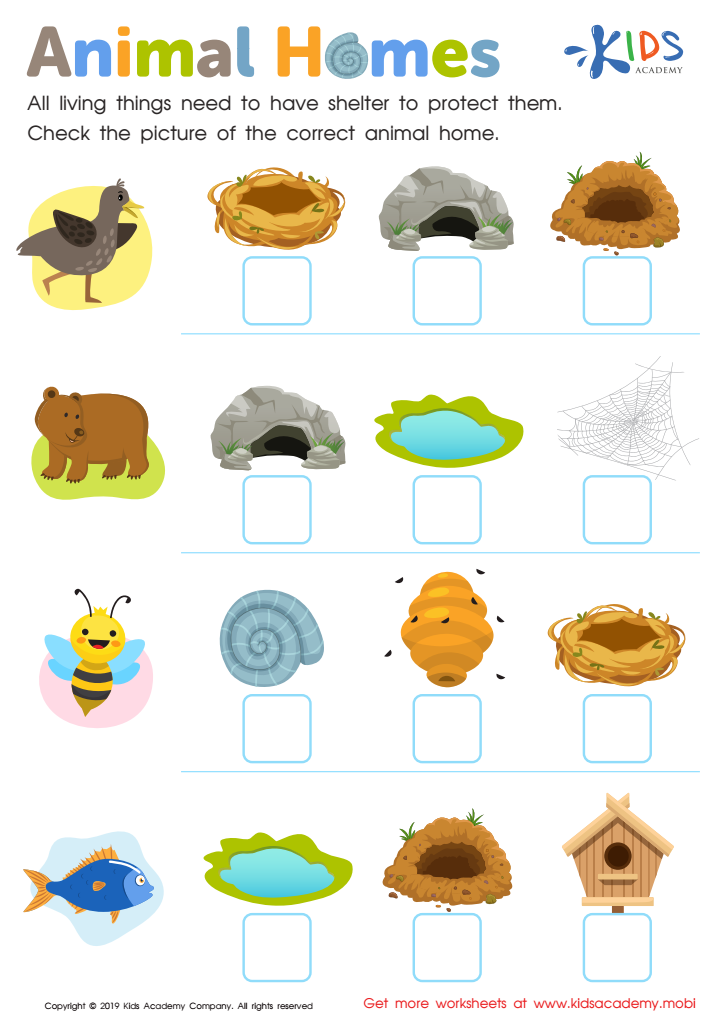
Animal Homes Worksheet
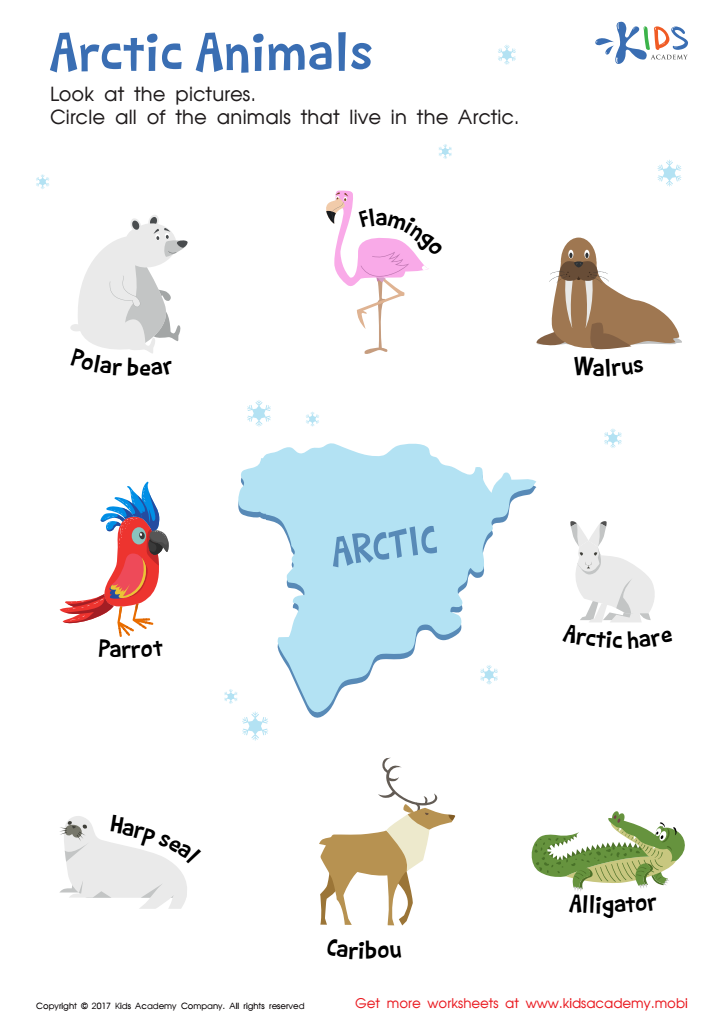
Arctic Animals Worksheet
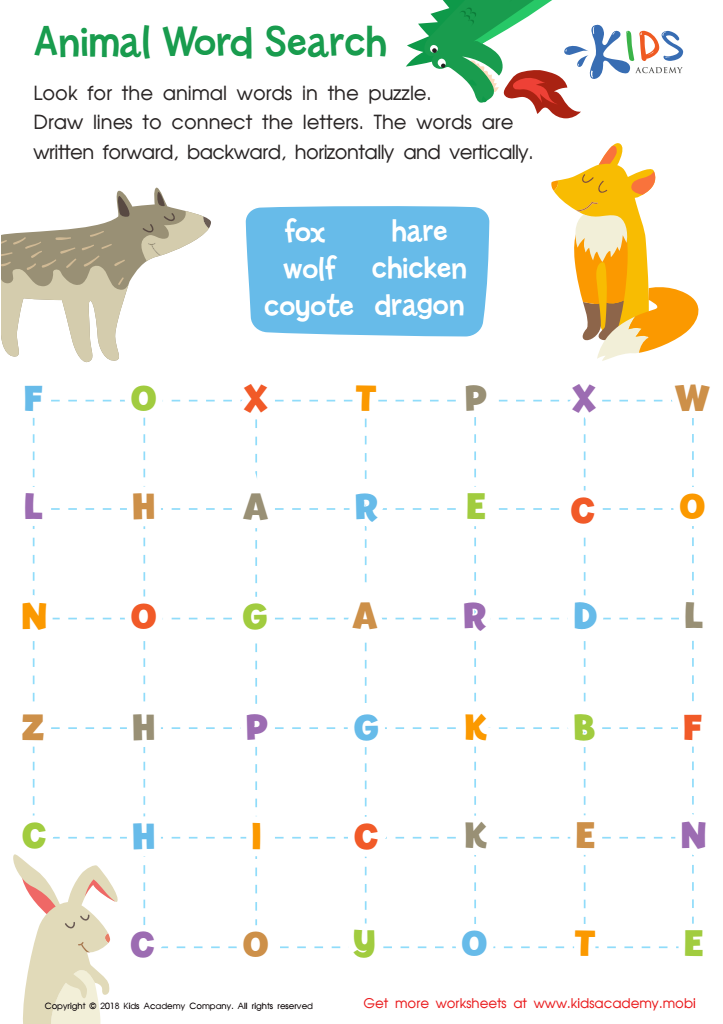
Animal Word Search Worksheet








Cognitive development in animals offers valuable insights that parents and teachers should consider in their educational practices. Understanding the milestones of cognitive growth in animals helps us grasp fundamental learning processes applicable to humans, especially young children. Observing normal cognitive development in animals such as dogs, primates, and even rodents can reveal essential information about problem-solving, social interaction, and communication.
For educators, this knowledge can boost human learning outcomes. For instance, recognizing that play is a vital component of cognitive development in animals underlines its importance in classrooms and play-based learning environments. Engaging children through play cultivates critical thinking skills and social cooperation.
Furthermore, studying animals contributes to fostering empathy and respect for living beings among children. When children understand that animals also experience cognitive growth, they can become more compassionate and responsible, leading to a well-rounded education that emphasizes emotional intelligence.
Finally, insights from animal cognition can inform developmental expectations and create age-appropriate learning strategies for children. By carefully observing these processes in various species, parents and teachers can enhance their understanding of child development, support individual progress, and promote more effective learning experiences in both academic and personal realms.








