Critical Thinking Normal Physical Science Worksheets
3 filtered results
-
From - To
Unlock your child's potential with our "Critical Thinking Normal Physical Science Worksheets" at Kids Academy! Our carefully designed activities hone critical thinking skills, making science fun and engaging. Perfect for early learners, these worksheets offer various challenges that improve problem-solving abilities through interactive tasks. From understanding force and motion to exploring energy principles, our resources cater to different learning styles and abilities. Ideal for both classroom and home use, these worksheets aim to build a strong foundation in physical science while encouraging thoughtful analysis and informed conclusions. Equip your young learner with essential skills for their educational journey.
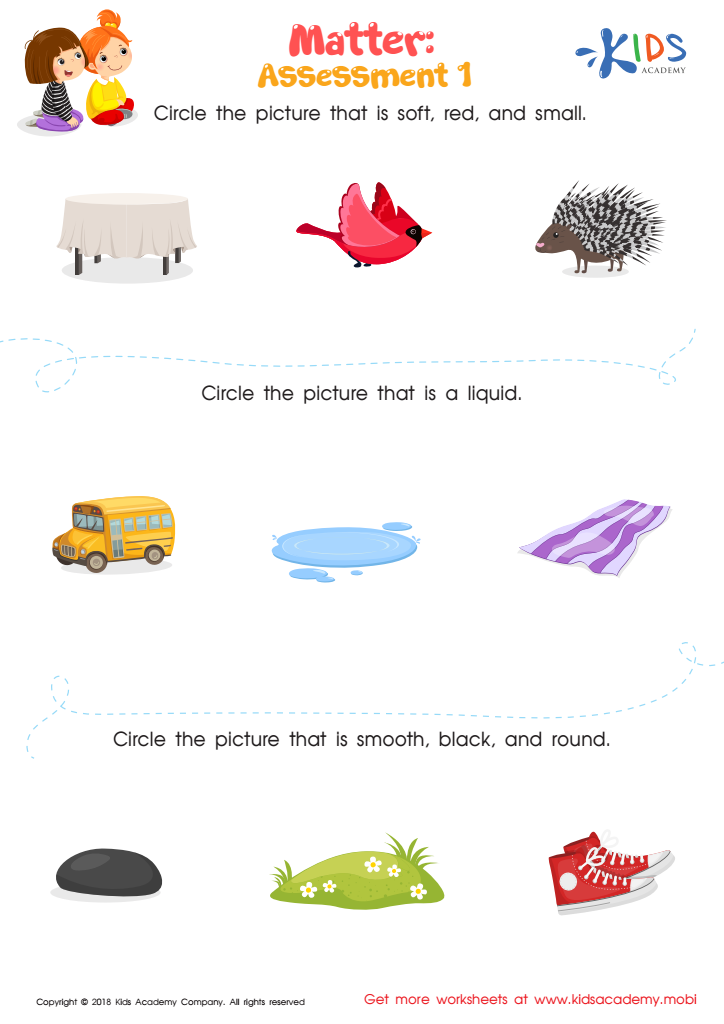
Matter: Assessment 1 Worksheet
 Assign to My Students
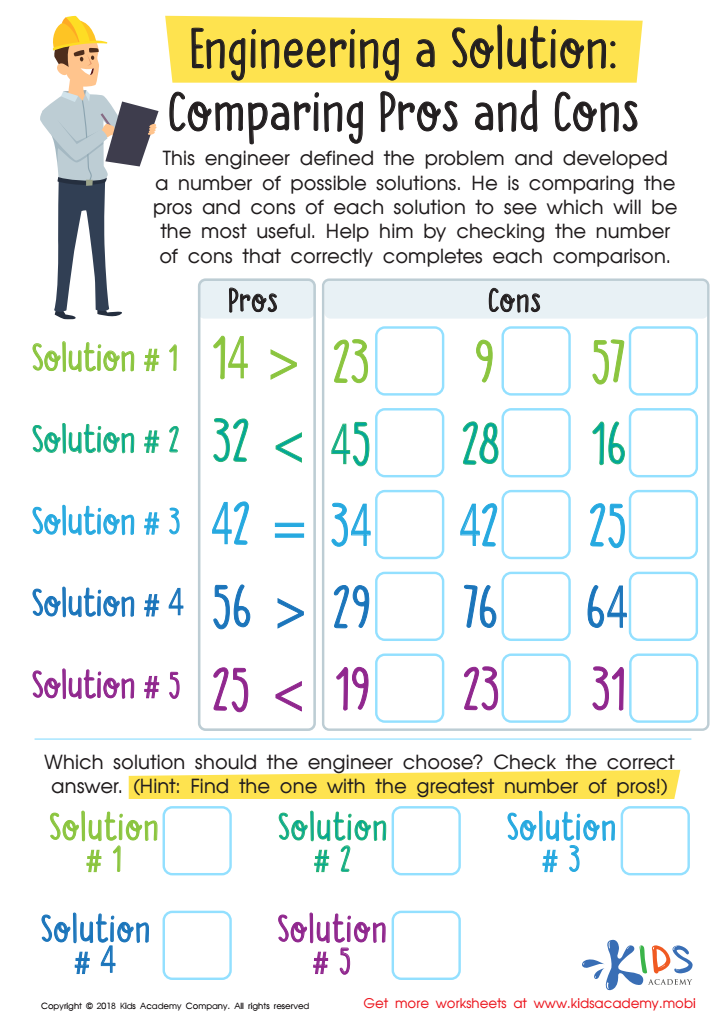
Engineering a Solution: Comparing Pros and Cons Worksheet
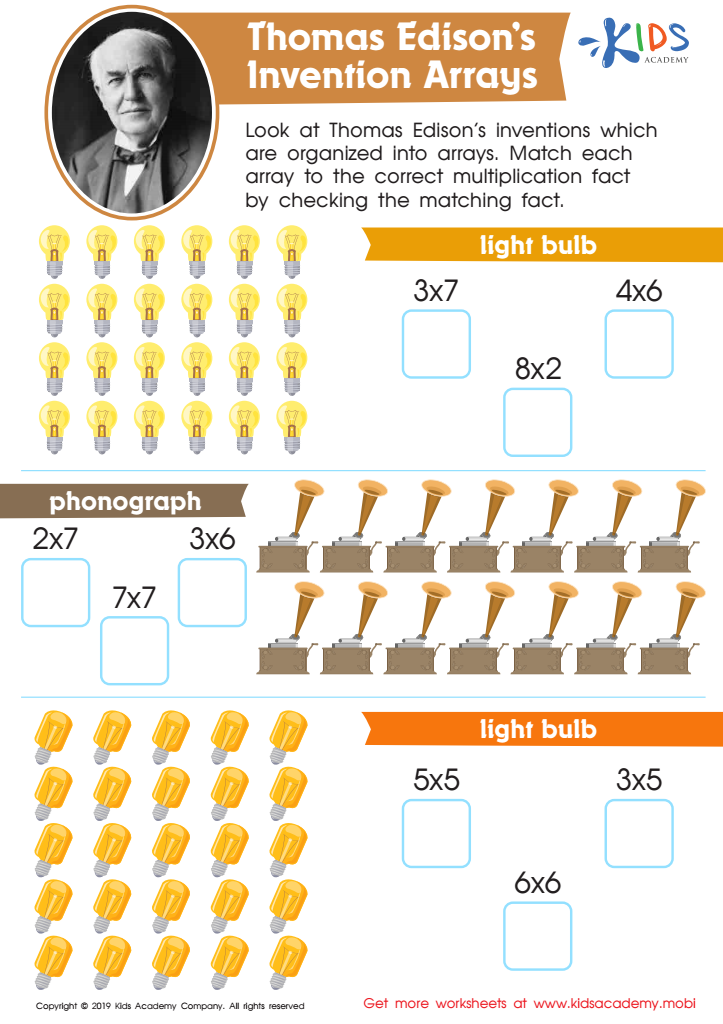
Thomas Edison’s Invention Arrays Worksheet


.jpg)





Parents and teachers should care deeply about critical thinking in normal physical science because it forms the foundation for a child's capacity to understand and engage with the world. Critical thinking encourages students to analyze information, evaluate evidence, and draw reasoned conclusions. In the realm of physical science, this translates into better problem-solving skills and a more profound grasp of scientific concepts such as gravity, energy, and matter.
When students develop critical thinking skills, they learn to question assumptions, seek out credible sources of information, and collaborate effectively with peers. These abilities aren't just useful for science; they are indispensable life skills that empower children to tackle challenges creatively and make informed decisions. For instance, a critical thinker can effectively sift through misleading information about health, environmental issues, or technological claims, fostering a more conscientious and capable citizen.
Furthermore, learning physical science through critical thinking makes the subject more engaging and relevant. Hands-on experiments and inquiry-based learning pique natural curiosity and enhance students' enthusiasm for science, promoting long-term academic interest and success. Parents and teachers both play a pivotal role in this developmental process, ensuring that children are not only academically competent but also intellectually empowered.







