Discover our engaging Word Recognition Normal Grade 2 Phonics Worksheets, designed to enhance literacy skills in second-grade students. These worksheets focus on building confidence in recognizing words through fun activities. With a range of exercises including matching, fill-in-the-blank, and word hunts, children will enjoy practicing phonemic awareness and vocabulary. Our resources support learners in developing essential reading skills while fostering a love for learning. Suitable for classroom or home use, these worksheets encourage independent practice and reinforce skills taught in lessons. Empower your students to thrive in reading with these interactive, printable phonics worksheets that make learning both effective and enjoyable!

Check out this FREE Grade 2 Trial Lesson on Phonics!

Divide Words into Syllables

Favorites
With answer key
Interactive
  • Grade 2
  • Word Recognition
  • Phonics
  • Normal
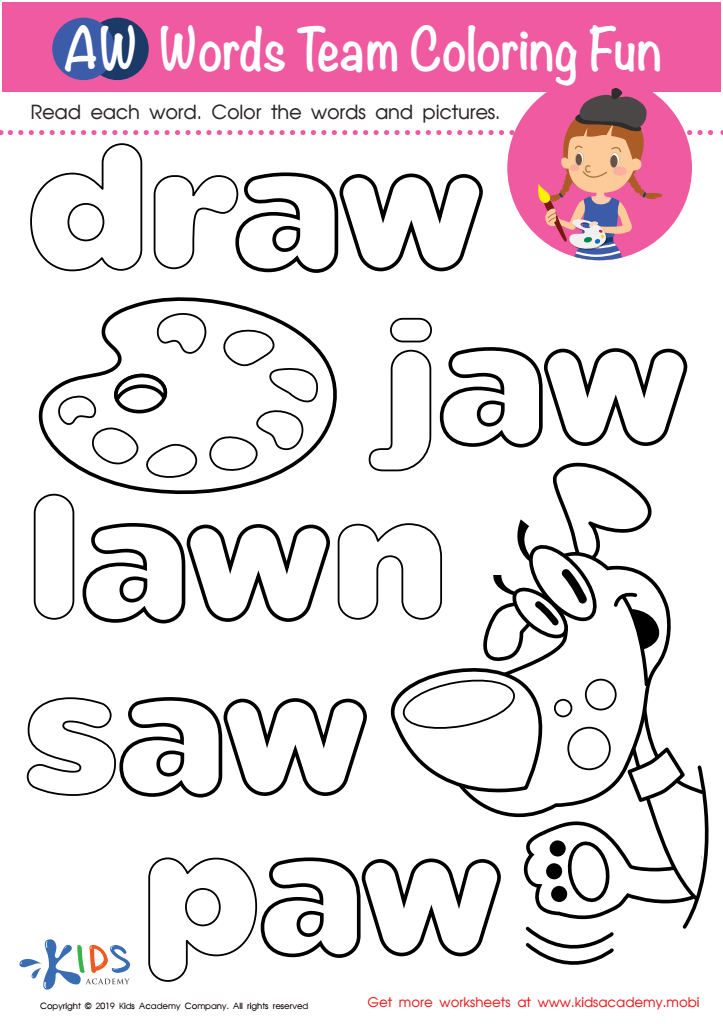
AW Words Team Coloring Fun Worksheet

AW Words Team Coloring Fun Worksheet

Coloring words they can read is a blast for little learners! This worksheet offers emerging readers the chance to practice and gain confidence in reading words from the -aw family, while also improving fine-motor and creativity skills. Without knowing it, they'll learn about phonetic teams along the way!
Download (PDF)
Assign to My Students
AW Words Team Coloring Fun Worksheet
Worksheet
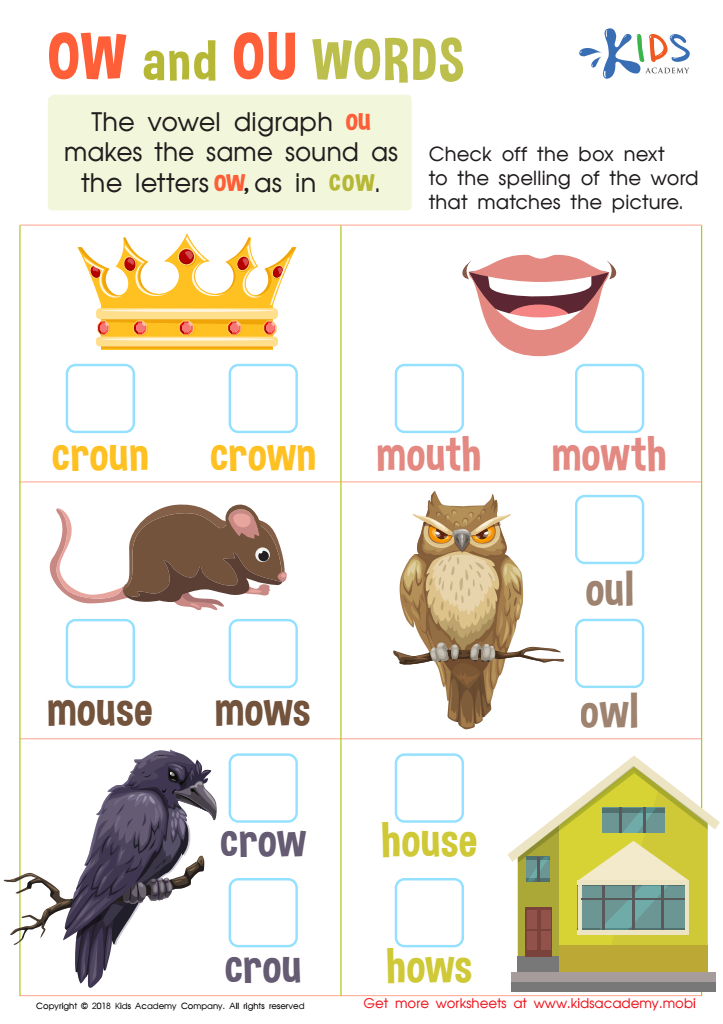
Reading: OW and OU Words Worksheet

Reading: OW and OU Words Worksheet

Help your kids learn phonetics! Explain the different sounds and long/short variations. Emphasize that some vowel sounds are the same, e.g. ou = ow in cow. For practice, have them read aloud the words in the worksheet and check the box next to the spelling that matches the picture.
Reading: OW and OU Words Worksheet
Worksheet
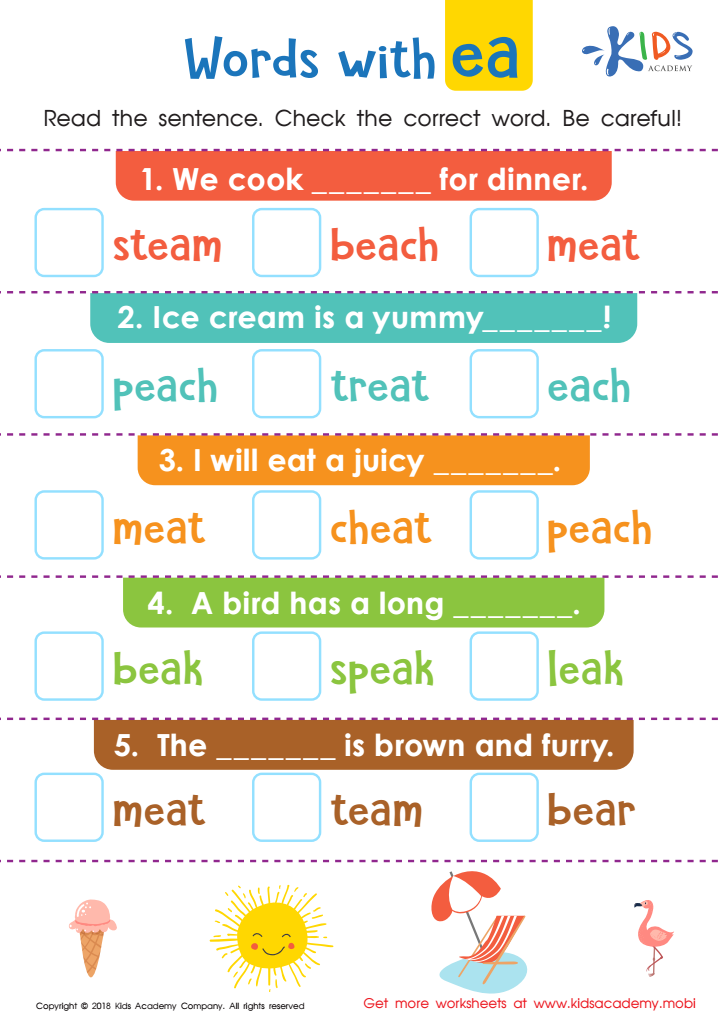
Words with ea Worksheet

Words with ea Worksheet

Beginning readers may struggle with -ea vowel digraphs, which can have multiple sounds and be tricky to decode. This cheerful worksheet helps kids practice reading sentences with missing -ea words, using context clues to fill in the blanks. They'll also be exposed to various -ea sound examples, and build their sight word knowledge.
Words with ea Worksheet
Worksheet
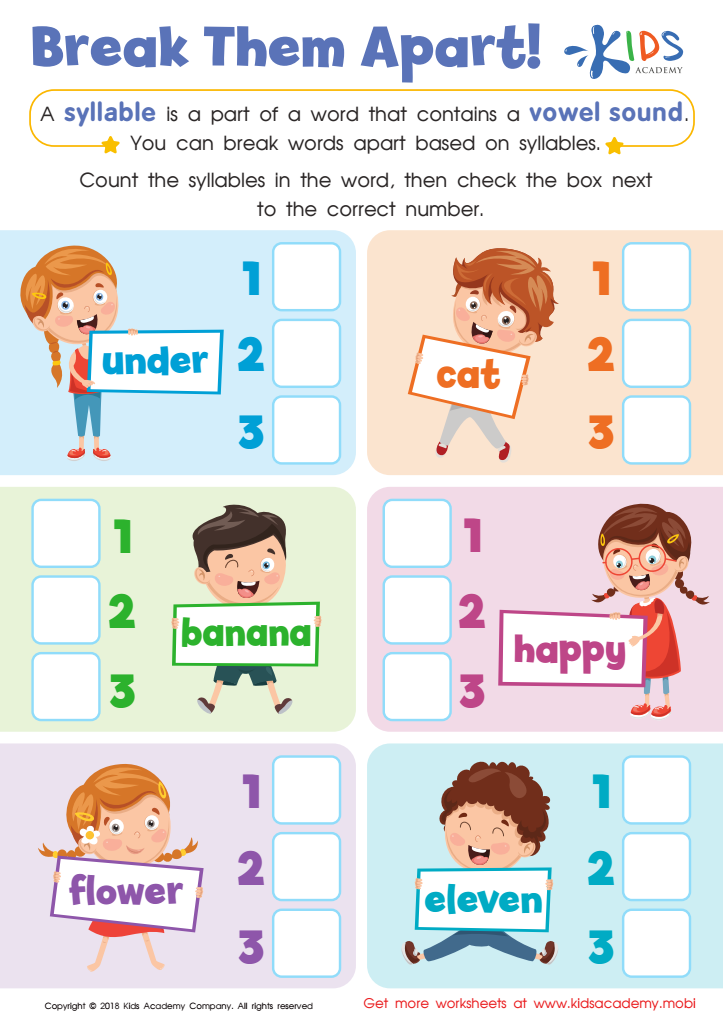
Reading: Break Them Apart Worksheet

Reading: Break Them Apart Worksheet

See if students understand syllables with this fun worksheet. It teaches them that a syllable is a word part with a vowel sound. Kids read each word and choose how many parts it has. Doing this often helps them decode new words and gain confidence.
Reading: Break Them Apart Worksheet
Worksheet
Reading: AW and AU Words Worksheet

Reading: AW and AU Words Worksheet

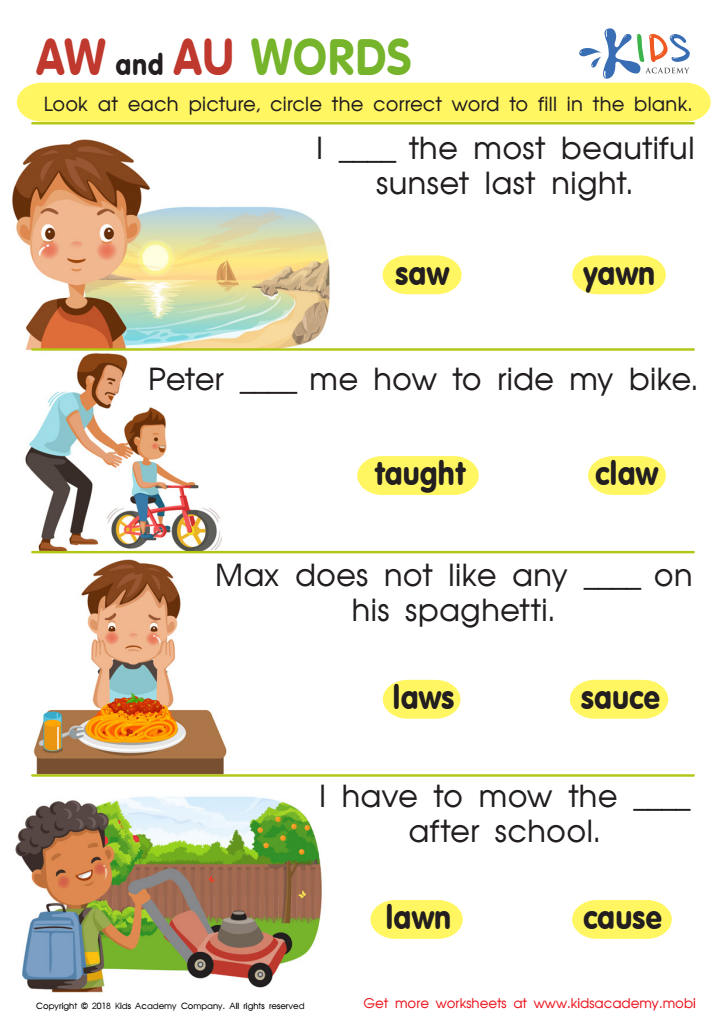
This worksheet helps kids recognize that /au/ and /aw/ can make the same sound. Students read sentences and pick the correct word with one of the digraphs. Understanding digraphs improves decoding and reading fluency. Perfect for reading and phonics classes.
Reading: AW and AU Words Worksheet
Worksheet
Reading: Find the Prefixes Worksheet


Reading: Find the Prefixes Worksheet

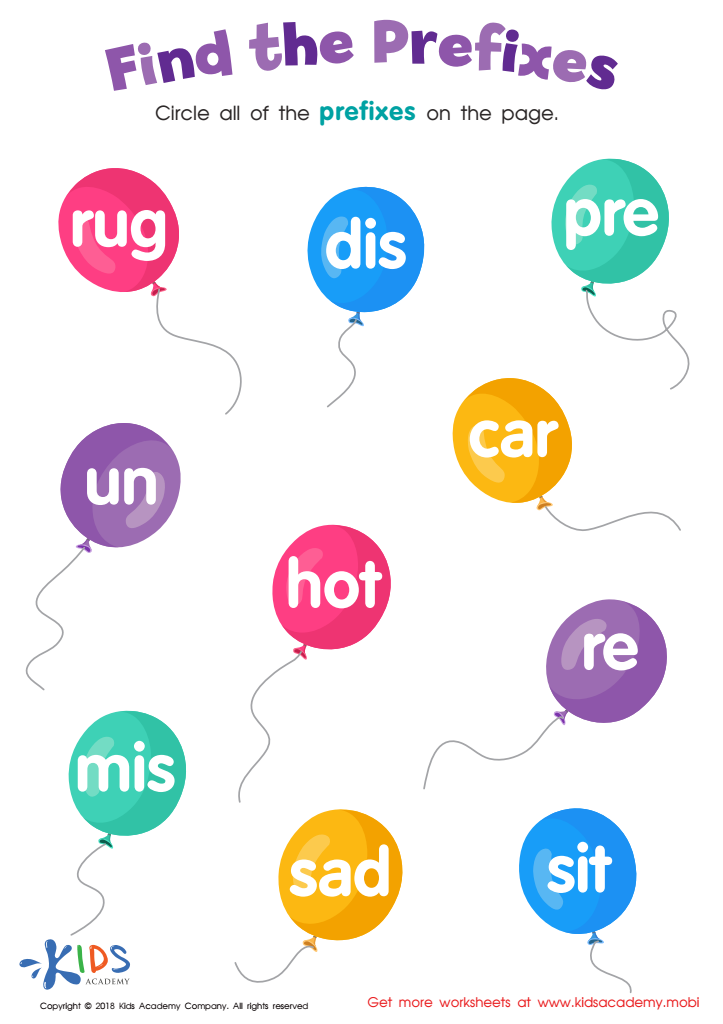
Students are asked to circle all prefixes on this worksheet and brainstorm a list of words that have them. It's a great tool for teaching vocabulary and helps students understand new and unfamiliar words by recognizing how prefixes change meaning.
Reading: Find the Prefixes Worksheet
Worksheet


Word recognition is a crucial component of early literacy, especially in Grade 2, where foundational reading skills are solidified. At this stage, children begin transitioning from learning to read to reading to learn. Phonics plays a significant role in this process, helping students decode words by understanding the relationship between letters and sounds. Teachers and parents should care about this because proficient word recognition supports overall reading fluency, comprehension, and confidence.

When students can quickly and accurately recognize words, they can focus on understanding the text rather than getting bogged down by decoding challenges. This, in turn, enhances their academic performance across all subjects, as reading is an essential skill in every area of learning. Furthermore, strong reading skills correlate with increased motivation and a lifelong love for reading.

Moreover, early intervention in phonics and word recognition can help identify and support students struggling with literacy. By working collaboratively, parents and teachers can create an environment that fosters reading success through engaging activities, targeted instruction, and positive reinforcement. Ultimately, prioritizing word recognition in phonics lays a solid foundation for educational achievement and future literacy endeavors.