Color recognition Normal Grade 2 English for Beginners Worksheets
9 filtered results
-
From - To
Discover our engaging "Color Recognition" Normal Grade 2 English for Beginners Worksheets! Tailored specifically for second graders learning English as a second language, these fun and educational worksheets are perfect for mastering color names and enhancing vocabulary. Featuring vibrant images, interactive activities, and simple instructions, kids will enjoy every moment while building essential language skills. Ideal for classroom use or at-home practice, our worksheets provide a strong foundation in English fluency. Boost your child's confidence and make learning a delightful adventure with our comprehensive color recognition resources. Get started today and watch your young learner flourish!
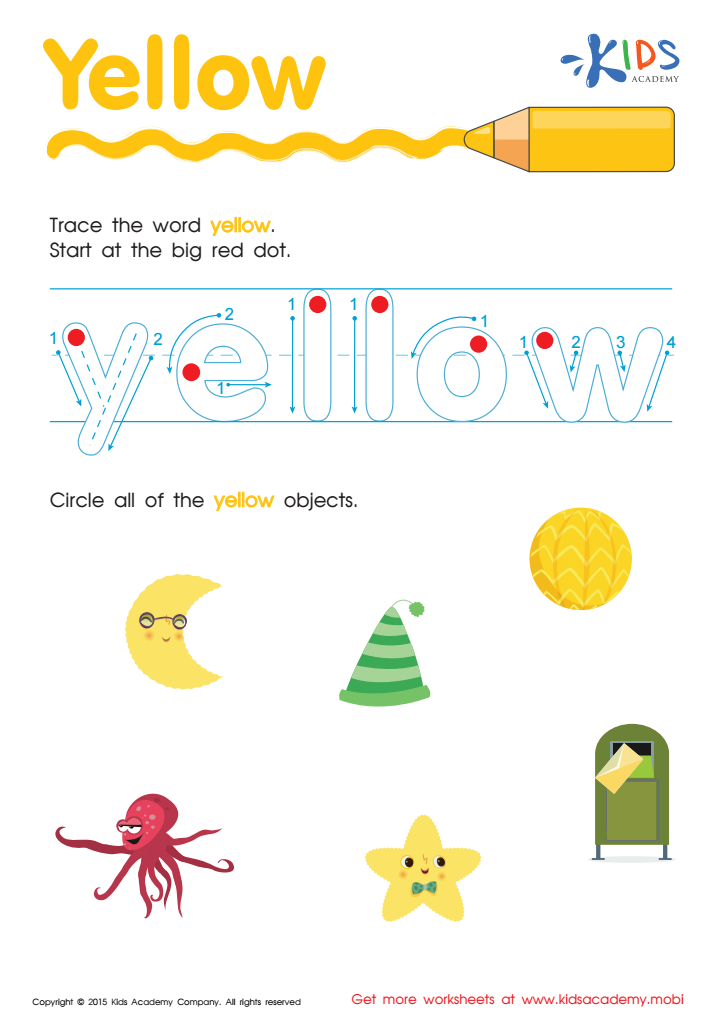
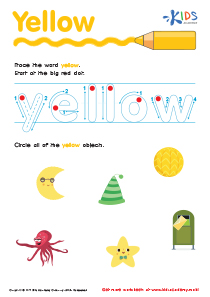
Yellow Tracing Color Words Worksheet
 Assign to My Students
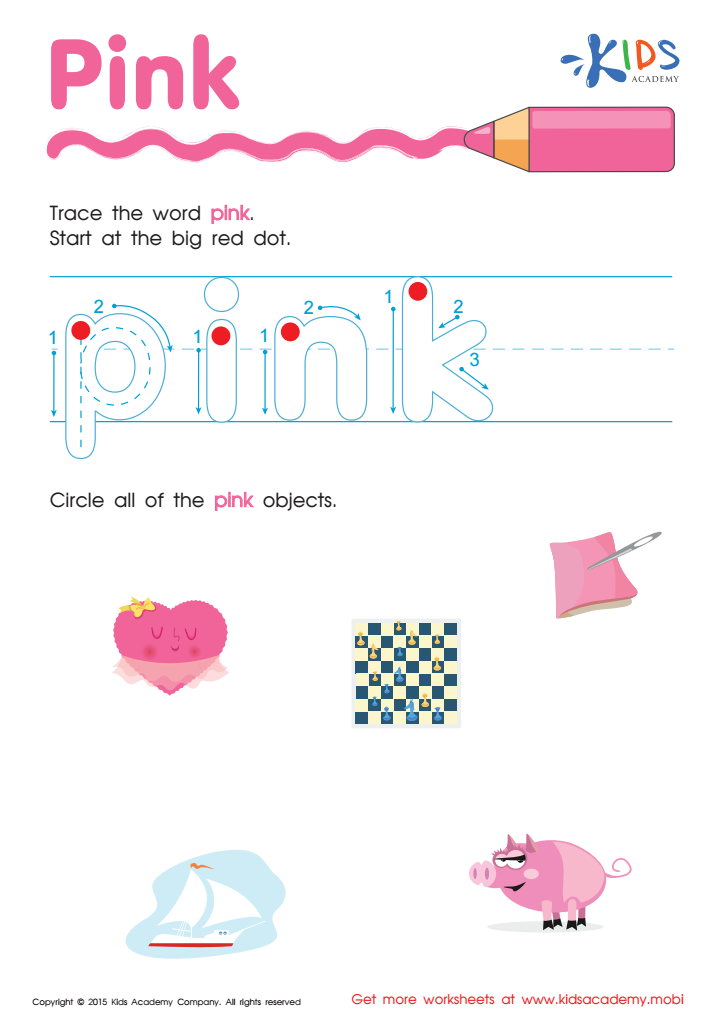
Pink Tracing Color Words Worksheet
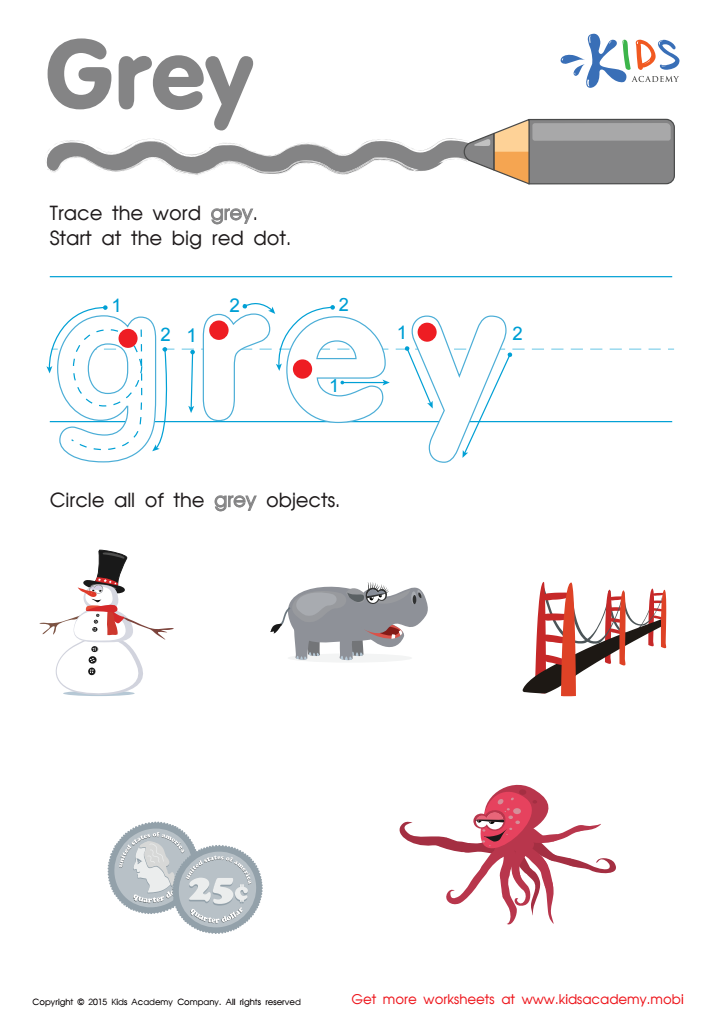
Grey Tracing Color Words Worksheet
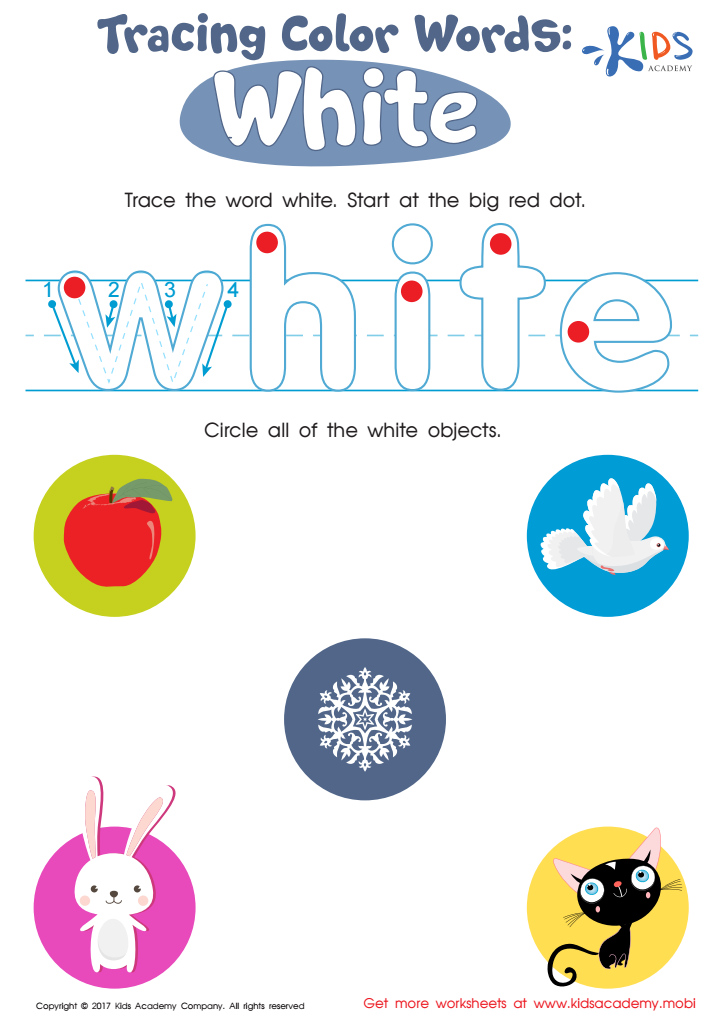
White Tracing Color Words Worksheet
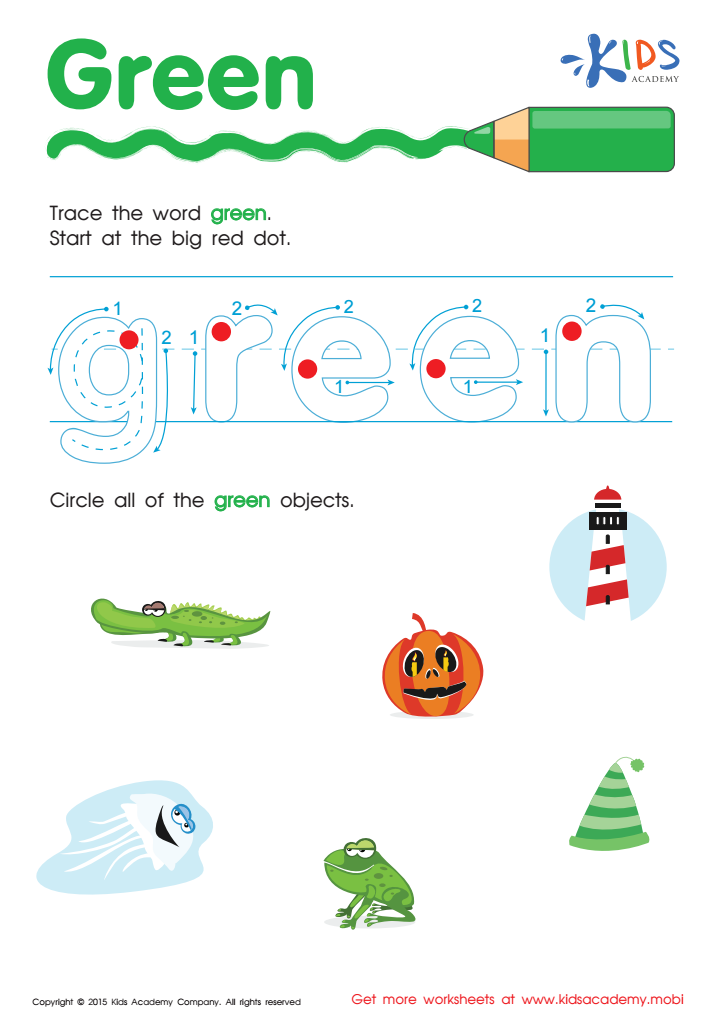
Green Tracing Color Words Worksheet
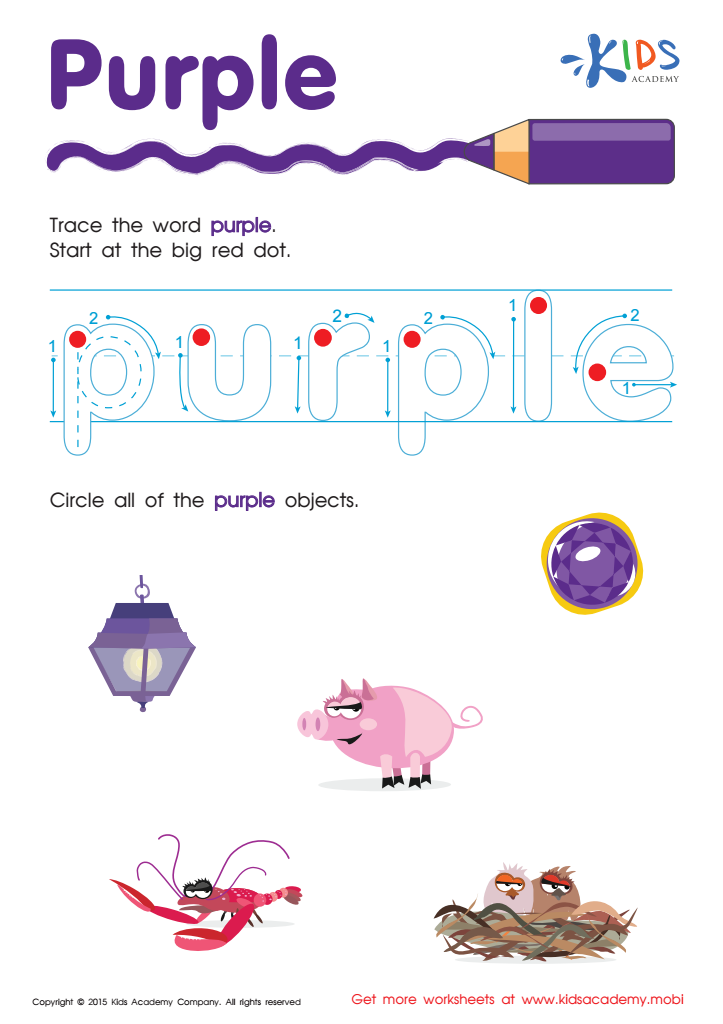
Purple Tracing Color Words Worksheet
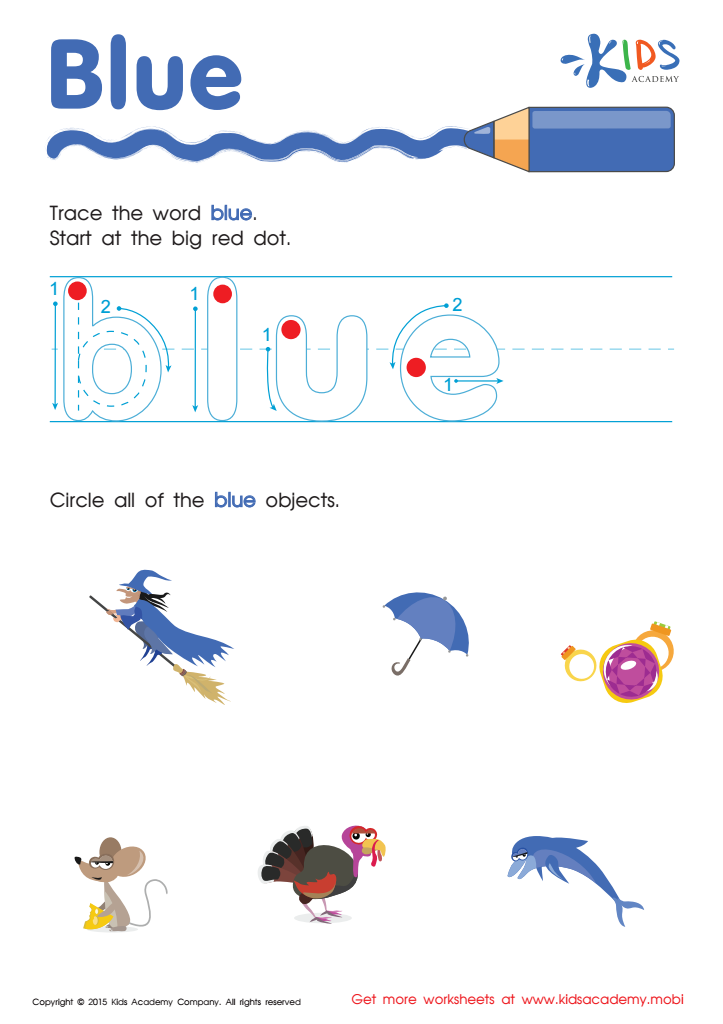
Blue Tracing Color Words Printable
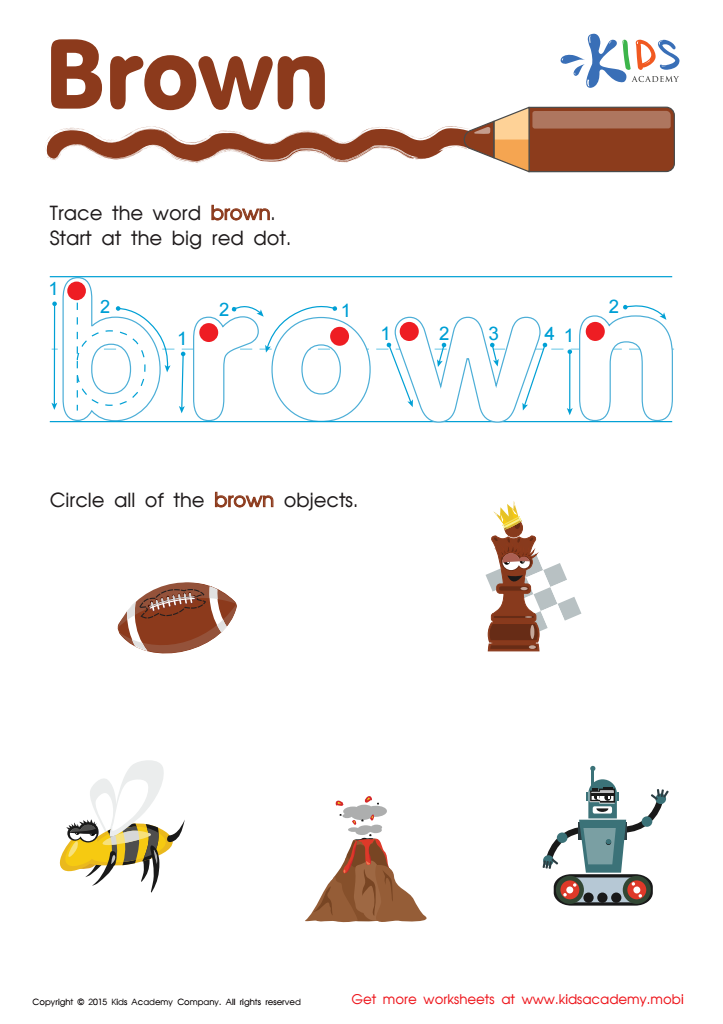
Brown Tracing Color Words Worksheet
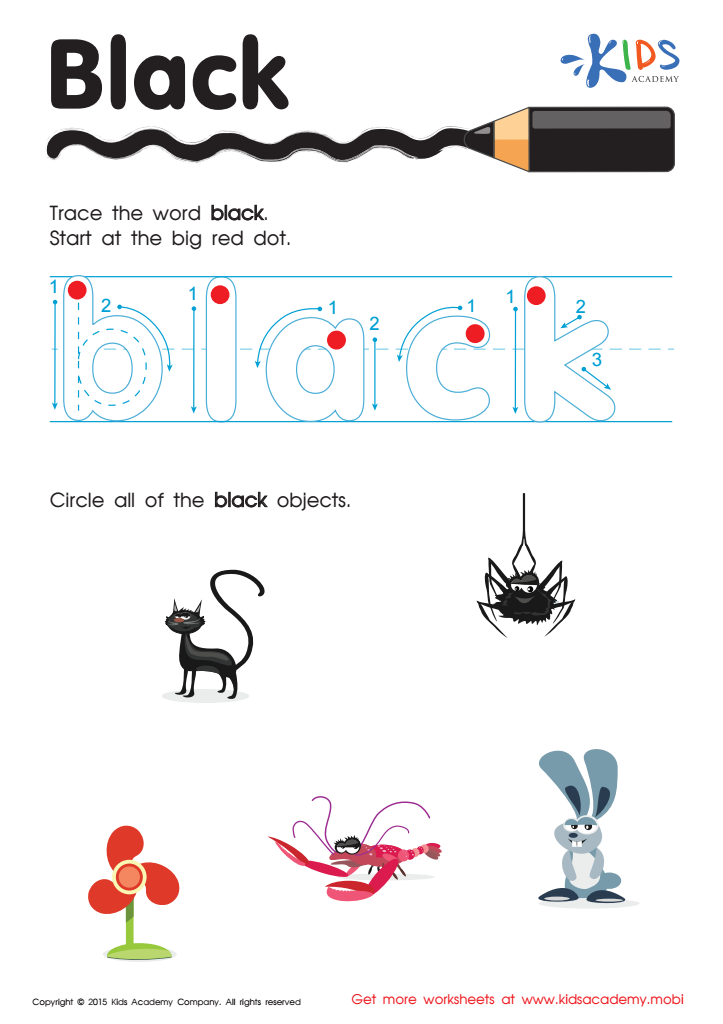
Black Tracing Color Words Printable


Color recognition is an essential developmental milestone for children, particularly at the Grade 2 level for English beginners. At this stage, students are refining their cognitive skills and grasping more complex concepts that will support their overall academic growth. Here's why parents and teachers should care:
-
Cognitive Development: Understanding colors bolsters cognitive processes such as memory and concentration. Identifying and naming colors enhance a child's ability to categorize and articulate their understanding of the world, promoting word-associations and enriching their vocabulary.
-
Language Skills: Building color vocabulary at an early age helps in language acquisition and grammatical understanding. When children learn words for colors, they practice pronunciation, sentence structure ("The apple is red"), and descriptive language which is fundamental to larger linguistic development.
-
Reading and Writing Readiness: Recognizing colors can also associate with visual discrimination skills that are crucial for reading and writing. Differentiating between similar hues can assist in recognizing letter shapes and their subtle distinctions, improving literacy skills.
-
Creativity and Expression: Colors stimulate creativity. Knowing and using colors appropriately allows children to express their emotions and ideas more vividly, whether in spoken language or artistic endeavors.
-
Practical Skills: In everyday life, color recognition is an essential skill. Whether it's identifying traffic signals, understanding educational materials, or selecting their belongings, knowing colors reinforces practical life skills.
In summary, recognizing and naming colors transcend mere identification; they foster comprehensive cognitive, language, and practical skills essential for young learners.