Critical thinking development Normal Grade 2 Worksheets
4 filtered results
-
From - To
Enhance your second grader's critical thinking skills with our engaging worksheets designed specifically for Grade 2! These printable resources encourage young learners to analyze, evaluate, and solve problems through captivating activities that stimulate their intellect and creativity. Each worksheet fosters critical thinking while covering essential concepts like deduction, reasoning, and decision-making. Perfect for both classroom and at-home learning, our critical thinking development worksheets support students in developing their analytical abilities in a fun, interactive way. Help your child become a proficient thinker and problem solver with our expertly crafted resources that promote cognitive growth and academic success. Start exploring today!
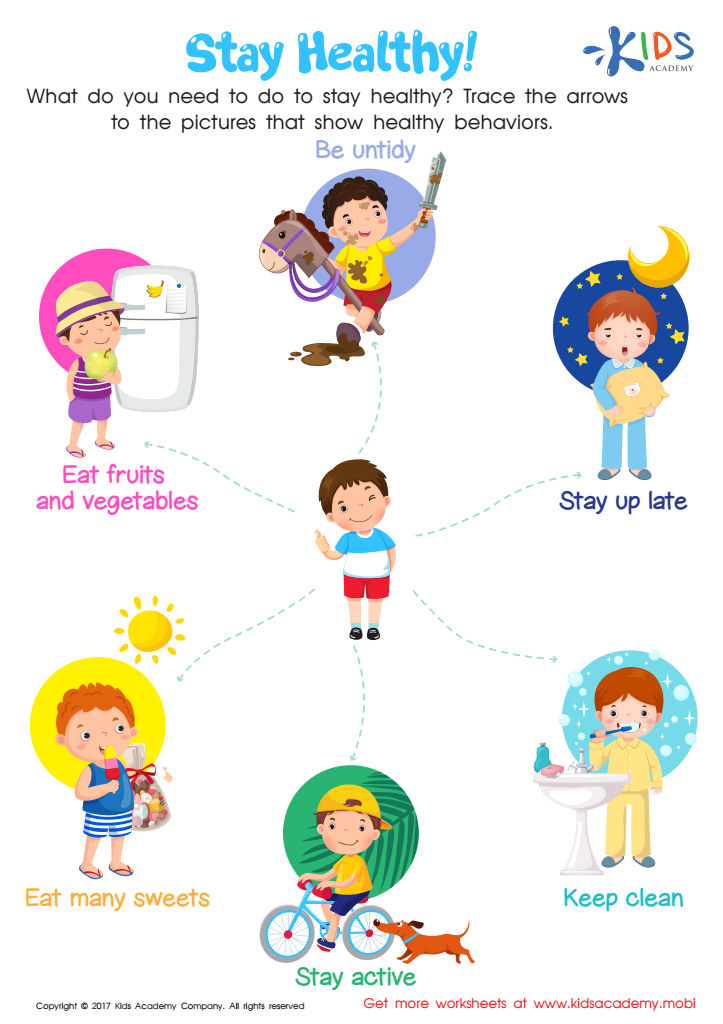
Healthy and Unhealthy Behaviors Worksheet
 Assign to My Students

The Ant and The Grasshopper Version 2 Worksheet
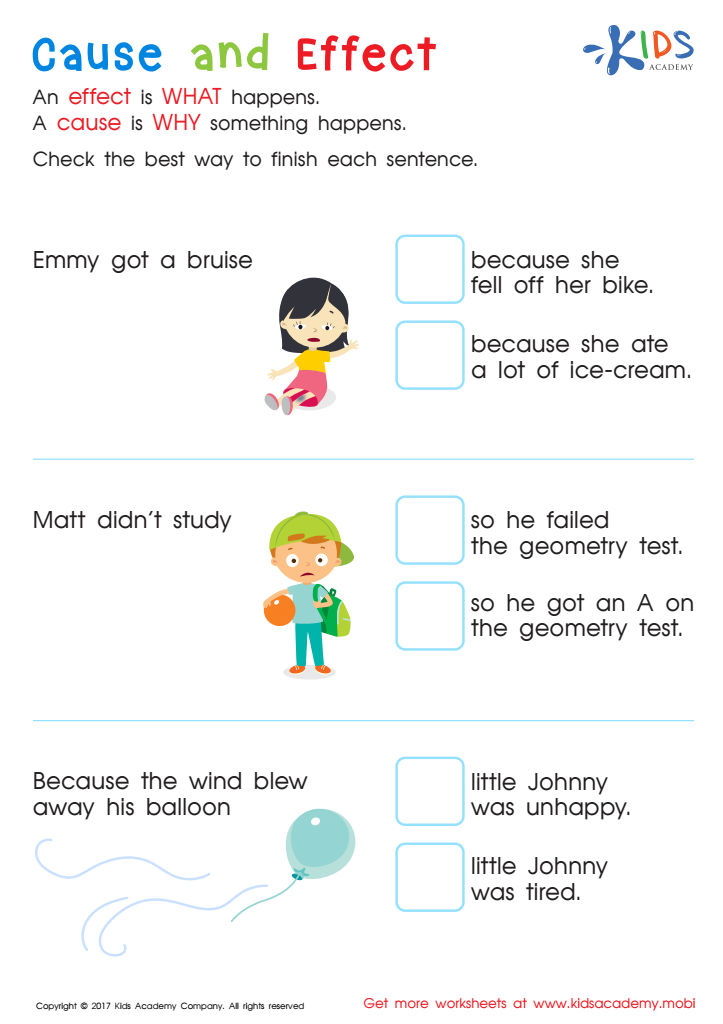
Cause and Effect Worksheet
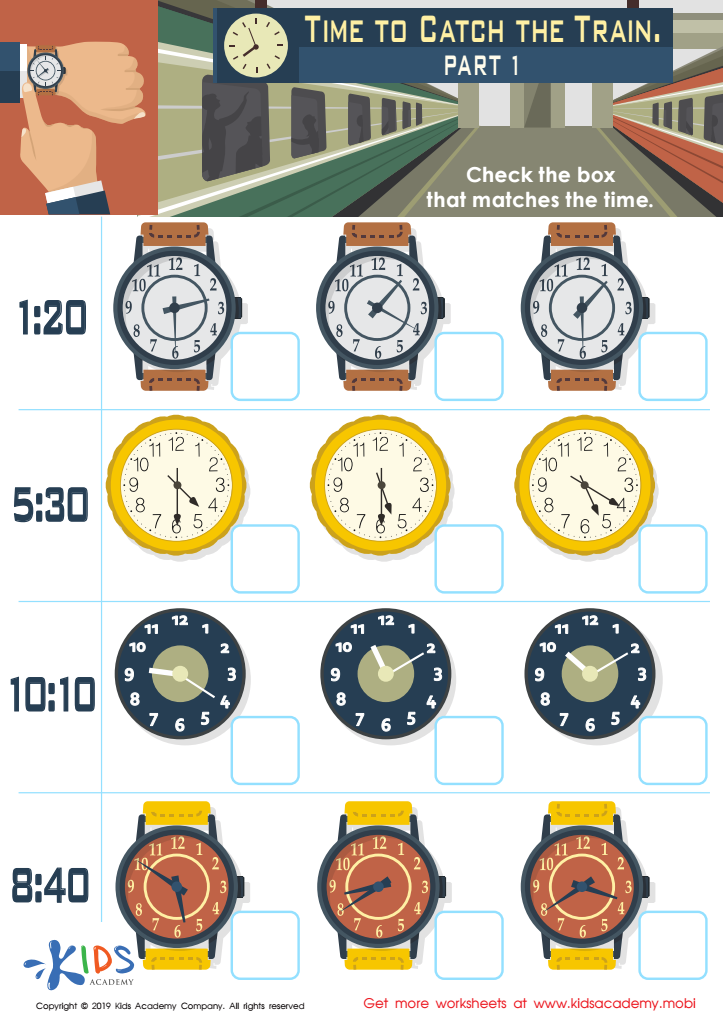
Time to Catch the Train Part 1 Worksheet








Critical thinking development is essential for Grade 2 students as it lays the foundation for lifelong learning and problem-solving skills. At this age, children are naturally curious and eager to explore their surroundings. By encouraging critical thinking, parents and teachers can harness this curiosity, helping students to analyze information, ask questions, and make connections between various concepts.
Fostering critical thinking in young learners promotes independence and self-confidence. When children learn to think critically, they become more adept at making decisions, evaluating outcomes, and considering different viewpoints, which are crucial skills as they navigate complex social and academic environments. Moreover, critical thinking equips them with the ability to approach challenges creatively, contributing to resilience and adaptability—traits invaluable for the ever-evolving world.
Additionally, integrating critical thinking into everyday learning engages students’ interests and enhances their analytical abilities. Activities such as problem-solving games, open-ended discussions, and exploration of real-world issues can be incredibly beneficial at this stage. Ultimately, investing in critical thinking development not only prepares students for academic success but also cultivates responsible, empathetic individuals who can contribute thoughtfully to society. Thus, fostering these skills early on is vital for holistic development.