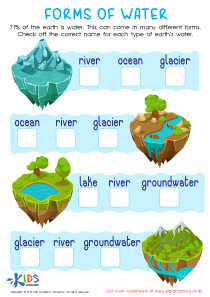
Map reading skills Normal Grade 2 Worksheets
5 filtered results
-
From - To
Enhance your second graders' map reading skills with our engaging worksheets designed specifically for Normal Grade 2 learners. These interactive activities introduce essential concepts such as symbols, scales, and directions, helping students to effectively interpret maps. Perfect for classroom use or home practice, our worksheets promote critical thinking and problem-solving through enjoyable exercises. Kids will love exploring various maps while developing spatial awareness and navigational skills. With colorful visuals and age-appropriate questions, these worksheets make map reading an exciting adventure. Download now to empower your students with the skills they need to confidently navigate the world around them!
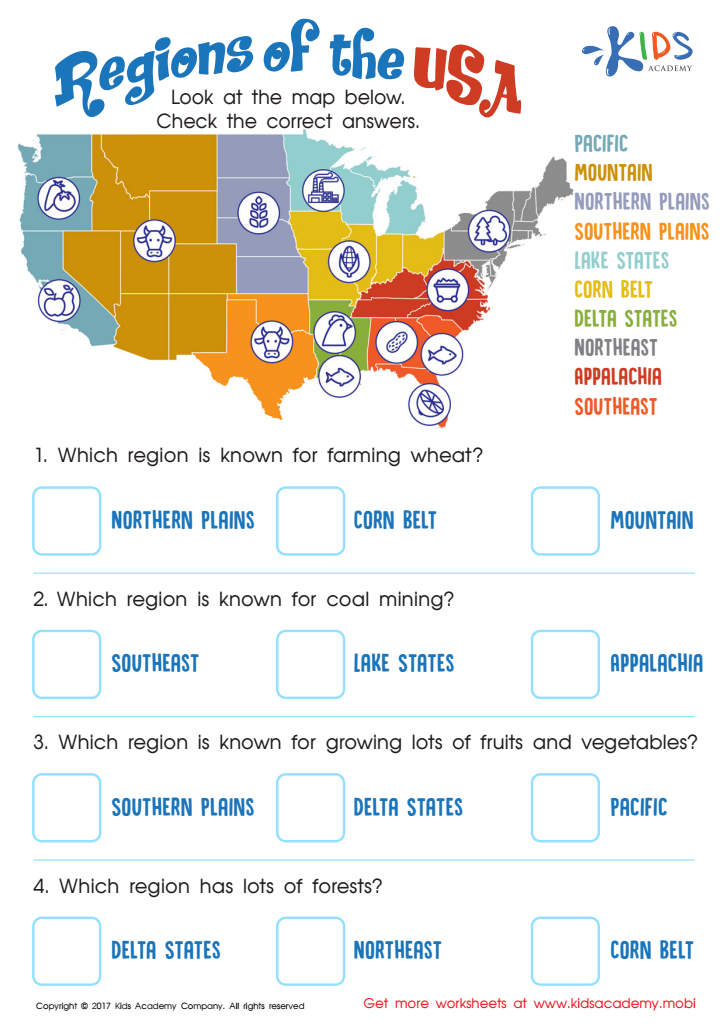
Regions of the USA Worksheet
 Assign to My Students
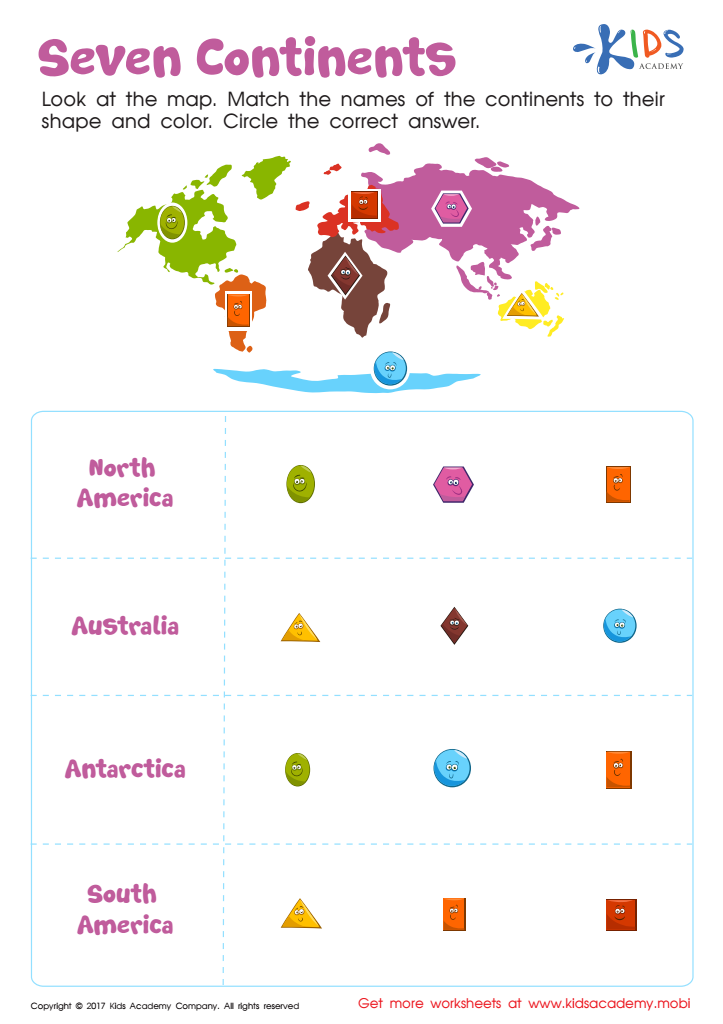
Seven Continents Worksheet
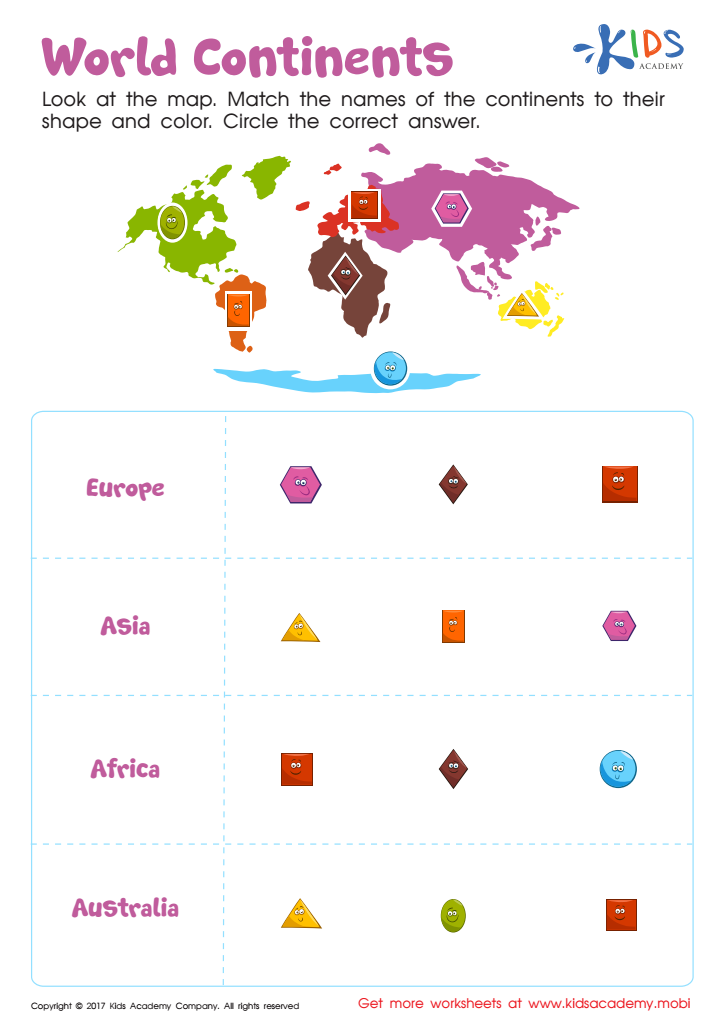
World Continents Worksheet
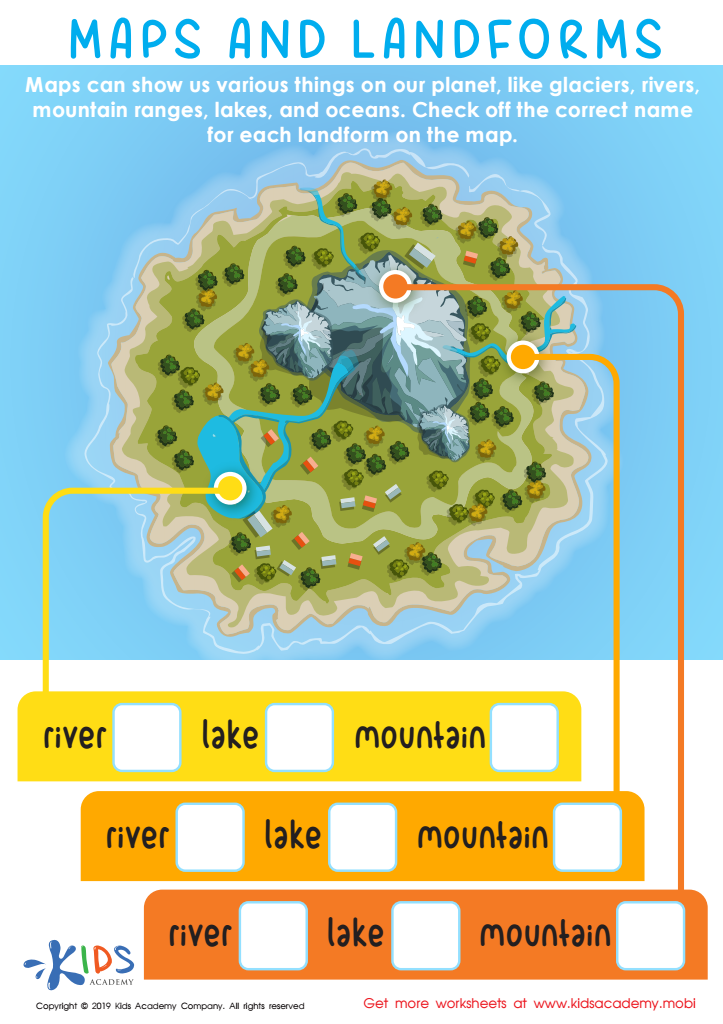
Maps and Landforms Worksheet
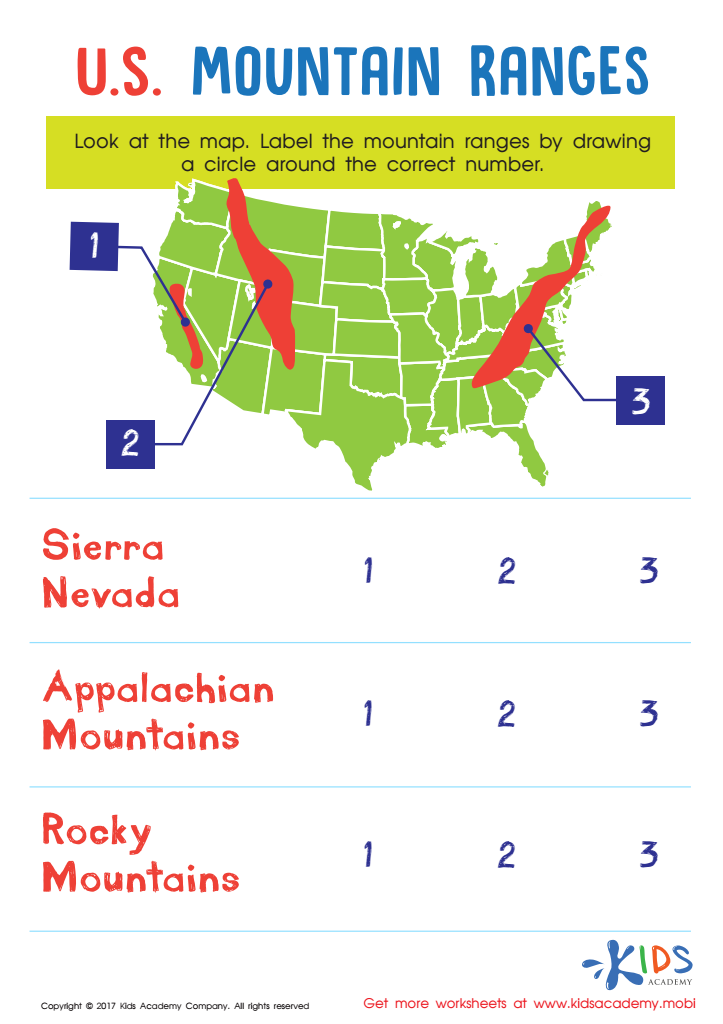
US Mountain Ranges Worksheet





Map reading skills are essential for Grade 2 students as they lay the groundwork for spatial awareness, critical thinking, and independence in navigation. At this age, children are curious about their surroundings, making it an opportune time to introduce the basics of maps. Understanding map reading not only enhances geographical literacy but also encourages children to relate to the world around them.
These skills help students comprehend directions, scale, symbols, and the relationship between objects and locations. By learning to read simple maps, children develop problem-solving abilities, as they often need to interpret information and make decisions about routes or locations. This cognitive process fosters concentration and analytical skills, which are critical across all subjects.
Moreover, map reading can spark curiosity about different cultures and places, promoting social studies and real-world connections. For parents and teachers, fostering these skills encourages outdoor exploration, community involvement, and enhances their children’s confidence. As students progress academically, these map skills will build a strong foundation for more complex geography and spatial understanding, benefiting their educational journey and daily life as they grow. In essence, map reading skills are an enjoyable and practical means of nurturing young minds.