Problem-Solving Skills Normal Grade 2 Math Worksheets - Page 2
28 filtered results
-
From - To
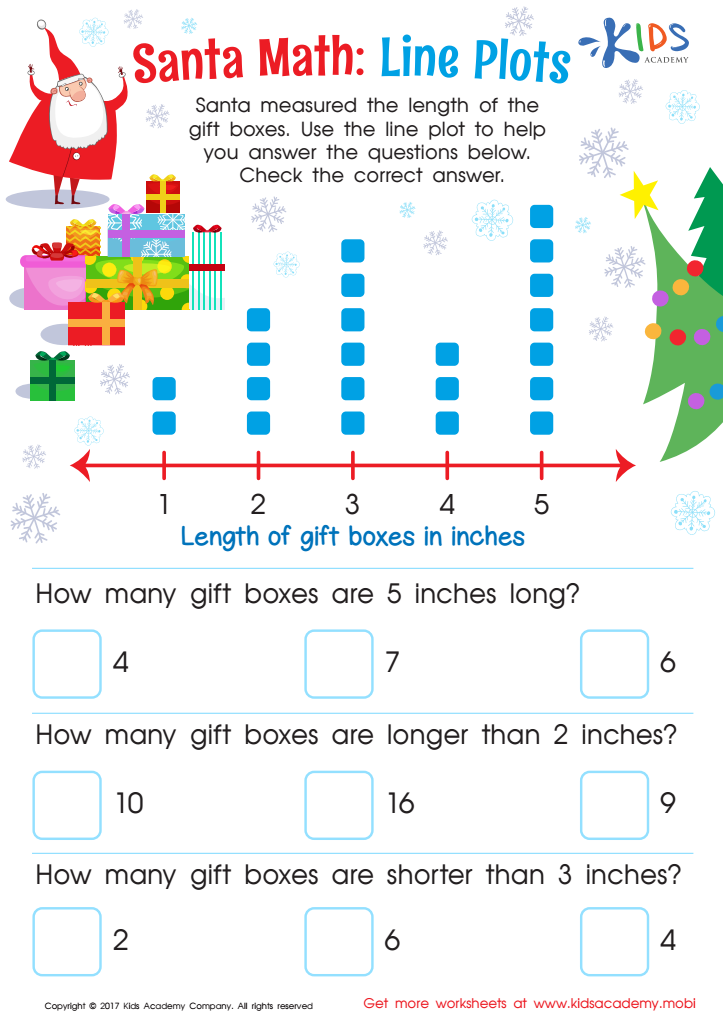
Line Plot Worksheet
 Assign to My Students
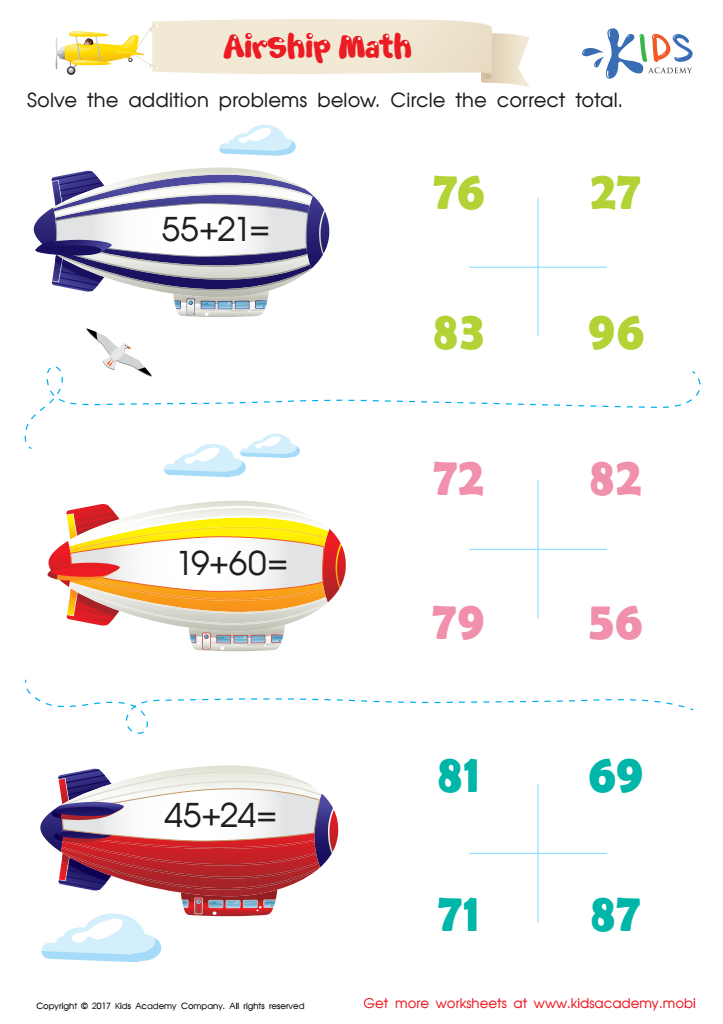
Airship Math Addition Printable
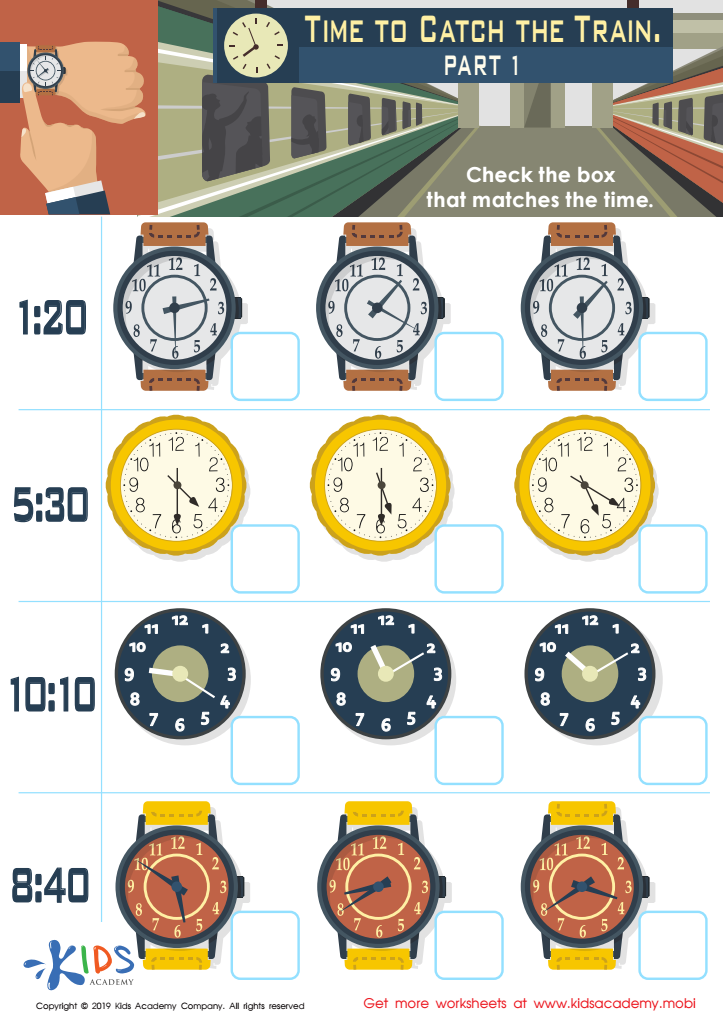
Time to Catch the Train Part 1 Worksheet
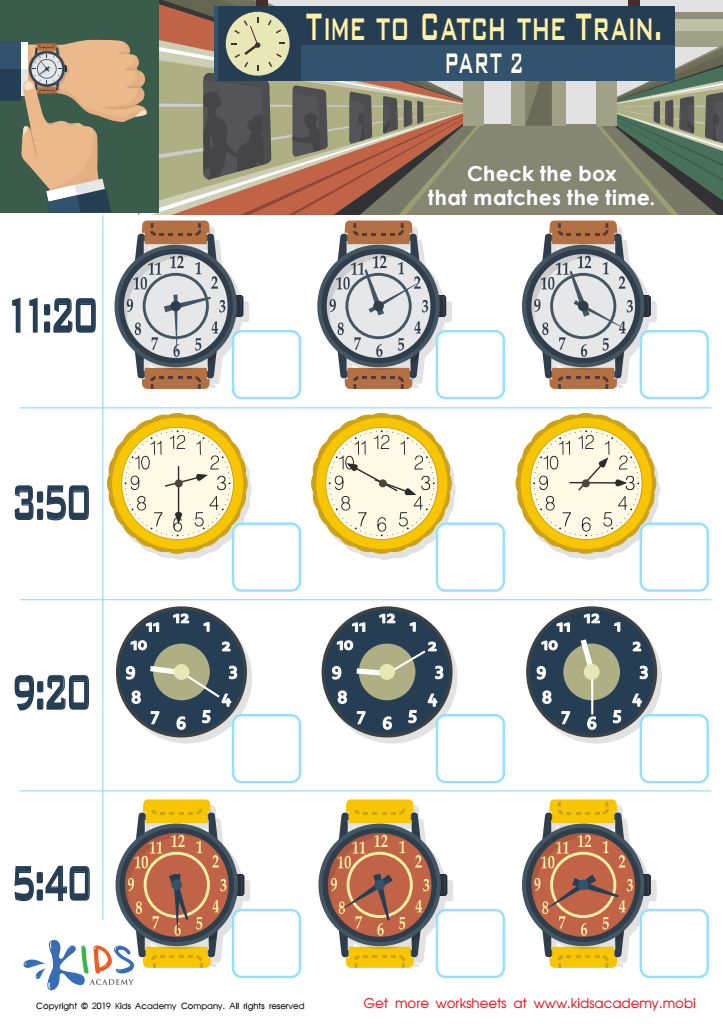
Time to Catch the Train Part 2 Worksheet







Problem-solving skills in Normal Grade 2 Math are crucial for young learners, and both parents and teachers should prioritize helping children develop these abilities. These skills are foundational for mathematical understanding and application. By learning to solve problems, students enhance their critical thinking, improve their ability to reason logically, and learn to approach challenges creatively and efficiently.
At this developmental stage, children's cognitive abilities are rapidly evolving, making it an ideal time to introduce structured ways of thinking. Problem-solving in math encourages children to explore multiple pathways to reach a solution, boosting their perseverance and adaptability. These competencies do not only pertain to math; they are transferable skills that benefit other academic subjects and everyday life situations, fostering resilience and resourcefulness.
Moreover, early success in problem-solving can build confidence and motivate children to tackle more complex tasks in the future. Parents and teachers who emphasize these skills create a positive learning environment that values process over merely getting the right answer. This shifts the focus towards understanding and addressing mistakes constructively, reinforcing an invaluable life lesson that learning is an ongoing journey. By nurturing problem-solving skills from an early grade, educators and parents pave the way for overall academic and personal growth.