Word Recognition Normal Grade 2 Reading Worksheets
6 filtered results
Difficulty Level
Grade
Age
-
From - To
Subject
Activity
Standards
Unlock your child's reading potential with our engaging Grade 2 Word Recognition worksheets! Designed specifically for second graders, these printable activities help enhance their reading skills through exciting word recognition exercises. Students will enjoy identifying high-frequency words, matching words with pictures, and completing fun, interactive tasks that make learning enjoyable. Each worksheet is crafted to build confidence and encourage independent reading, ensuring your child is well-prepared for their educational journey. Perfect for classroom use or at-home practice, our worksheets provide the tools necessary for mastering essential reading skills and boosting literacy proficiency. Start exploring our collection today!
Favorites
With answer key
Interactive
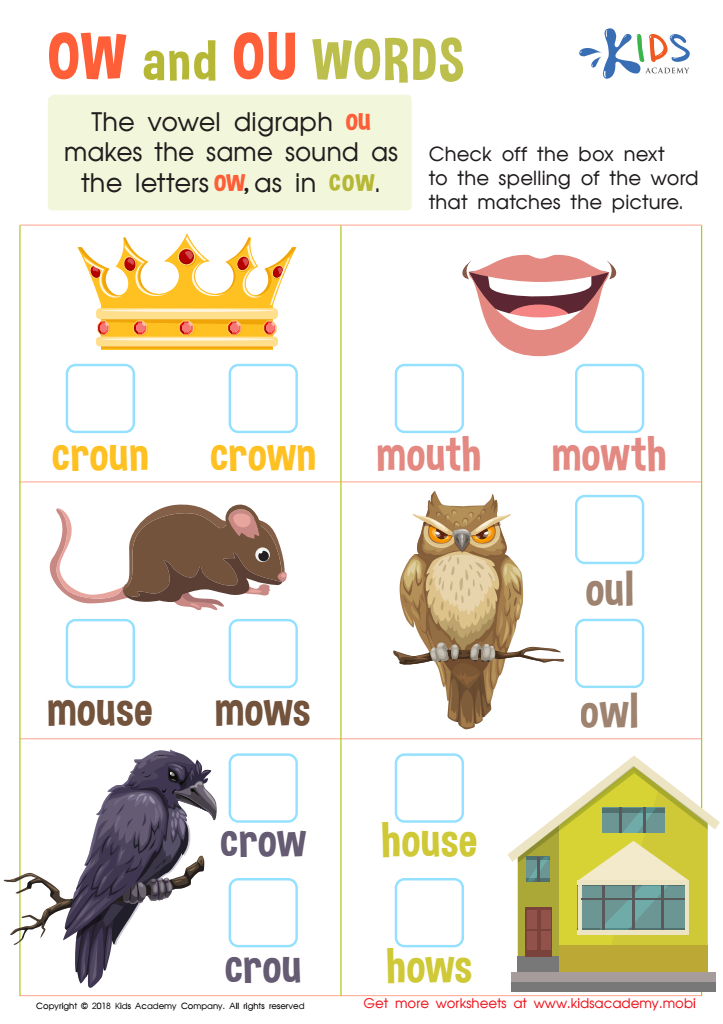
Reading: OW and OU Words Worksheet
Help your kids learn phonetics! Explain the different sounds and long/short variations. Emphasize that some vowel sounds are the same, e.g. ou = ow in cow. For practice, have them read aloud the words in the worksheet and check the box next to the spelling that matches the picture.
 Assign to My Students
Reading: OW and OU Words Worksheet
Worksheet
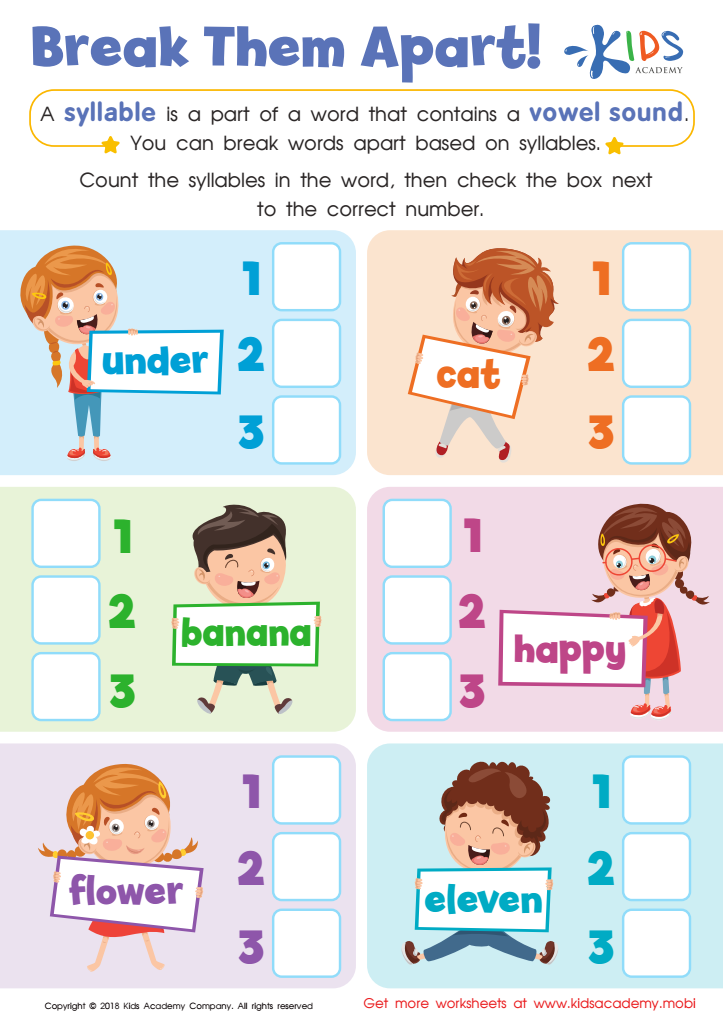
Reading: Break Them Apart Worksheet
See if students understand syllables with this fun worksheet. It teaches them that a syllable is a word part with a vowel sound. Kids read each word and choose how many parts it has. Doing this often helps them decode new words and gain confidence.
Reading: Break Them Apart Worksheet
Worksheet
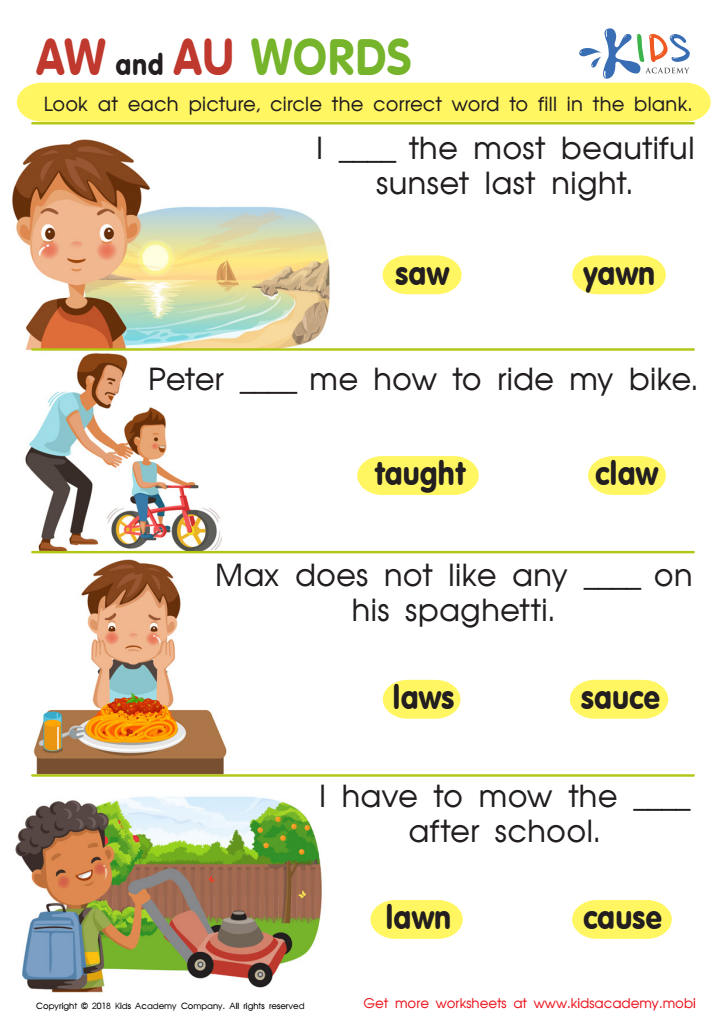
Reading: AW and AU Words Worksheet
This worksheet helps kids recognize that /au/ and /aw/ can make the same sound. Students read sentences and pick the correct word with one of the digraphs. Understanding digraphs improves decoding and reading fluency. Perfect for reading and phonics classes.
Reading: AW and AU Words Worksheet
Worksheet
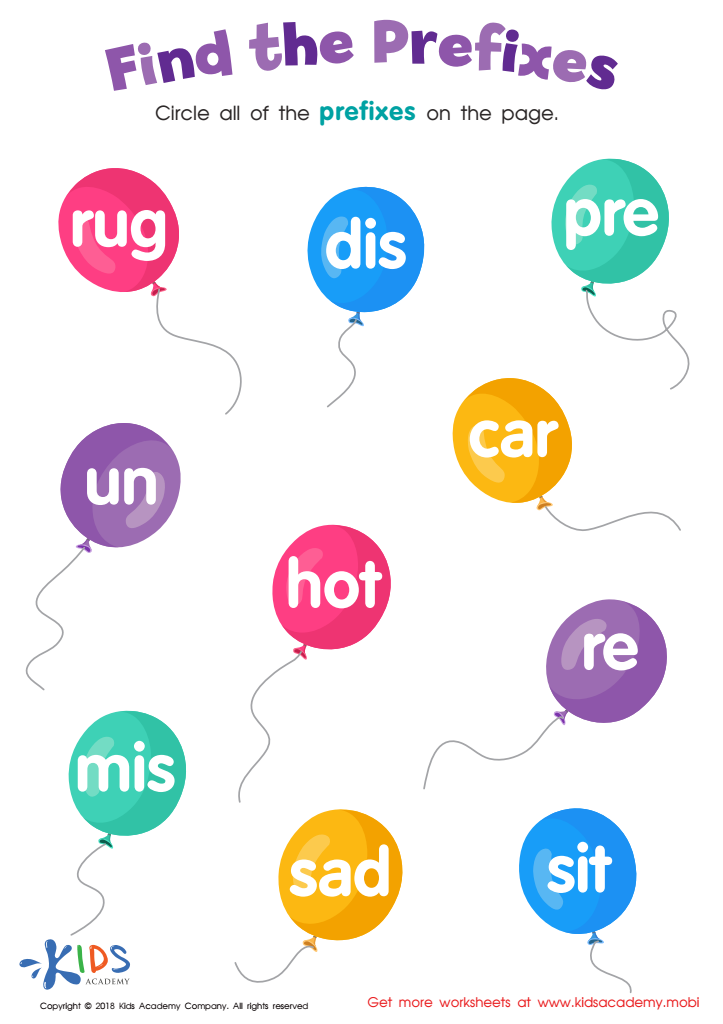
Reading: Find the Prefixes Worksheet
Students are asked to circle all prefixes on this worksheet and brainstorm a list of words that have them. It's a great tool for teaching vocabulary and helps students understand new and unfamiliar words by recognizing how prefixes change meaning.
Reading: Find the Prefixes Worksheet
Worksheet
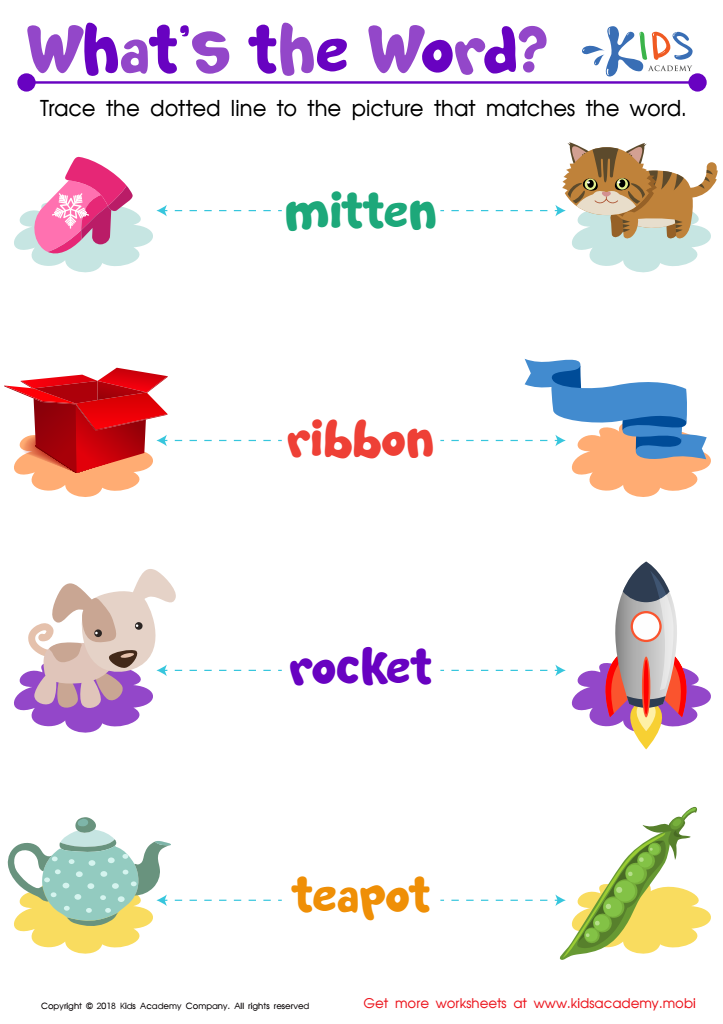
Reading: What's Word Worksheet
Teaching reading? This worksheet can help! Students read the word and draw a line to the picture for clues if needed. This will boost their vocabulary and fluency, increasing confidence and reading skills. Watch their progress as new words are added!
Reading: What's Word Worksheet
Worksheet
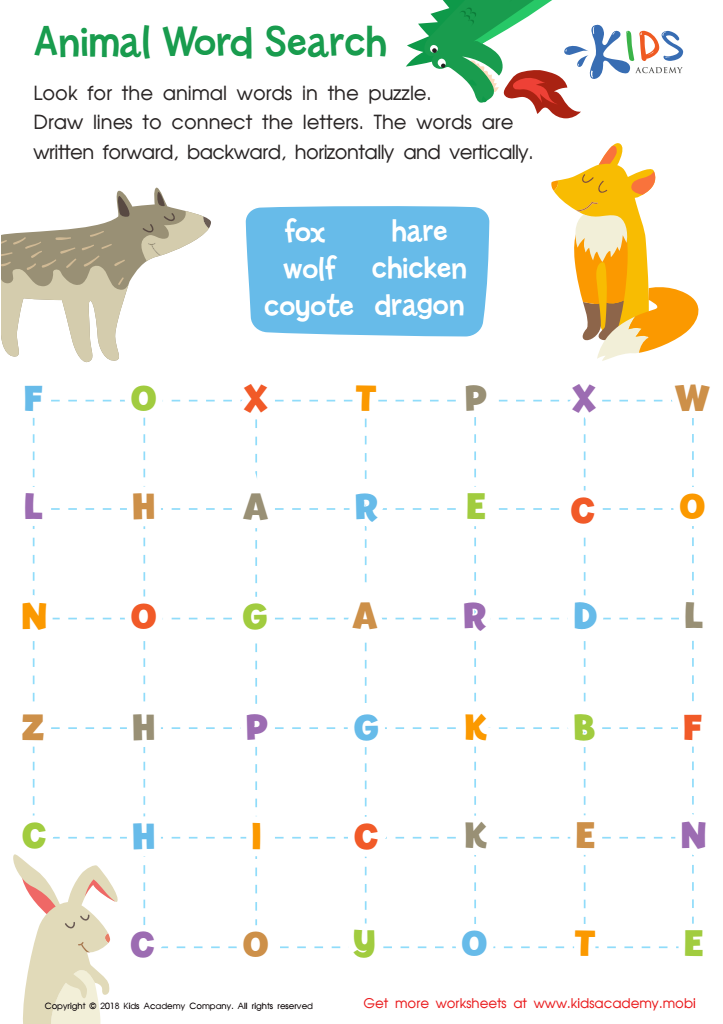
Animal Word Search Worksheet
Students can have fun and strengthen spelling and vocabulary skills with this word search worksheet. Search for animal words and circle the letters in the puzzle. Words can be found forwards, backwards, horizontally or vertically, providing a great challenge to foster critical thinking skills. An enriching activity for all ages!
Animal Word Search Worksheet
Worksheet
Join Kids Academy for Free
Who is primarily going to use this learning content?







Word recognition in Grade 2 reading is crucial because it lays the foundation for a child's overall literacy development. By this grade, children should be able to identify words quickly and accurately, which enhances their reading fluency. Fluent reading allows children to focus on comprehension rather than struggling with decoding words, enabling them to derive meaning from texts effortlessly.
For parents and teachers, fostering strong word recognition skills in second graders is vital for several reasons. First, it correlates with academic success across subjects. Children who read well tend to excel not only in language arts but also in areas such as science and social studies, as they can better process written information. Additionally, proficient word recognition boosts a child's confidence and love for reading, creating lifelong learners who seek knowledge independently.
Moreover, supporting word recognition can help identify and address any learning challenges early on. Teachers and parents can work together to implement targeted strategies, such as phonics-based instruction or engaging in regular reading practice. By prioritizing word recognition, adults can significantly influence a child’s literacy journey, fostering essential skills that will benefit them throughout their education and beyond.