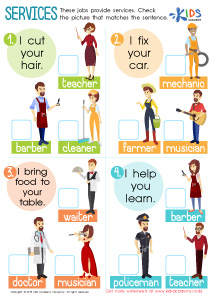
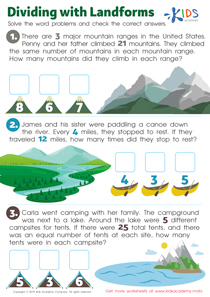
Critical Thinking Normal Grade 2 Social Studies Worksheets
5 filtered results
-
From - To
Enhance your second grader's critical thinking skills with our engaging social studies worksheets designed specifically for grade 2! Our thoughtfully crafted activities encourage students to analyze, evaluate, and apply information through hands-on learning experiences. These worksheets focus on real-world issues, fostering curiosity and promoting active engagement with social concepts. Whether it's exploring community roles, understanding maps, or discussing cultural diversity, our resources offer an interactive approach to learning. Perfect for both classroom use and at-home practice, these critical thinking worksheets will not only boost your child's cognitive skills but also instill a deeper understanding of the world around them.
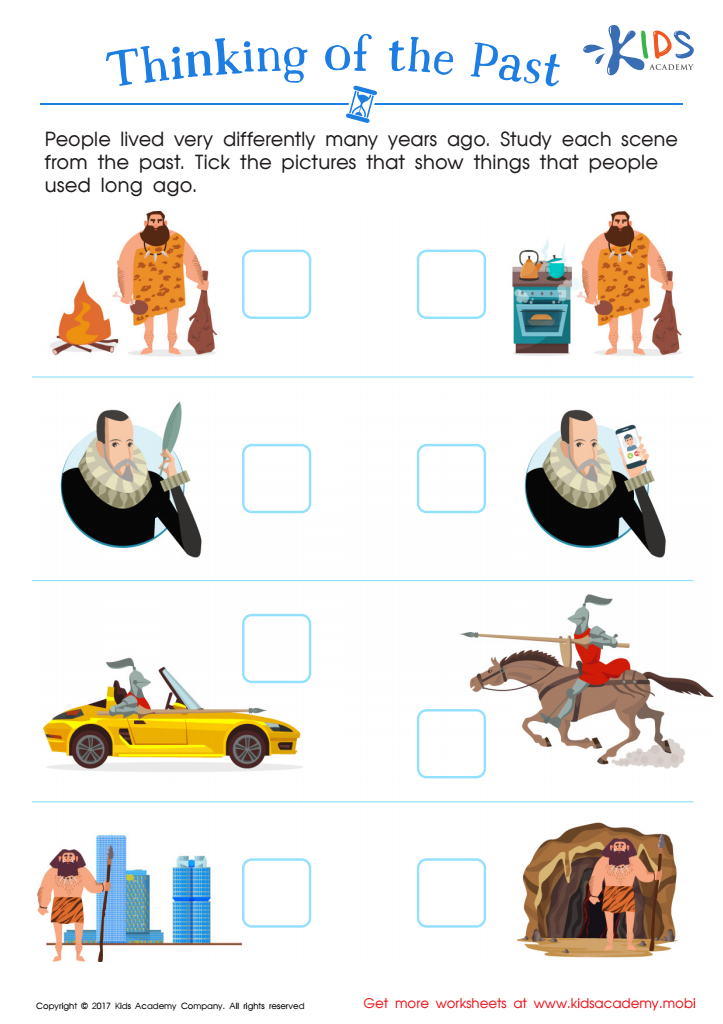
Thinking Past Printable
 Assign to My Students
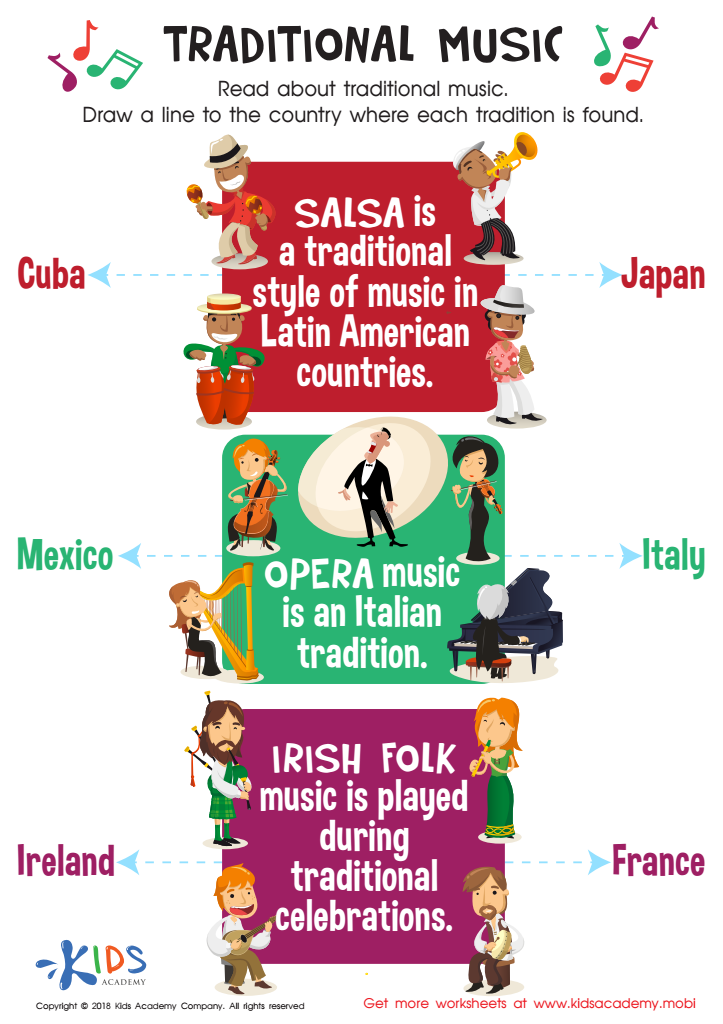
Traditional Music Worksheet
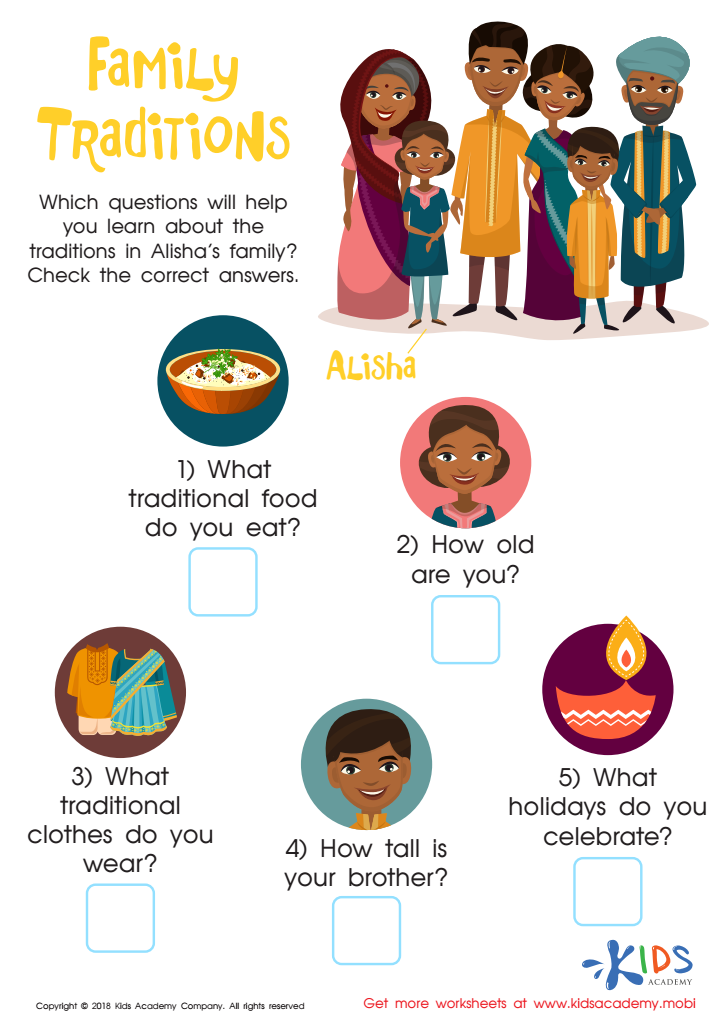
Family Traditions Worksheet

Assessment: First Thanksgiving Worksheet

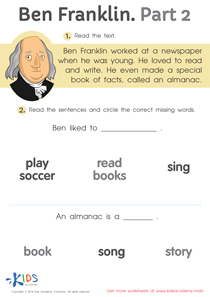
Ben Franklin Part 2 Worksheet







Critical thinking is essential in Grade 2 Social Studies as it fosters young learners' ability to analyze information, understand perspectives, and make informed judgments about the world around them. At this stage, children are developing cognitive skills that will shape their future learning and decision-making processes.
Parents and teachers should care about promoting critical thinking because it encourages curiosity and engagement. When children learn to question sources, compare different viewpoints, and draw conclusions based on evidence, they become active participants in their education. This kind of thinking empowers them to explore historical events, cultural differences, and community roles, enabling them to form a well-rounded worldview.
Furthermore, critical thinking skills lay the foundation for lifelong learning. As students assess information critically, they will be better equipped to navigate an increasingly complex society filled with diverse opinions and challenges. Moreover, these skills prepare them for collaborative interactions in school and beyond, fostering respect for others and enhancing social skills.
Incorporating critical thinking into the Grade 2 Social Studies curriculum not only supports academic success but also nurtures responsible, informed citizens who can thoughtfully contribute to their communities. Thus, both parents and teachers play a crucial role in cultivating these skills from an early age.