Problem-Solving Skills Normal Social Studies Worksheets
13 filtered results
-
From - To
Enhance your child's critical thinking with our comprehensive Problem-Solving Skills Normal Social Studies Worksheets! Designed for young learners, these engaging worksheets help develop essential problem-solving abilities through real-world scenarios related to social studies. Kids will practice identifying issues, analyzing information, and exploring solutions in fun and interactive ways. Our resources cater to diverse learning styles, making it easy for every child to grasp key concepts while honing their analytical skills. Perfect for classroom use or home study, these worksheets encourage independent thinking and foster a love for learning. Equip your children with the tools they need for academic success and lifelong skills!
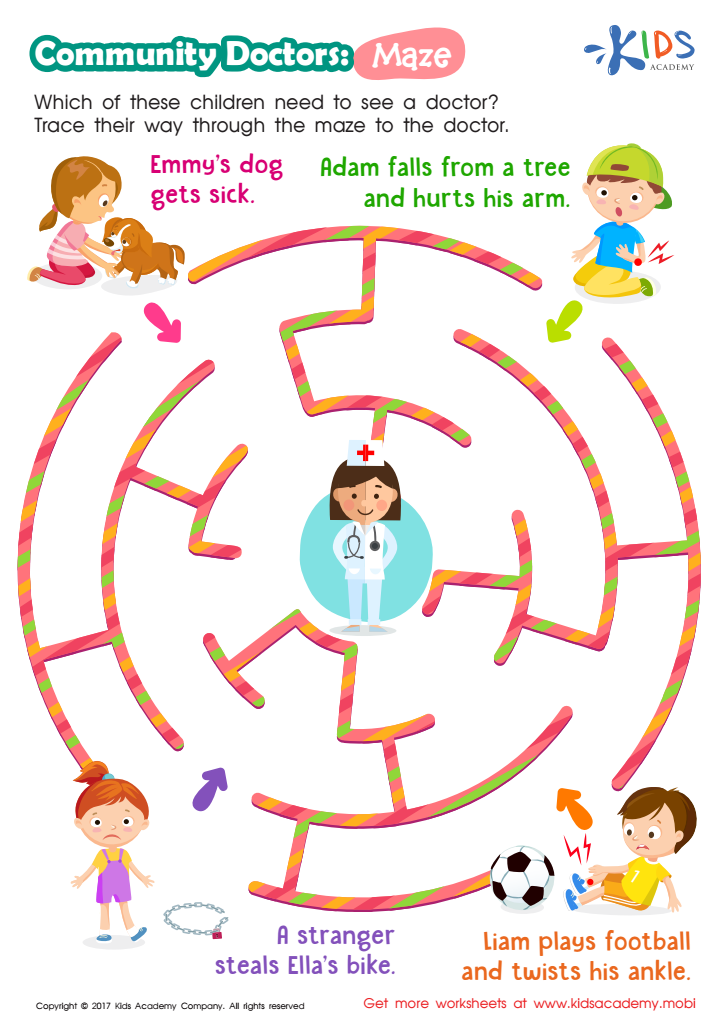
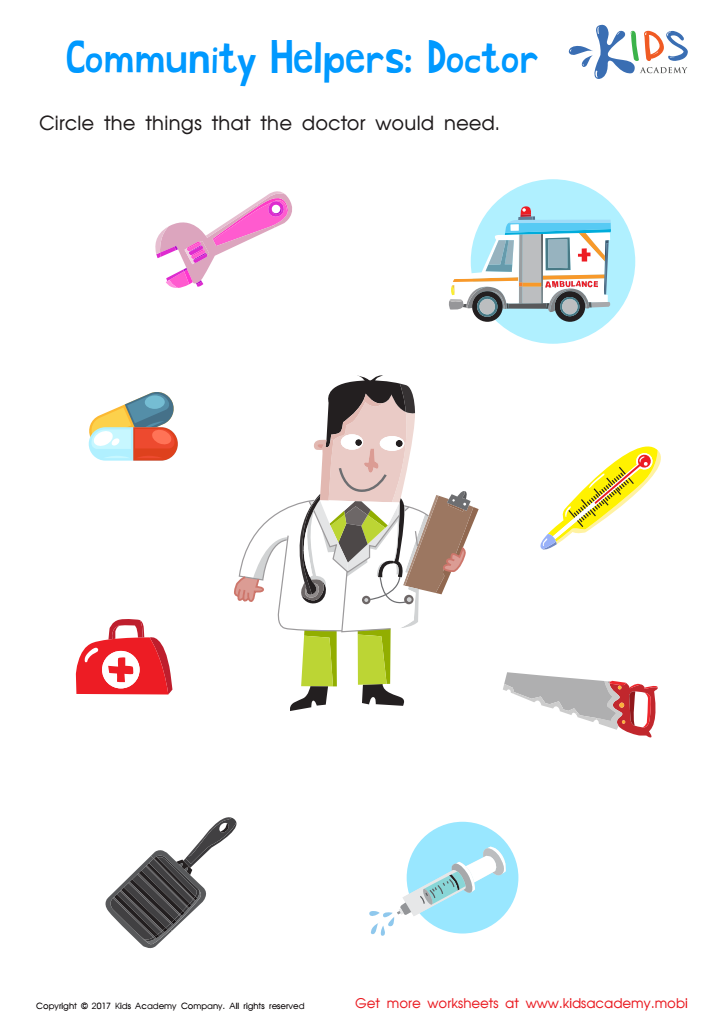
Community Doctors: Maze Printable
 Assign to My Students
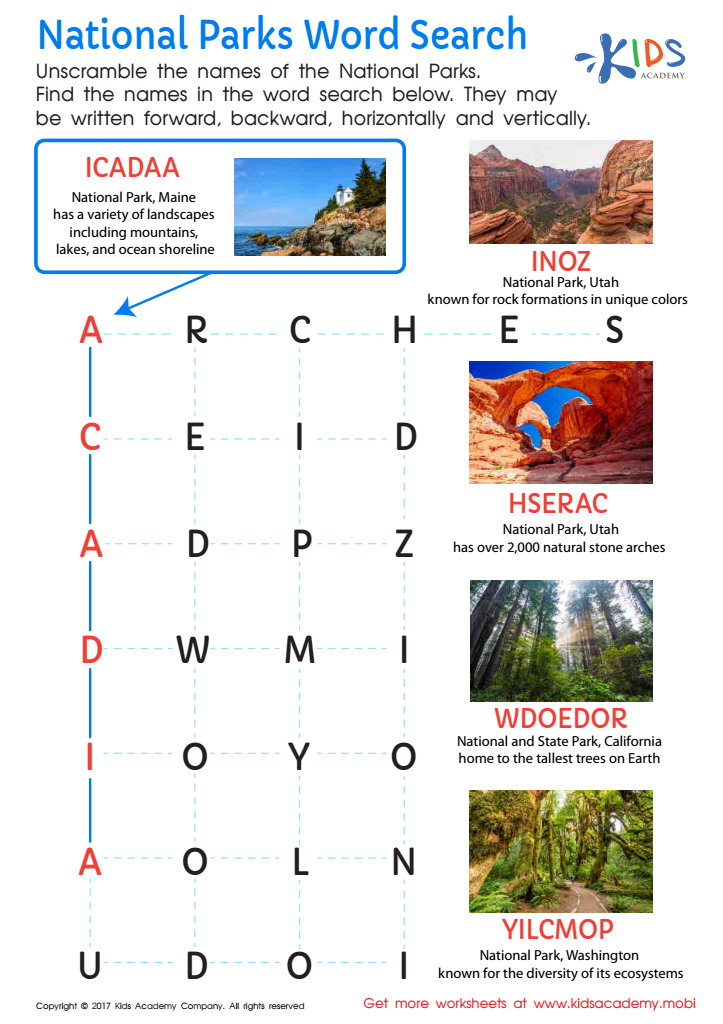
National Parks Word Search Worksheet
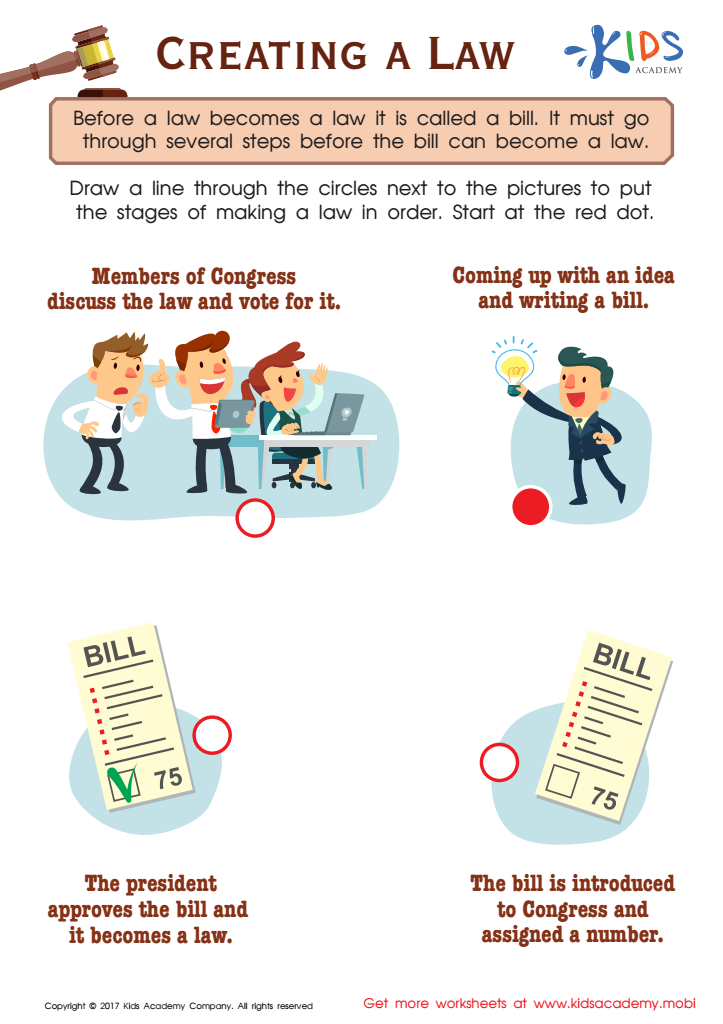
Creating a Law Worksheet
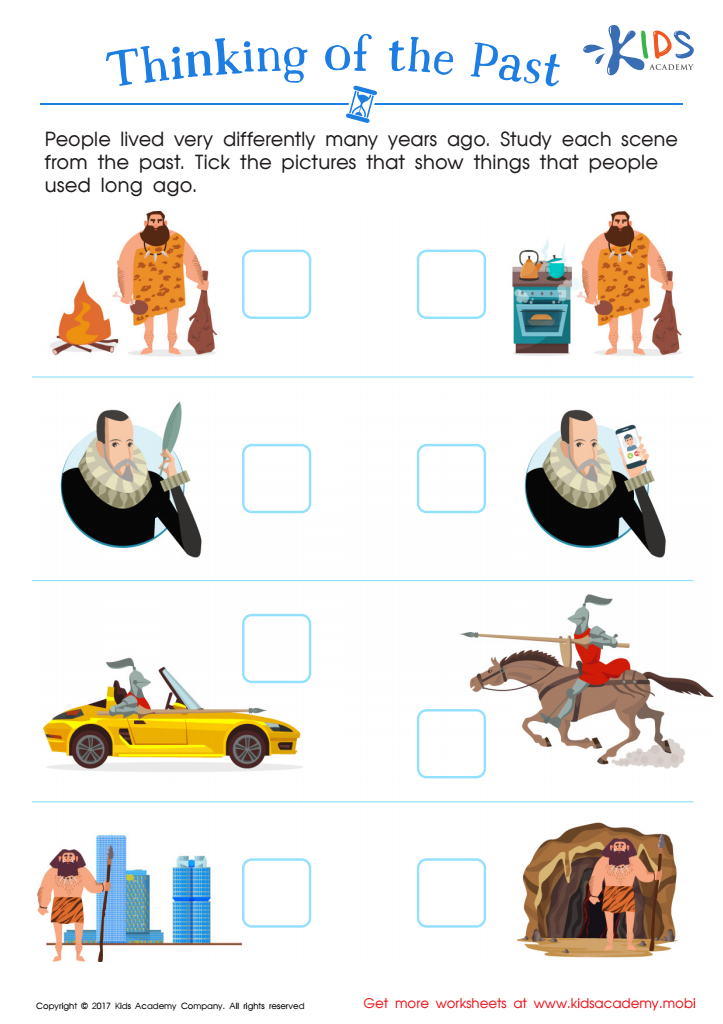
Thinking Past Printable
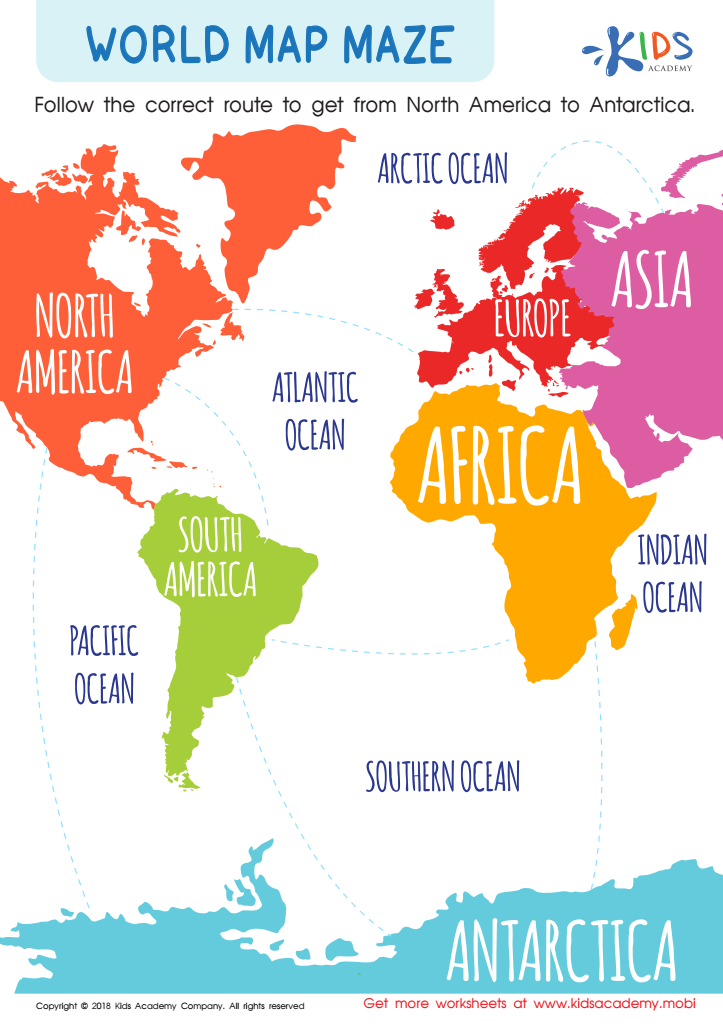
World Map Maze Worksheet
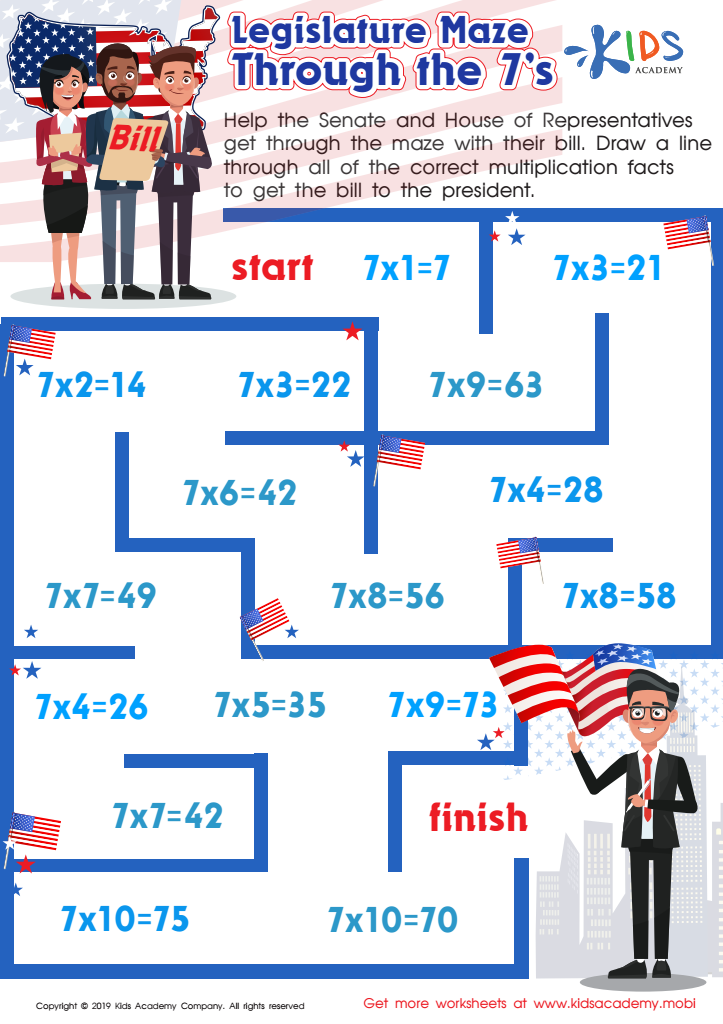
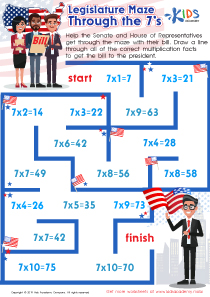
Legislature Maze Through the 7’s Worksheet
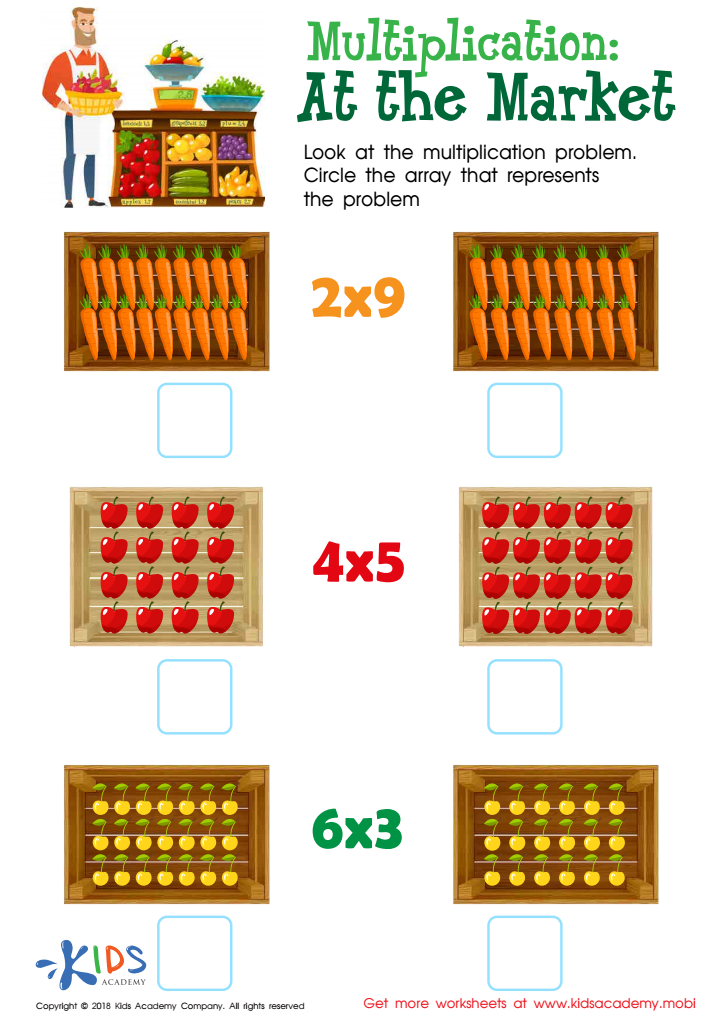
At the Market Worksheet
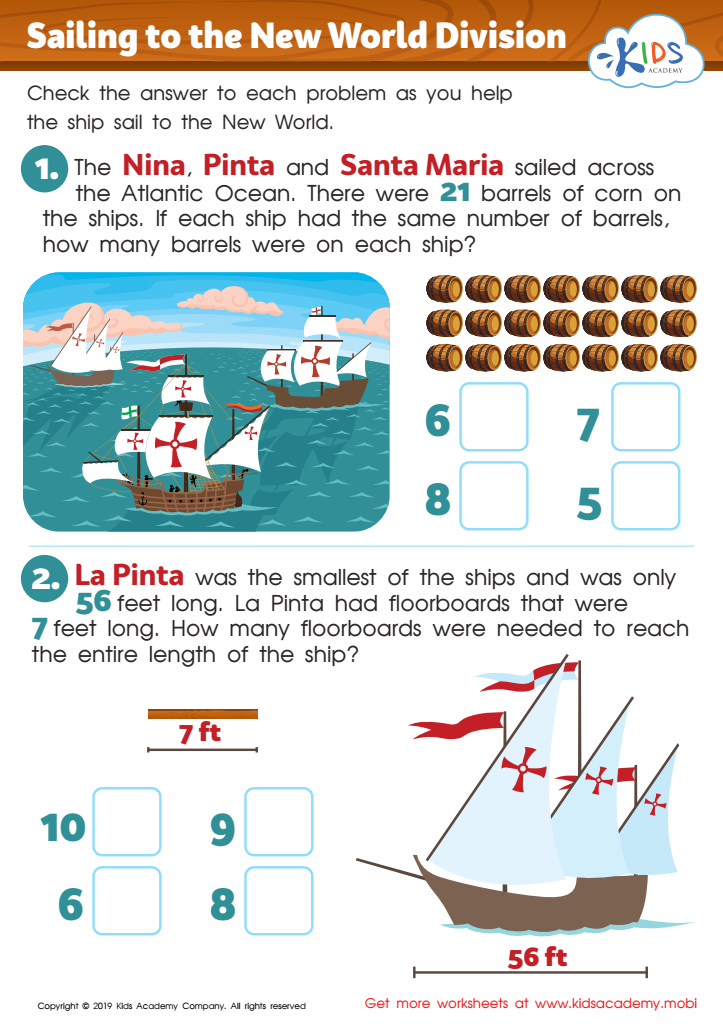
Sailing to the New World Division Worksheet
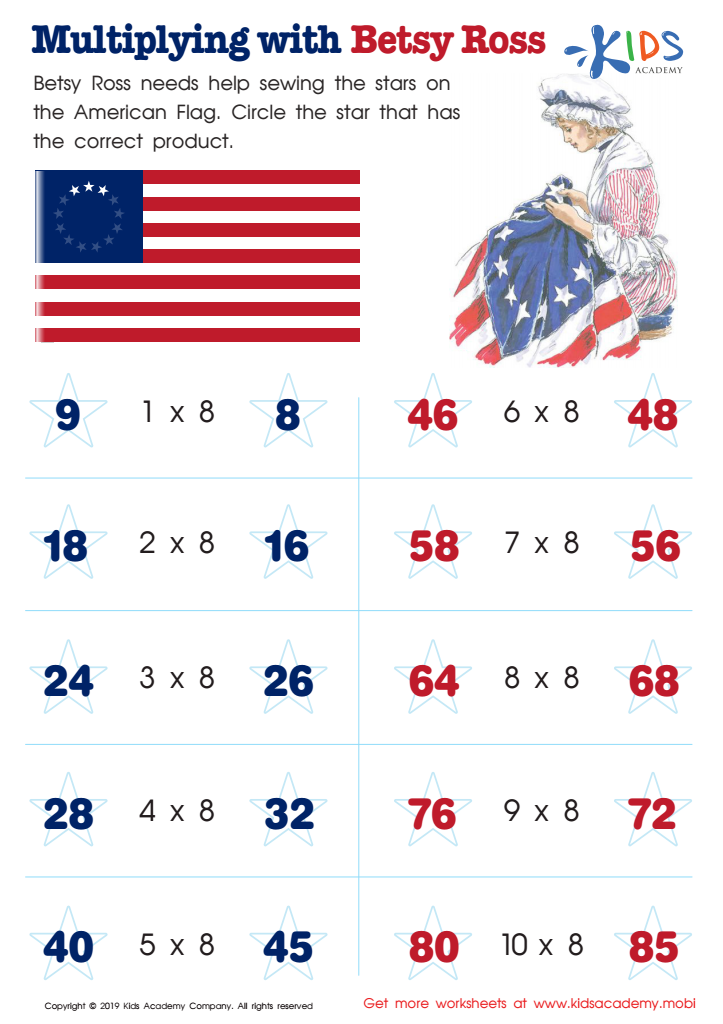
Multiplying with Betsy Ross Worksheet

Towns Worksheet
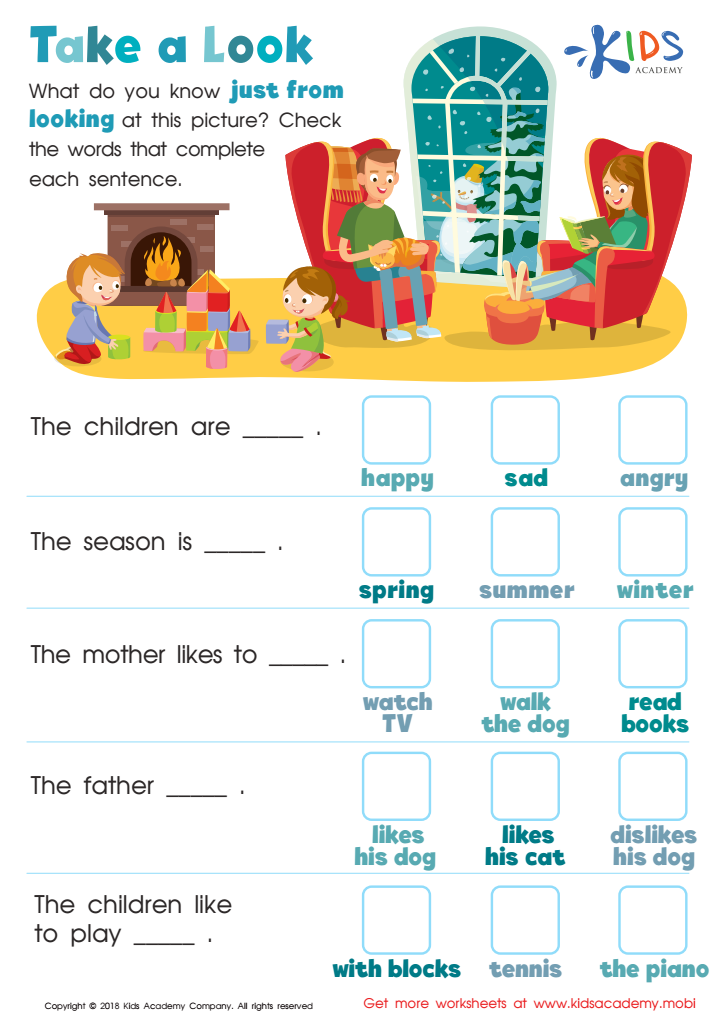
Take a Look - Part 1 Worksheet
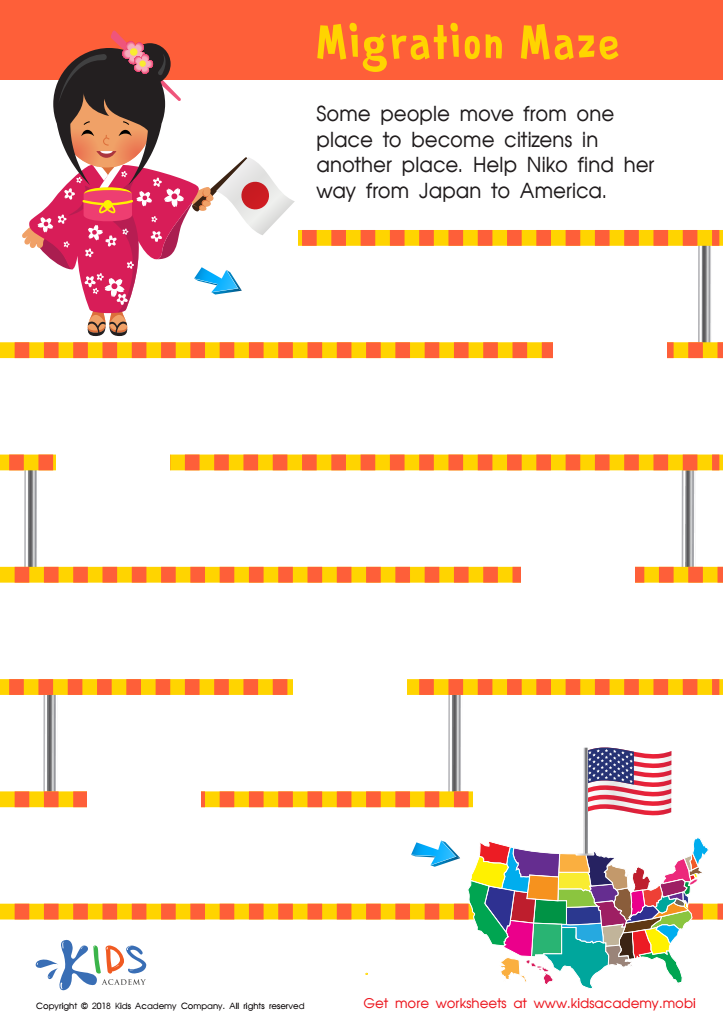
Migration Maze Worksheet


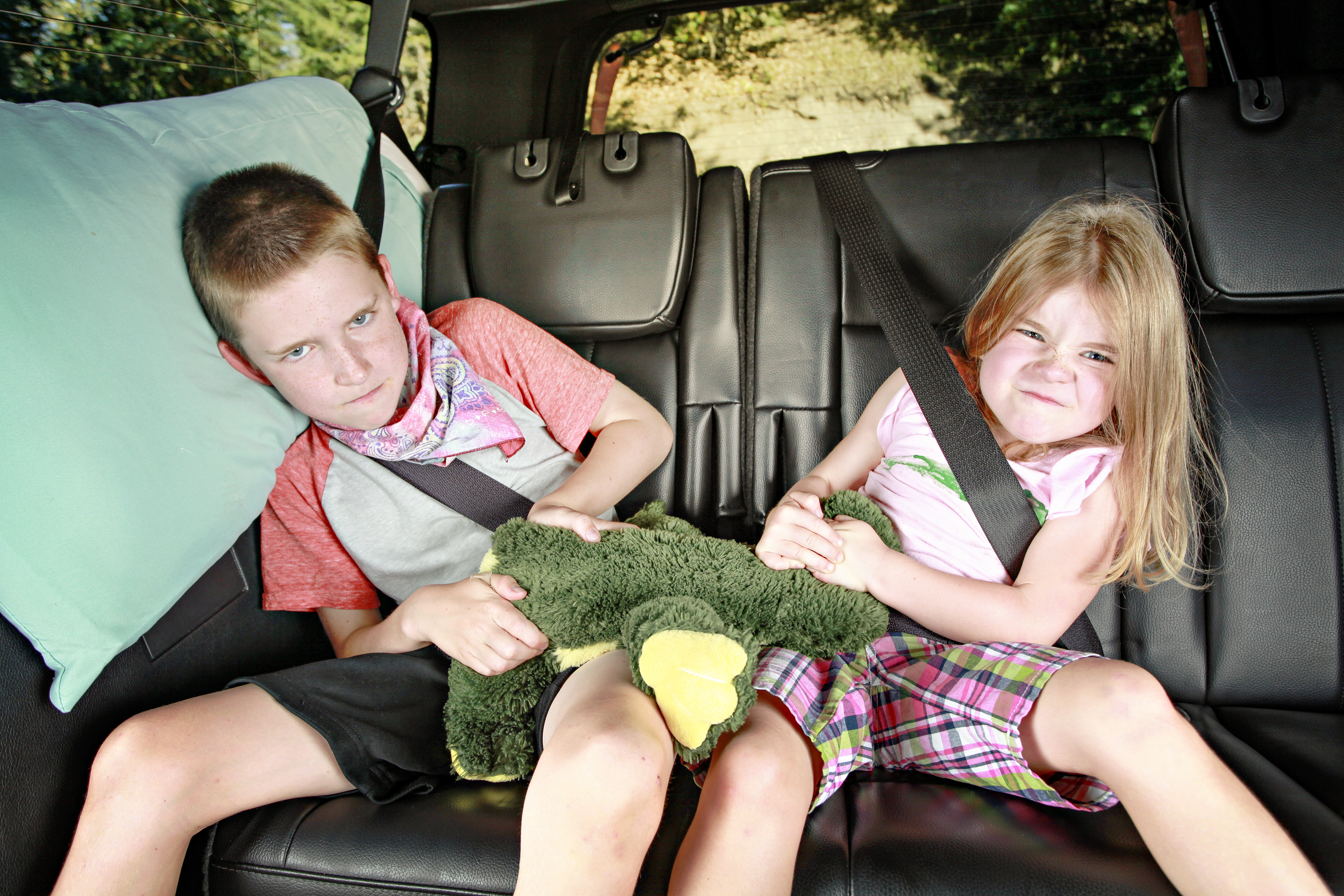




Problem-solving skills are essential for students' development in various aspects of life, making it crucial for parents and teachers to prioritize these skills in social studies. Firstly, problem-solving fosters critical thinking, allowing students to analyze historical events and understand their implications. Recognizing patterns, evaluating evidence, and articulating solutions to social issues prepare children for informed citizenship.
Moreover, problem-solving skills enhance collaboration. Social studies often involves group projects where students discuss diverse perspectives on societal problems. Developing these skills encourages empathy and communication among peers, which is vital for creating a harmonious community.
Additionally, teaching problem-solving through social studies helps students connect real-world issues with academic concepts. They learn to address challenges such as inequality, environmental concerns, and governance, fostering civic responsibility. By engaging with current events and historical narratives, students build a toolkit for navigating complex societal dynamics.
Ultimately, by nurturing problem-solving skills within social studies, parents and teachers equip students with the necessary tools to succeed academically and personally. This translates to better decision-making, resilience in the face of challenges, and an active role in shaping a better future for themselves and their communities.