Critical Thinking Normal Grade 3 Plants and Animals Worksheets
3 filtered results
-
From - To
Enhance your third graders' critical thinking skills with our engaging "Plants and Animals" worksheets! Designed to align with grade 3 science standards, these resources encourage students to explore the fascinating world of flora and fauna through inquiry-based activities. Each worksheet features stimulating questions and challenges that promote observation, analysis, and reasoning. Students will deepen their understanding of ecosystems, plant functions, and animal behaviors while developing essential critical thinking abilities. Perfect for classroom or home use, these worksheets foster curiosity and ignite a passion for science in young learners. Explore our collection and cultivate the critical thinkers of tomorrow!
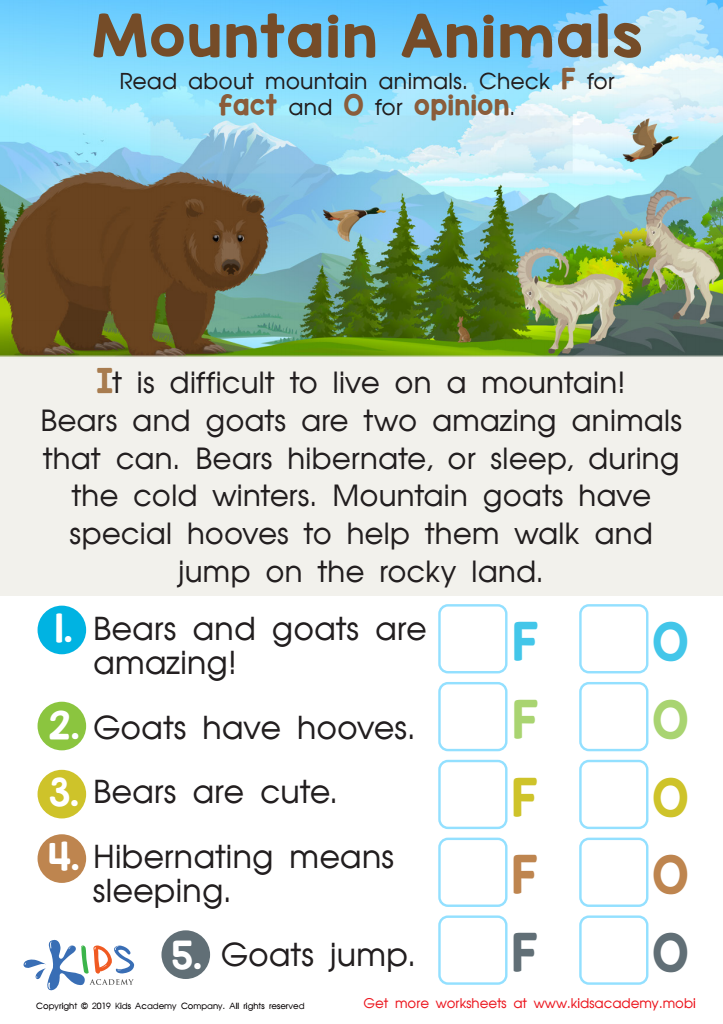
Mountain Animals Worksheet
 Assign to My Students
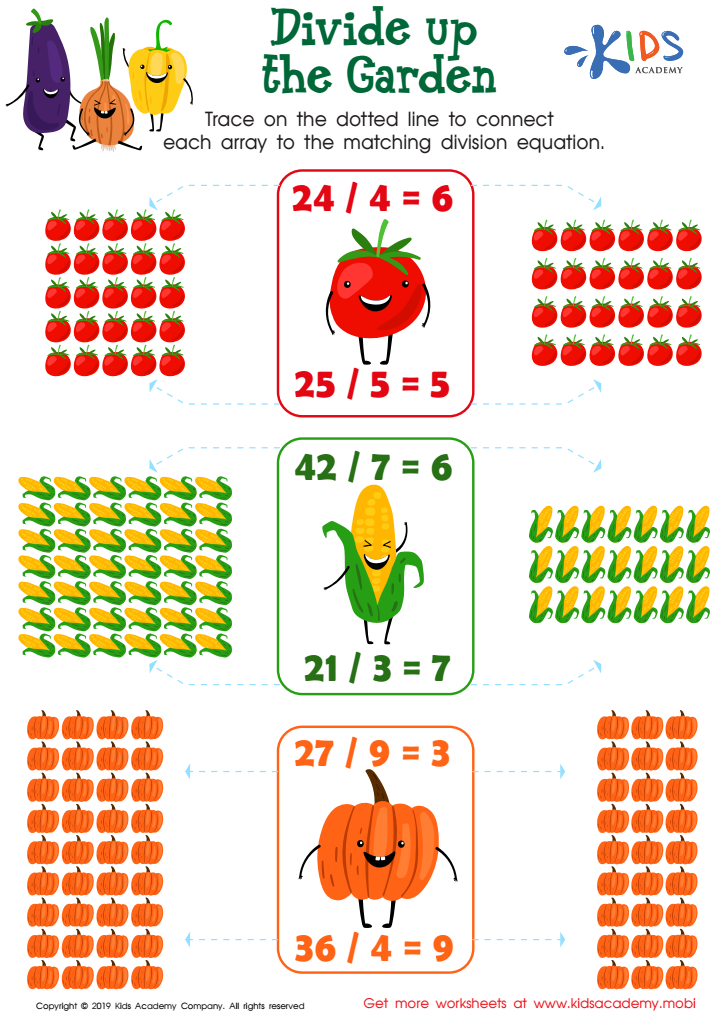
Divide up the Garden Worksheet
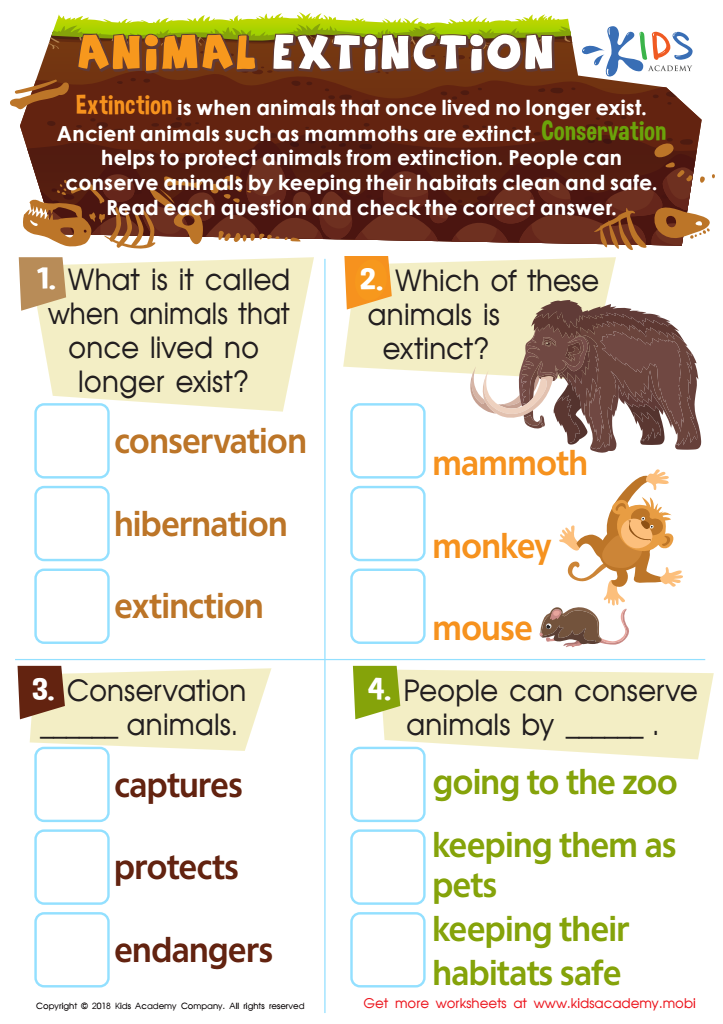
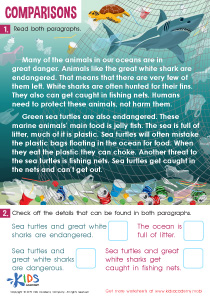
Animal Extinction Worksheet



Critical thinking is a fundamental skill, especially in subjects like science, where students explore concepts such as plants and animals in Grade 3. Parents and teachers should care about fostering critical thinking in this context for several reasons.
Firstly, critical thinking encourages curiosity. When children ask questions about plants and animals—like, "How do plants grow?" or "Why do animals adapt to their environment?"—they engage deeply with the material, making the learning process more meaningful. This inquiry-based approach helps students develop problem-solving skills, teaching them to analyze situations and make informed decisions.
Secondly, incorporating critical thinking into lessons about plants and animals prepares students for real-world applications. Understanding ecosystems, food chains, and biodiversity requires students to evaluate information, consider multiple perspectives, and draw conclusions based on evidence. These skills are essential not just in academics but also in daily life.
Lastly, fostering critical thinking equips children for future learning. As they build these foundational skills in early grades, they will be better prepared for more complex subjects and ethical dilemmas later on. Encouraging this mindset through engaging projects and discussions boosts their confidence and promotes a lifelong love of learning. Thus, it greatly benefits both students and society as a whole.