Reading comprehension Normal Grade 3 History Worksheets
21 filtered results
-
From - To
Discover our engaging Grade 3 Reading Comprehension History Worksheets, designed to enhance your child's understanding of social studies concepts. These worksheets blend informative texts with critical thinking questions, helping students explore key historical themes and events. Each activity encourages them to read closely, analyze information, and draw conclusions, fostering essential literacy skills. Aligned with educational standards, our resources are perfect for class activities or home learning. Whether it's understanding community roles or significant historical figures, our worksheets provide a fun and effective way for third graders to boost their reading comprehension while learning important historical facts. Boost their learning journey today!
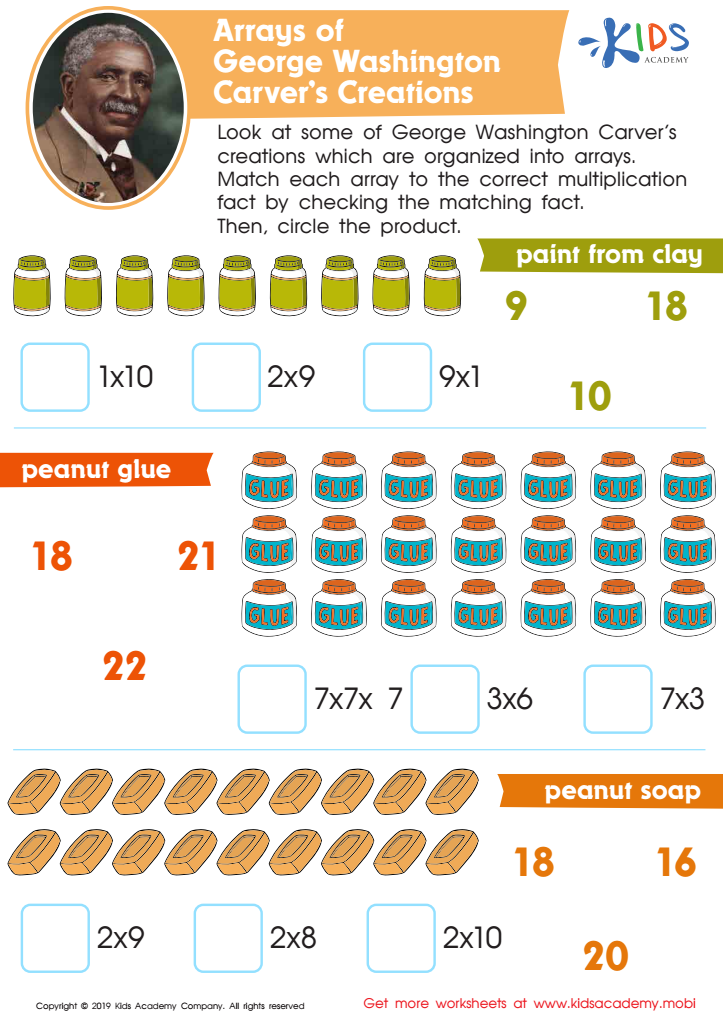
Arrays of George Washington Carver’s Creations Worksheet
 Assign to My Students
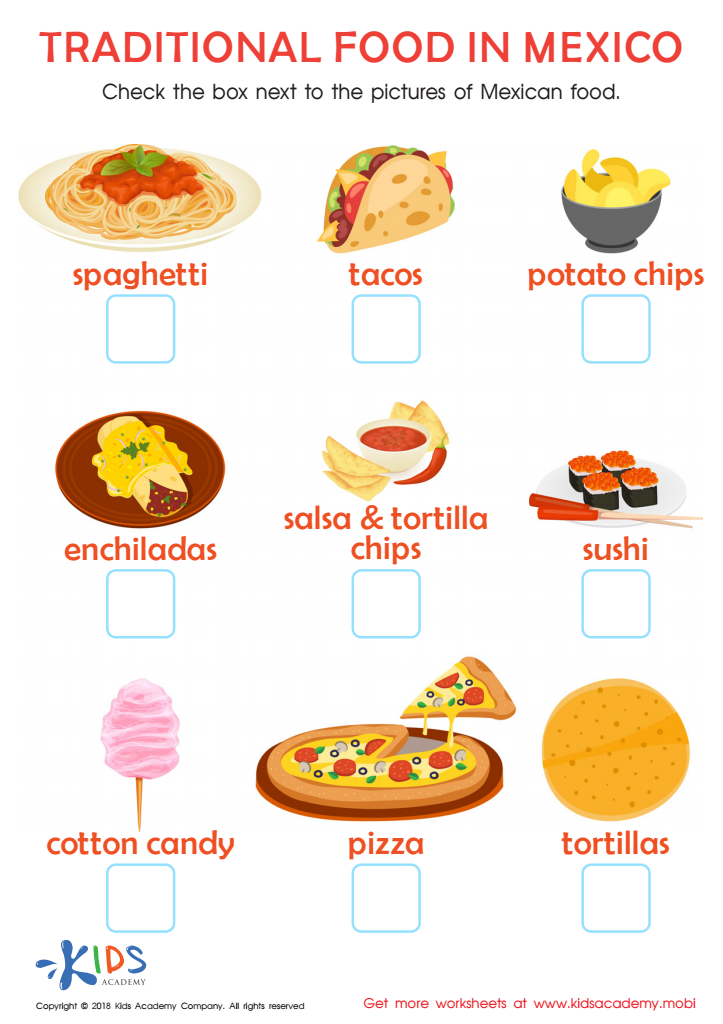
Traditional Food in Mexico Worksheet
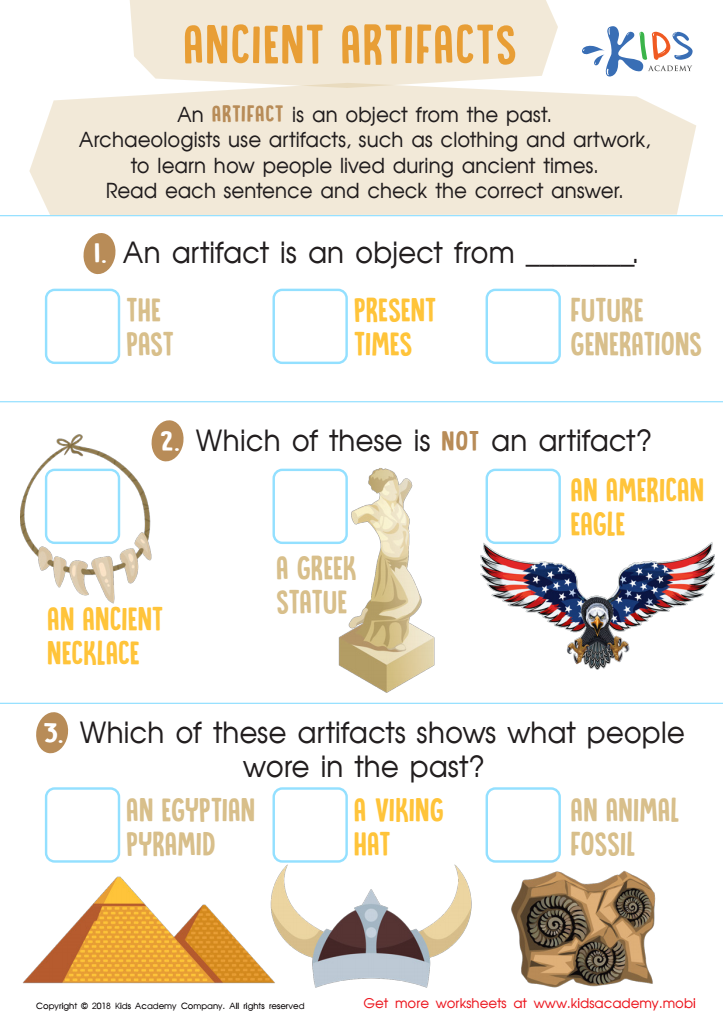
Ancient Artifacts Worksheet
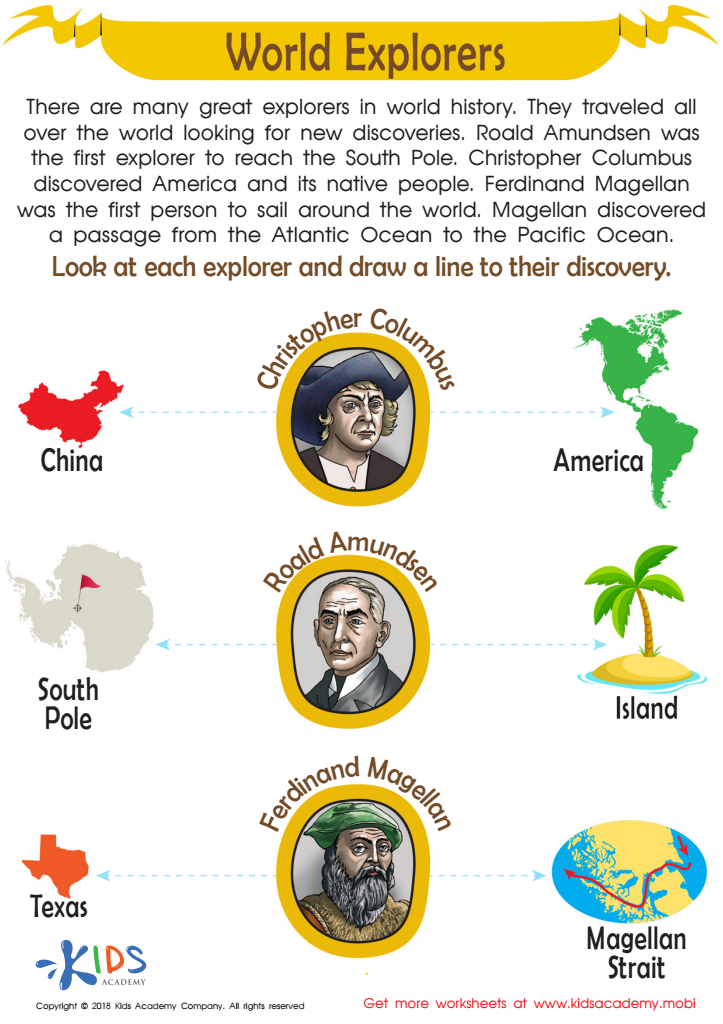
World Explorers Worksheet
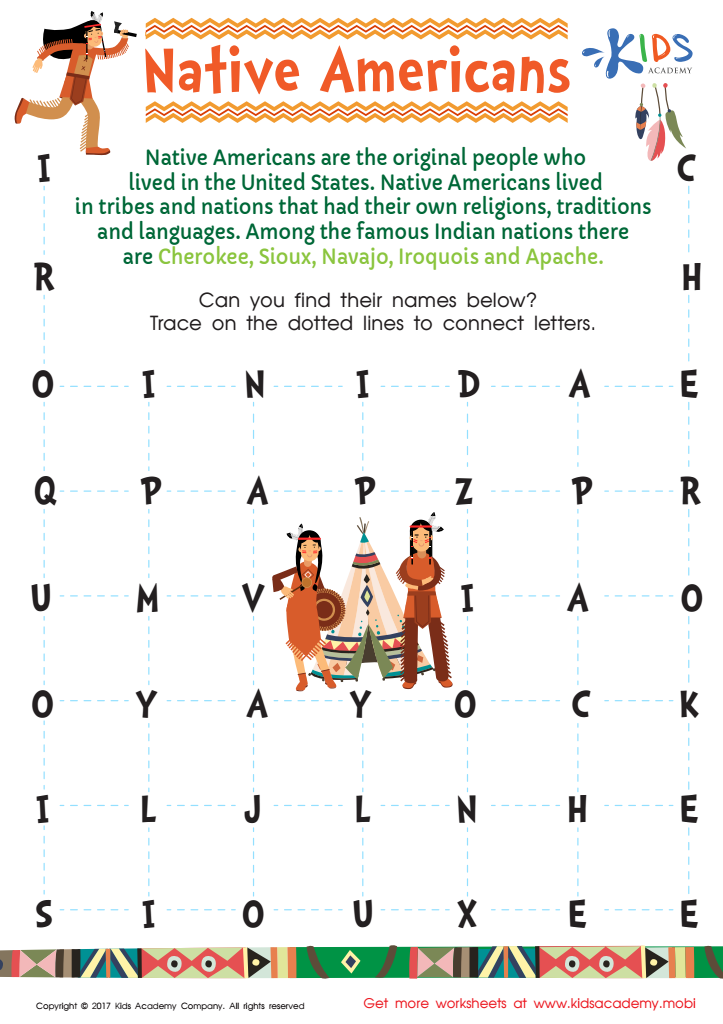
Native American Word Search Printable
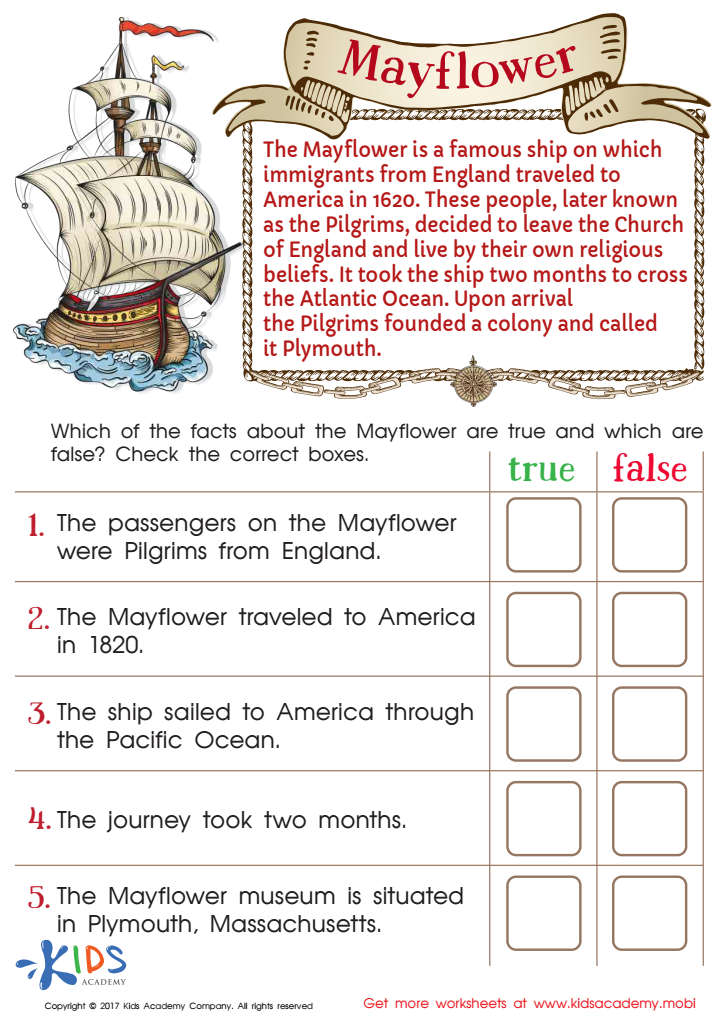
Free Mayflower Worksheet
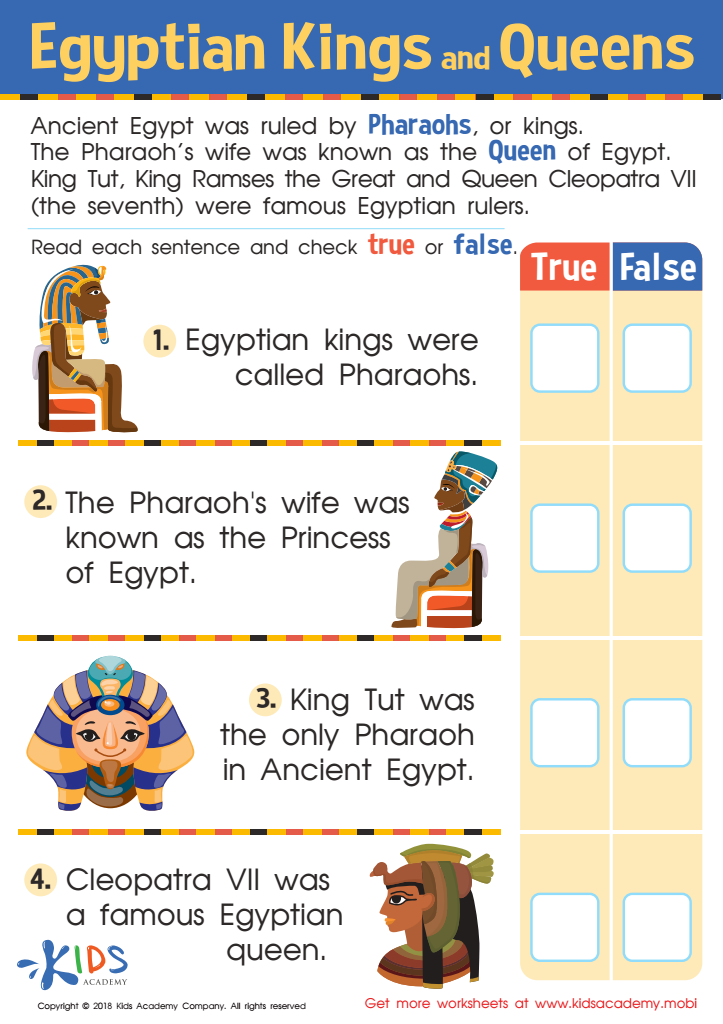
Egyptian Kings and Queens Worksheet
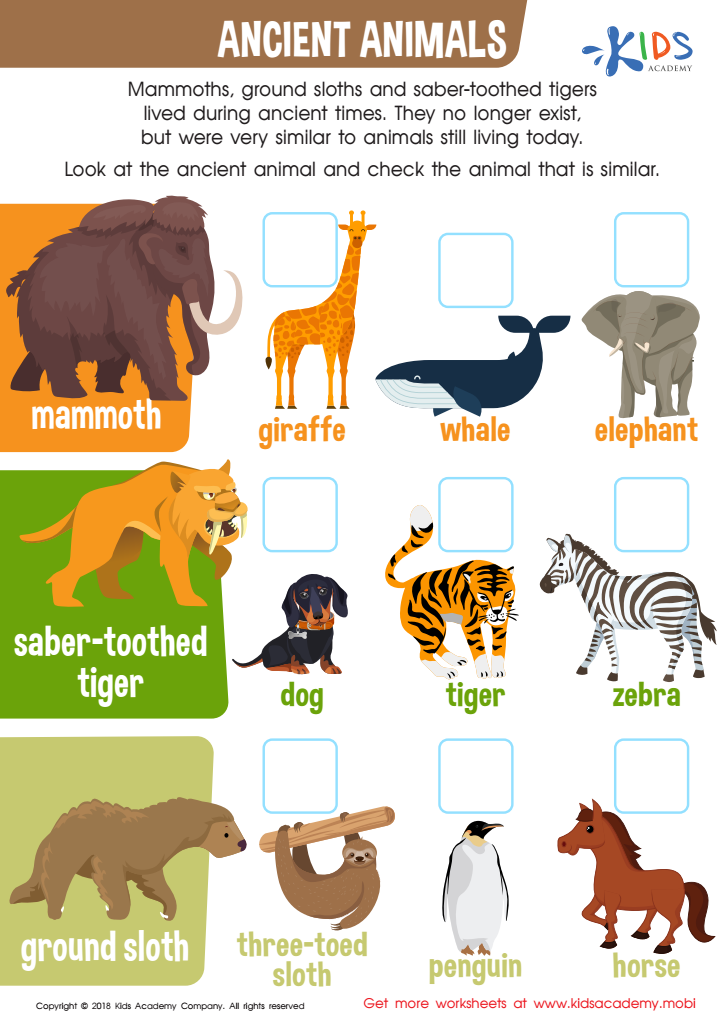
Ancient Animals Worksheet
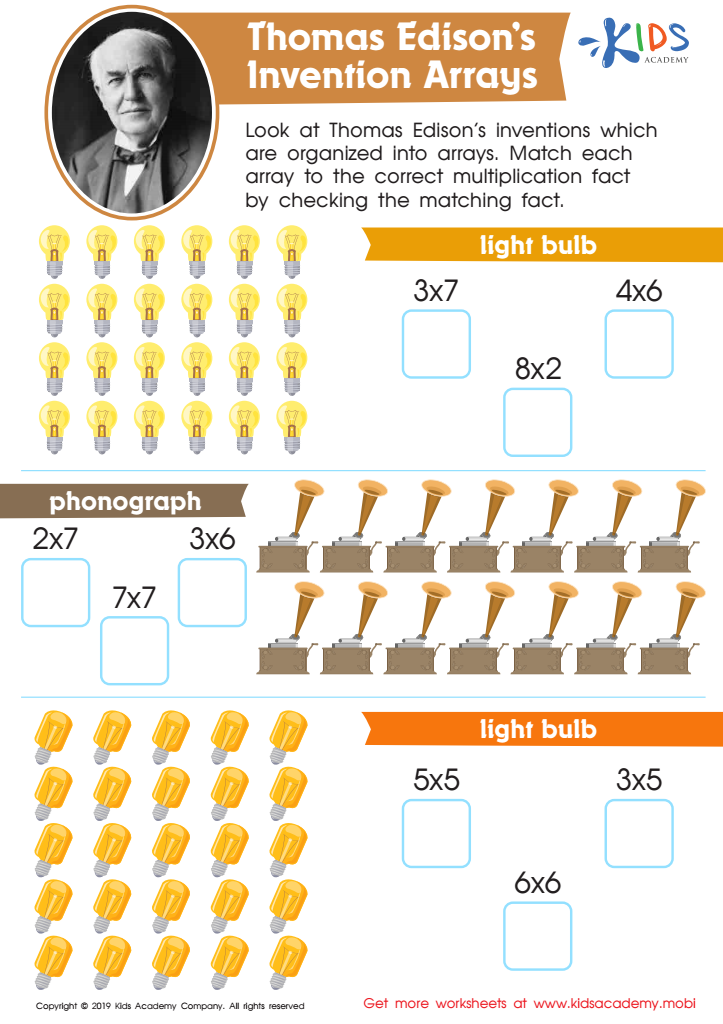
Thomas Edison’s Invention Arrays Worksheet
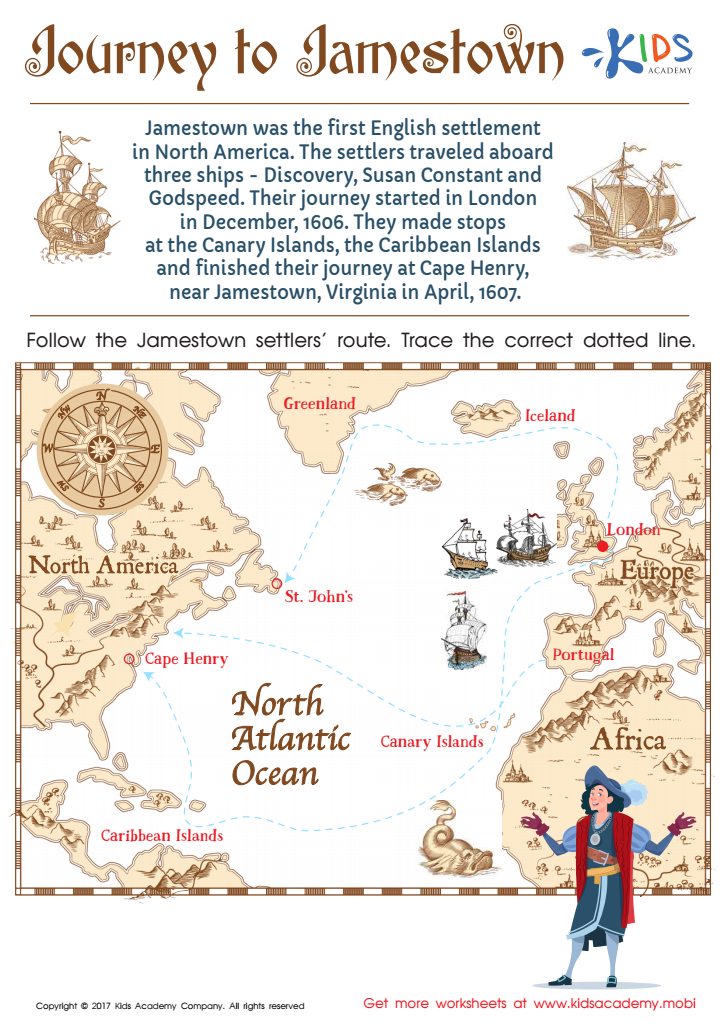
Journey to Jamestown Worksheet
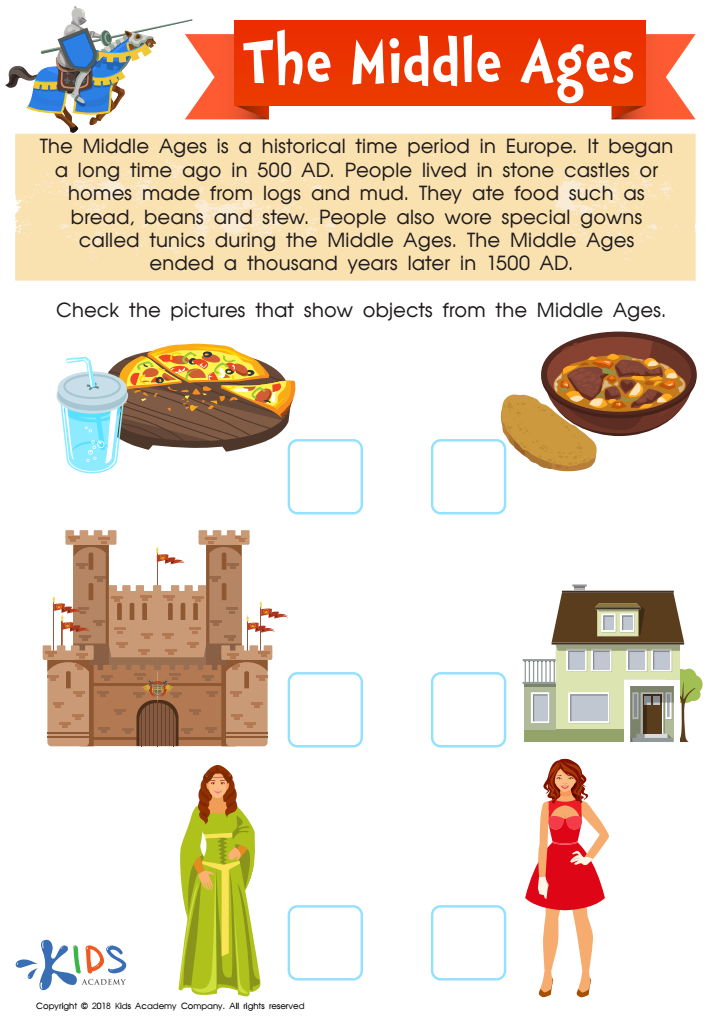
The Middle Ages Worksheet
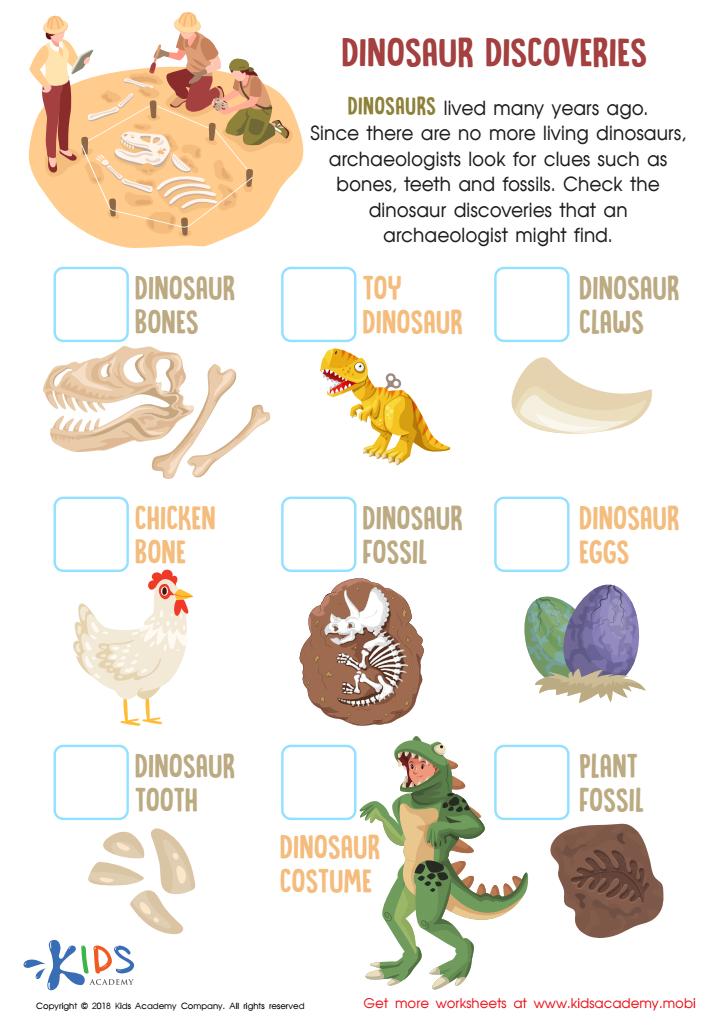
Dinosaur Discoveries Worksheet
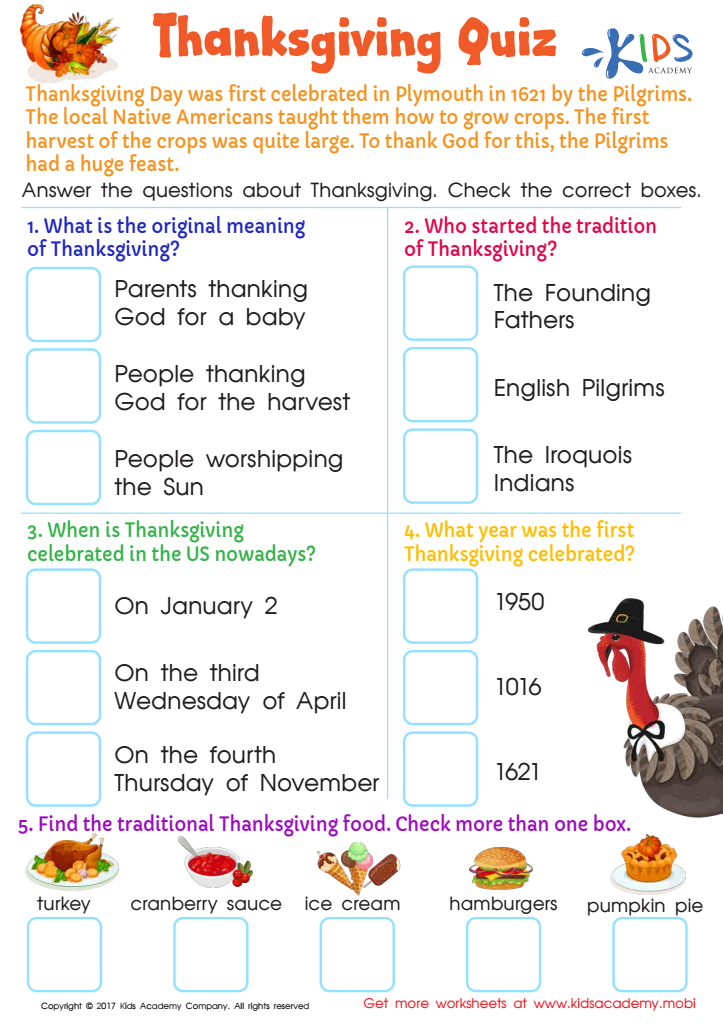
Thanksgiving Quiz Worksheet
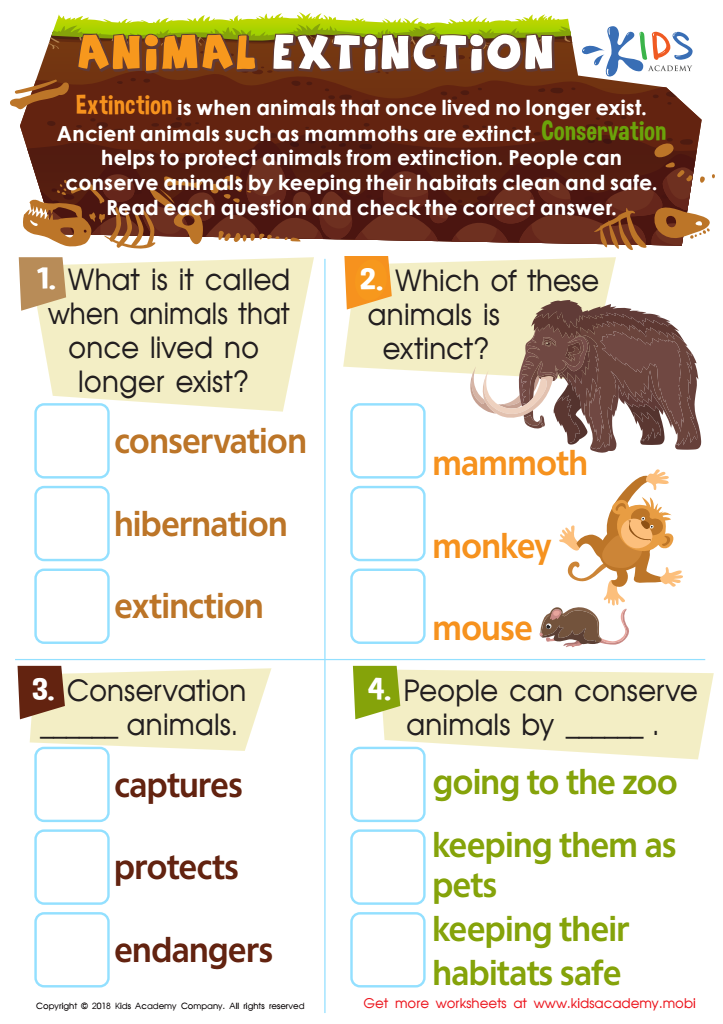
Animal Extinction Worksheet
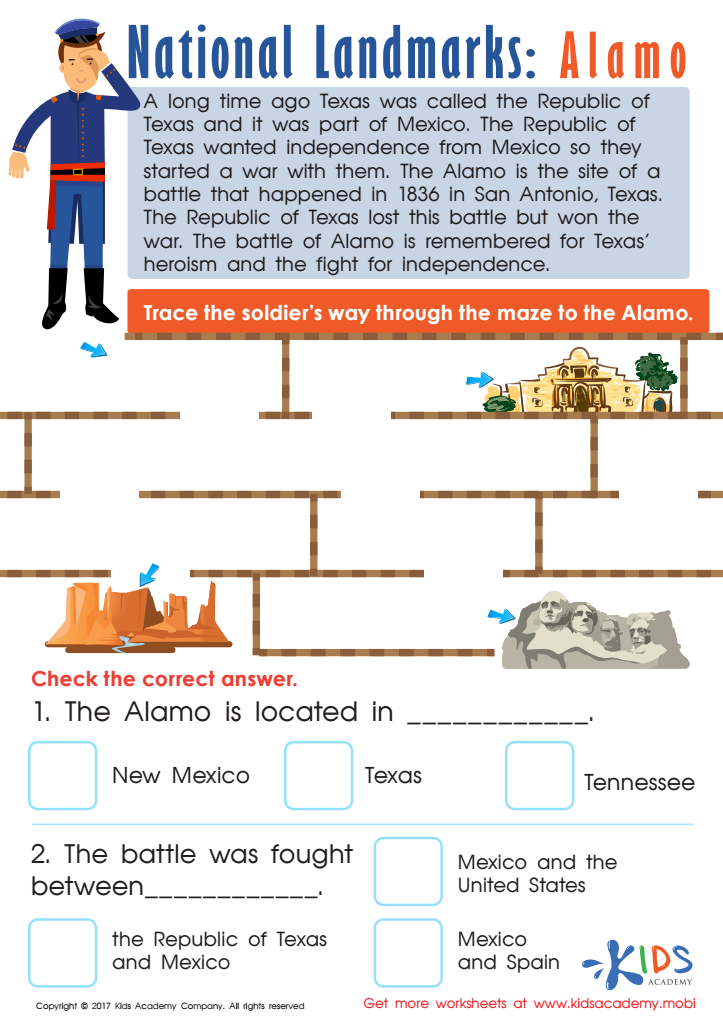
Alamo Printable Worksheet
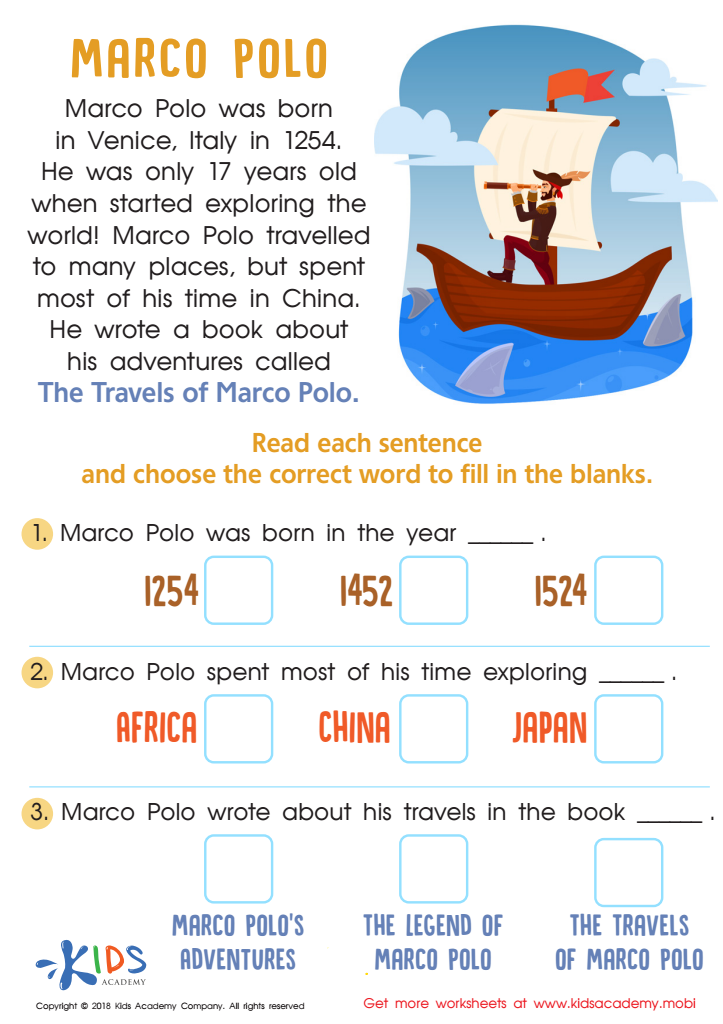
Marco Polo Worksheet
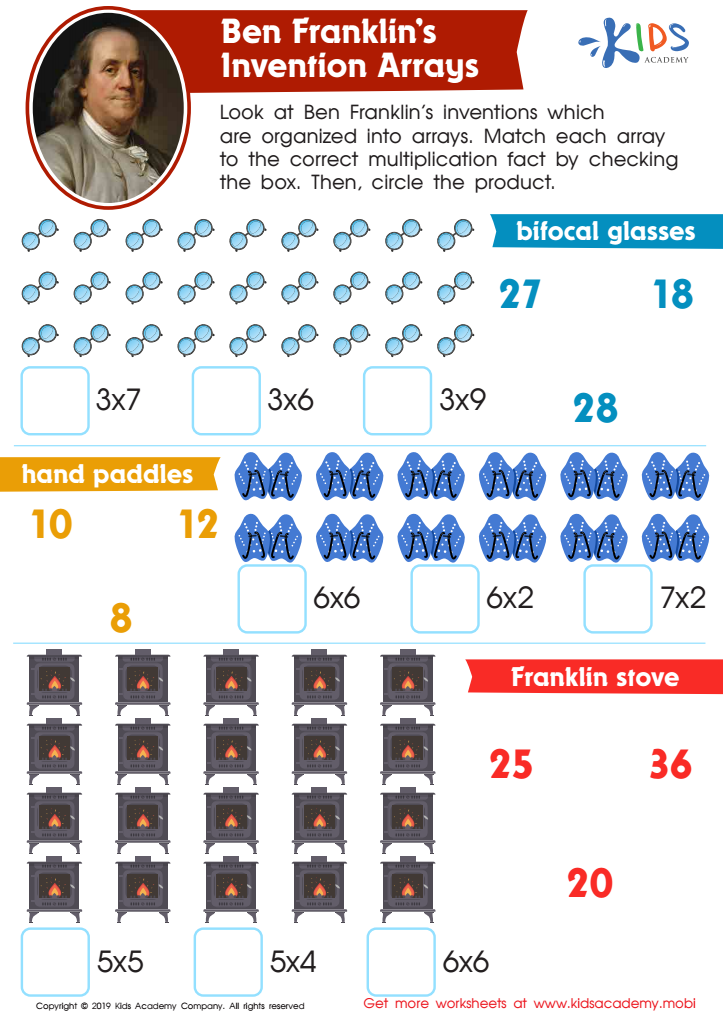
Ben Franklin’s Invention Arrays Worksheet
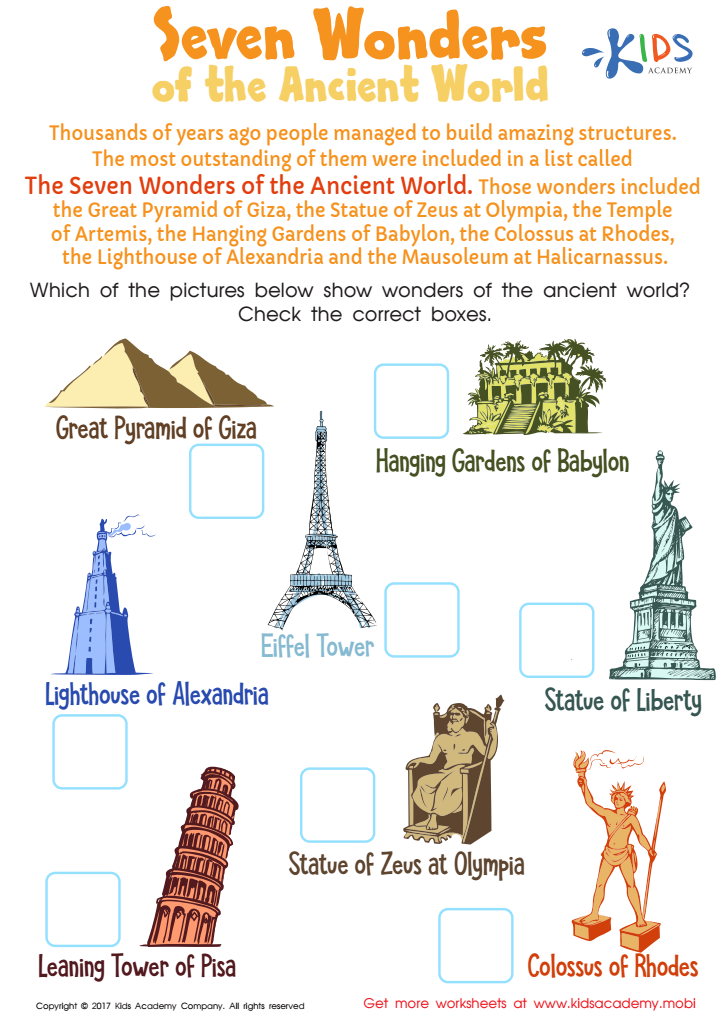
Seven Wonders of the Ancient World Worksheet
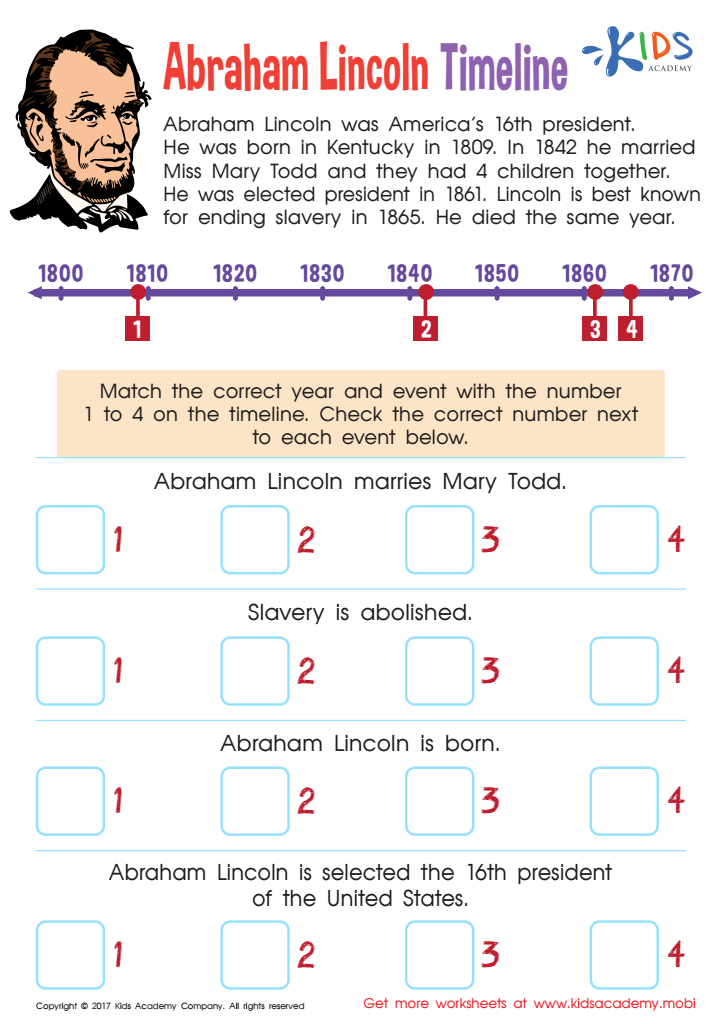
Abraham Lincoln Timeline Worksheet
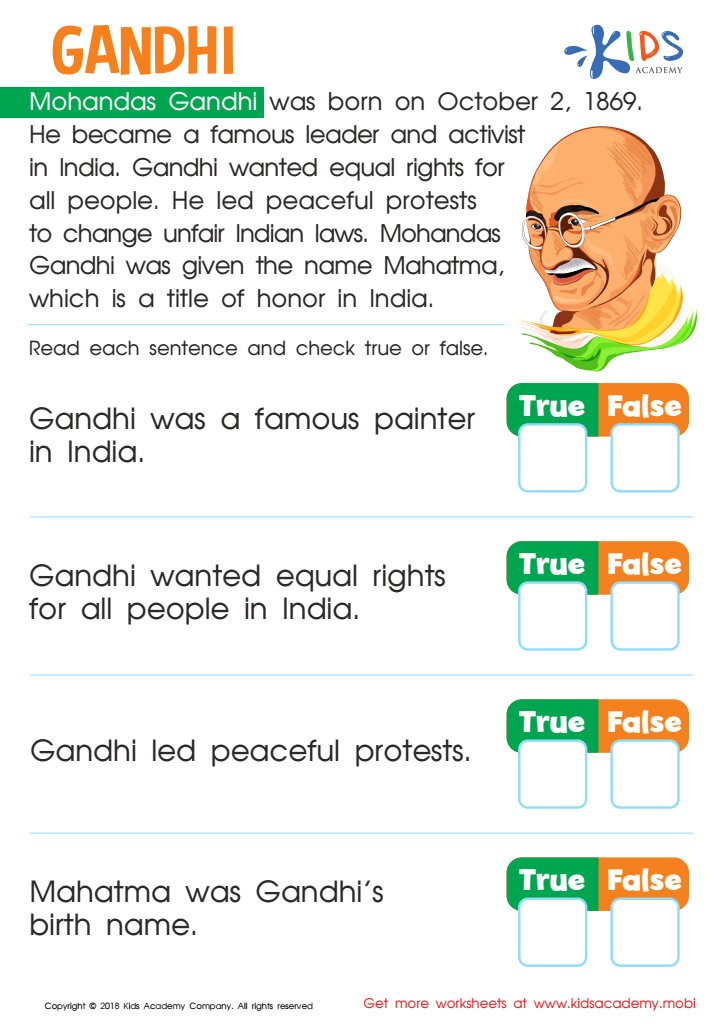
Gandhi Worksheet
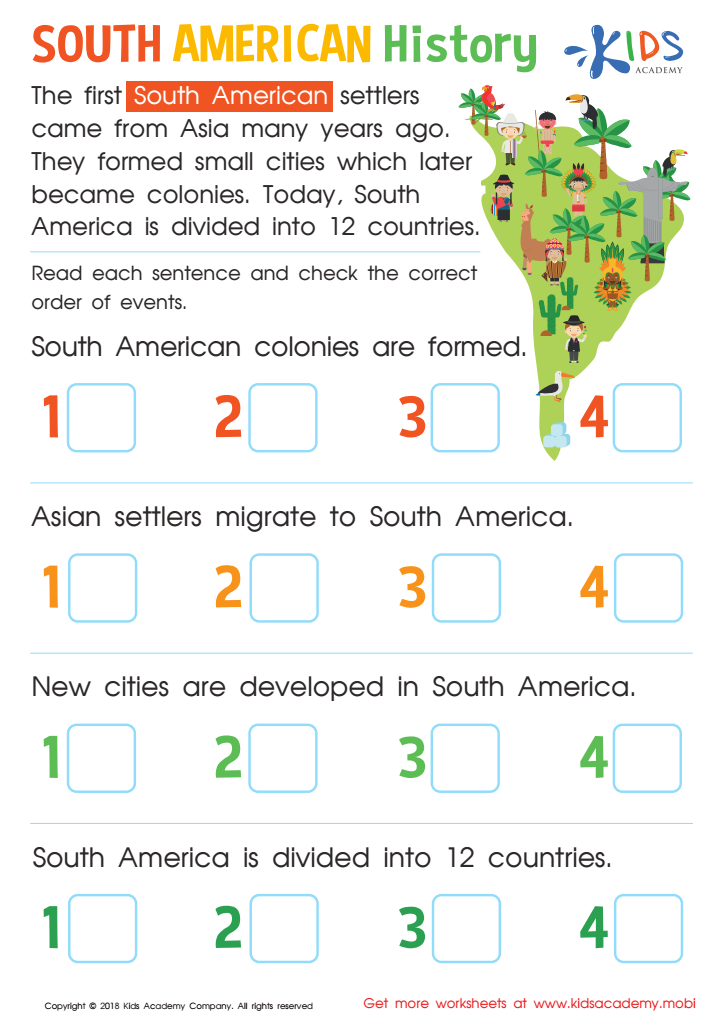
South American History Worksheet








Reading comprehension is critical for Grade 3 students, particularly in subjects like History. At this stage, children transition from learning to read to reading to learn, and their ability to understand historical texts impacts their overall academic performance.
First, historical knowledge fosters citizenship; understanding events, cultures, and figures in history helps children develop an appreciation for their community and the world, enhancing their social studies education. Engaging with historical narratives cultivates critical thinking and strengthens inquiry skills, enabling students to analyze cause-and-effect relationships.
Second, reading comprehension supports essential literacy skills required across all subjects. In Grade 3, children start facing more complex texts, requiring them to decode meanings, infer conclusions, and connect new information to prior knowledge. Effective reading skills empower students to interpret historical documents, engage in discussions, and even write about historical perspectives.
Finally, parents and teachers can play a pivotal role in promoting reading comprehension strategies, such as summarizing, questioning, and predicting, which not only enrich understanding but also nurture a love for reading. Investing in comprehension skills at this early stage lays a solid foundation for future learning, ensuring children become confident, informed, and empathetic learners.