Color recognition Nursery Rhymes Worksheets
7 filtered results
-
From - To
Explore our engaging Color Recognition Nursery Rhymes Worksheets designed to make learning fun for young children. These colorful, interactive worksheets use familiar nursery rhymes to help preschoolers and Kindergartners develop essential color recognition skills. Each activity encourages kids to identify and match colors, fostering creativity and cognitive growth through play. Our resources are perfect for teachers and parents looking for effective ways to enhance early childhood education. Download these printable worksheets today to support your child’s learning journey while enjoying the rhythm and rhyme of beloved nursery songs. Let color and song bring excitement to your child's education!
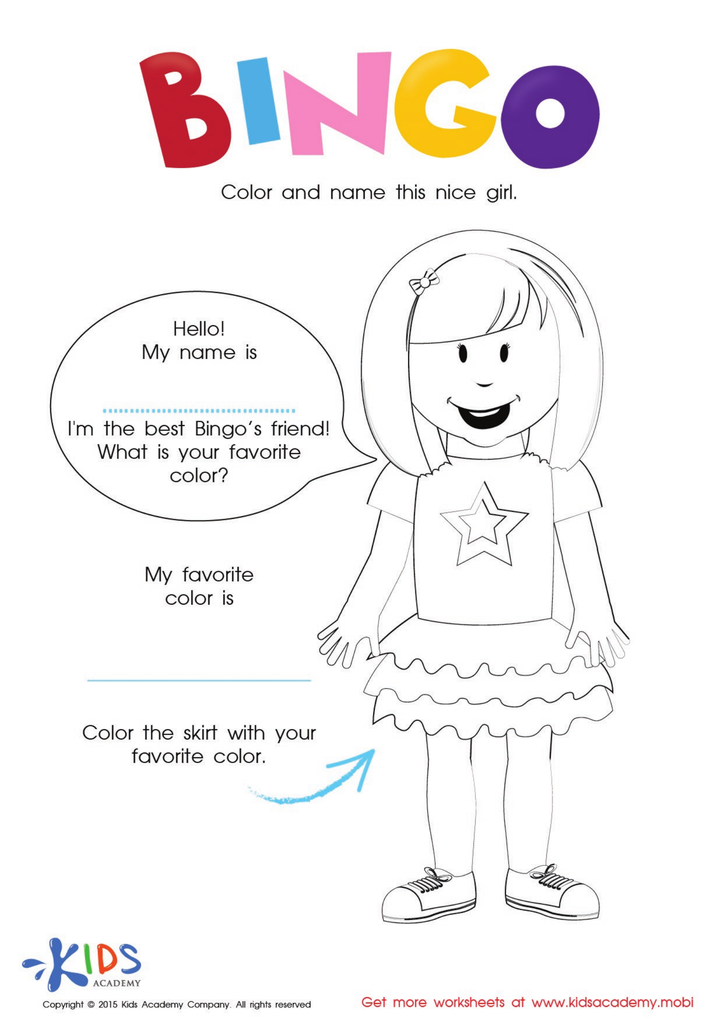
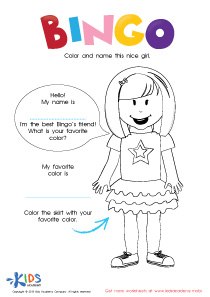
The Bingo Song: Coloring The Girl Worksheet
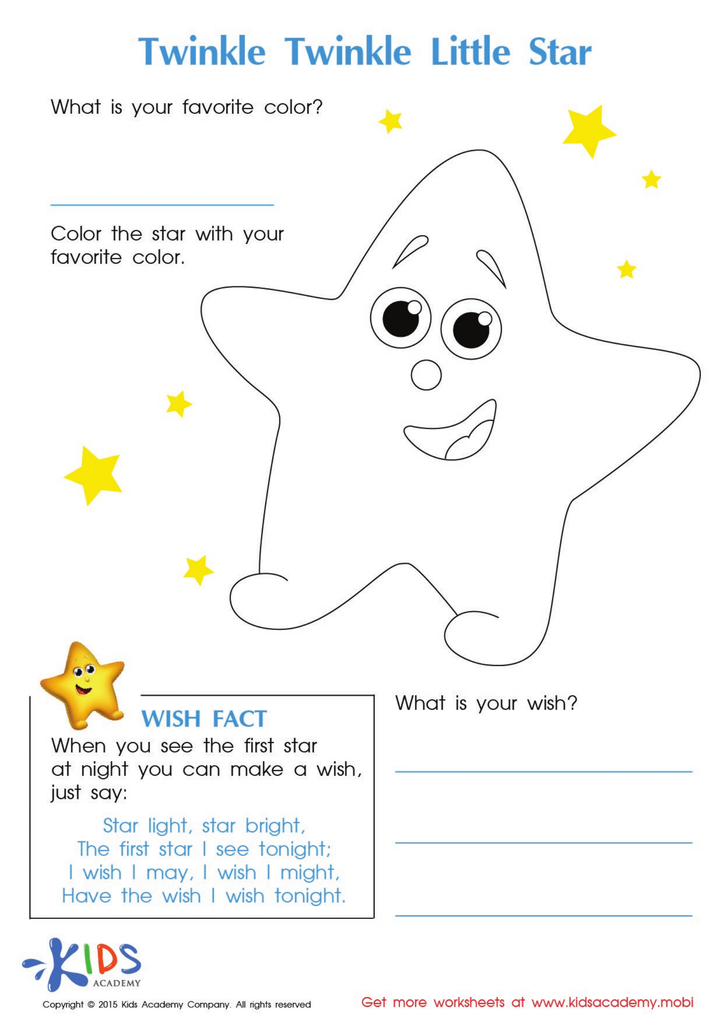
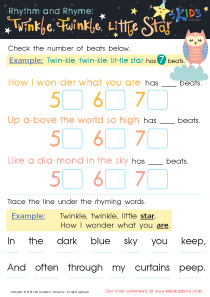
Twinkle Little Star Coloring Worksheet
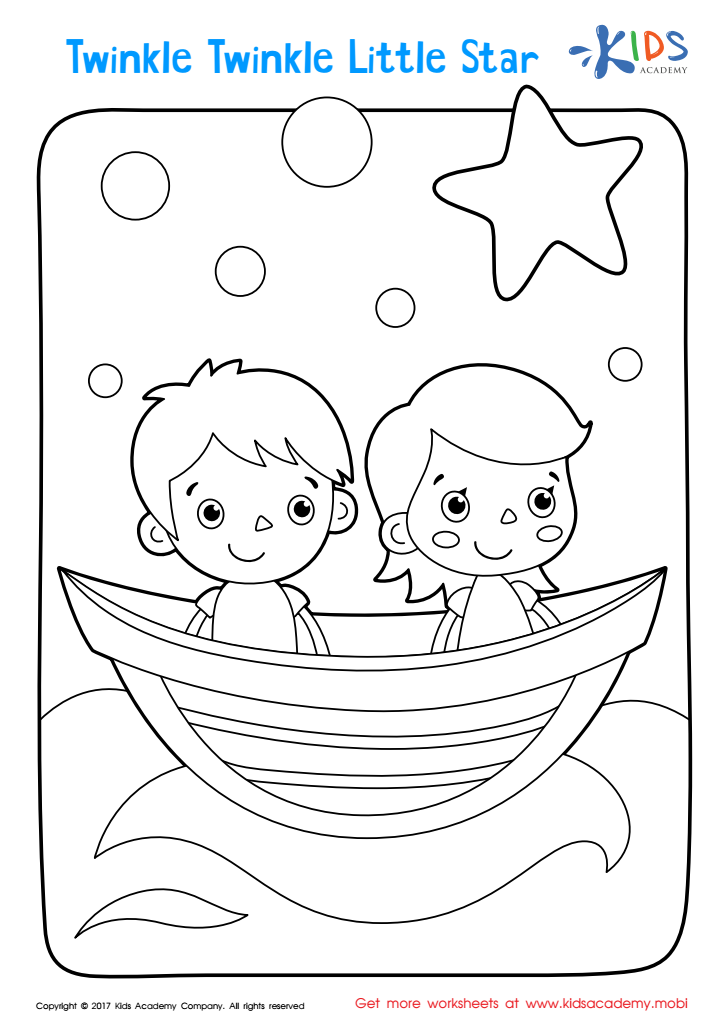
Twinkle Twinkle Little Star Coloring Page
 Assign to My Students
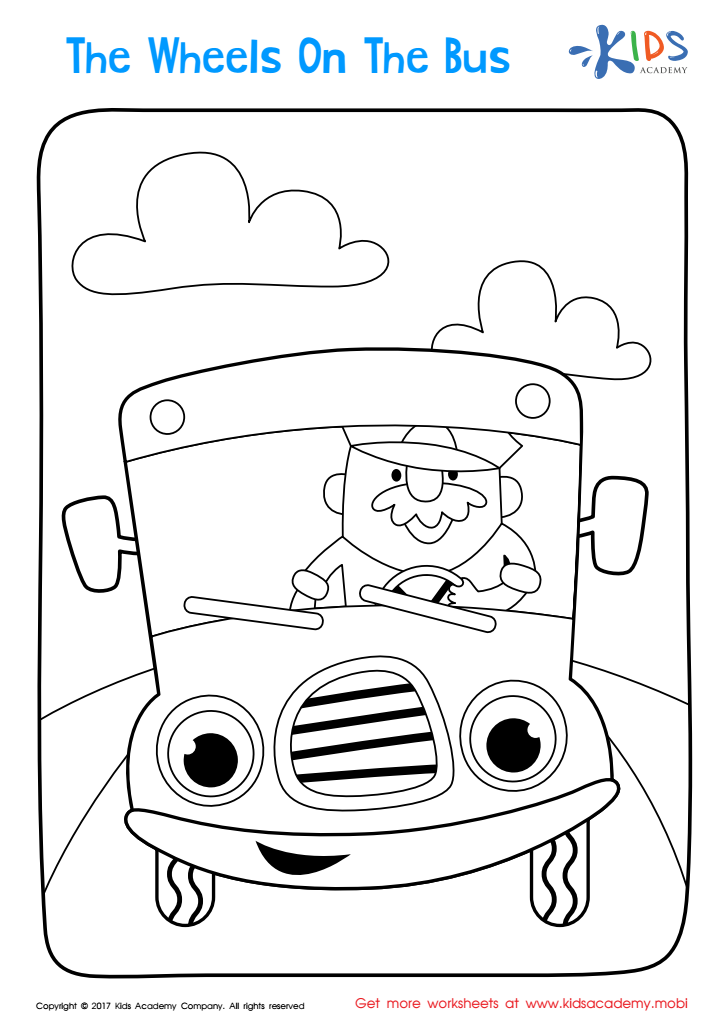
The Wheels on the Bus Coloring Page
Assign to My Students
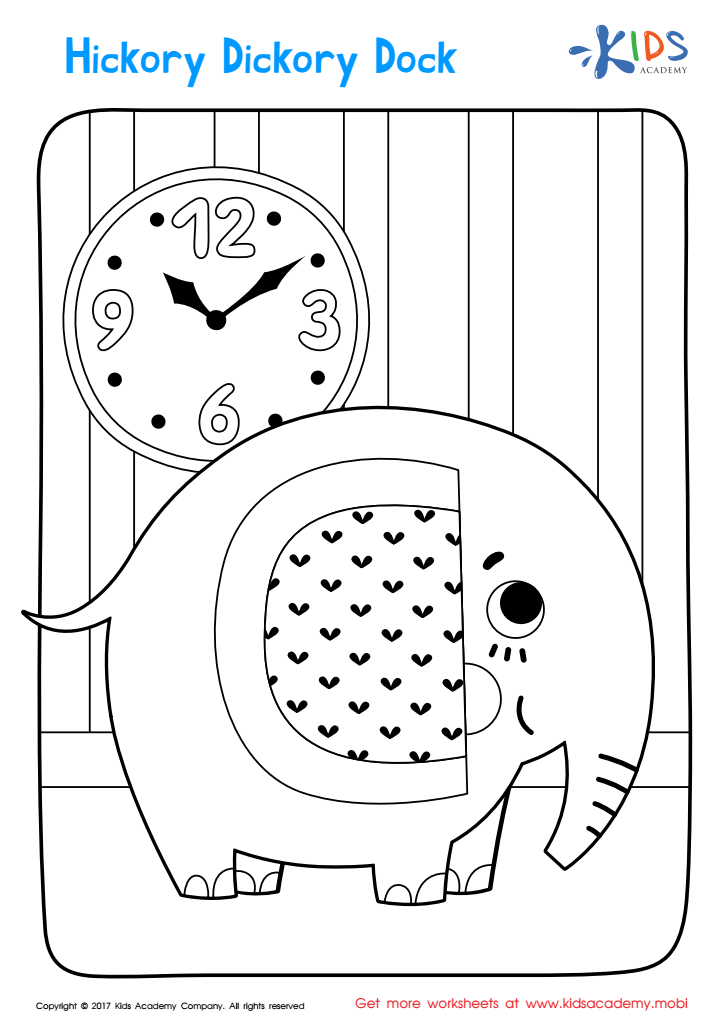
Hickory Dickory Dock Coloring Page
Assign to My Students
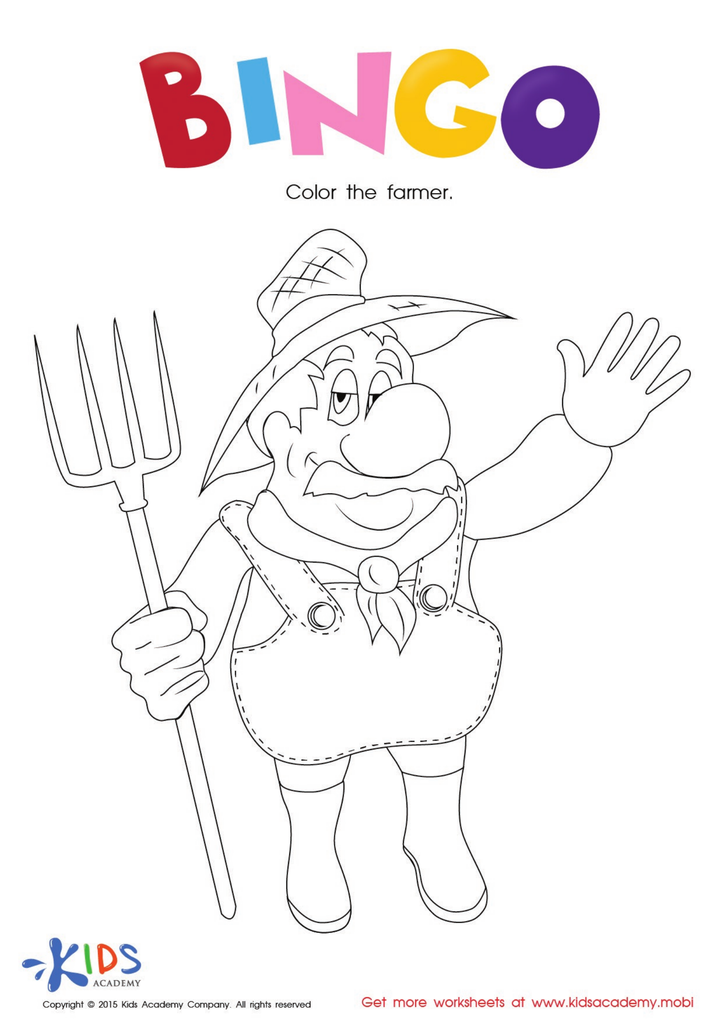
The Bingo Song: Coloring The Farmer Worksheet
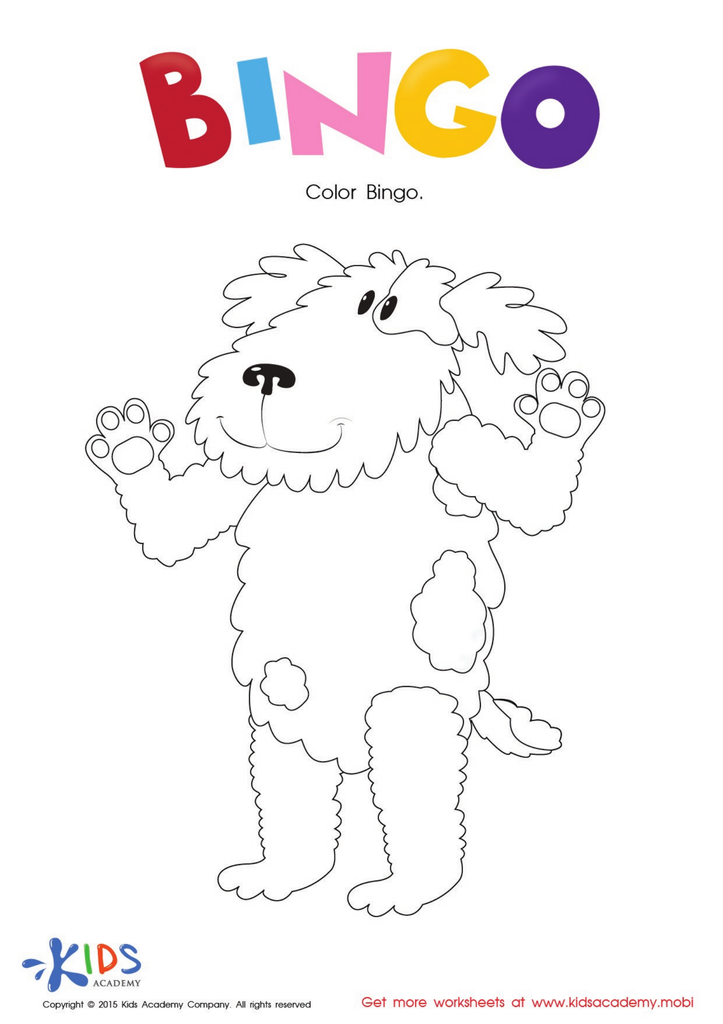
The Bingo Song: Coloring The Dog Worksheet







Color recognition nursery rhymes are an essential tool in early childhood education, primarily because they facilitate learning through play and repetition. First and foremost, colors are foundational concepts in a child's development, playing a significant role in their ability to identify and categorize objects in their environment. Nursery rhymes that focus on colors make this learning process fun and engaging, allowing children to remember and recall color names more effectively.
Parents and teachers should care about these rhymes because they promote language development as children learn new vocabulary associated with colors. Singing these rhymes also enhances auditory discrimination and phonemic awareness, critical skills for future literacy. Furthermore, incorporating movement or actions into color recognition songs helps reinforce learning through kinesthetic activities, catering to different learning styles.
Moreover, leveraging nursery rhymes can foster emotional bonding between parents and their children, as shared singing experiences create lasting memories. In a classroom setting, teachers can use these songs to stimulate interaction among peers, fostering social skills. By embracing color recognition nursery rhymes, parents and educators nurture a well-rounded educational environment that supports cognitive, linguistic, emotional, and social growth in young learners.