Numbers worksheets activities for Ages 3-4
11 filtered results
-
From - To
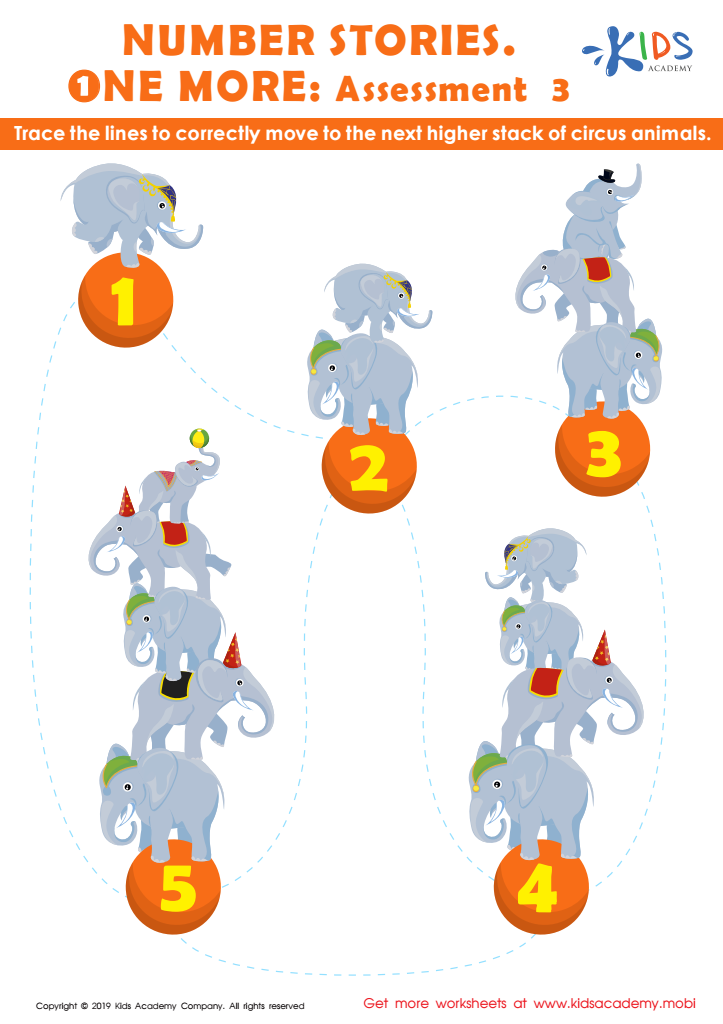
Number Stories One More: Assessment 3 Worksheet
 Assign to My Students
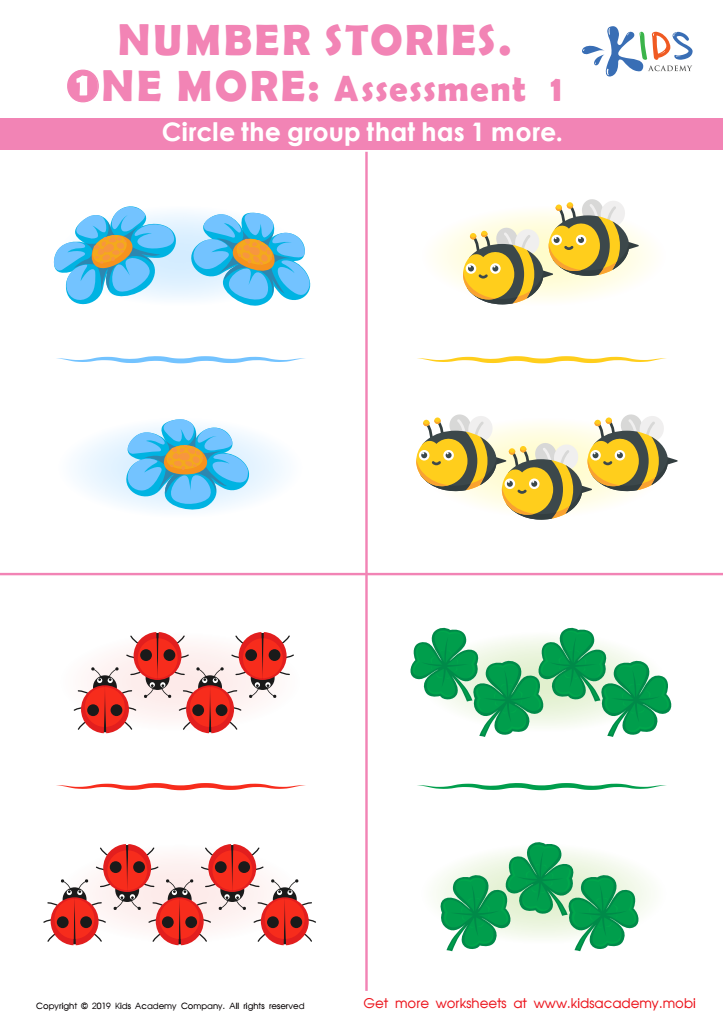
Number Stories One More – Assessment 1 Worksheet
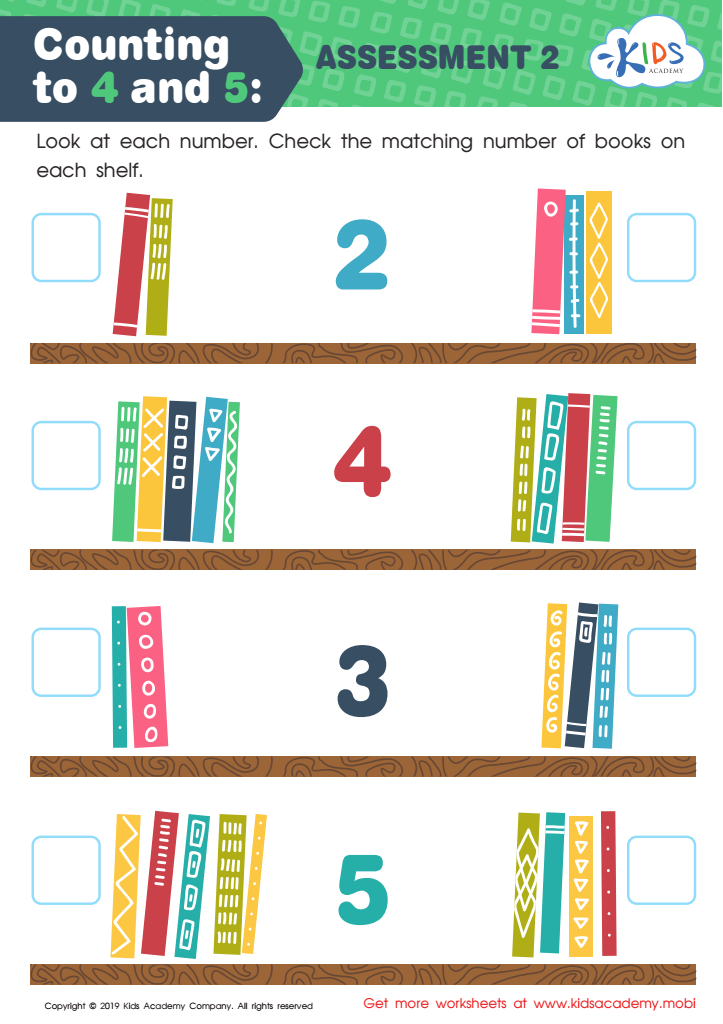
Counting to 4 and 5: Assessment 2 Worksheet
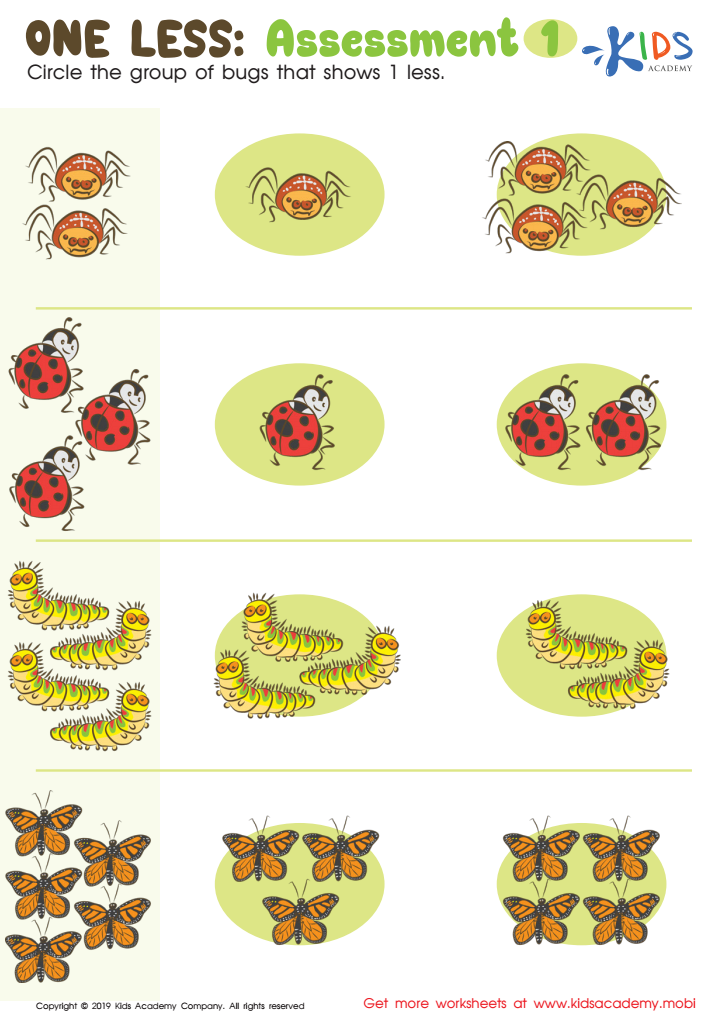
One Less: Assessment 1 Worksheet
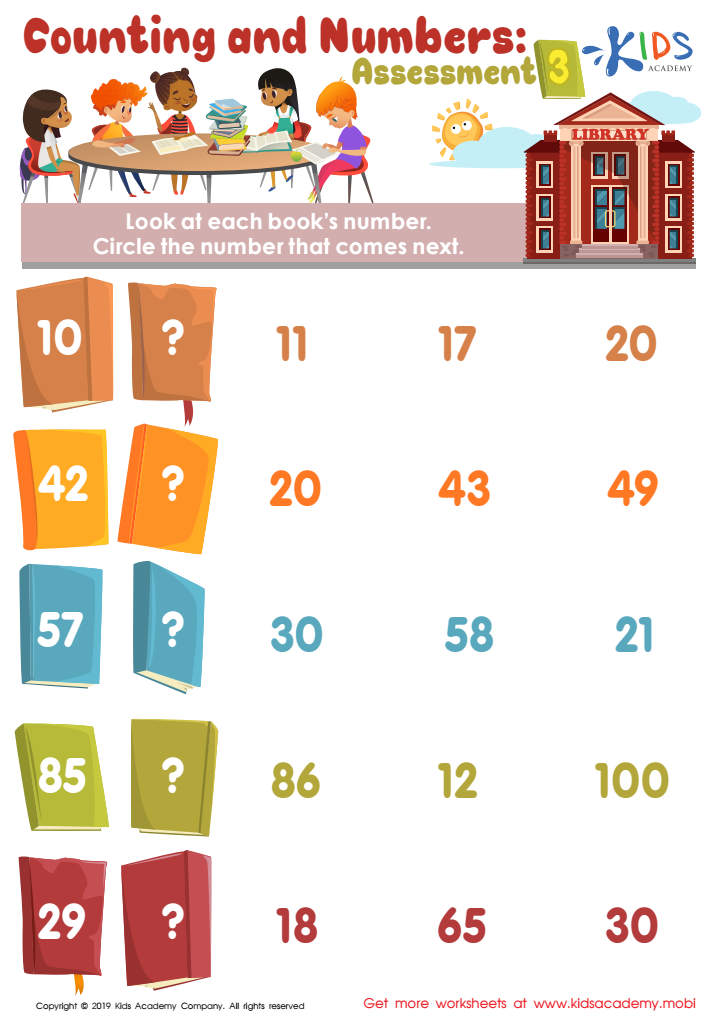
Counting and Numbers: Assessment Worksheet
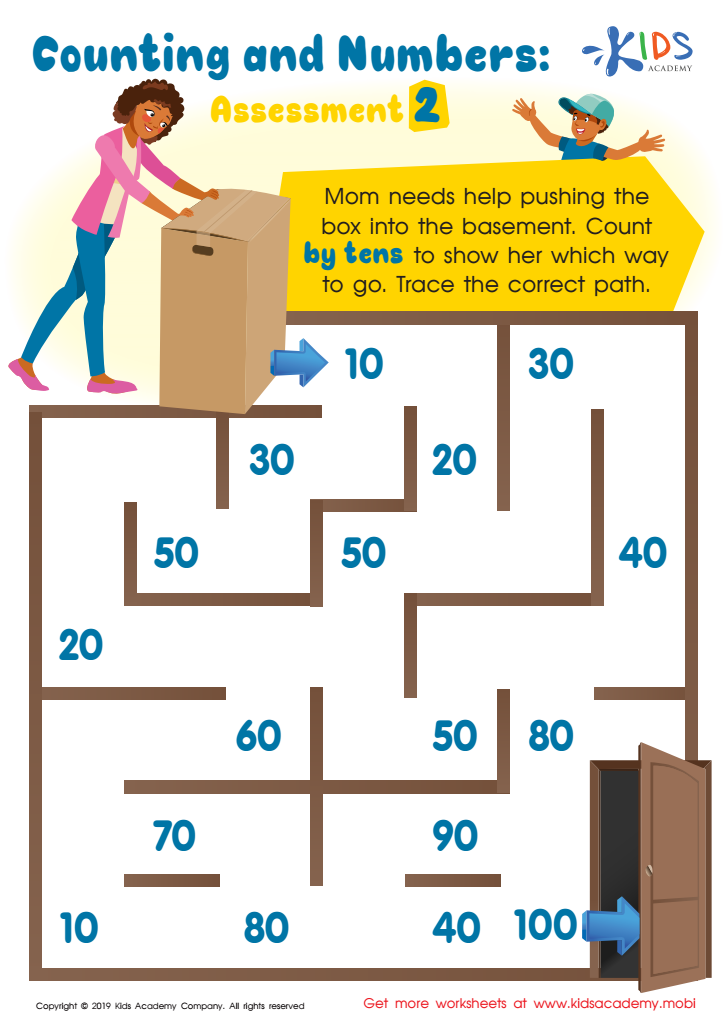
Counting and Numbers: Assessment 2 Worksheet
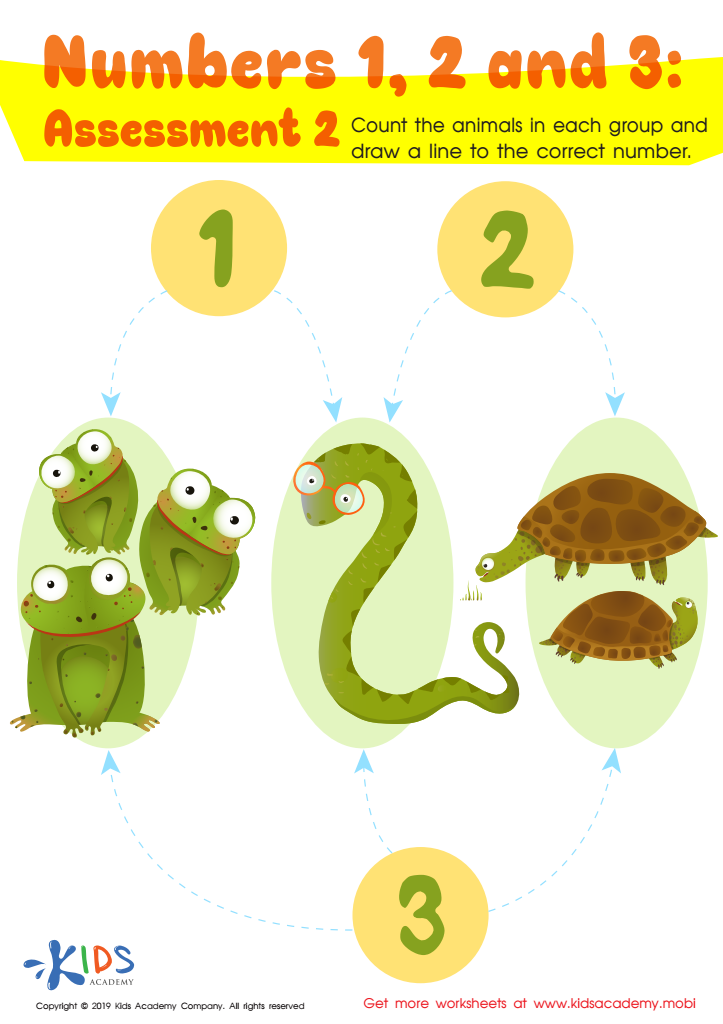
Numbers 1, 2 and 3: Assessment 2 Worksheet
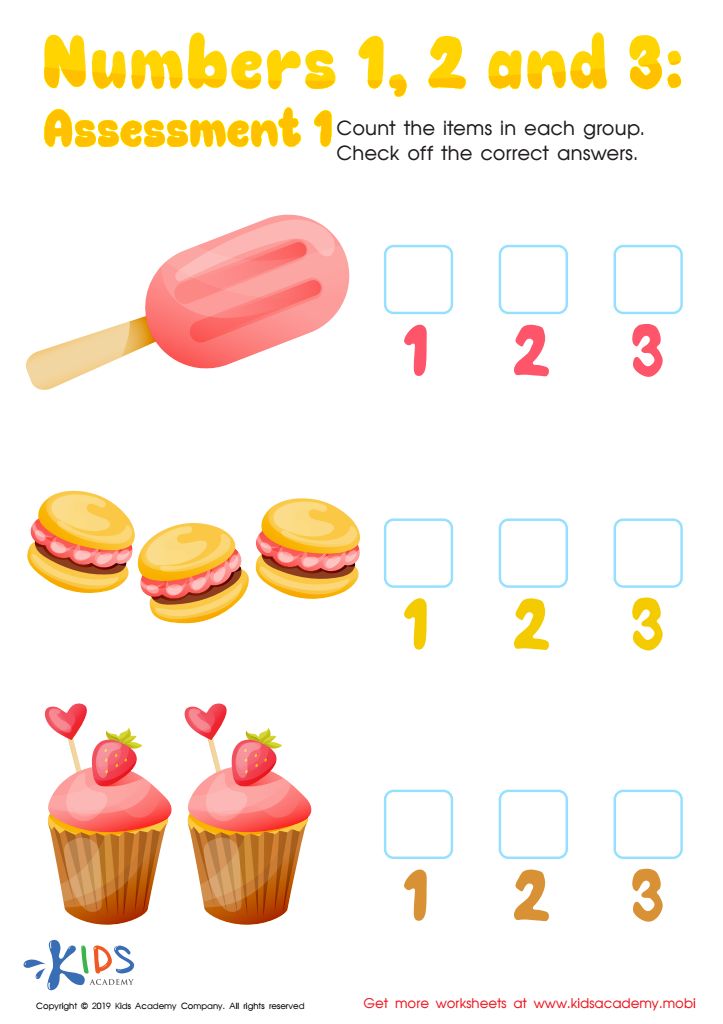
Numbers 1, 2 and 3: Assessment 1 Worksheet
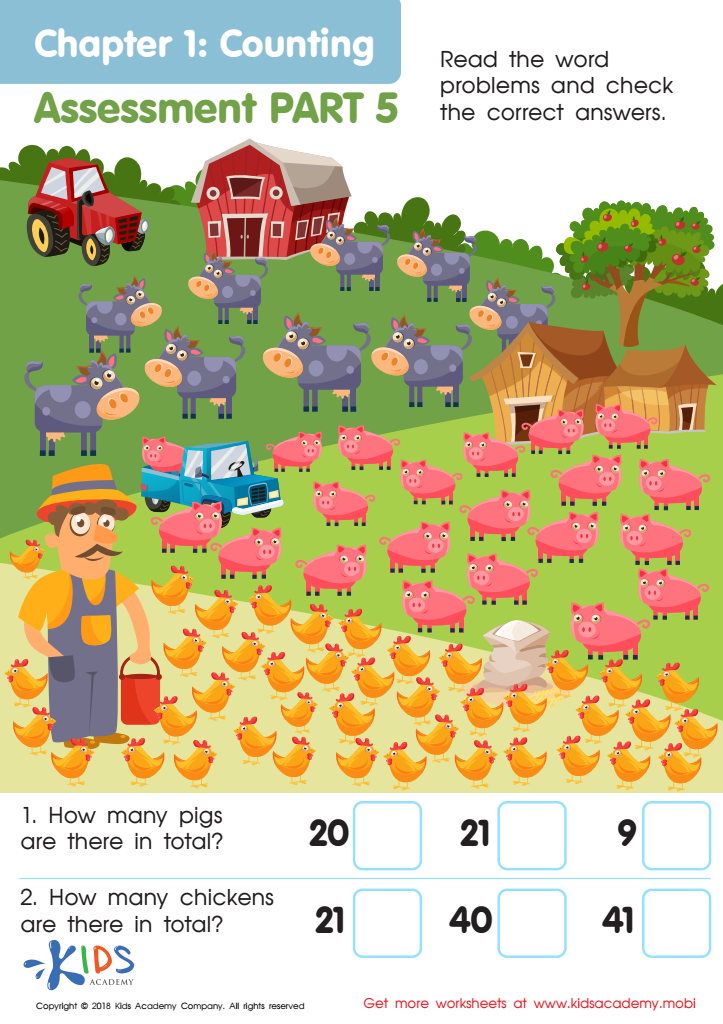
Counting: Assessment 5 Worksheet
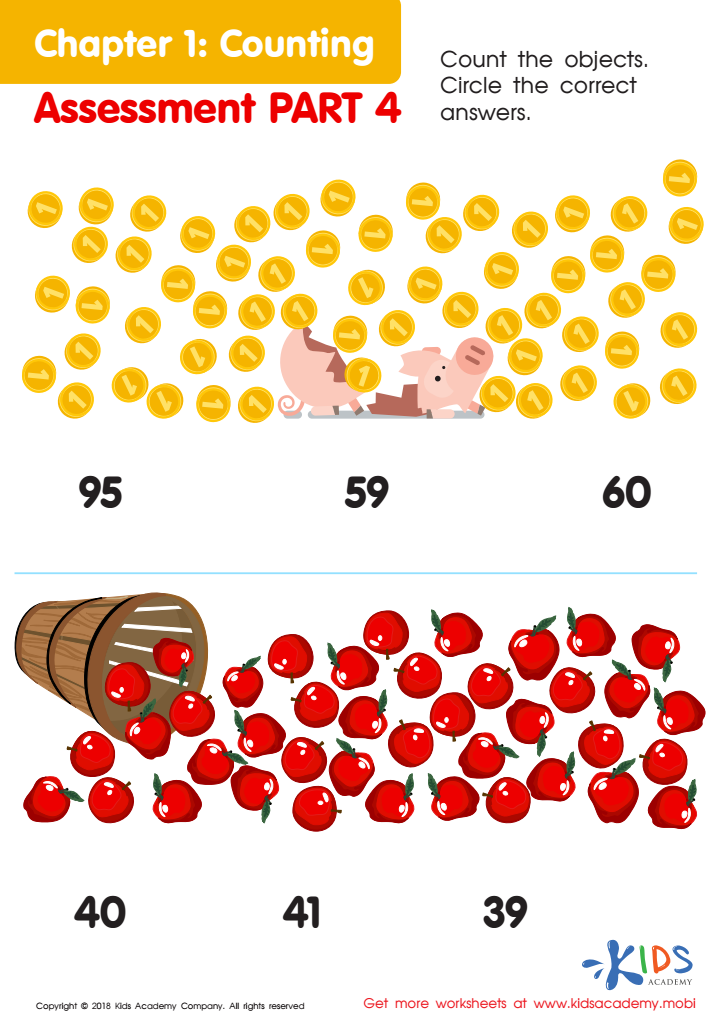
Counting: Assessment 4 Worksheet
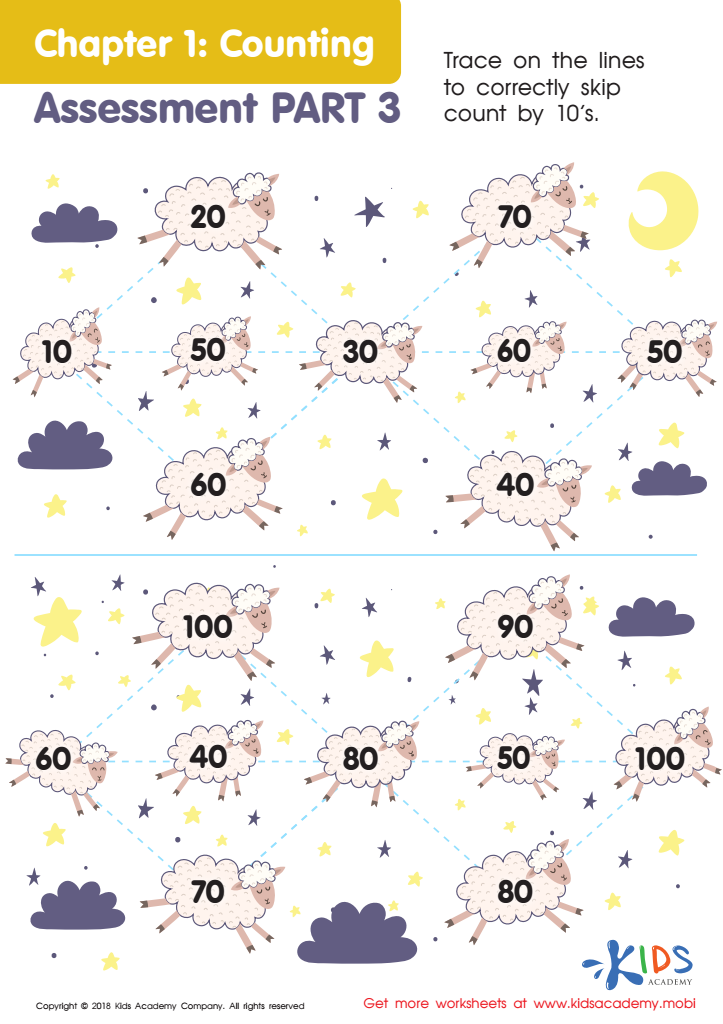
Counting: Assessment 3 Worksheet


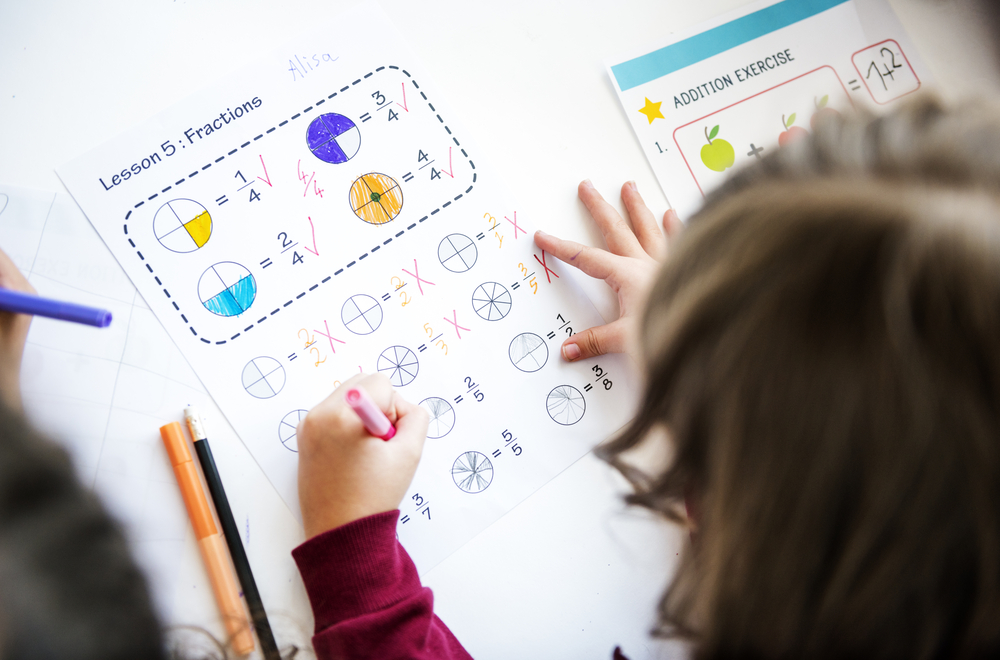




Numbers worksheets activities play a crucial role in the foundational education of children, offering a structured and interactive approach to learning that is both engaging and educational. These activities serve as an excellent tool for teaching basic and advanced numerical concepts, from simple counting to more complex mathematical operations. Here’s why numbers worksheets activities are beneficial in the learning process.
Firstly, numbers worksheets activities are designed to cater to different learning styles. Whether a child is a visual, auditory, or kinesthetic learner, worksheets offer a tangible and visual representation of mathematical concepts, making it easier for them to grasp abstract ideas. The hands-on experience facilitates better retention of information and encourages active participation in the learning process.
Secondly, these activities help in building a strong foundation in mathematics. By systematically working through numbers worksheets, children can develop a solid understanding of number sense, including counting, number recognition, and the relationship between numbers. This foundation is essential for tackling more complex mathematical operations and concepts in the future.
Furthermore, numbers worksheets activities promote critical thinking and problem-solving skills. As children encounter different types of problems, they learn to apply logical reasoning and develop strategies to find solutions. This not only enhances their mathematical skills but also fosters a mindset of perseverance and determination.
Another significant advantage of numbers worksheets activities is the ability to track and assess progress. Teachers and parents can easily monitor the child’s understanding of the material, identify areas of difficulty, and provide targeted support to address specific challenges. This personalized feedback is crucial for continuous improvement and confidence-building.
In conclusion, numbers worksheets activities are an invaluable resource in the educational journey of young learners. Through engaging, interactive, and structured exercises, these activities not only make learning fun but also ensure a deep and lasting understanding of fundamental mathematical concepts.








