Tracing worksheets activities for Ages 3-6 - Page 4
157 filtered results
-
From - To
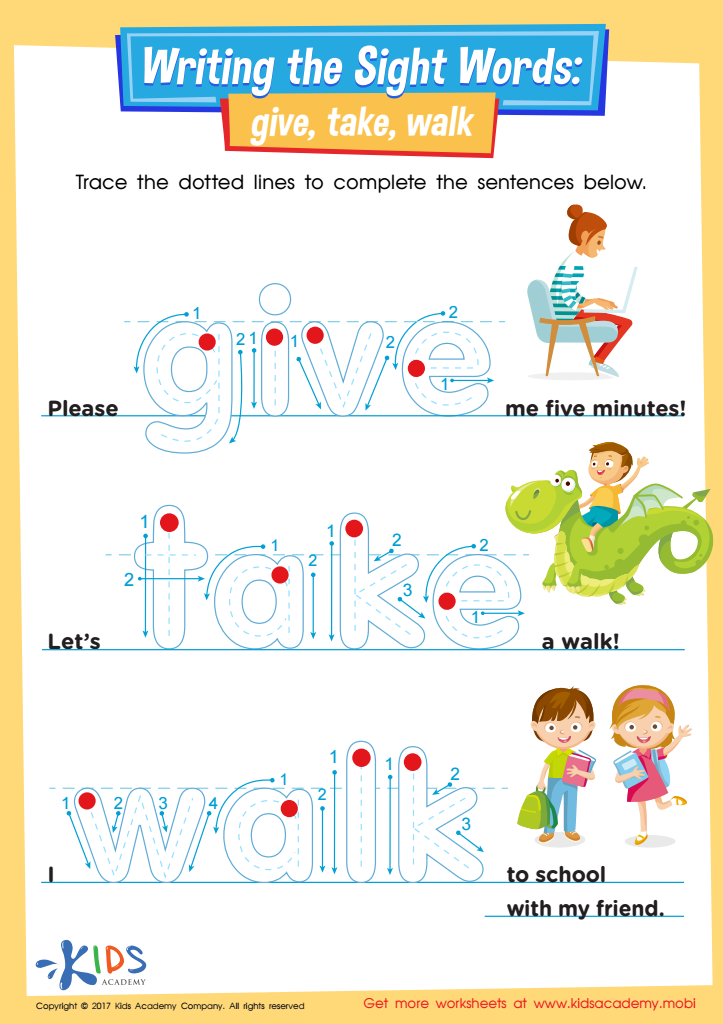
Give, Take, Walk Printable Sight Words Worksheet
 Assign to My Students
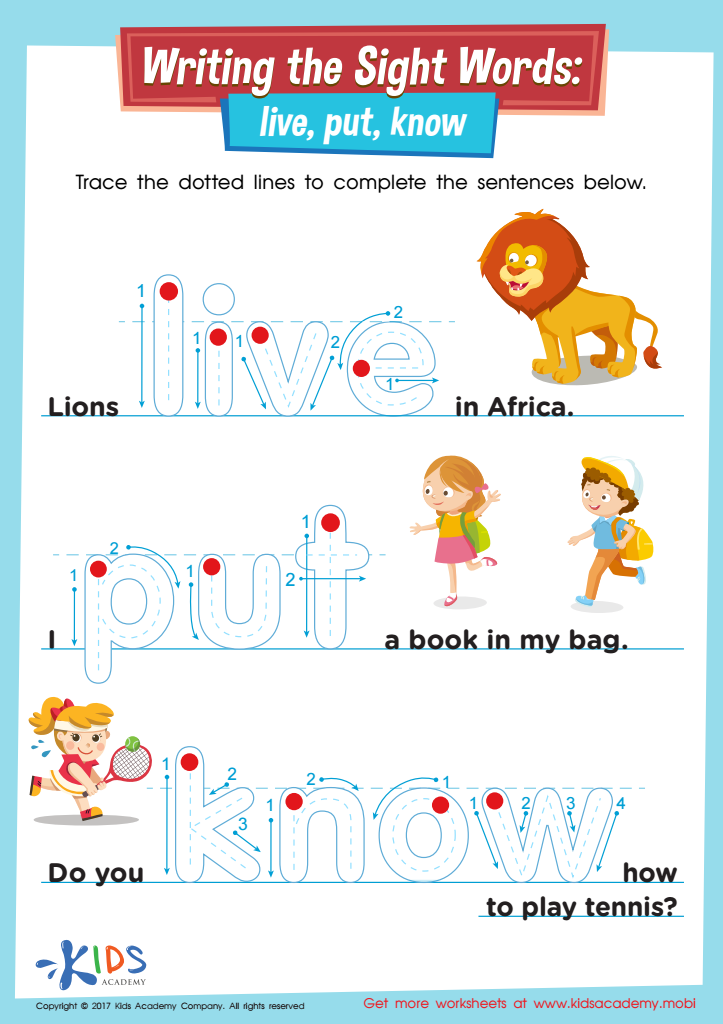
Live, Put, Know Printable Sight Words Worksheet
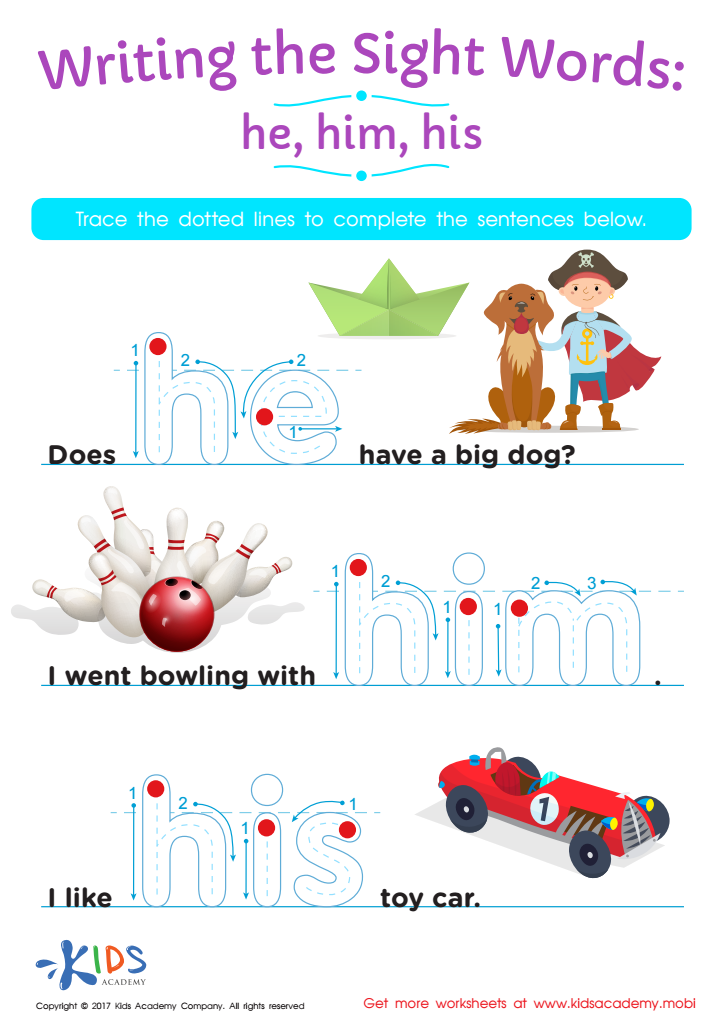
He, Him, His Printable Sight Words Worksheet
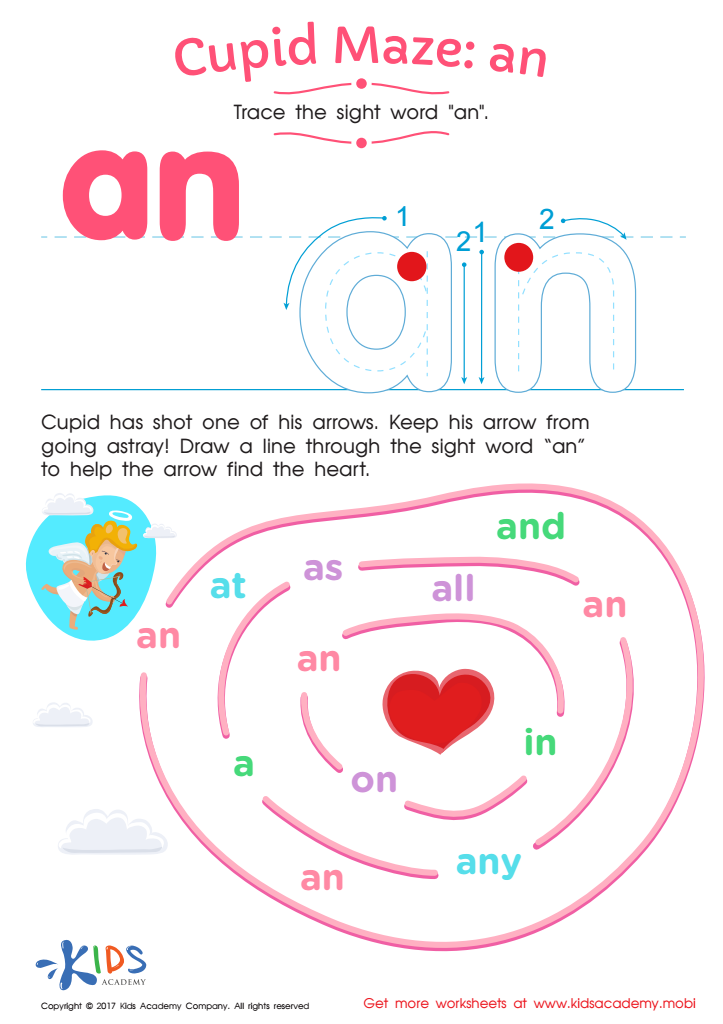
Cupid Maze: An Printable
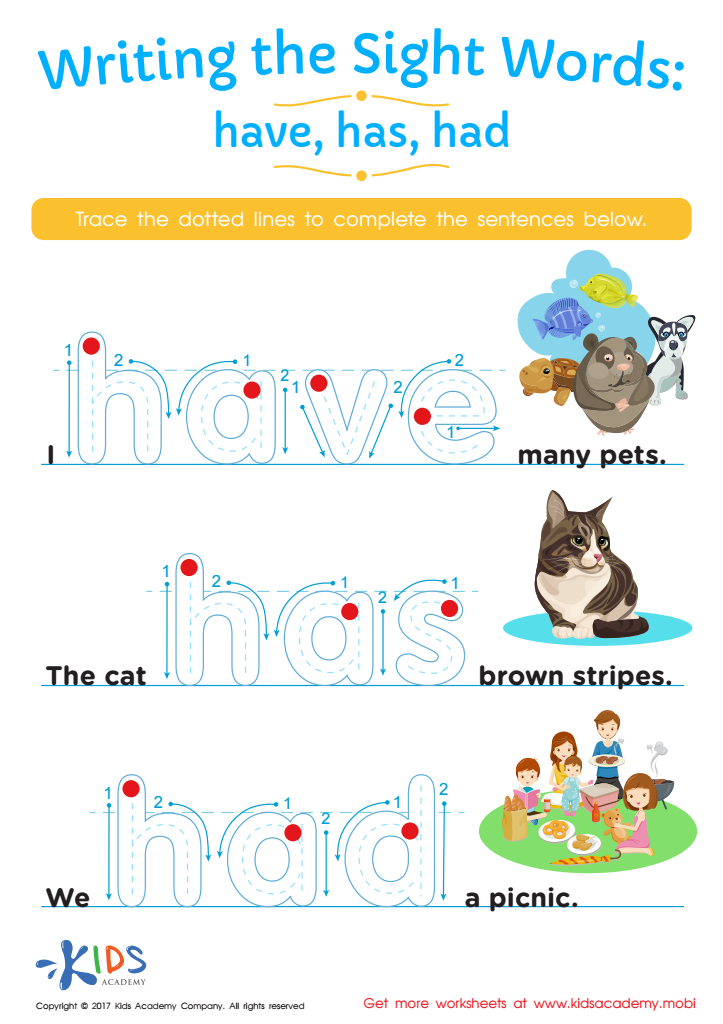
Have, Has, Had Worksheet Sight Words Worksheet
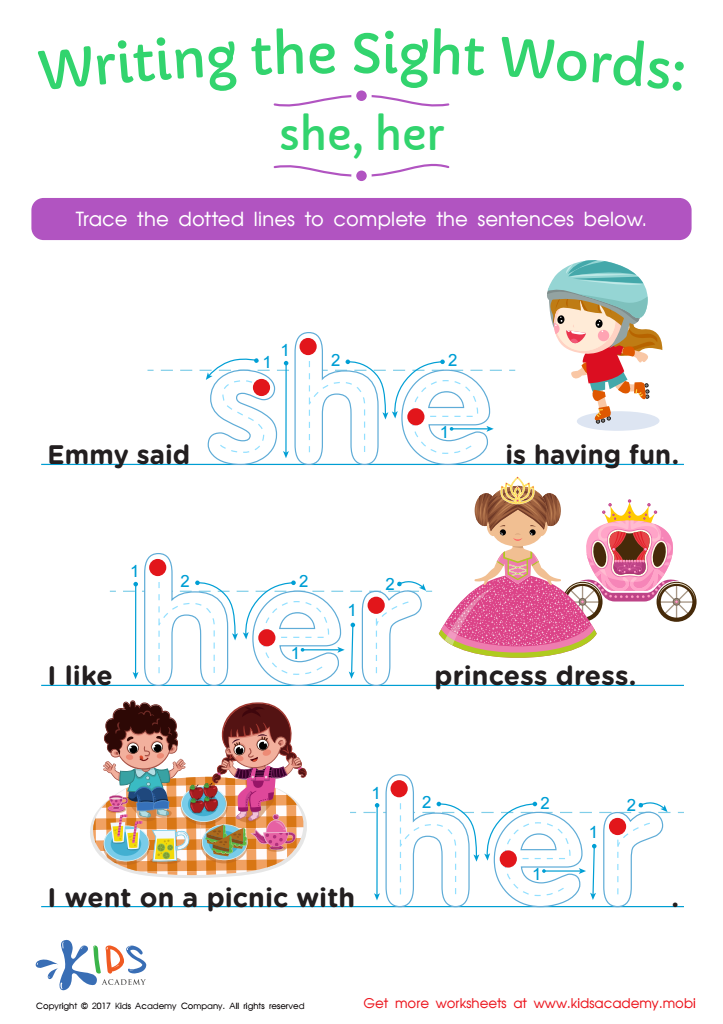
She, Her Printable Sight Words Worksheet
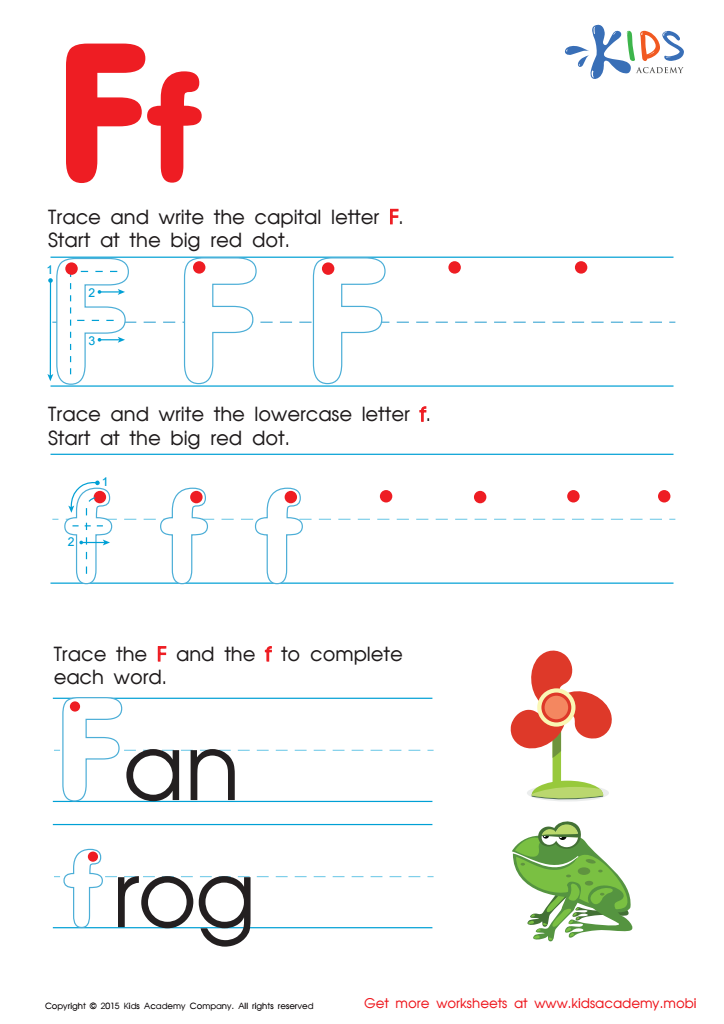
Letter F Tracing Page
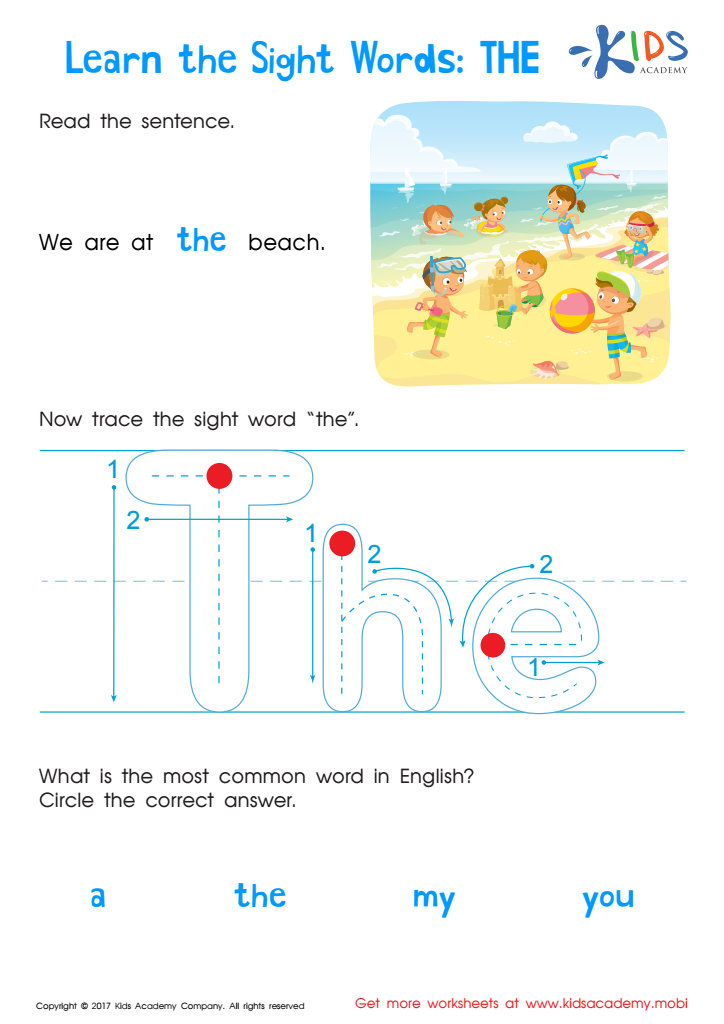
Sight Words: The Worksheet
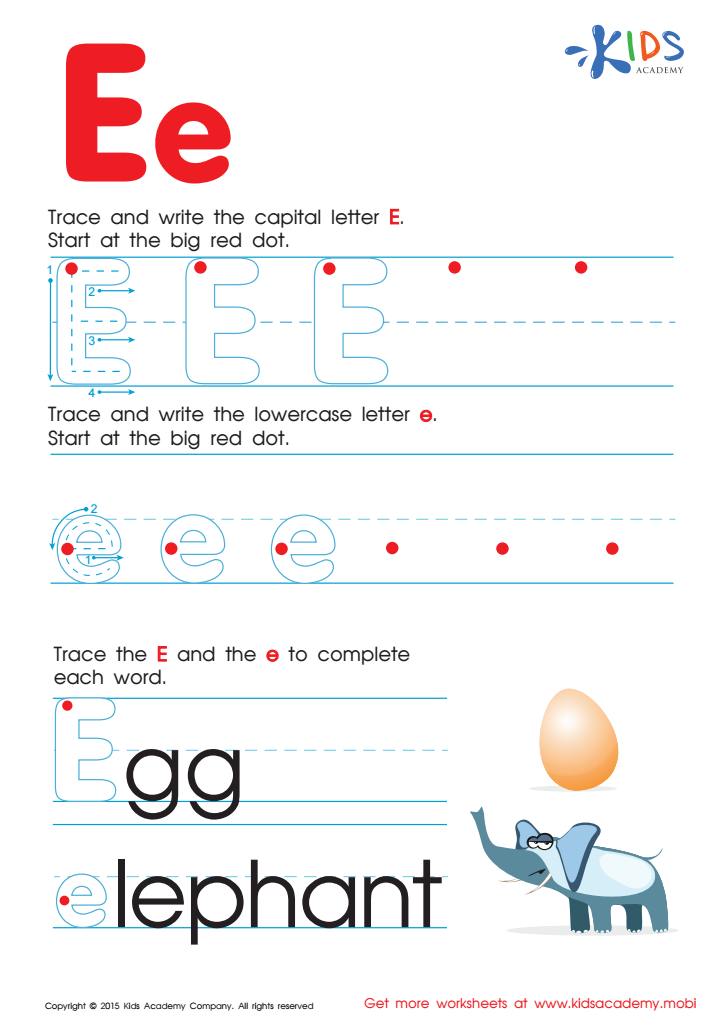
Letter E Tracing Page

Letter D Tracing Page
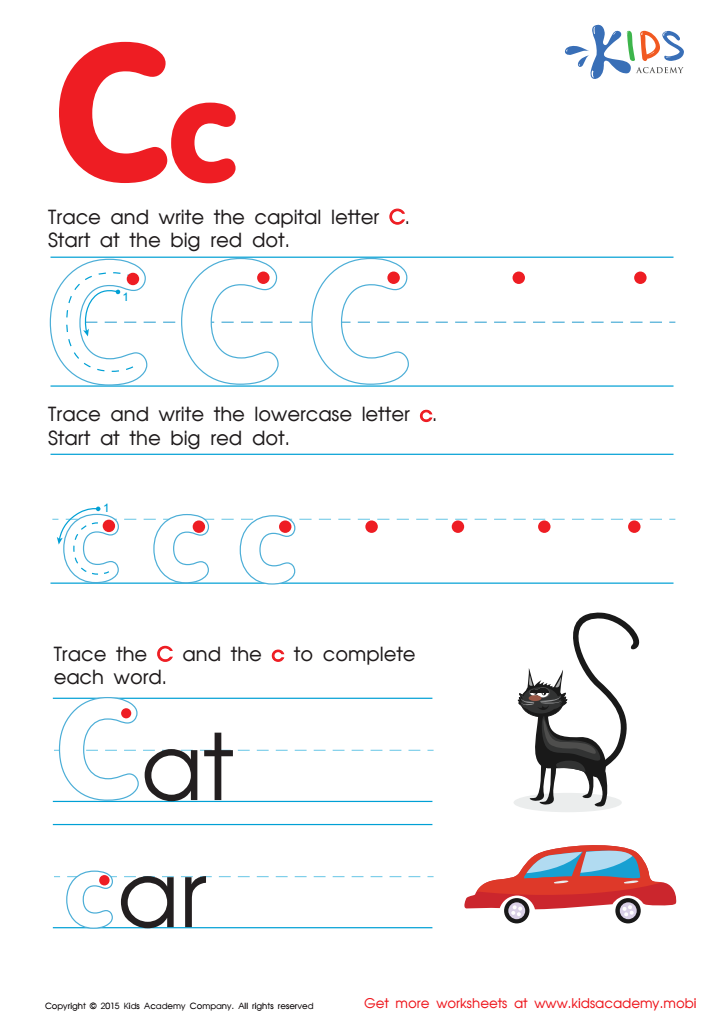
Letter C Tracing Page
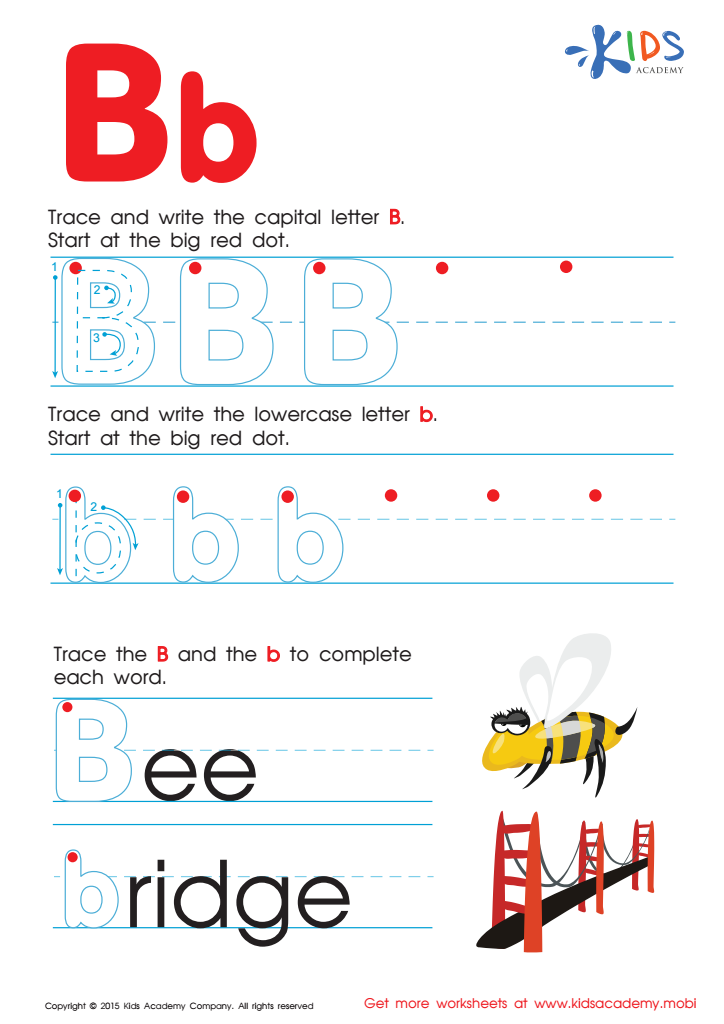
Letter B Tracing Page

Letter A Tracing Page

Letter G Tracing Page

Letter H Tracing Page
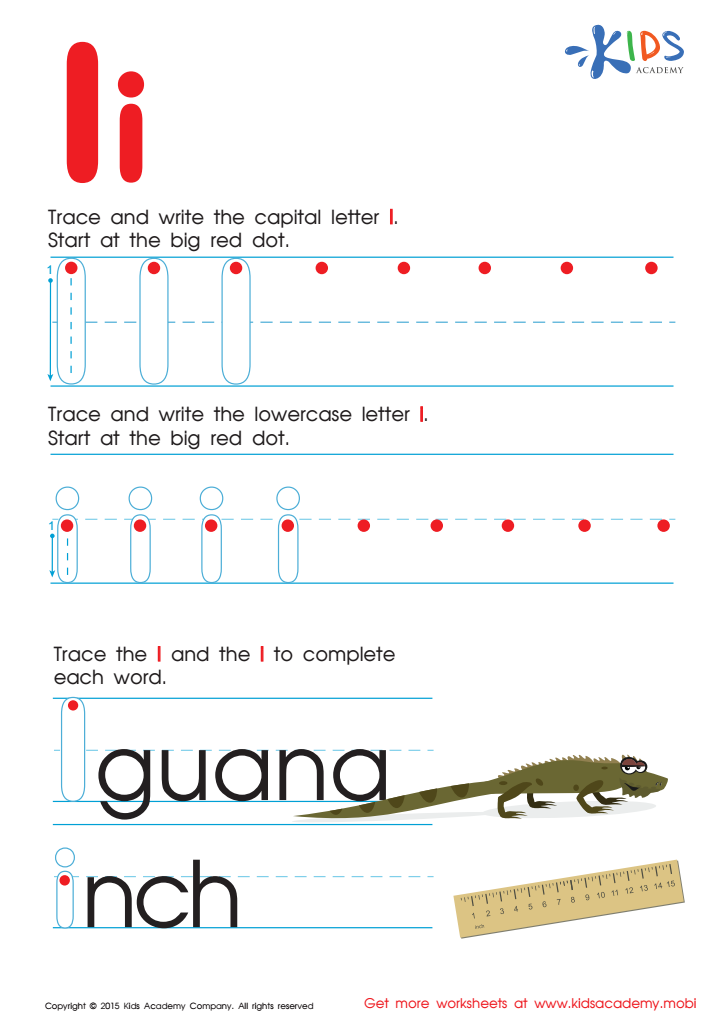
Letter I Tracing Page
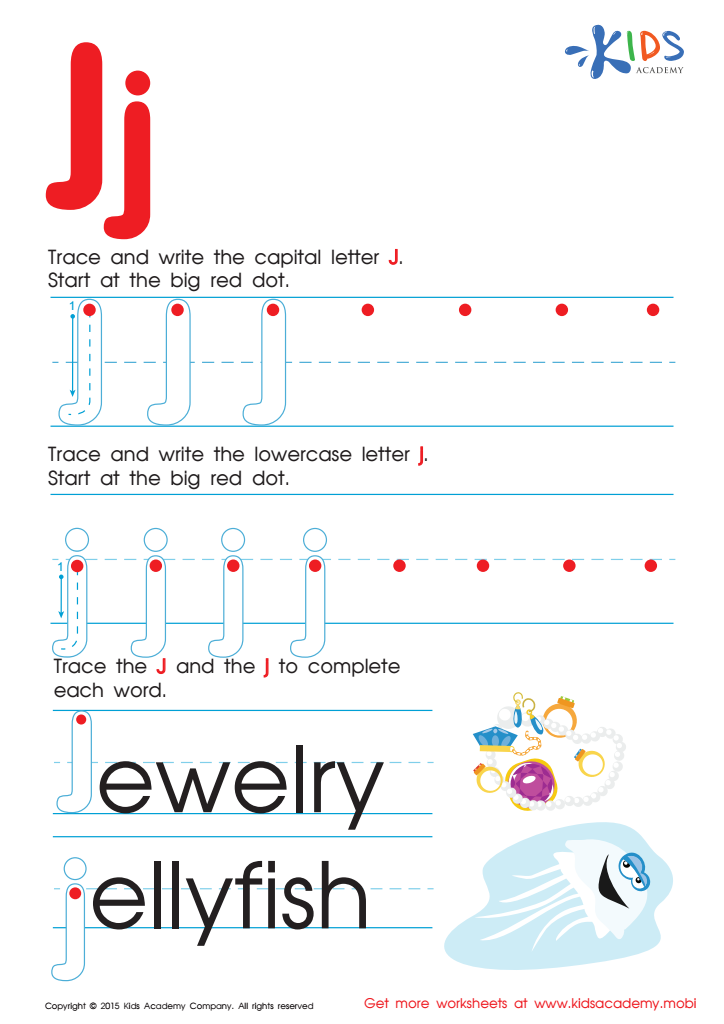
Letter J Tracing Page
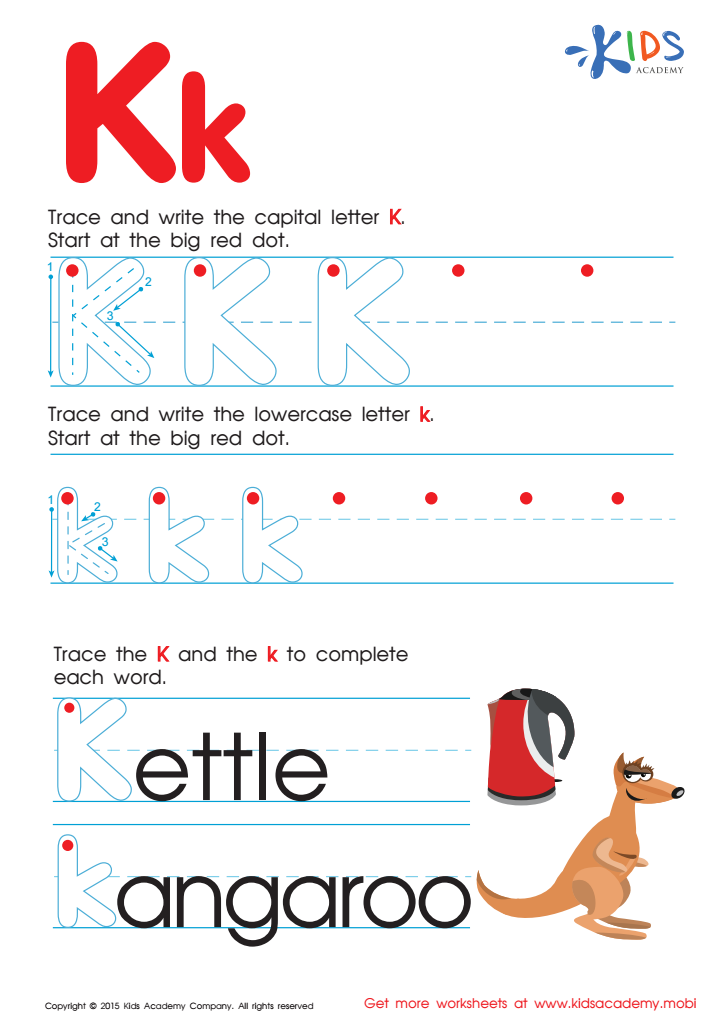
Letter K Tracing Page
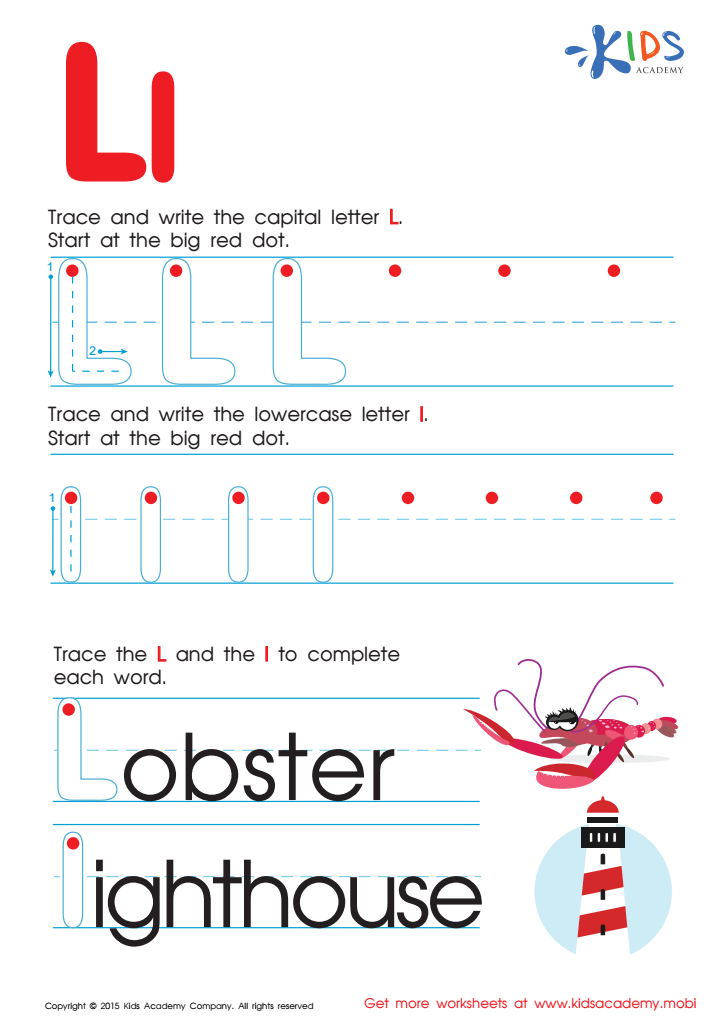
Letter L Tracing Page
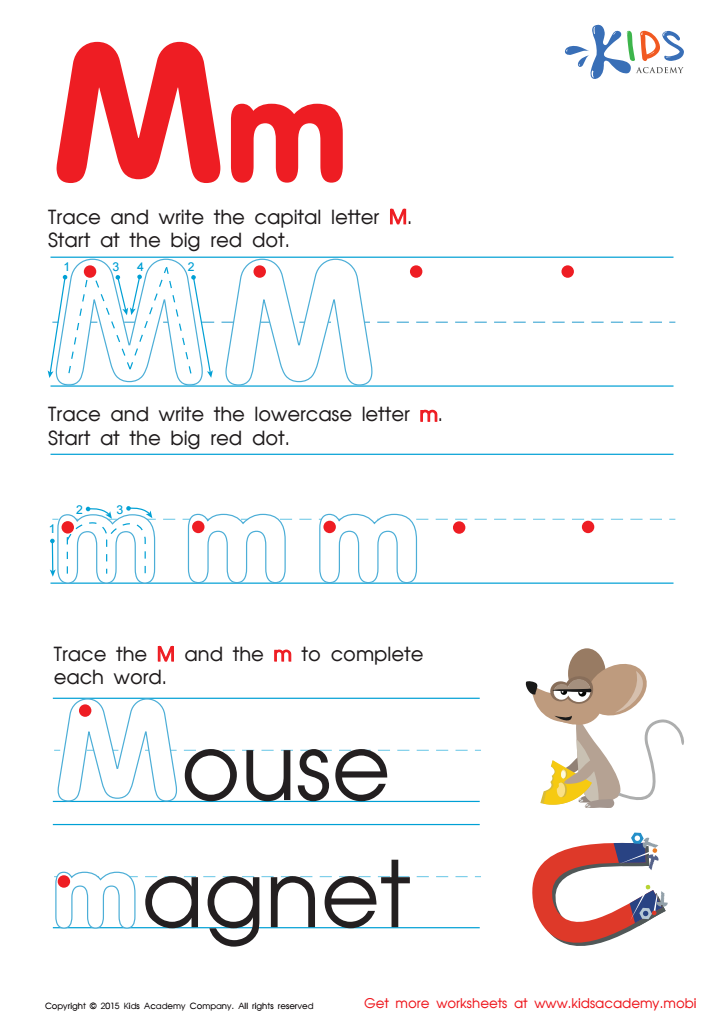
Letter M Tracing Page
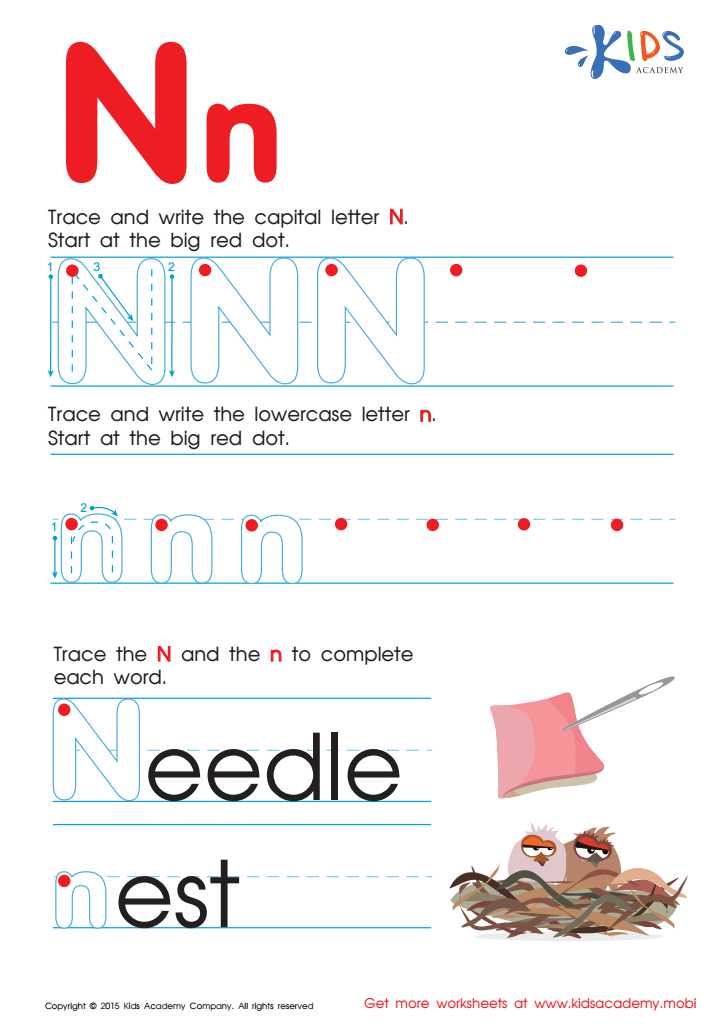
Letter N Tracing Page
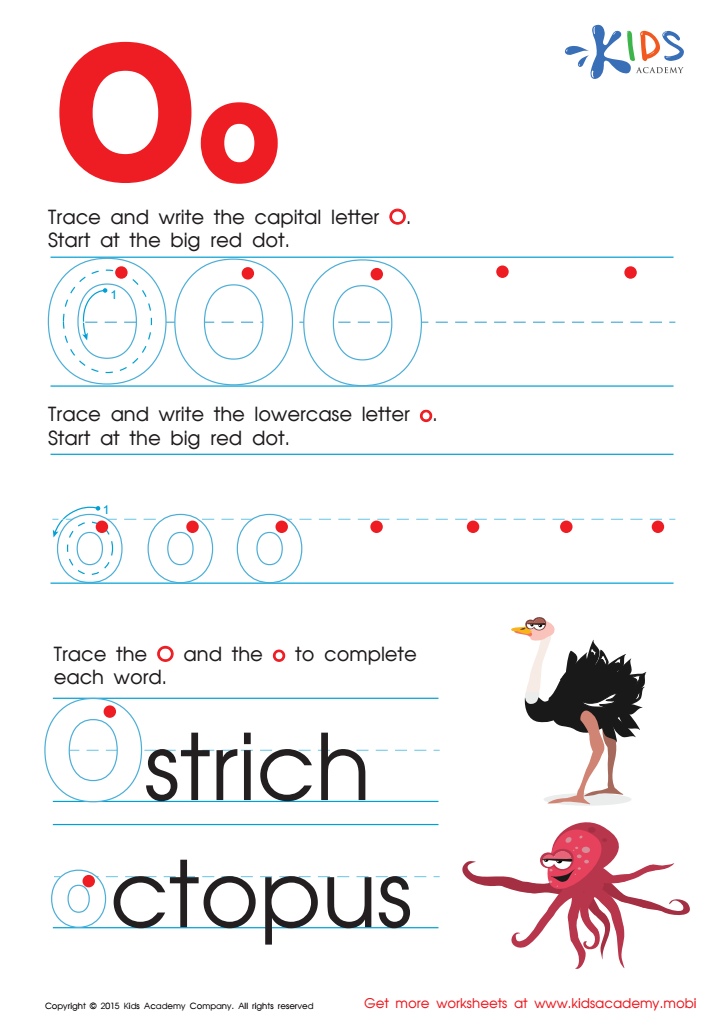
Letter O Tracing Page

Letter P Tracing Page
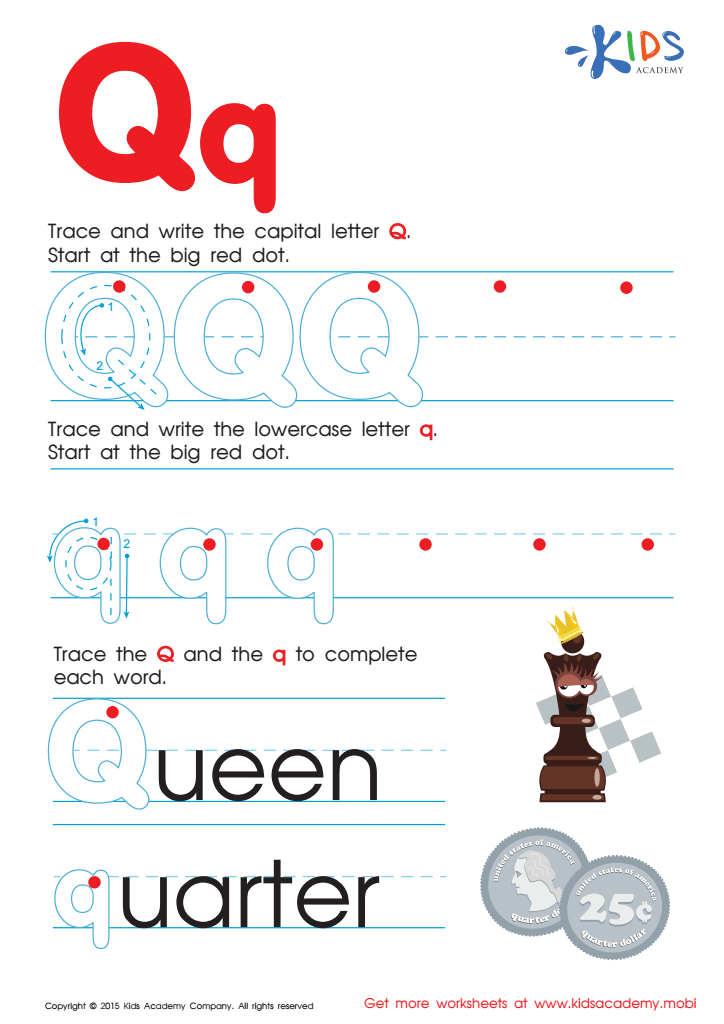
Letter Q Tracing Page



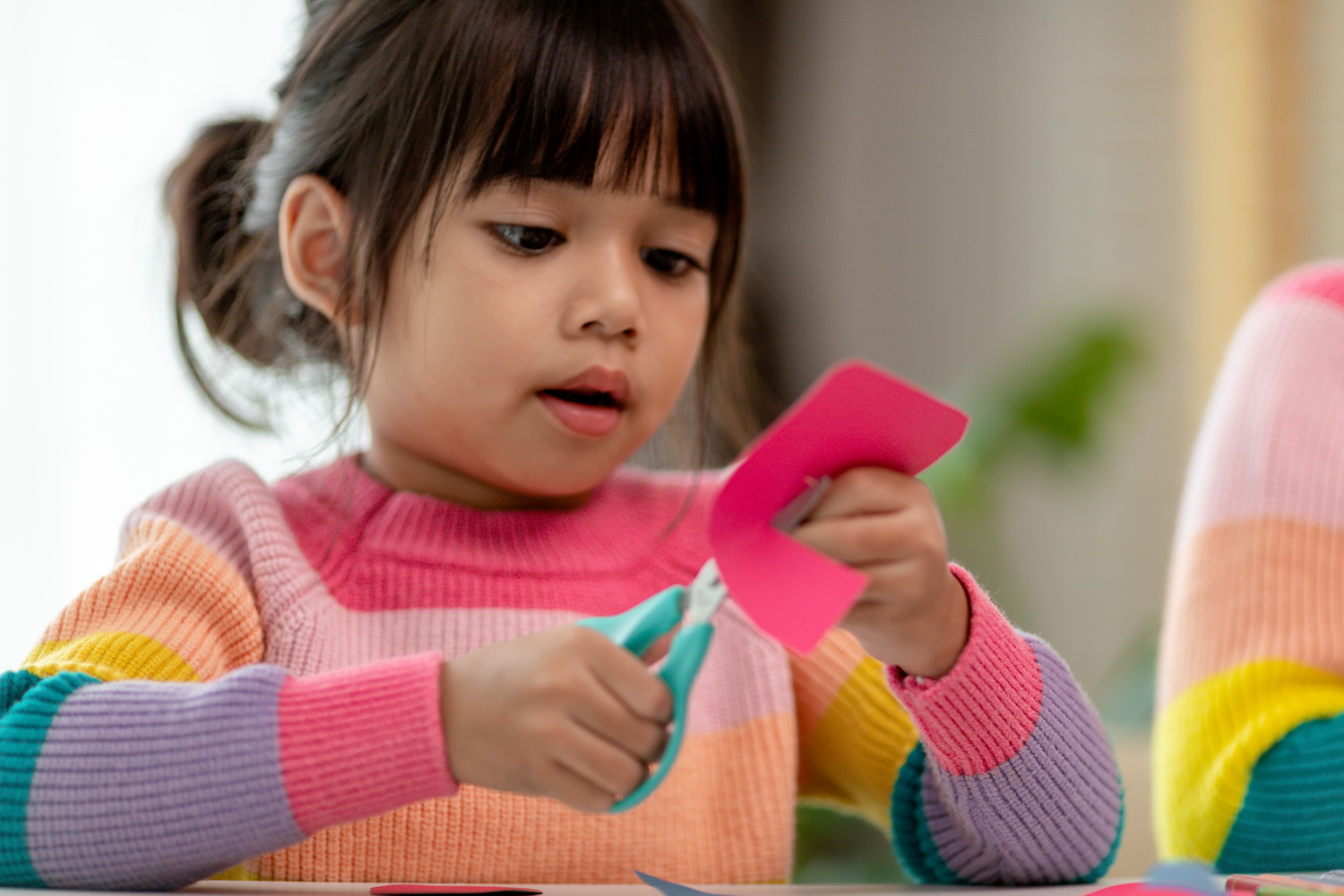




Tracing activities are crucial for children aged 3-6 as they play a significant role in their cognitive and motor skill development. For parents and teachers, these activities are vital in fostering fine motor skills, which are foundational for tasks such as writing, drawing, and even self-care.
Engaging in tracing helps young children develop hand-eye coordination and grip strength. As they trace shapes, letters, or numbers, they learn about spatial awareness and how to control their hand movements, essential skills for future academic success. Additionally, tracing activities promote visual discrimination, allowing children to differentiate between various forms and enhancing their ability to recognize letters and numbers.
Furthermore, tracing can bolster literacy and numeracy skills. When kids trace letters, they begin to understand their shapes and strokes, laying the groundwork for reading and writing. Similarly, tracing numbers helps them familiarize themselves with numerical concepts.
Moreover, tracing activities can be customized to align with a child's interests, making learning enjoyable and personalized. Given these benefits, it's clear that parents and teachers should prioritize tracing activities in early childhood education to support holistic development and prepare children for their educational journey.








