Matching worksheets activities for Ages 4-8 - Page 4
82 filtered results
-
From - To
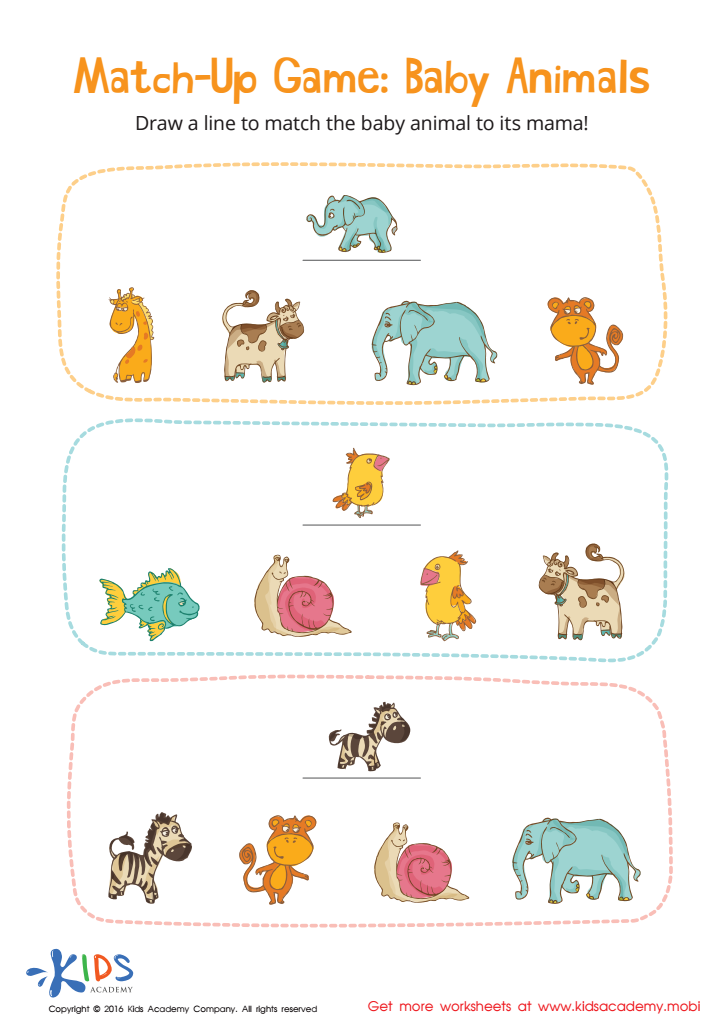
Baby Animals Match-Up Worksheet
 Assign to My Students
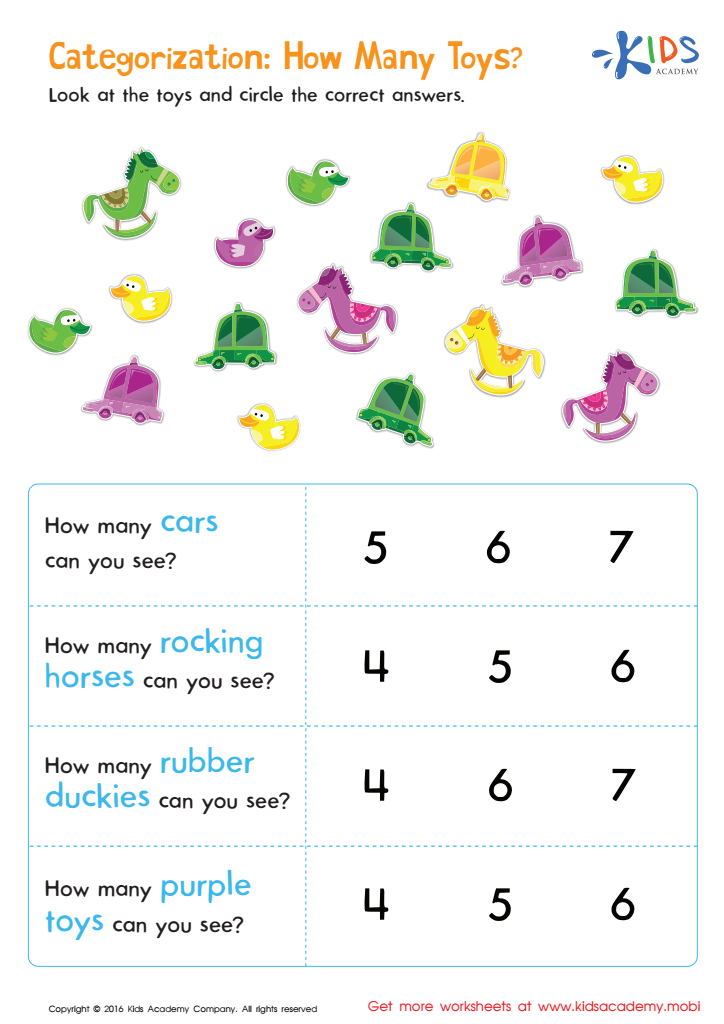
Classifying Toys by Type and Color Sorting Worksheet
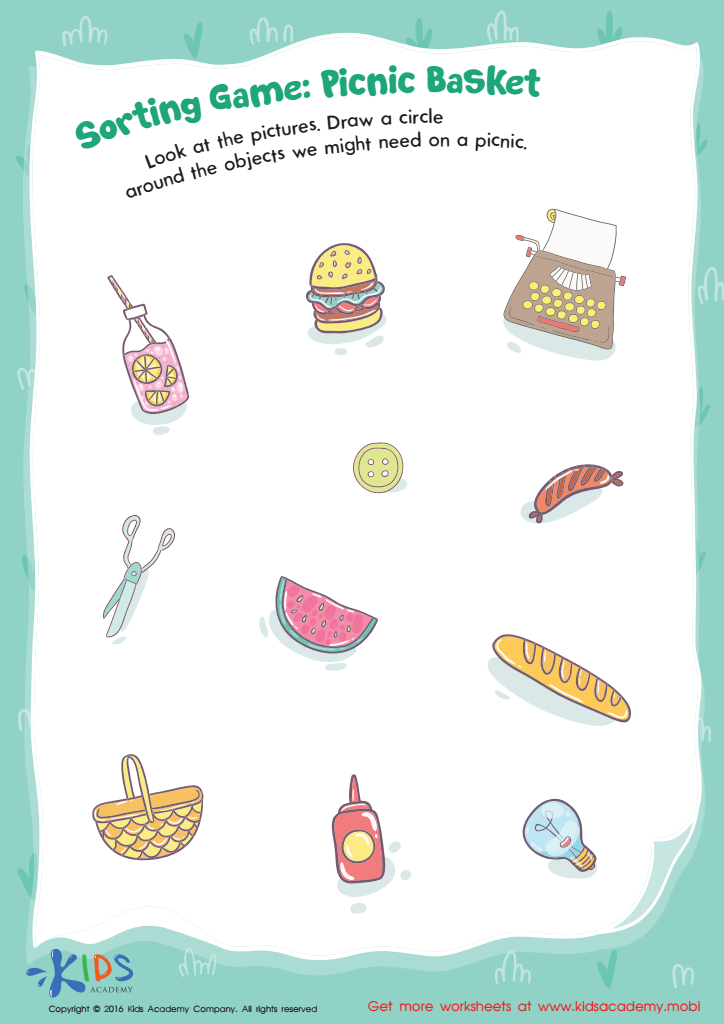
Picnic Basket Sorting Worksheet
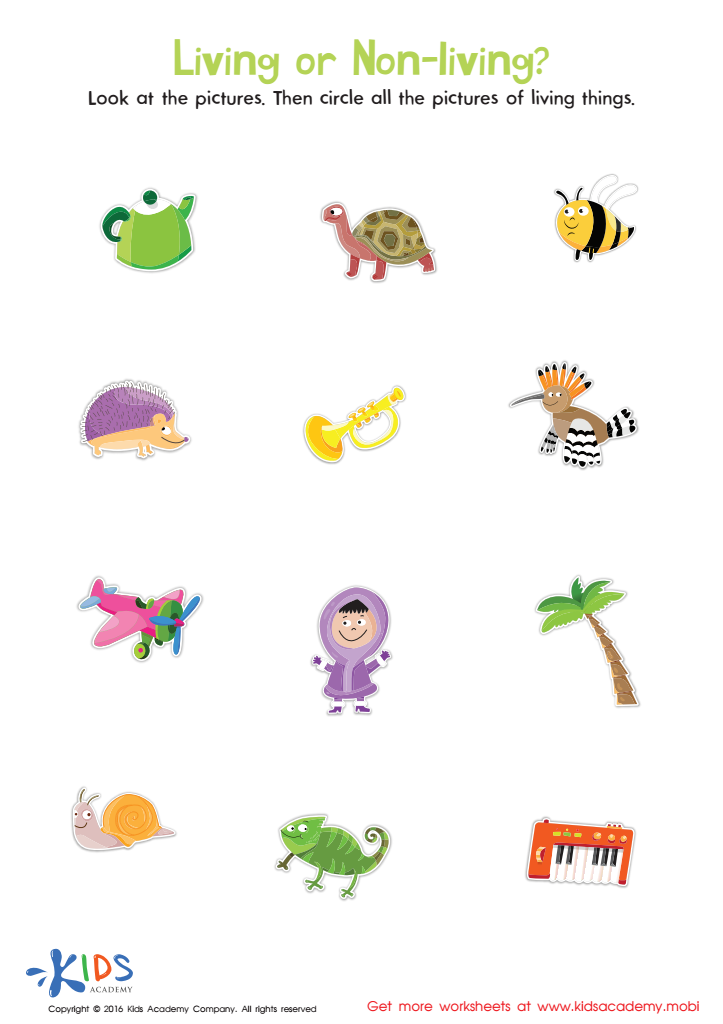
Identifying Living and Non–living Things Sorting Worksheet
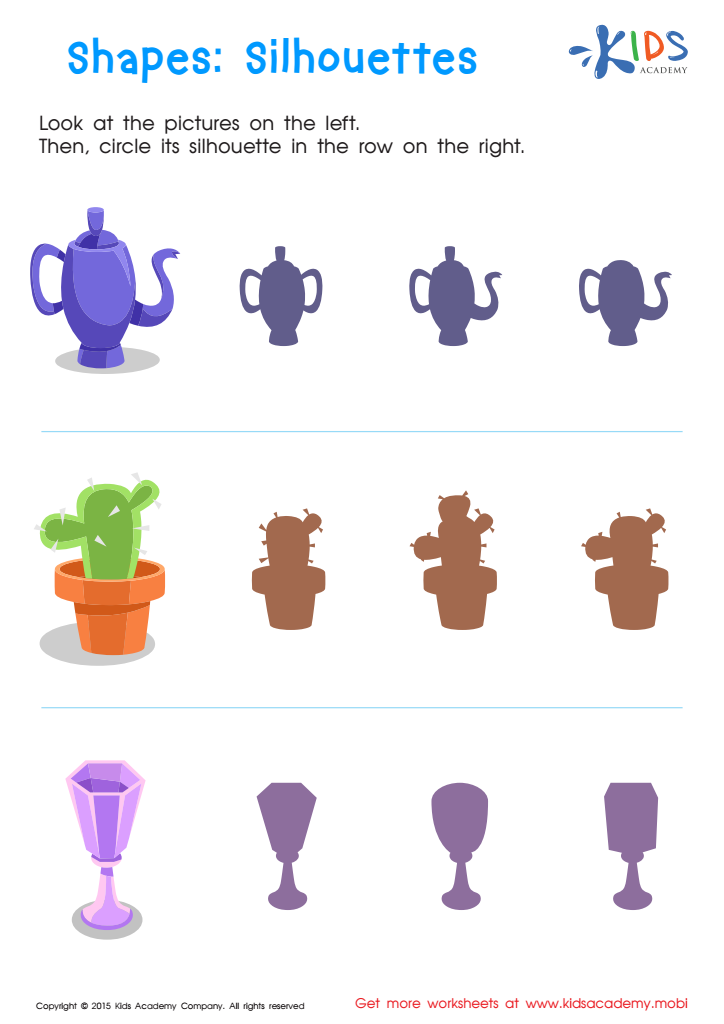
Silhouettes – Shapes Worksheet
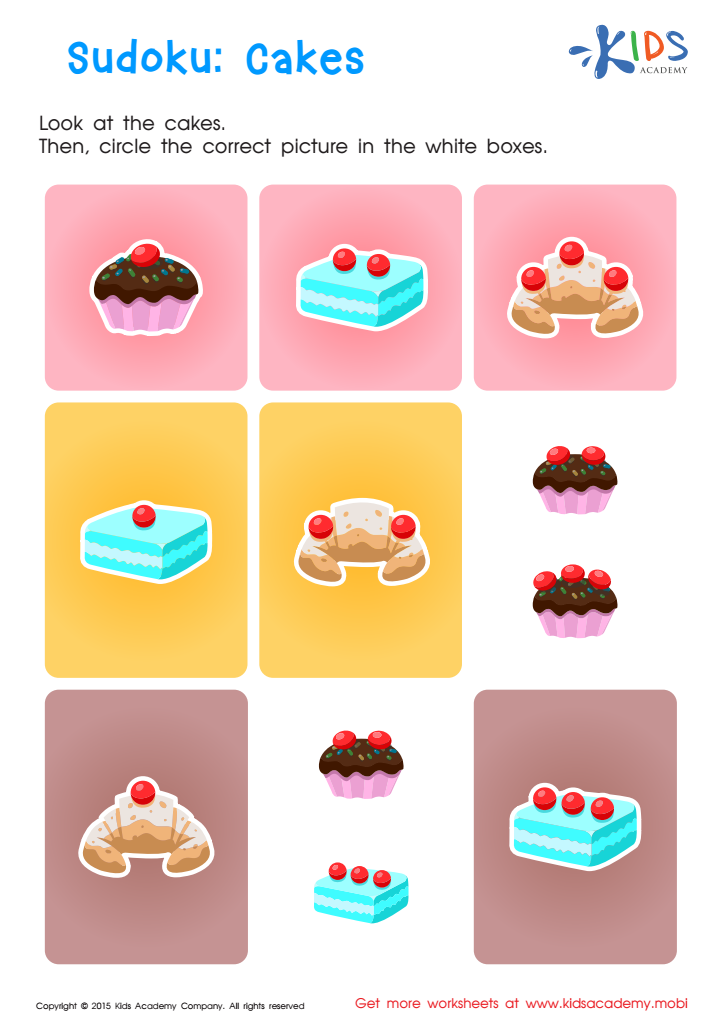
Sudoku Worksheet
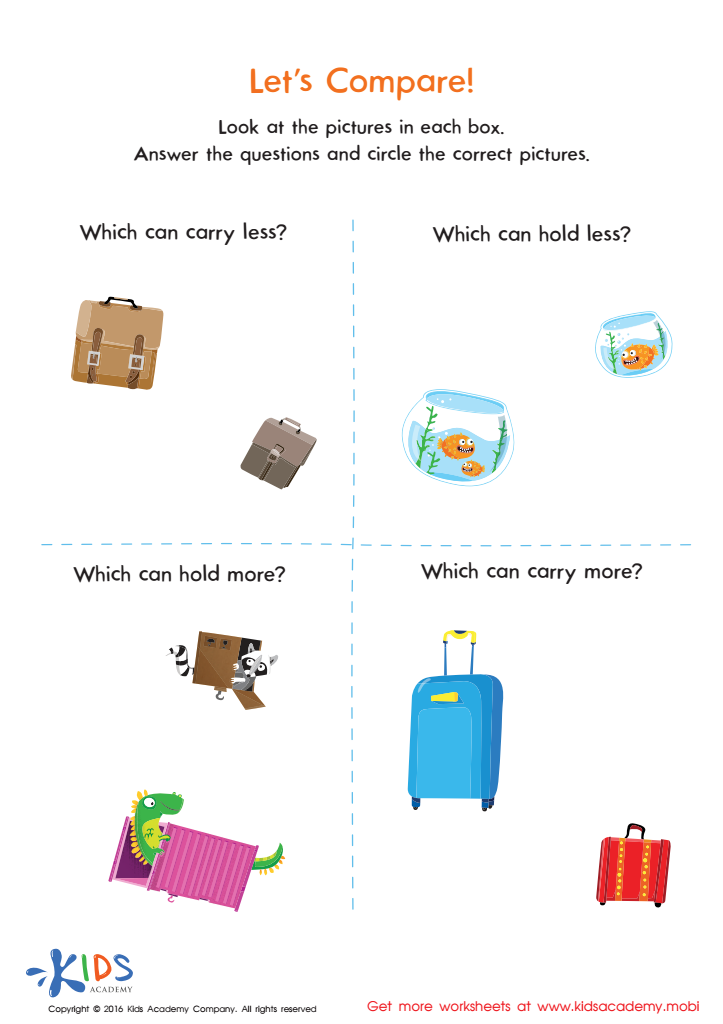
Let's Compare Worksheet: Big or Small
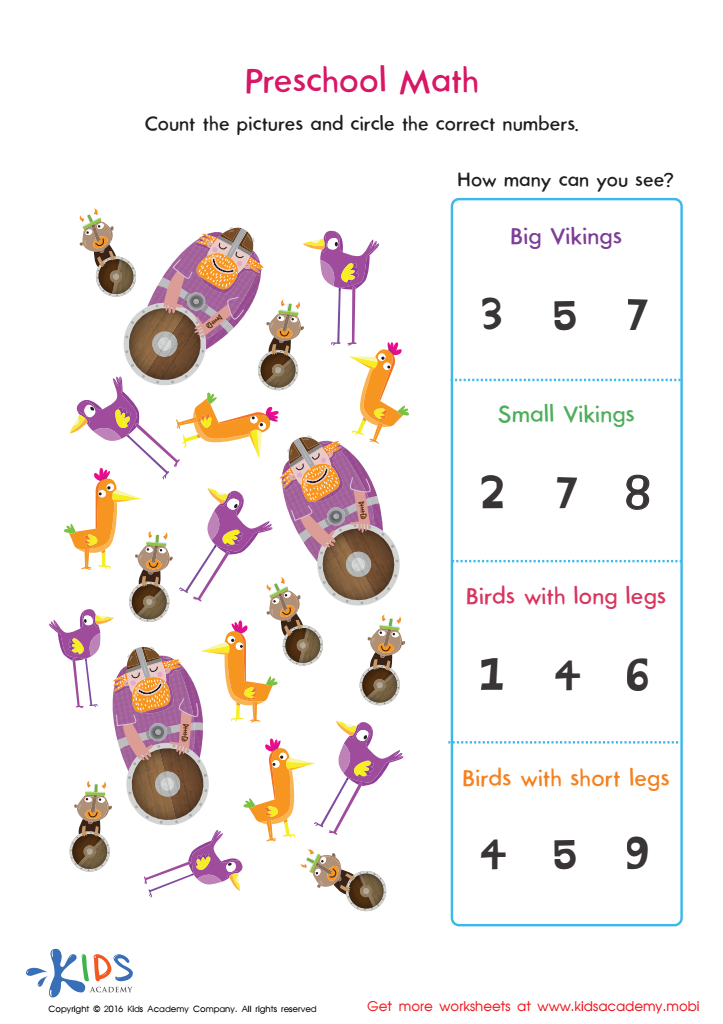
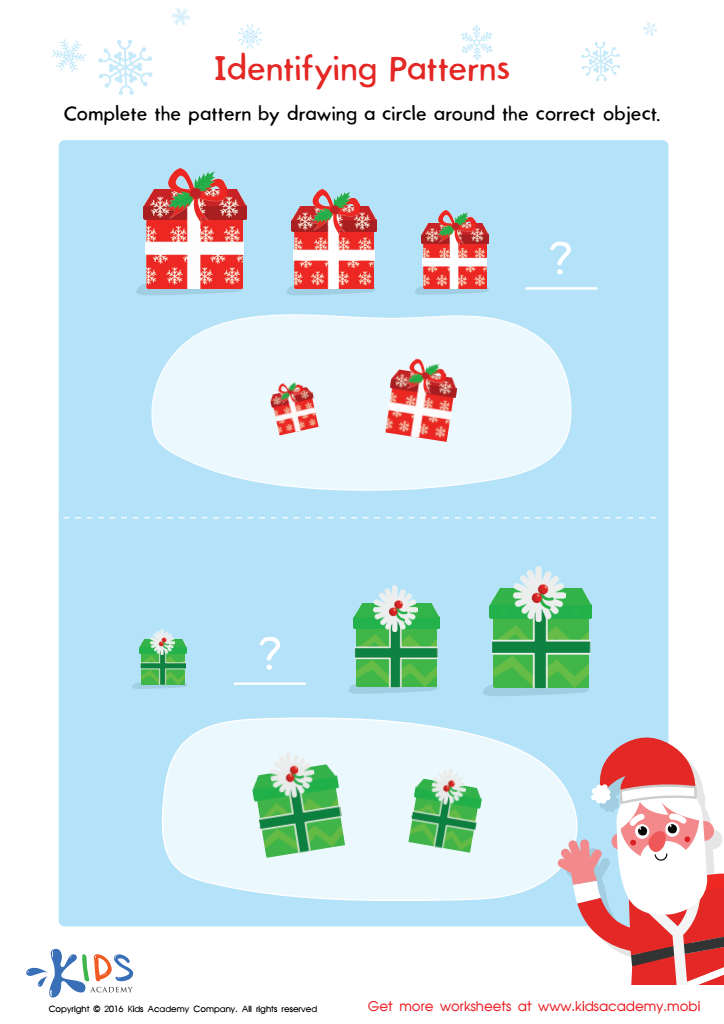
Identifying Patterns Worksheet


.jpg)





Matching activities are crucial for children aged 4-8 as they form the foundation of several essential cognitive and social skills. First, these activities enhance memory and concentration, teaching children how to recall information and maintain focus for extended periods. By identifying and pairing similar items, children develop critical thinking abilities and begin to recognize patterns, which are fundamental for problem-solving.
Moreover, matching games stimulate language development, as children learn new vocabulary and concepts while engaging in the activity. They also foster social skills, encouraging collaboration when children play together, learn sharing, and communicate effectively.
For parents and teachers, implementing matching activities can also provide valuable assessments of a child's learning progress. Observing how well a child matches items can reveal their understanding of relationships, categories, and classifications.
Furthermore, these activities can be tailored to various subjects, integrating math, science, literature, and more. By making learning enjoyable and interactive, matching activities can instill a love for learning in young children, providing a strong educational foundation for their future academic journey. Thus, prioritizing matching activities is essential for holistic child development in early education.








