Tracing worksheets activities for Ages 4-8 - Page 7
159 filtered results
-
From - To
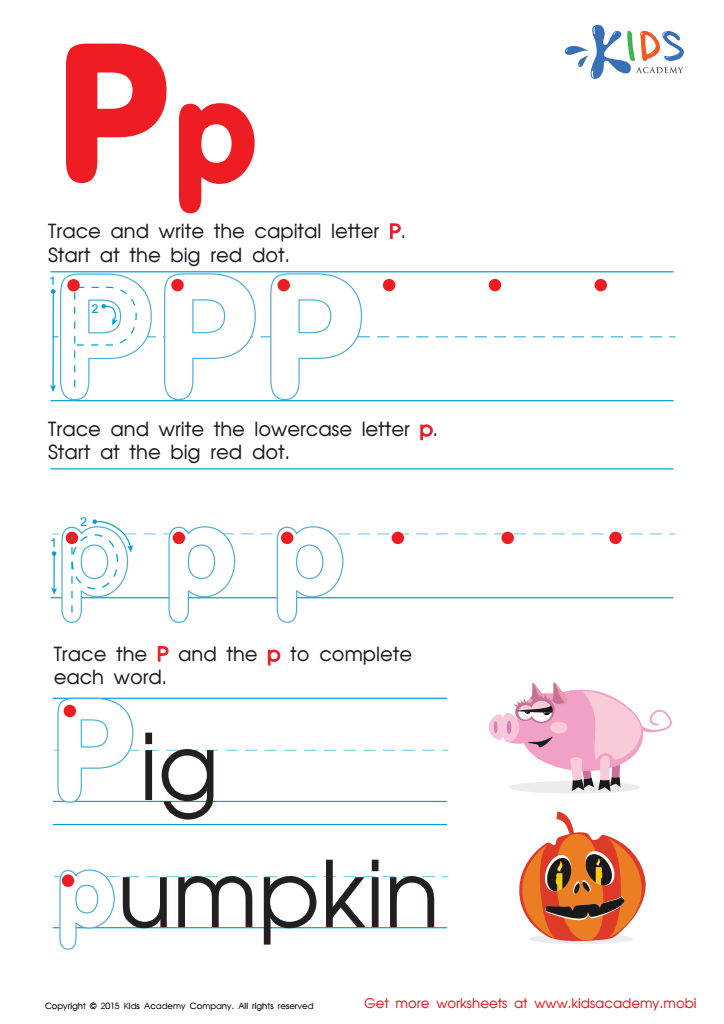
Letter P Tracing Page
 Assign to My Students
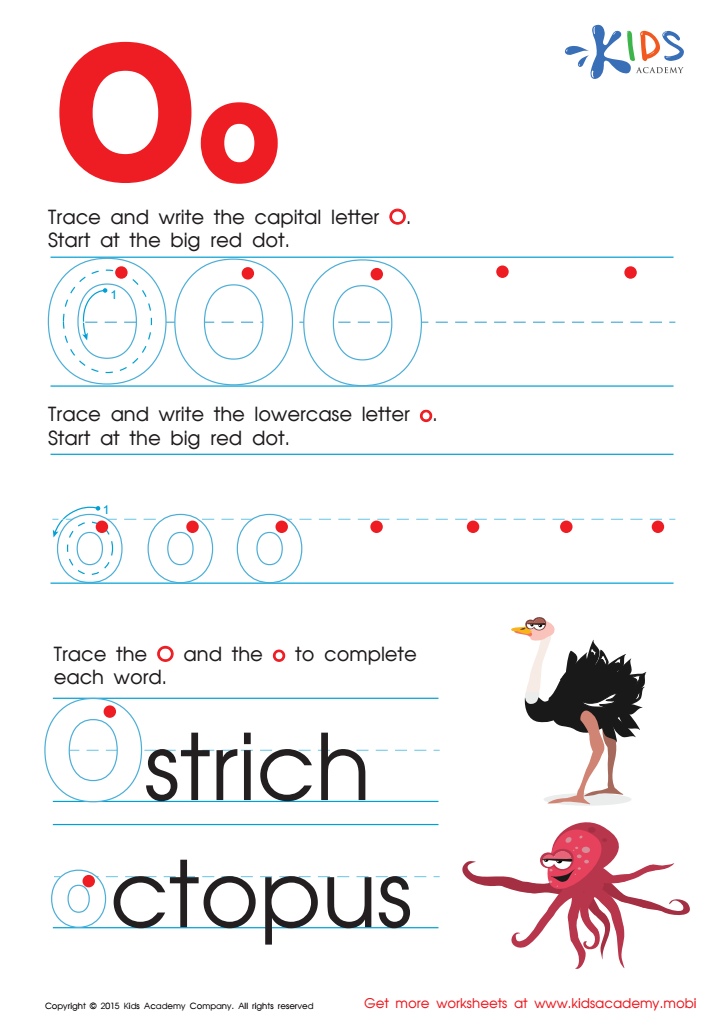
Letter O Tracing Page

Letter N Tracing Page
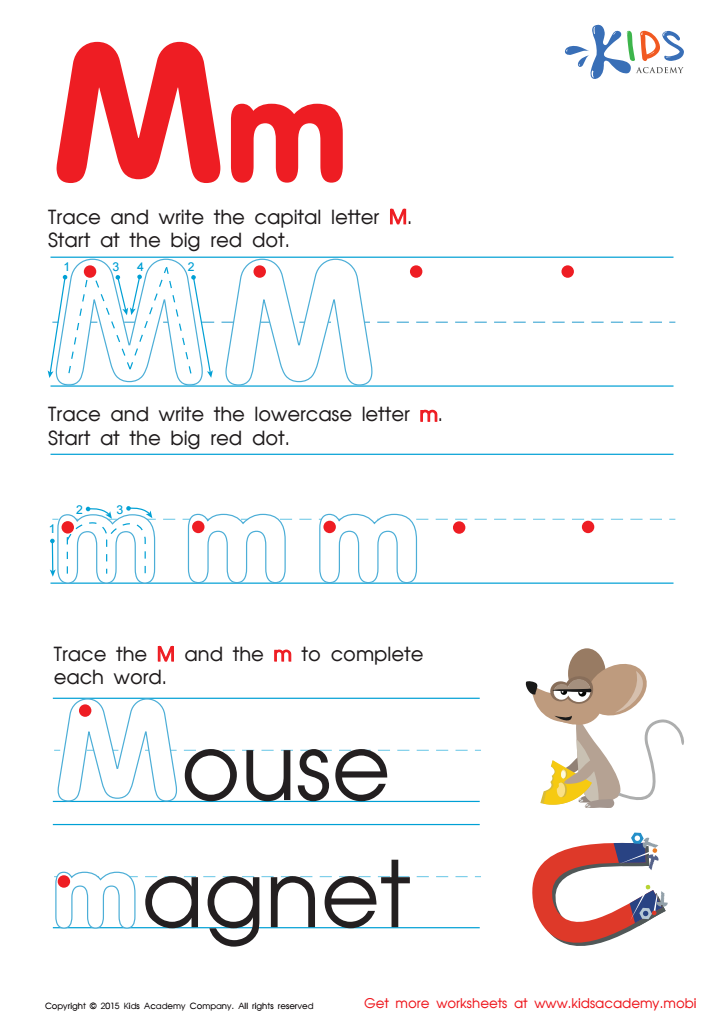
Letter M Tracing Page
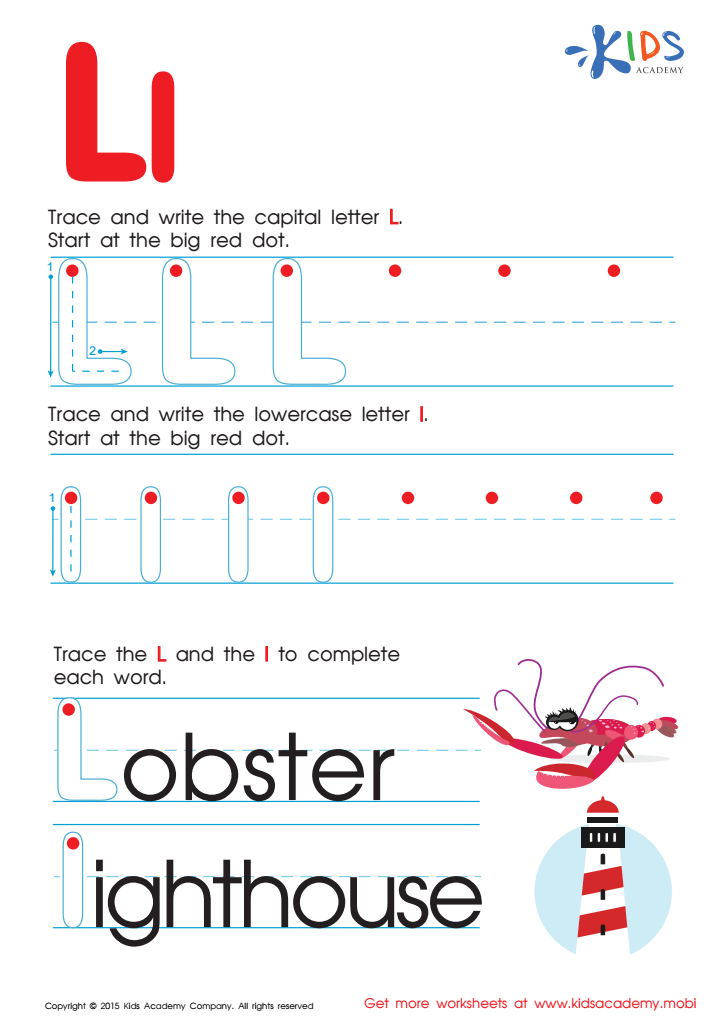
Letter L Tracing Page
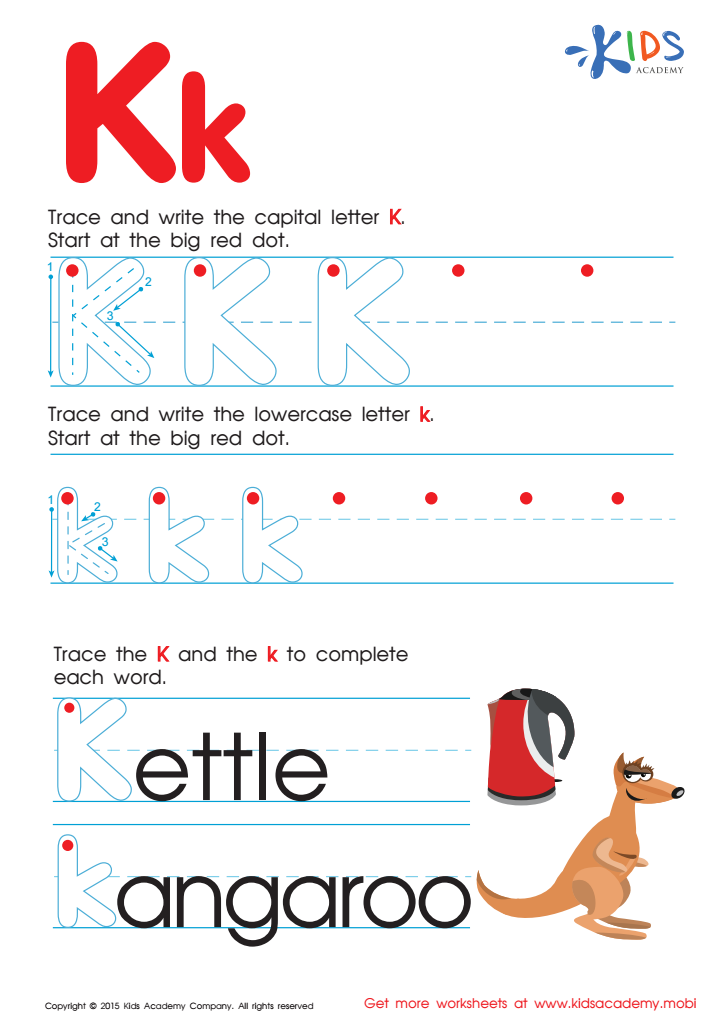
Letter K Tracing Page

Letter J Tracing Page
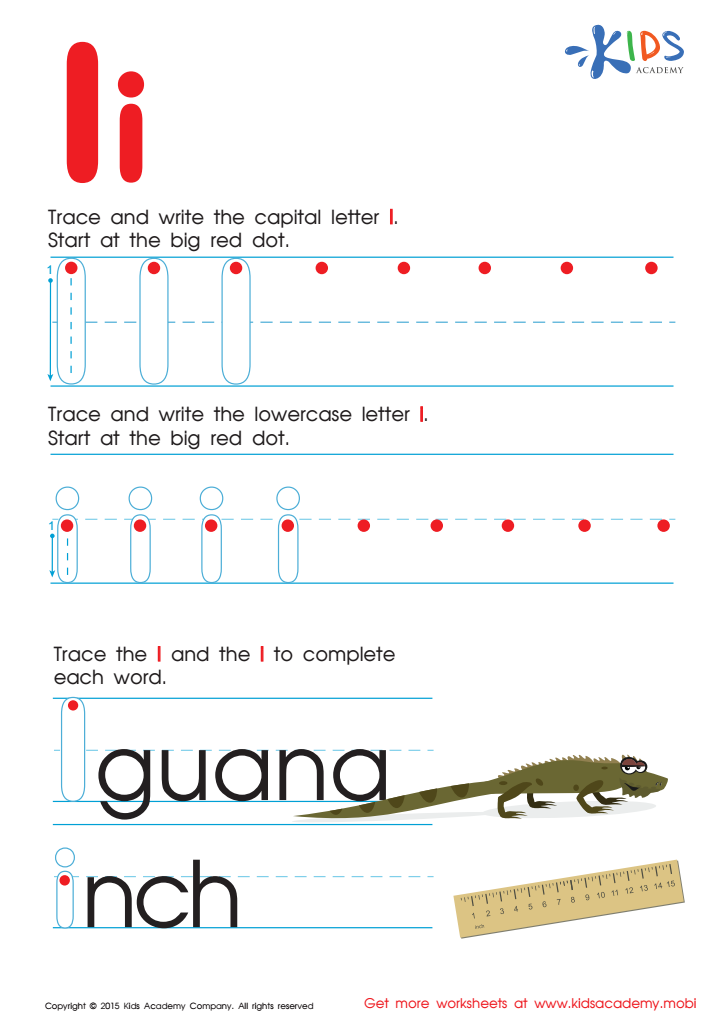
Letter I Tracing Page

Letter H Tracing Page
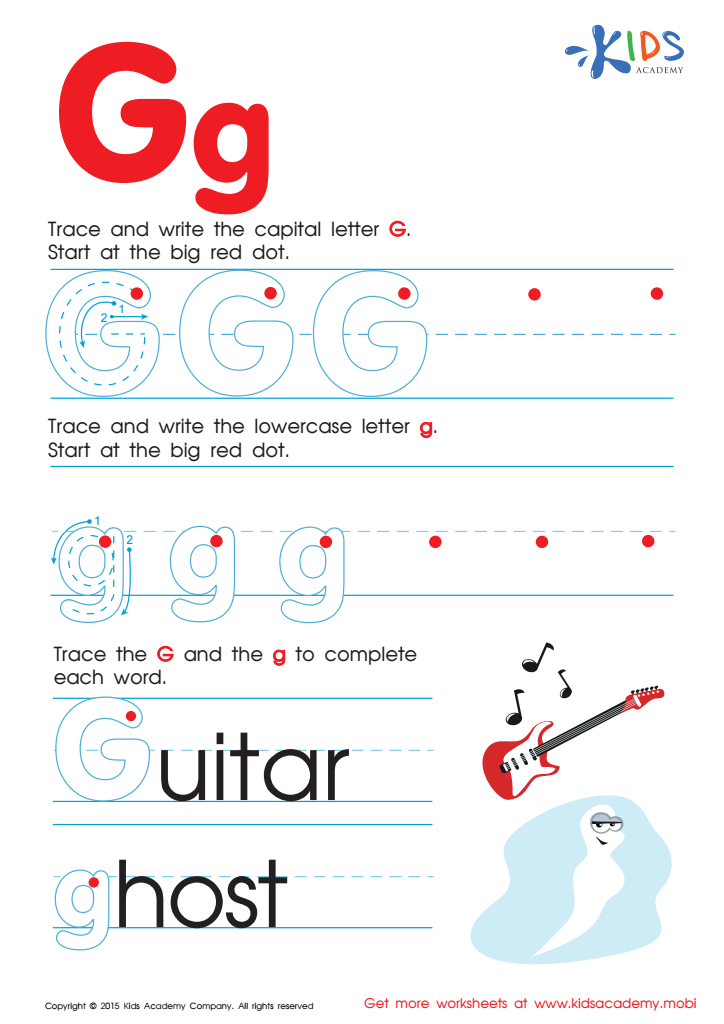
Letter G Tracing Page
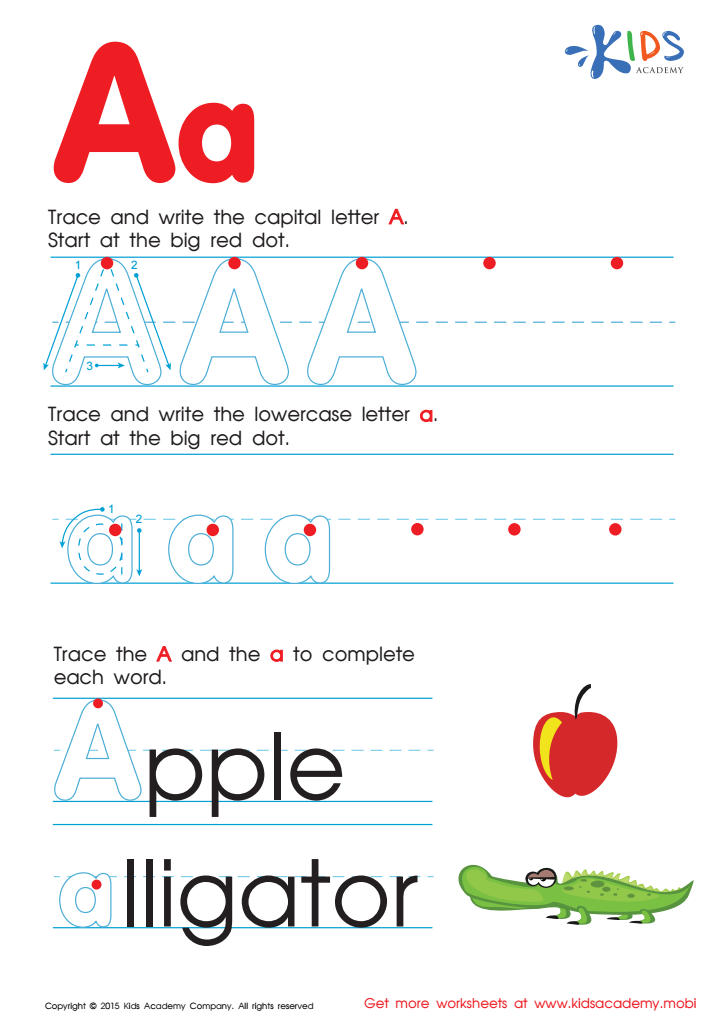
Letter A Tracing Page

Letter B Tracing Page
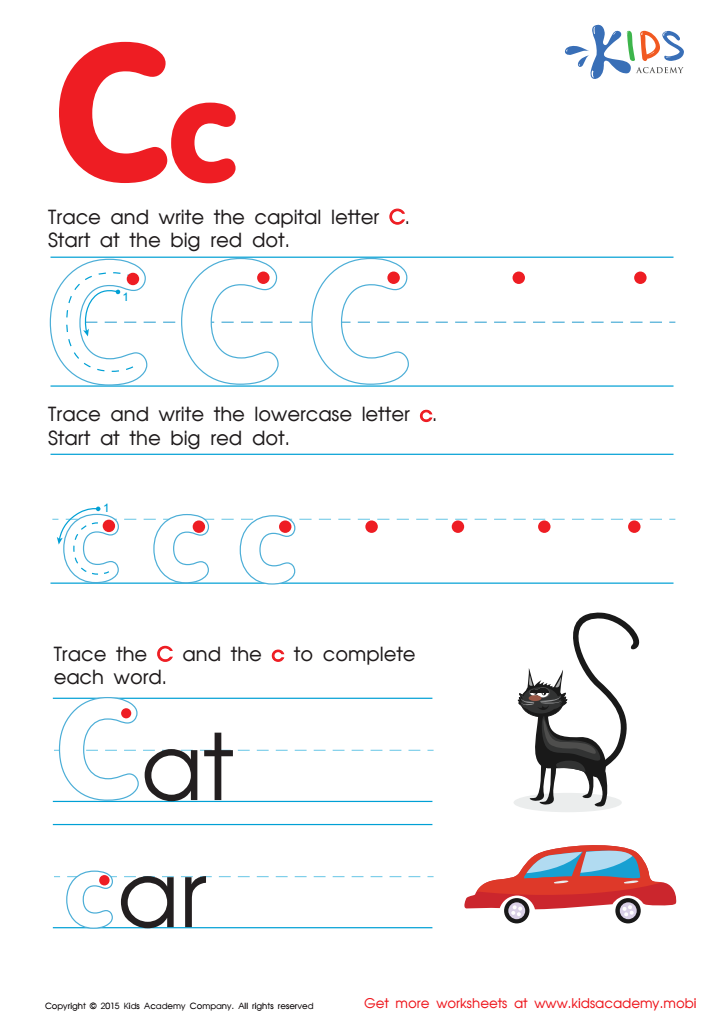
Letter C Tracing Page

Letter D Tracing Page
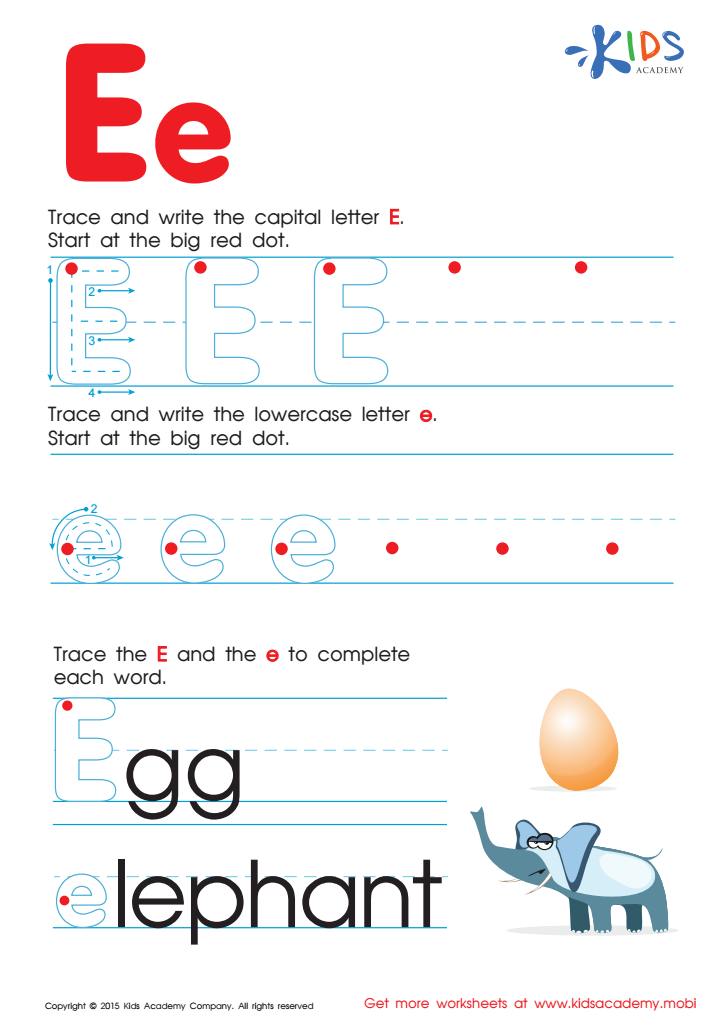
Letter E Tracing Page








Tracing activities play a crucial role in the development of children aged 4-8, making them an essential focus for both parents and teachers. These activities enhance fine motor skills, which are vital for writing, drawing, and other tasks requiring hand-eye coordination. As children learn to control their pencils and crayons, they build the muscle memory necessary for later skills like handwriting.
Furthermore, tracing activities promote cognitive development. They help children understand shapes, letters, and numbers, reinforcing their recognition and writing of these fundamental components of literacy and numeracy. Engaging in tracing can also stimulate creative thinking, as children often personalize their traced work with colors and designs.
Additionally, these activities foster patience and persistence, teaching children the value of practice and attention to detail. Tracing can be a calming and focused activity, allowing children to practice mindfulness while working on their skills.
For parents and teachers, these benefits translate into better-prepared students who can confidently navigate the academic requirements of the elementary years. Integrating tracing into daily activities can create a supportive learning environment that nurtures both creativity and foundational skills essential for lifelong learning.








