Tracing Letters worksheets activities for Ages 4-8 - Page 3
57 filtered results
-
From - To
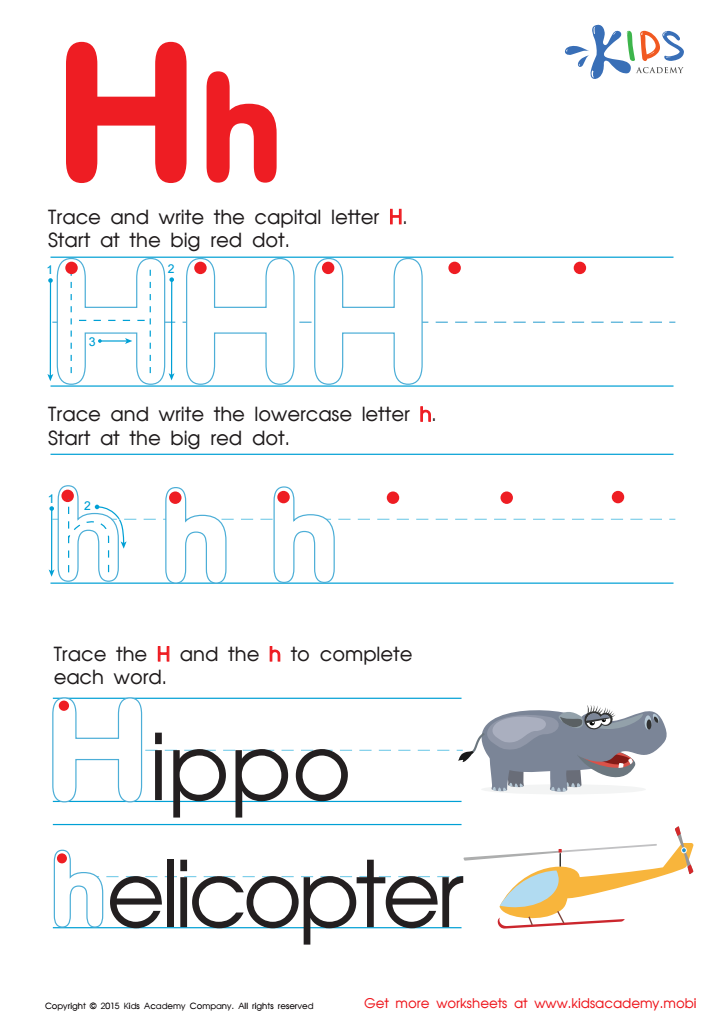
Letter H Tracing Page
 Assign to My Students
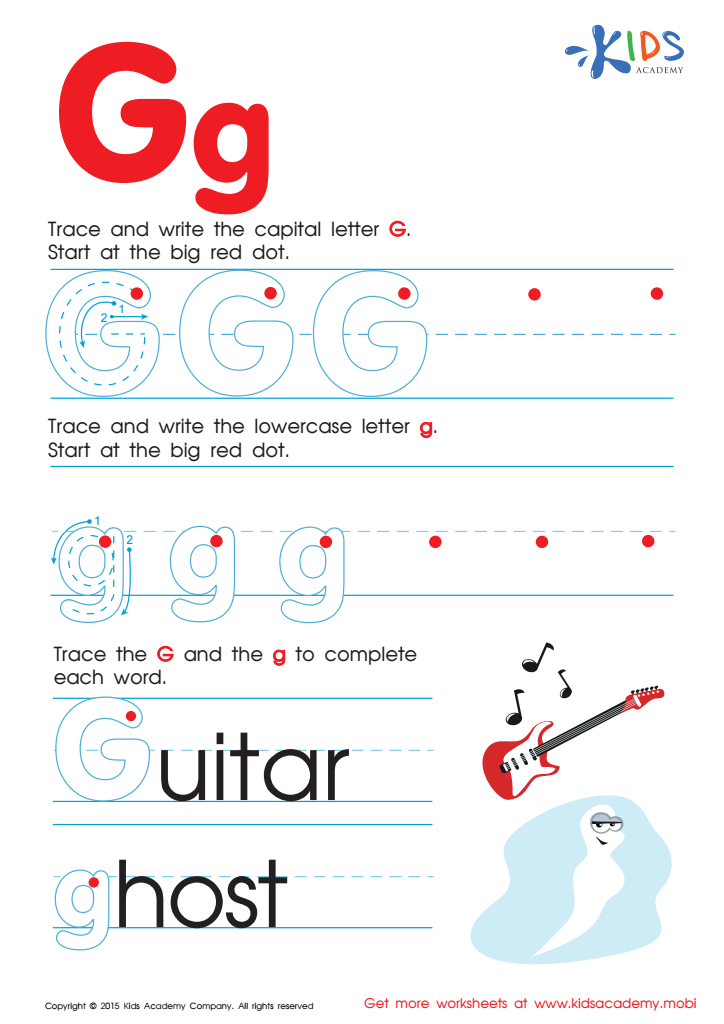
Letter G Tracing Page

Letter A Tracing Page
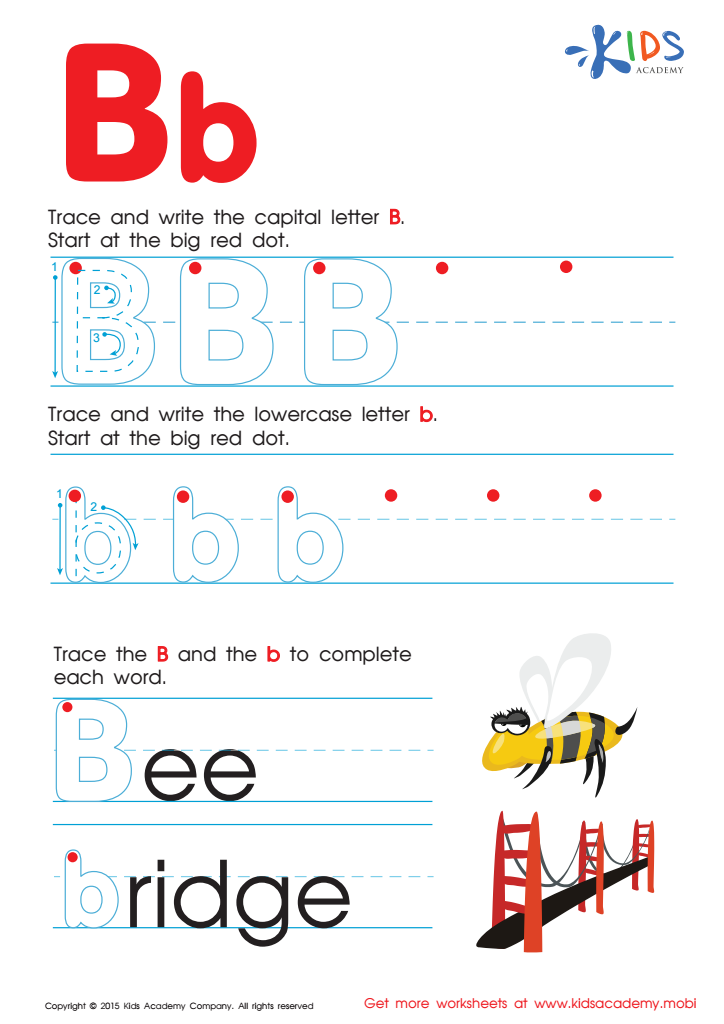
Letter B Tracing Page

Letter C Tracing Page

Letter D Tracing Page

Letter F Tracing Page

Letter E Tracing Page
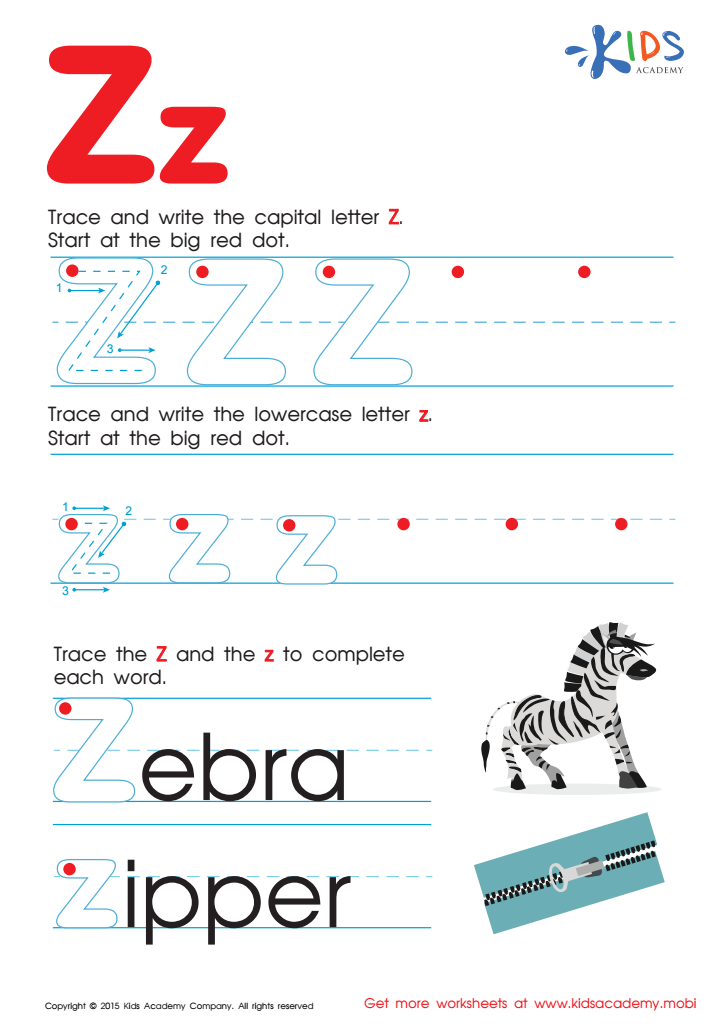
Letter Z Tracing Page








Tracing letters activities are essential for children aged 4-8, as they play a crucial role in early literacy development. Firstly, these activities enhance fine motor skills, which are vital for writing. As children practice tracing, they gain control over their hand movements, improving their ability to form letters and shapes confidently.
Secondly, tracing engages visual and tactile senses, making the learning experience more interactive and memorable. By feeling the shape of each letter as they trace, children develop a deeper understanding of letter formation and structure. This multi-sensory approach helps address different learning styles, ensuring that all children can benefit from the activity.
Additionally, tracing letters supports phonemic awareness, as children begin to associate the shapes with corresponding sounds, further reinforcing their literacy skills. Parents and teachers should recognize that these foundational skills contribute significantly to a child's future reading and writing capabilities.
Lastly, tracing is a motivating activity that can encourage young learners. Incorporating fun themes, creative materials, or games can make learning exciting and enjoyable. Therefore, parents and teachers should actively promote tracing letters activities as a pivotal part of early education, fostering a love for learning and setting the stage for academic success.








